Butterbohne
Eine große, flache Limabohnensorte mit cremiger, buttriger Konsistenz und mildem Geschmack, die im Süden der USA ein unverzichtbares Grundnahrungsmittel ist.





Auf dieser SeiteÜberblick
Butterbohne im Überblick
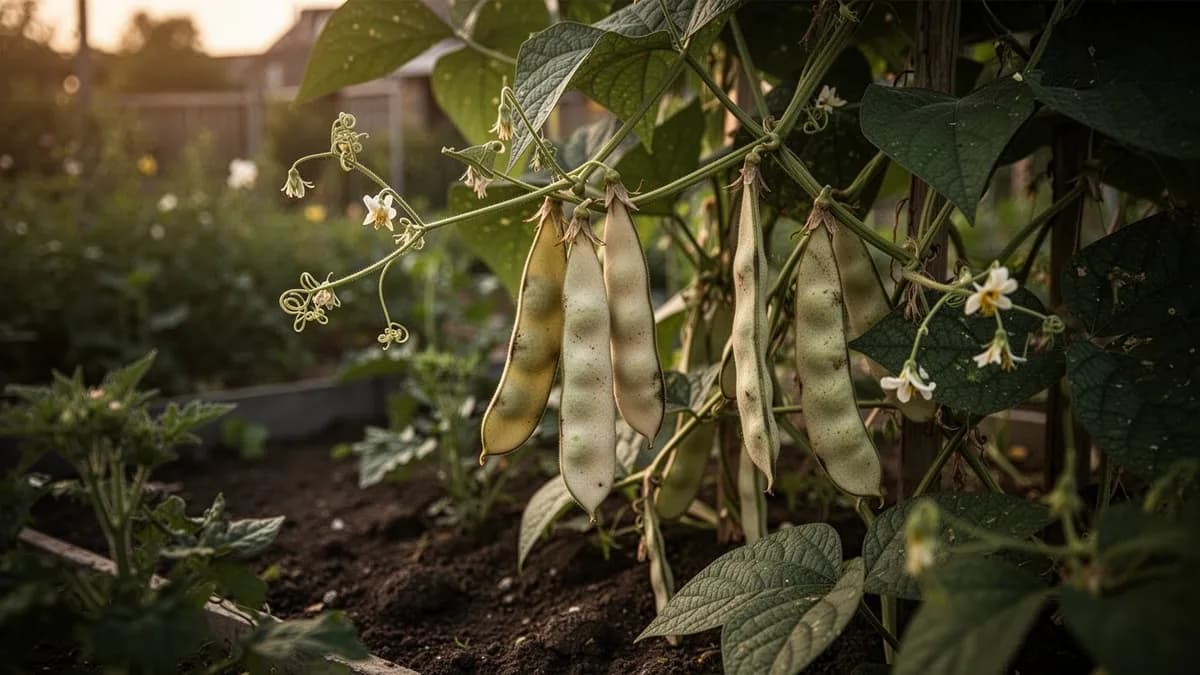
Eine große, flache Limabohnensorte mit cremiger, buttriger Konsistenz und mildem Geschmack, die im Süden der USA ein unverzichtbares Grundnahrungsmittel ist. Sowohl Strauch- als auch Stangensorten sind erhältlich, wobei Stangensorten über eine längere Saison höhere Erträge liefern. Die Pflanzen benötigen warmen Boden über 18 °C zur Keimung und gleichmäßige Feuchtigkeit während der Hülsenfüllung. Für frische Schalbohnen ernten, wenn die Hülsen prall, aber noch grün sind, oder an der Ranke trocknen lassen zur Lagerung.
Wann Butterbohne pflanzen
Butterbohnensamen nach dem letzten Frost direkt ins Freie säen, wenn der Boden mindestens 18 °C hat. 2,5 bis 5 cm tief und 10 bis 15 cm auseinander pflanzen. Nicht drinnen vorziehen, da Limabohnen Verpflanzen nicht mögen. Samen über Nacht einweichen, um die Keimung zu beschleunigen. Samen keimen in sieben bis vierzehn Tagen. In Kurzzeit-Klimazonen den Boden zwei Wochen vor dem Pflanzen mit schwarzer Folie vorwärmen. Für nördliche Gärten Strauchsorten mit kürzerer Reifezeit wählen.
Dein Butterbohne-Jahr
Abgestimmt auf Zone 7 · typische Saison · Frost geht um den 2. Apr. und kehrt um den 1. Nov. zurück
Butterbohne Mai – Jun pflanzen, Aug – Okt ernten. Beachte die Pflanzmethoden unten und wähle dein Klima für passende Zeiträume.
So baust du Butterbohne an
Butterbohnen benötigen warmen Boden von mindestens 18 °C zur Keimung und faulen bei kalten, nassen Bedingungen. Samen direkt 2,5 bis 5 cm tief und 10 bis 15 cm auseinander säen, nachdem alle Frostgefahr vorüber ist. Strauchtypen benötigen 45 bis 60 cm zwischen den Reihen, während Stangensorten am Fuß eines stabilen Spaliers oder an Stangen mit 90 cm Abstand gepflanzt werden sollten. Samen keimen in sieben bis vierzehn Tagen.
Gleichmäßige Feuchtigkeit während der gesamten Wachstumsperiode sicherstellen, besonders während der Blüte und Hülsenfüllung. Trockenstress in diesen kritischen Phasen verursacht Blütenfall und schlecht gefüllte Hülsen. Mulchen zum Feuchtigkeitserhalt und zur Aufrechterhaltung gleichmäßiger Bodentemperatur. Als Hülsenfrüchte fixieren Butterbohnen ihren eigenen Stickstoff und benötigen kaum zusätzliche Düngung. Eine Seitendüngung mit Kalium zur Blütezeit fördert die Hülsenentwicklung.
Strauchartige Sorten reifen in etwa 70 Tagen und liefern eine konzentrierte Ernte. Stangensorten brauchen 85 bis 90 Tage, produzieren aber über einen wesentlich längeren Zeitraum, oft bis zum Frost. Im tiefen Süden der USA sind Butterbohnen ein sommerliches Grundnahrungsmittel, das von April bis Juli gepflanzt wird. In nördlichen Zonen empfehlen sich Strauchsorten mit kürzeren Reifezeiten, um die Ernte vor dem Frost zu sichern. Hitze über 35 °C kann Blütenfall verursachen, daher hilft Nachmittagsschatten in extremen Klimaten.
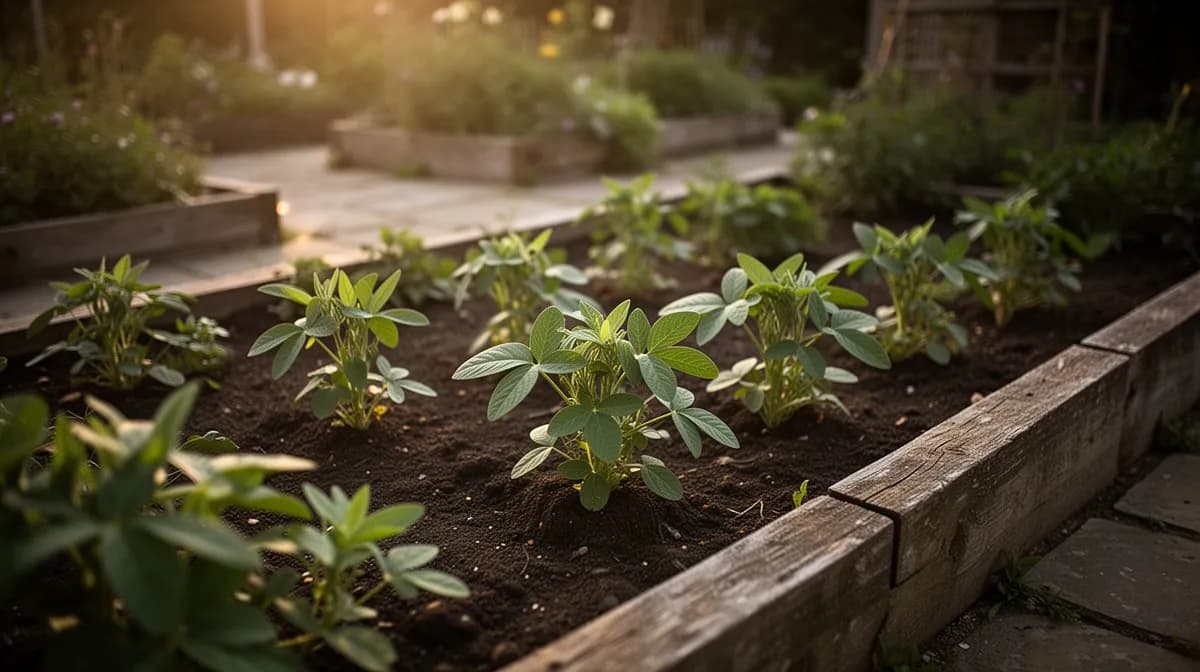
72 Pflanzen passen in ein Beet von 120 × 240 cm
Butterbohne braucht 20 cm Platz pro Pflanze. Der Planer hält diesen Abstand für dich ein — jede Pflanze, jedes Beet.
Die besten Nachbarn für Butterbohne
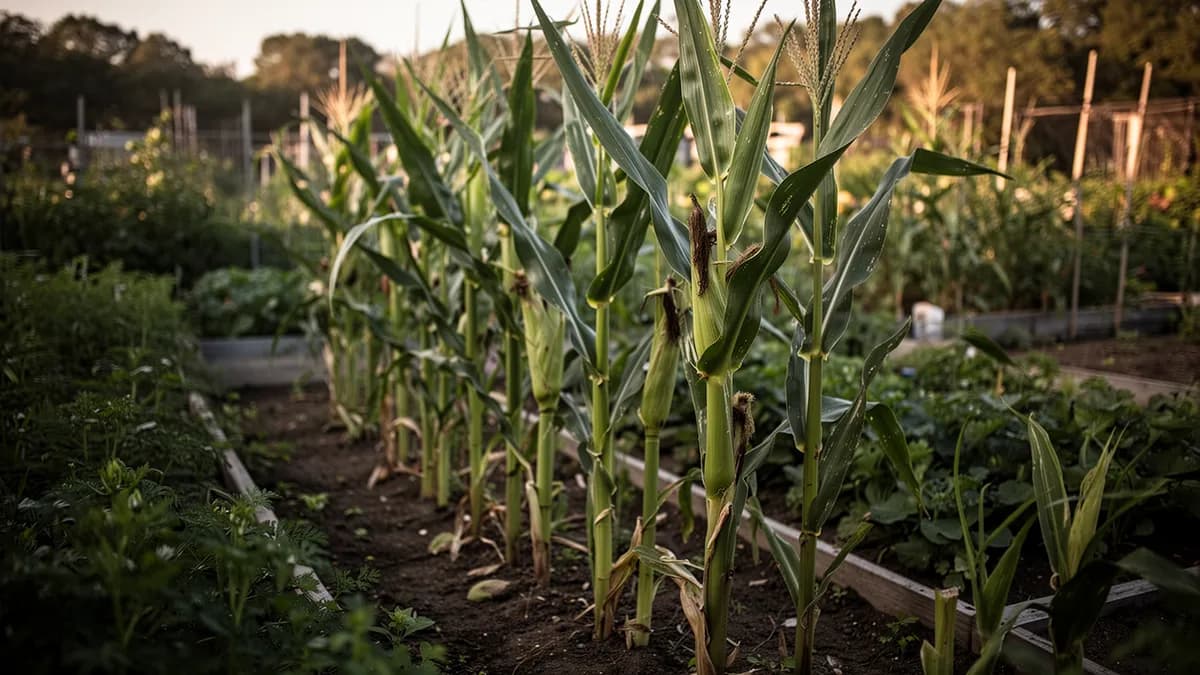
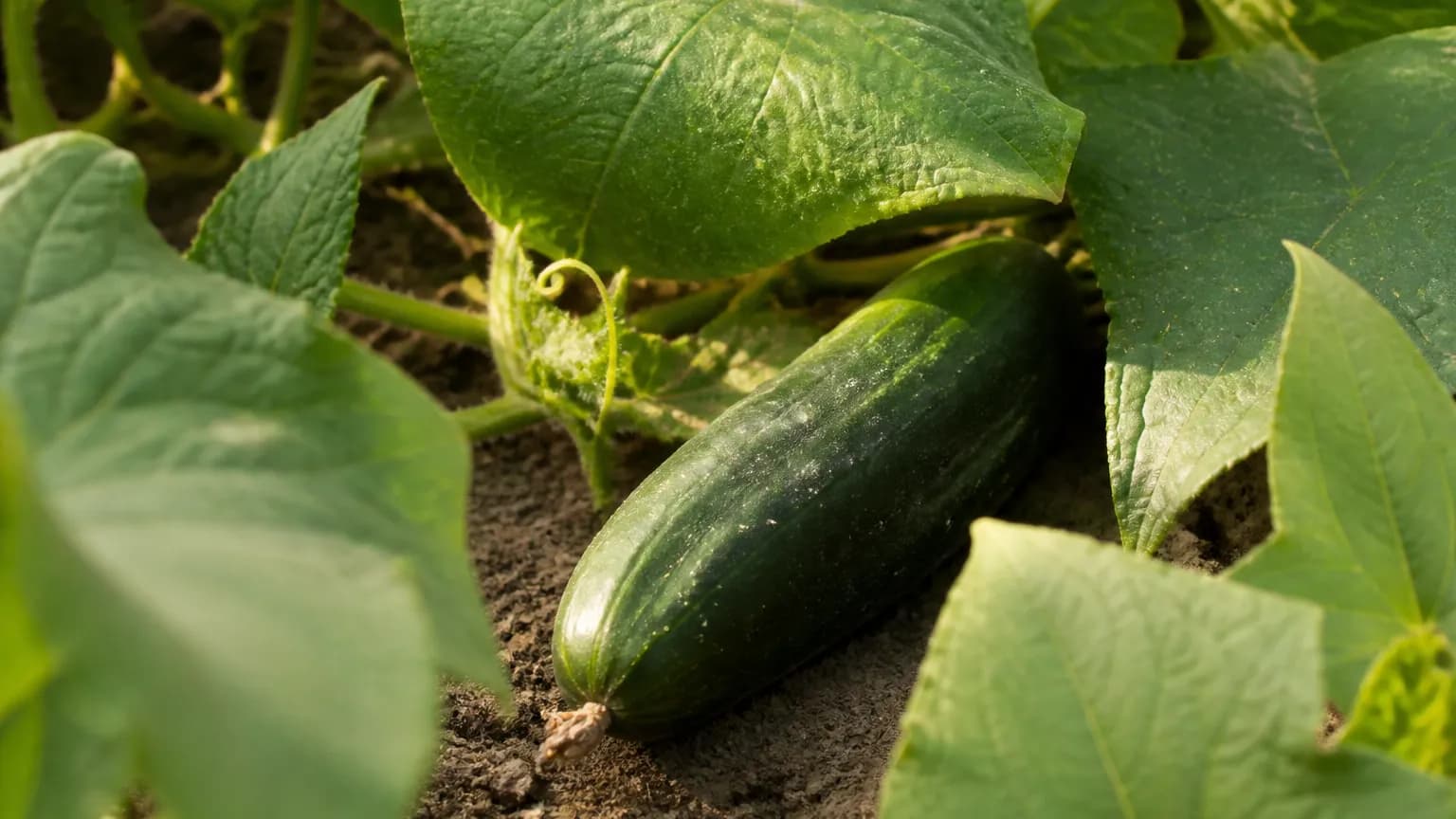
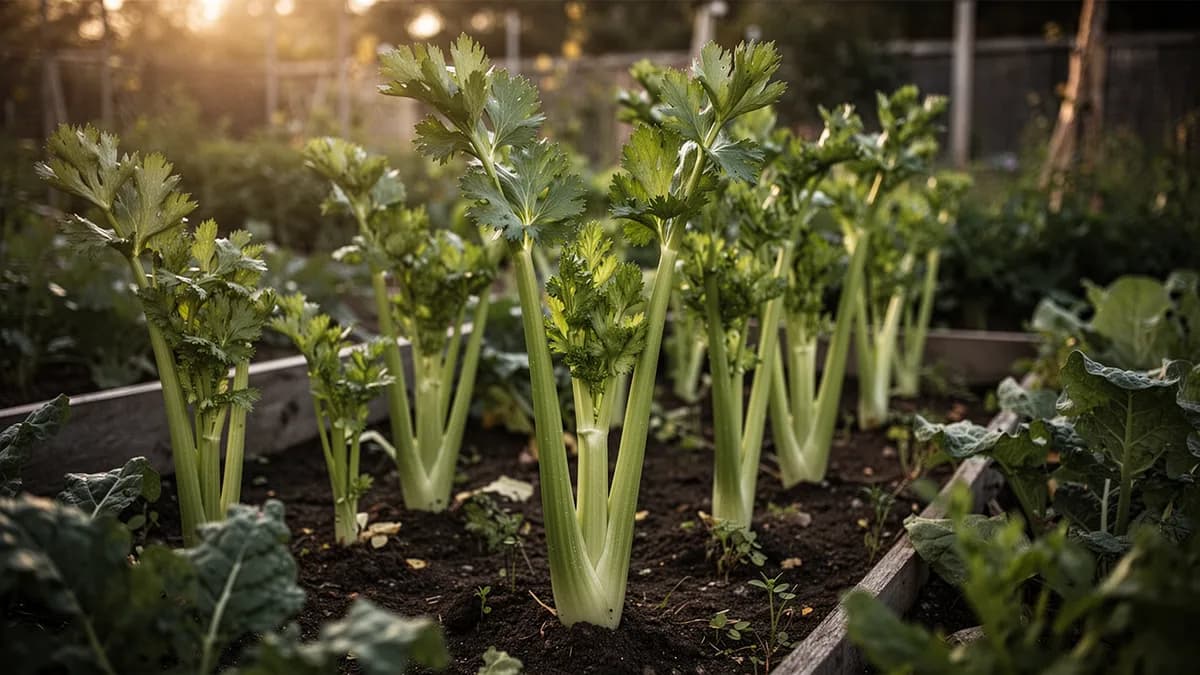
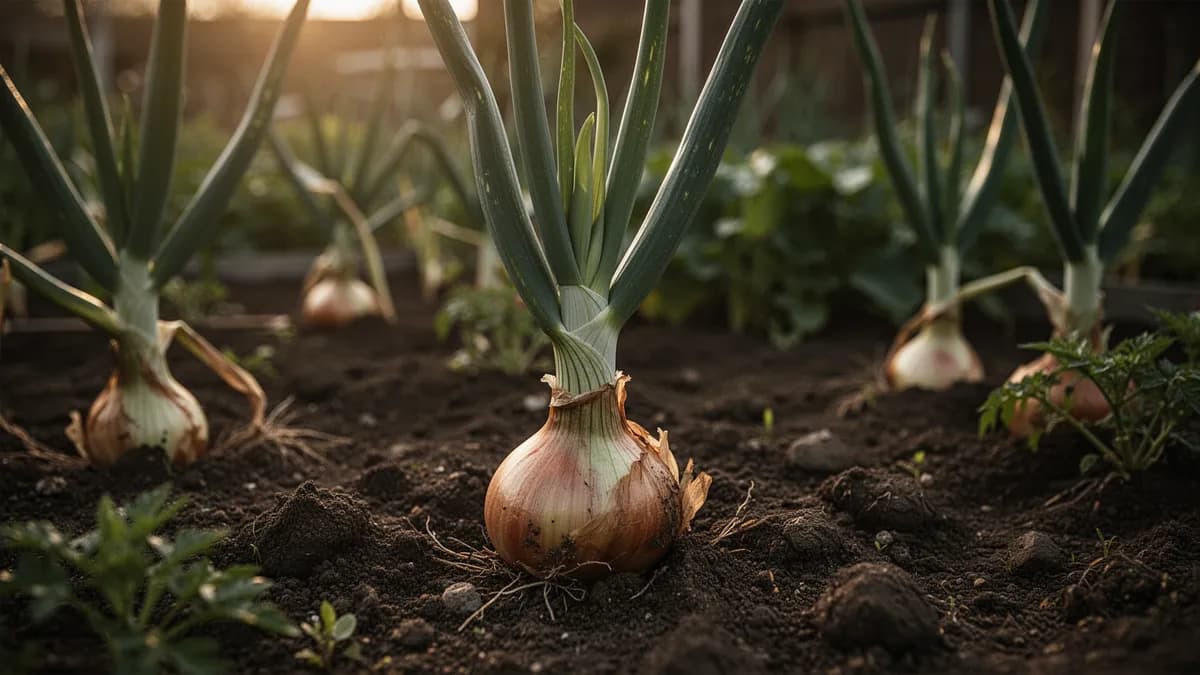
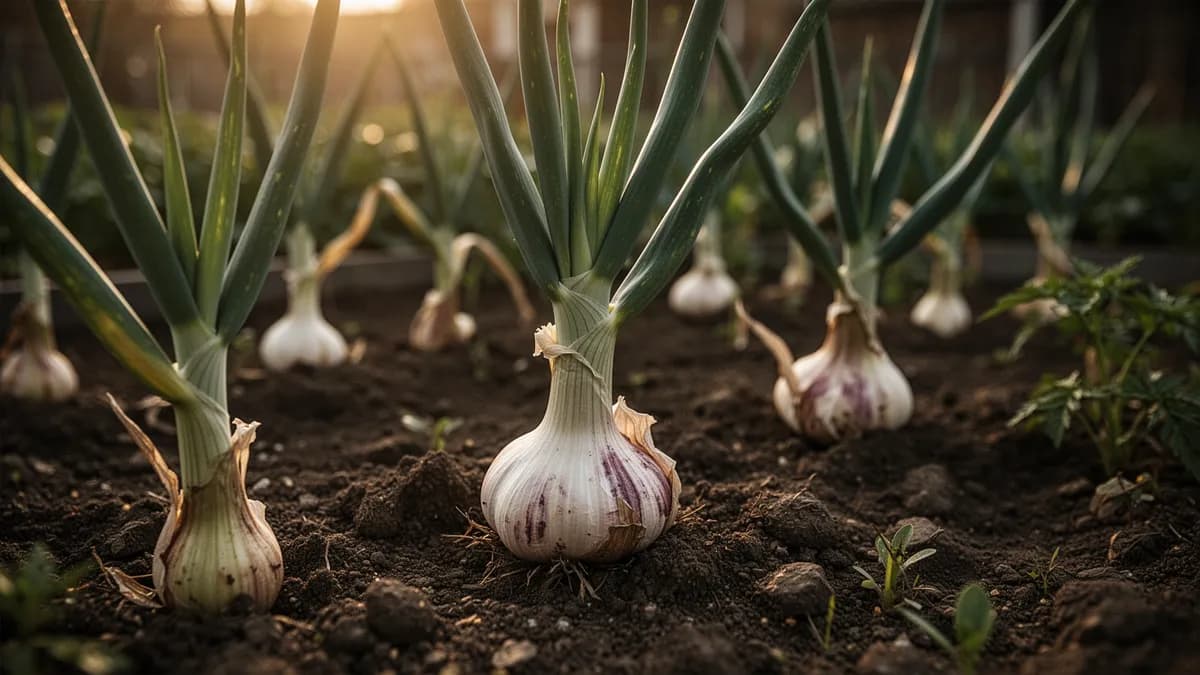
Butterbohnen fixieren Stickstoff und kommen den umliegenden Kulturen zugute. Mit Mais pflanzen, der für Stangensorten ein natürliches Gerüst bildet. Gurken, Sellerie und Möhren sind gute Nachbarn. Lauchgewächse wie Zwiebeln und Knoblauch meiden, da sie das Wachstum von Hülsenfrüchten hemmen. Bohnenkraut in der Nähe soll traditionell den Bohnengeschmack verbessern und Bohnenkäfer abwehren. Nach Butterbohnen stickstoffhungrige Kulturen wie Kreuzblütler anbauen.
Mais gehört daneben. Zwiebel nicht.
Altes Gärtnerwissen, geprüft an der echten Nachbartabelle von Butterbohne — teste jede Pflanze, die du anbaust.
Probiere Butterbohne direkt hier im Beet
Ein echtes Planer-Beet, Butterbohne steht schon drin. Tippe einen Begleiter an, platziere ihn und sieh, wie die Nachbarschaftsprüfung antwortet — grün für gute Nachbarn, rot bei Streit.


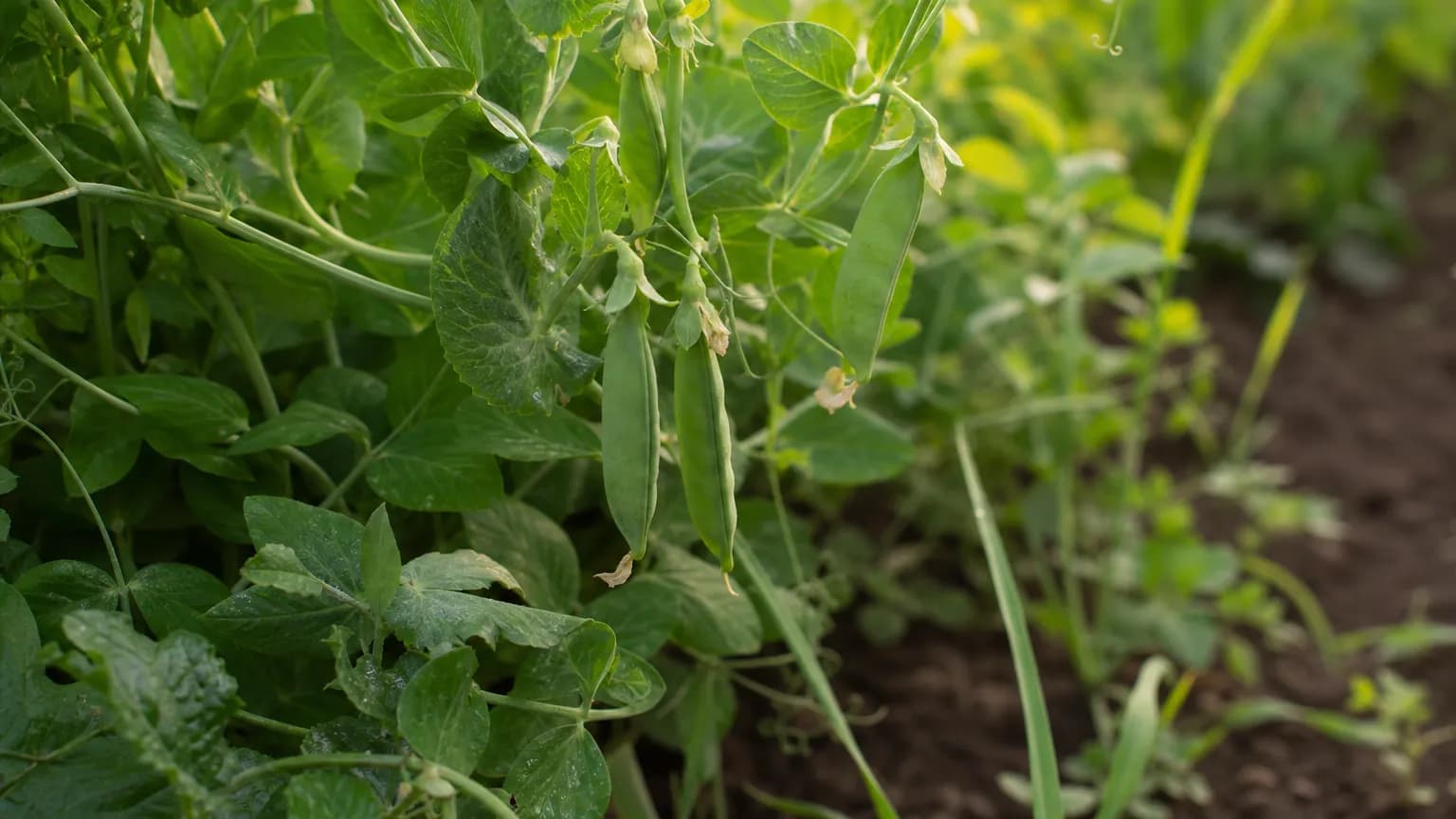
Passende Anbau-Ratgeber
Richtig düngen
Butterbohnen bevorzugen gut durchlässigen, mäßig fruchtbaren Boden mit einem pH-Wert von 6,0 bis 6,8. Schwere, wassergesättigte Lehmböden vermeiden. Als Stickstoffbinder benötigen sie keinen Stickstoffdünger. Samen vor dem Pflanzen mit Limabohnen-Rhizobium-Impfstoff behandeln. Phosphor und Kalium bei der Pflanzung ausbringen, um Blüte und Hülsenfüllung zu unterstützen. Kompost vor dem Pflanzen in den Boden einarbeiten für verbesserte Drainage und Nährstoffverfügbarkeit.
Ideale Temperatur
Winterhärtezone-Kompatibilität
Von der Saat zur Ernte, Schritt für Schritt
Samenkeimung
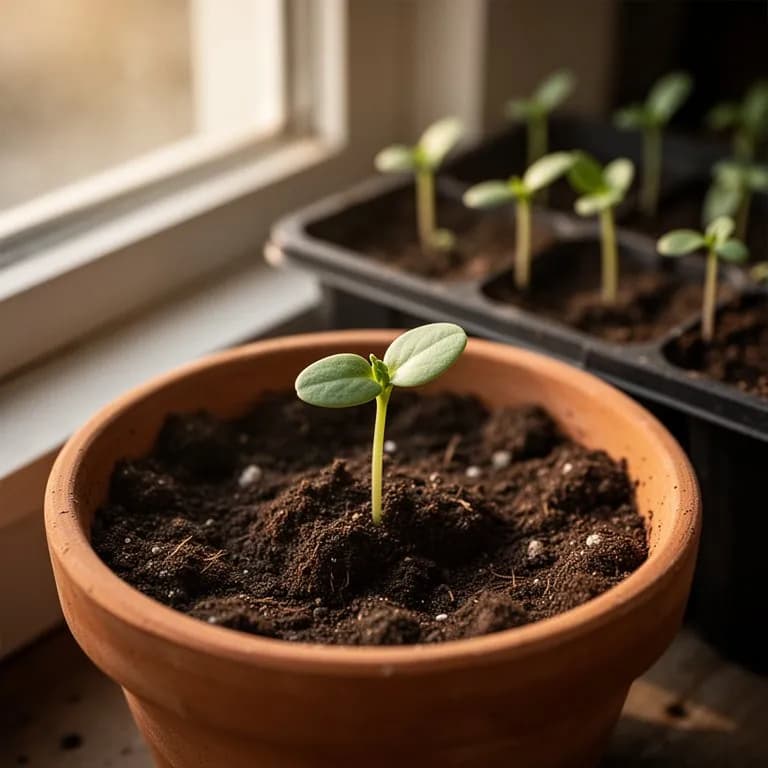
Große, flache Samen nehmen schnell Feuchtigkeit auf und keimen in warmem Boden innerhalb von 7–10 Tagen. Das dicke Hypokotyl schiebt die schweren Keimblätter über die Bodenoberfläche. Die Keimung erfordert Bodentemperaturen von mindestens 18 °C und verläuft am schnellsten bei 24–29 °C. In kaltem, nassem Boden eingepflanzte Samen faulen sehr leicht.
Sämlingsbildung
Echte Blätter entstehen als dreiteilige Verbundblätter mit glatten, ovalen Blättchen. Das Wurzelsystem entwickelt sich schnell und bildet Knöllchen mit stickstoffixierenden Rhizobium-Bakterien, die die Pflanze mit ihrem eigenen Stickstoff versorgen. Strauchtypen beginnen zu verzweigen, während Stangensorten beginnen, sich windende Triebe auf der Suche nach Halt auszusenden.
Vegetatives Wachstum
Kräftiges Blattwachstum findet statt, da die Pflanzen das Laubdach aufbauen, das zur Antreibung der Hülsenproduktion benötigt wird. Stangensorten klettern aggressiv und gewinnen bei Spitzenhitze täglich 5–10 cm. Die stickstoffixierenden Wurzelknöllchen sind vollständig aktiv und verringern den Düngebedarf der Pflanze. Das ausgedehnte Wurzelsystem macht die Pflanzen zunehmend trockenheitstoleranter.
Blüte
Kleine weiße bis hellviolette Blüten erscheinen in Trauben an Blattachseln. Blüten sind hauptsächlich selbstbestäubend, aber Bienenbesuche verbessern die Hülsenansatzrate erheblich. Die Blüte setzt sich mehrere Wochen lang fort, wobei sich neue Blüten progressiv den Stiel hinauf öffnen. Hohe Temperaturen über 35 °C können Blütenfall und verringerten Hülsenansatz verursachen.
Hülsenentwicklung
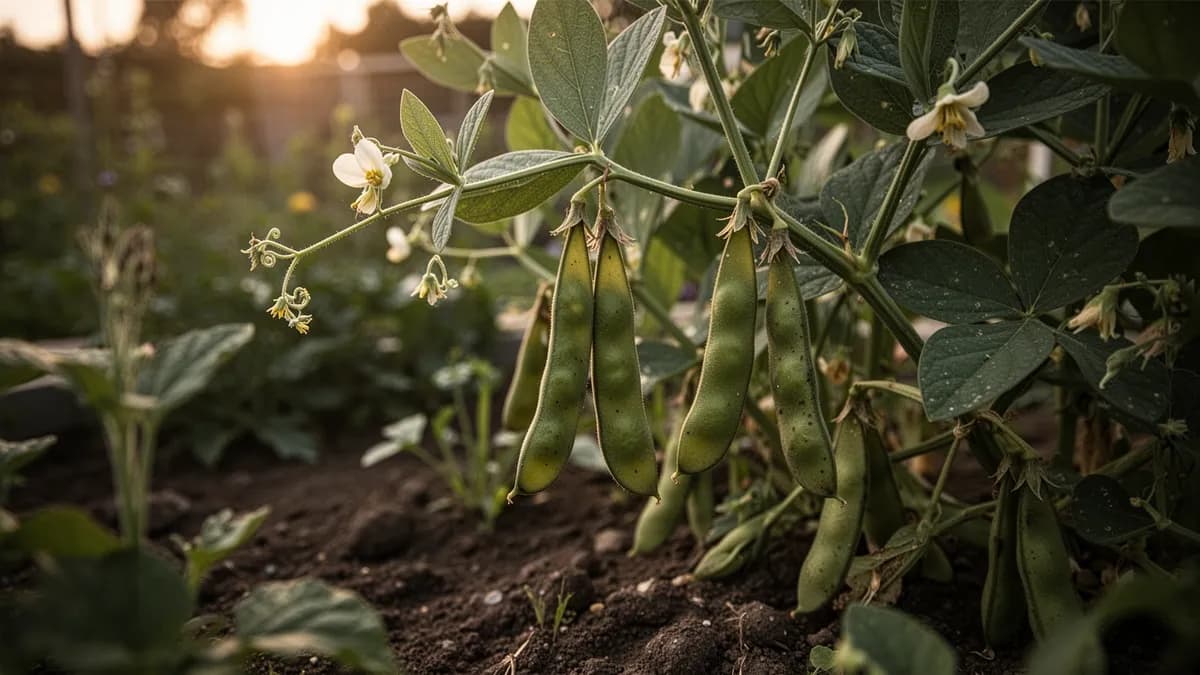
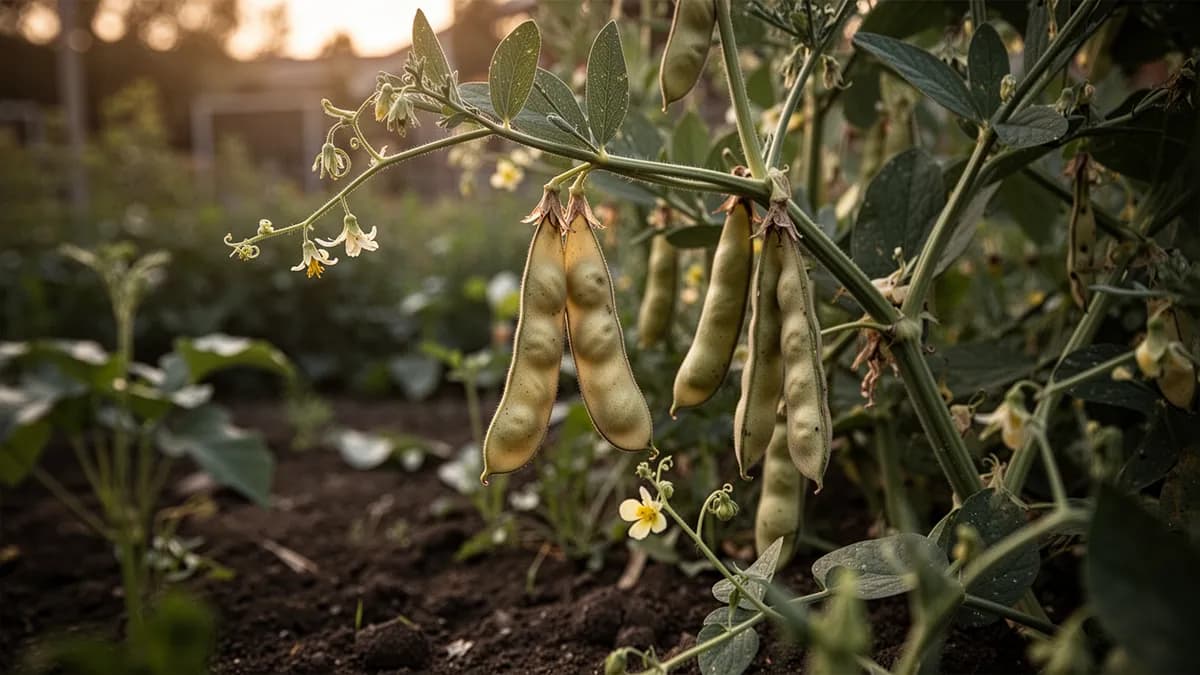
Flache, breite Hülsen entwickeln sich schnell aus bestäubten Blüten. Für frische Schalbohnen sind die Hülsen bereit, wenn sie prall sind, die Samen als Erhebungen durch die Hülsenwand sichtbar sind und die Hülsen noch grün mit etwas Flexibilität sind. Jede Hülse enthält 2–4 große, flache Samen. Hülsen am unteren Teil der Pflanze reifen zuerst.
Ernte und Trocknungsphase
Für Trockenbohnen die Hülsen an der Ranke lassen, bis sie braun, papierartig werden und beim Schütteln rasseln. Das Laub der Pflanze vergilbt und geht zurück, da die Energie vollständig in die Samenreifung umgeleitet wird. In feuchten Klimaten die Hülsen ernten, wenn sie größtenteils trocken sind, und unter Dach fertig trocknen, um Schimmel zu verhindern.
Samen 2,5–5 cm tief direkt in den Garten pflanzen, nachdem alle Frostgefahr vorüber ist. Nicht drinnen vorziehen — Butterbohnen reagieren empfindlich auf Wurzelstörungen. Samen mit Rhizobium-Hülsenfrucht-Impfstoff für überlegene Stickstoffixierung und Pflanzenvitalität behandeln.
Butterbohne Monat für Monat pflegen
Was du jeden Monat für deine Butterbohne tun solltest
Oktober
Aktueller MonatLetzte Ernten für die meisten Zonen. Vollständig getrocknete Hülsen für Lagerbohnen und Saatgutgewinnung sammeln. Verbleibende Pflanzen herausziehen, aber Wurzeln zum Verrotten belassen und fixierten Stickstoff freisetzen. Spaliere für Stangensorten reinigen und einlagern.
Immer wissen, was jetzt im Garten zu tun ist
Eine E-Mail zum Monatsanfang: was du jetzt säen, pflanzen und anpacken solltest — für deine Butterbohne und alles, was drumherum wächst. Dazu ein kurzer Startkurs, der dich vor den klassischen Fehlern bewahrt.
- Was jetzt zu tun ist
- Passend zu deiner Saison
- Startkurs inklusive
Butterbohne ernten
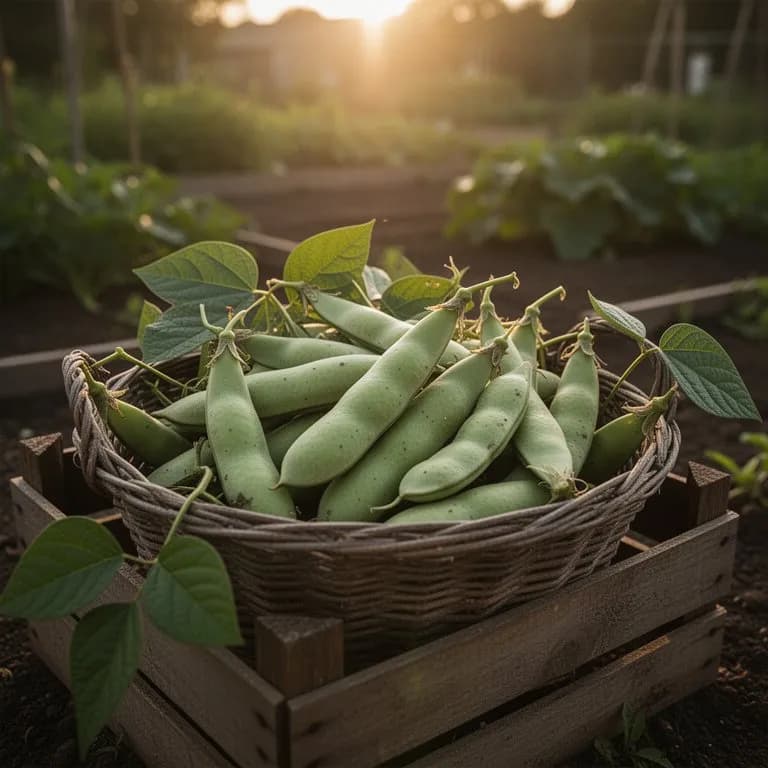
Für frische Schalbohnen ernten, wenn die Hülsen prall und leuchtend grün sind und die Samen sich bereits ausgeformt, aber noch zart sind. Durch Aufteilen der Hülsen entlang der Naht schälen und die Bohnen herausdrücken. Für getrocknete Bohnen die Hülsen an der Ranke lassen, bis sie braun und papierartig werden, dann schälen und bei Bedarf drinnen weiter trocknen. Frische Schalbohnen haben das reichste, buttrigste Aroma. Regelmäßig pflücken, um die weitere Hülsenproduktion bei Stangensorten zu fördern.
angenommen, du pflanzt zu Beginn des Zeitraums — trage dein tatsächliches Datum ein
Ernte Butterbohne zügig, dann trägt die Pflanze weiter.
Lagerung & Konservierung
Frische Schalbutterbohnen halten sich im Kühlschrank bis zu einer Woche in ihren Hülsen oder geschält in einem luftdichten Behälter. Zum Einfrieren Bohnen schälen, zwei Min. blanchieren, in Eiswasser abkühlen und in Beuteln bis zu zwölf Monate einfrieren. Getrocknete Butterbohnen in luftdichten Behältern bis zu zwei Jahre lagern. Druckeinkochen wird für die langfristige haltbare Lagerung empfohlen. Gekochte Butterbohnen lassen sich gut in ihrer Kochflüssigkeit einfrieren.
Was schiefgeht — und die Lösung
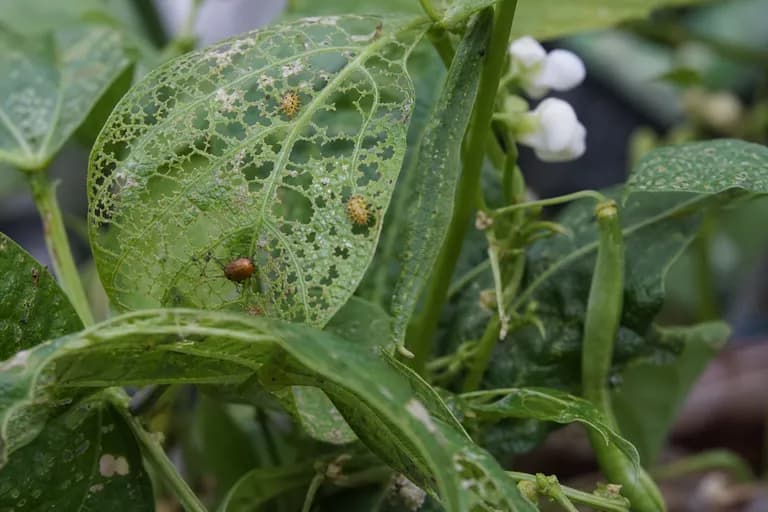
Mexikanischer Bohnenkäfer
SchädlingKupferfarbene Käfer und stachelige gelbe Larven skelettieren Blätter, was die Pflanzenkraft und Hülsenproduktion vermindert.
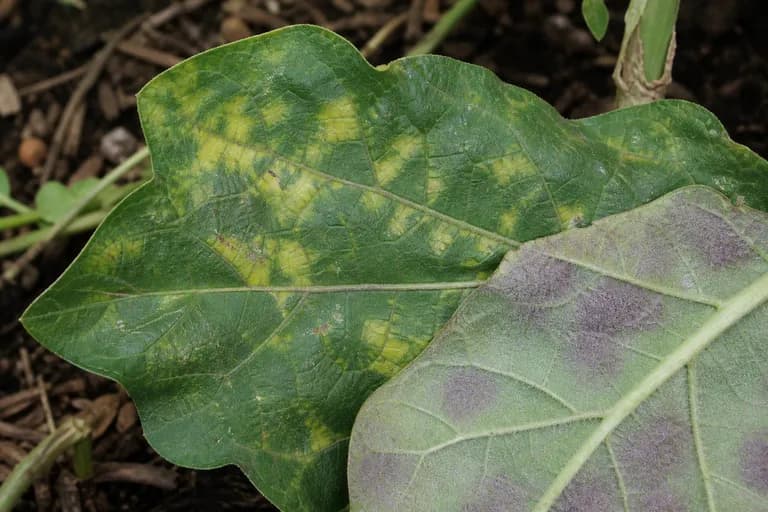
Falscher Mehltau
KrankheitWeißes flaumiges Wachstum auf Blattunterseiten mit entsprechenden gelben Flecken auf den Oberseiten. Hülsen können ebenfalls Läsionen entwickeln.
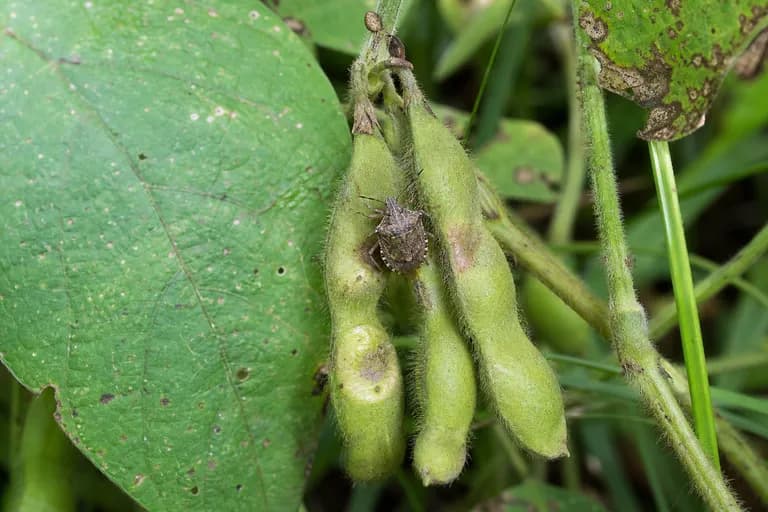
Stinkwanzen
SchädlingSchildförmige Wanzen stechen Hülsen und fressen an sich entwickelnden Samen, was zu eingedellten, verfärbten Bohnen mit verminderter Qualität führt.
Fehlerbehebung bei häufigen Problemen
Kalter, nasser Boden verursacht Samenfäule und schlechte Keimung. Immer auf warme Bedingungen warten, bevor gepflanzt wird. Blütenfall ist häufig bei extremer Hitze über 35 °C oder kalten Nächten unter 15 °C. Ungleichmäßige Bewässerung während der Hülsenfüllung erzeugt kleine, schlecht entwickelte Bohnen. Mexikanische Bohnenkäfer können Pflanzen schnell entlauben, wenn sie nicht früh bekämpft werden. In feuchten Klimaten sind Pilzkrankheiten ohne ausreichende Luftzirkulation häufig.
Anbautipps
- Butterbohnen immer direkt aussäen — niemals drinnen vorziehen. Ihre großen Samen, schnelle Keimung und empfindlichen Wurzelsysteme machen das Verpflanzen stressig und unnötig. Samen direkt in warmen Gartenboden 2,5–5 cm tief pflanzen, und sie werden jeden Setzling innerhalb von Tagen übertreffen.
- Samen zum Pflanzzeitpunkt mit Rhizobium-Hülsenfrucht-Impfstoff behandeln, besonders wenn dort zuvor keine Bohnen oder Erbsen angebaut wurden. Die nützlichen Bakterien besiedeln die Wurzeln und bilden sichtbare rosa Knöllchen, die atmosphärischen Stickstoff fixieren und die Pflanzenvitalität und den Ertrag ohne zusätzlichen Dünger dramatisch steigern.
- Butterbohnen nicht mit stickstoffreichen Produkten düngen. Im Gegensatz zu den meisten Gemüsearten produzieren Hülsenfrüchte ihren eigenen Stickstoff durch Wurzelknöllchen-Bakterien. Überschüssiger Stickstoff verursacht üppiges, dunkelgrünes Laub mit schlechter Blüten- und Hülsenbildung. Wenn der Boden arm ist, einen stickstoffarmen, phosphorreichen Dünger wie Knochenmehl verwenden.
- Für Stangensorten ein stabiles Spalier von mindestens 2 Metern Höhe bereitstellen — Butterbohnenranken sind kräftig und schwer mit Laub und Hülsen beladen. Ein Tipi aus Bambuspfählen, ein Rindergitter-Bogen oder ein stabiles Schnurspalier funktionieren alle gut. Instabile Stützen werden unter dem Gewicht einer ausgewachsenen Ranke zusammenbrechen.
- Konsequent während Blüte und Hülsenfüllung wässern — dies ist die kritische Phase, in der Trockenstress den meisten Schaden verursacht. Butterbohnen, die während der Blüte Trockenstress erleben, lassen Blüten fallen und werfen junge Hülsen ab, was die Ernte drastisch reduziert. Ziel sind 2,5 cm pro Woche.
- Der Erntezeitpunkt bestimmt die Qualität. Für frische Schalbohnen (das klassische 'Butterbohnen'-Erlebnis) pflücken, wenn die Hülsen prall, leuchtend grün sind und die Bohnenformen deutlich durch die Hülsenwand sichtbar sind. Für Trockenlager-Bohnen die Hülsen an der Ranke lassen, bis sie braun, papierartig und rasselnd sind.
- Fruchtfolge einhalten — keine Butterbohnen (oder andere Hülsenfrüchte) öfter als einmal alle 3–4 Jahre im selben Beet anbauen. Wiederholtes Pflanzen baut bodengebundene Krankheiten wie Wurzelfäule und Weißschimmel auf. Der Stickstoff, den die Bohnenwurzeln hinterlassen, macht das Beet ideal für stickstoffhungrige Kulturen wie Tomaten oder Kürbis im Folgejahr.
- Überschüssige frisch geschälte Butterbohnen für den ganzjährigen Gebrauch einfrieren. Geschälte Bohnen 2–3 Min. in kochendem Wasser blanchieren, in Eiswasser tauchen, gründlich abtropfen lassen und flach auf einem Backblech einfrieren, bevor sie in Gefrierbeutel umgefüllt werden. Eingefrorene Butterbohnen behalten bis zu 12 Monate ausgezeichnete Konsistenz und Geschmack.
Bau deine beste Butterbohne an — und alles drumherum.
Starte heute kostenlos. Lege deine Beete an, setze deine Butterbohne ein und lass PlotMyGarden Timing, Abstände, Begleiter und Erinnerungen von der Saat bis zum Erntekorb übernehmen.
Finde deine Butterbohne
Henderson Bush
Kompakte Strauchsorte, die kleine, zarte Butterbohnen produziert. Zuverlässige Sorte und die am weitesten verbreitete Strauchsorte im Süden der USA.
Fordhook 242
Großsamiger Strauchtyp mit prallen, dicken Bohnen und ausgezeichnetem buttrígem Geschmack. Gute Hitzetoleranz und hohe Erträge.
Christmas Lima
Schöne Stangensorte mit großen, flachen Bohnen, die mit rot-violetten Zeichnungen gespritzt sind. Reiches, kastanienartiges Aroma.
King of the Garden
Klassische Stangenlima, die sehr große, flache Bohnen an kräftigen Ranken produziert. Hervorragender Geschmack und Ertrag bei richtiger Stütze.
Ein einzelnes Päckchen Butterbohnensamen (3–5 €) zieht 20–30 Pflanzen auf, die zusammen 5–10 kg frisch geschälte Bohnen oder 3–5 kg getrocknete Bohnen produzieren. Frische Schalbutterbohnen werden auf Wochenmärkten für 10–16 € pro kg verkauft, und getrocknete Bio-Butterbohnen kosten im Laden 8–14 € pro kg. Das eigene Anbauen kann leicht 50–100 € pro Saison an Bohnenkosten einsparen. Der zusätzliche bodenverbessernde Nutzen der Stickstoffixierung spart Dünger für die Kulturen der folgenden Saison ein und steigert den Wert weiter.
Schnelle Rezepte
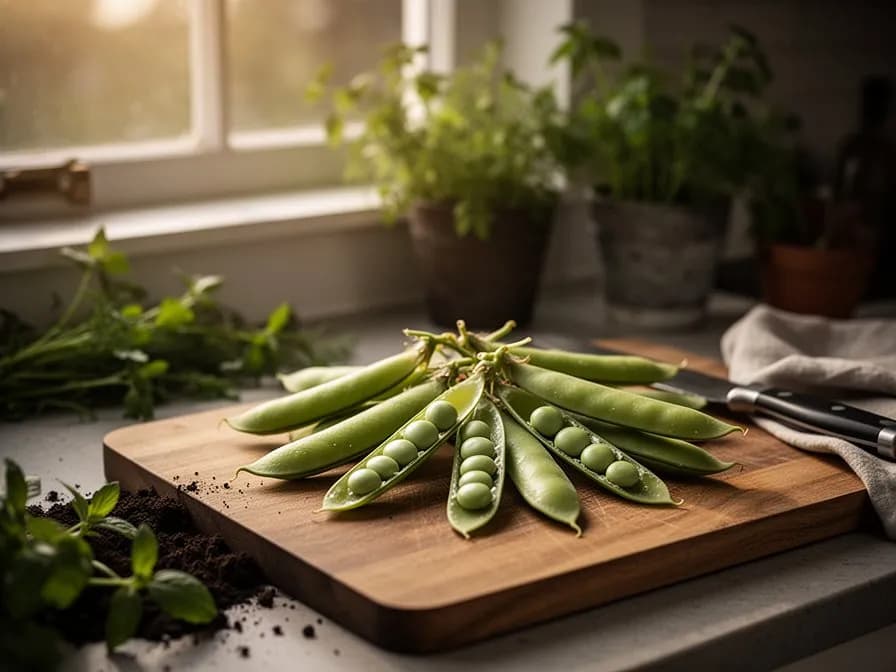
Südstaatlicher Butterbohnen-Succotash
30 Min.Ein klassisches südstaatliches Sommergericht, das cremige Butterbohnen mit Zuckermais, rauchigem Speck und frischen Kräutern verbindet. Dieses jahrhundertealte Rezept hat seine Wurzeln in der Küche der Ureinwohner Amerikas und bleibt eine der beliebtesten Arten, frische Schalbohnen zu genießen.
9 ZutatenCremiger Butterbohnen-Knoblauch-Dip
15 Min.Ein samtiger, proteinreicher Dip, der Hummus an Cremigkeit und Geschmack rivalisiert. Gerösteter Knoblauch und Zitrone beleben den natürlich buttrigen Geschmack der Bohnen und machen diesen Dip zu einem beliebten Vorspeisen-Dip oder gesunden Snack, der mit warmem Pita oder Rohkost serviert wird.
8 ZutatenLangsam geschmorte Butterbohnen mit Schinkenhaxe
20 Min. (plus 3–4 Stunden Kochzeit)Das quintessenzielle südstaatliche Comfort-Food — getrocknete Butterbohnen, mit einer rauchigen Schinkenhaxe langsam geschmort, bis die Bohnen unglaublich cremig und die Brühe reich und seidig ist. Am besten über Reis oder mit heißem Maisbrot serviert.
9 ZutatenKulinarische Verwendung
Frische Butterbohnen haben eine reiche, cremige Konsistenz und einen delikaten Geschmack, den getrocknete Versionen nicht erreichen können. Mit geräuchertem Schinkenhaxen für klassischen südstaatlichen Succotash köcheln. Blanchierte Bohnen mit Olivenöl, Zitrone und Kräutern für einen leichten Salat vermengen. Zu Suppen und Eintöpfen geben, wo sie die Brühe wunderbar eindicken. Gekochte Bohnen mit Knoblauch und Olivenöl zu einem Aufstrich pürieren. Sie passen hervorragend zu Mais, Tomaten und Speck.
Was drinsteckt
Gesundheitsvorteile
- Butterbohnen sind eine hervorragende Quelle pflanzlichen Proteins mit 8 g pro 100 g gekocht und liefern essenzielle Aminosäuren, die Getreide ergänzen — zusammen bilden Bohnen und Reis ein vollständiges Protein, das Fleisch in der Ernährungsqualität ebenbürtig ist.
- Außergewöhnlich reich an löslichen und unlöslichen Ballaststoffen (7 g pro 100 g gekocht), die die Verdauungsregelmäßigkeit unterstützen, nützliche Darmbakterien ernähren und helfen, LDL-Cholesterin durch Gallensäurebindung im Darm zu senken.
- Reich an Kalium (508 mg pro 100 g gekocht) und natriumarm unterstützen Butterbohnen eine gesunde Blutdruckregulierung — ein Ernährungsmuster, das in großen Bevölkerungsstudien mit deutlich reduziertem Herzkreislauf-Erkrankungsrisiko verbunden ist.
- Ausgezeichnete Quelle von Folat (B9) mit etwa 25 % des Tageswertes pro Portion. Folat ist essenziell für die DNA-Synthese, die Bildung roter Blutkörperchen und ist besonders wichtig in der frühen Schwangerschaft zur Vorbeugung von Neuralrohrdefekten.
- Enthalten bedeutende Mengen an Eisen, Magnesium und Mangan — Mineralstoffe, die für den Sauerstofftransport, den Energiestoffwechsel, die Knochengesundheit und die antioxidative Enzymfunktion im gesamten Körper essenziell sind.
- Butterbohnen haben einen niedrigen glykämischen Index trotz ihres Stärkegehalts, was bedeutet, dass sie Glukose langsam in den Blutkreislauf abgeben. Diese anhaltende Energiefreisetzung hilft, den Blutzuckerspiegel zu regulieren und fördert das Sättigungsgefühl, was sie vorteilhaft für das Gewichtsmanagement und die Diabetesprävention macht.
Woher Butterbohne stammt
Die Butterbohne (Phaseolus lunatus) stammt aus Amerika mit zwei unabhängigen Domestizierungszentren. Der großsamige Typ — den Südstaatler als Butterbohne bezeichnen — wurde zuerst in Peru um 6000 v. Chr. kultiviert, während eine kleinsamige Sorte in Mesoamerika um 800 n. Chr. domestiziert wurde. Archäologische Funde aus peruanischen Küstenstätten zeigen wunderschön dekorierte Limabohnenhülsen in antiker Moche-Keramik, was darauf hindeutet, dass die Pflanze neben ihrer ernährungsphysiologischen auch kulturelle Bedeutung hatte. Das Inka-Reich stützte sich stark auf diese großen, stärkehaltigen Bohnen als Proteingrundlage, die getrocknet und jahrelang gelagert werden konnte.
Spanische Konquistadoren begegneten der Bohne in Lima, Peru, im frühen 16. Jahrhundert und brachten sie nach Europa zurück, wo sie zunächst 'Limabohne' nach der Stadt ihrer Entdeckung genannt wurde. Von Spanien aus verbreitete sich die Bohne über Handelsrouten nach Afrika, Asien und auf die Philippinen. In Westafrika wurde sie eine wichtige Kulturpflanze und wurde von versklavten Afrikanern in den amerikanischen Süden gebracht, wo sie sich mit indigenen Bohnenanbautraditionen vermischte. Das warme, feuchte Klima des südöstlichen Teils der USA erwies sich als ideal, und die große, cremig-texturierte Sorte wurde lokal als 'Butterbohne' bekannt — ein Name, der ihren reichen, buttrigen Geschmack und ihre glatte, stärkehaltige Konsistenz beim Kochen widerspiegelt.
Butterbohnen wurden zu einem Eckpfeiler der südstaatlich-amerikanischen Küche, erschienen in Succotash (adaptiert vom Narragansett-Wort 'msickquatash'), langsam geschmort mit Schinkenhaxen und durch Trocknen für den ganzjährigen Gebrauch haltbar gemacht. Während des Bürgerkriegs waren sie eine wichtige Subsistenzkultur. Heute sind die USA nach wie vor ein bedeutender Produzent mit erheblichem Anbau in Kalifornien, Delaware und im gesamten Südosten. Weltweit sind Myanmar, Madagaskar und Peru die größten Produzenten. Moderne Sorten umfassen kompakte Strauchtypen für kleine Gärten und hitzetolerante Sorten, die für das sich erwärmende Klima gezüchtet wurden, aber der wesentliche Charakter der Butterbohne — eine proteinreiche, bodenverbessernde, lang haltbare Hauptnahrungsmittel — bleibt dieselbe Eigenschaft, die sie für Zivilisationen seit acht Jahrtausenden unverzichtbar gemacht hat.
Butterbohne: Schon gewusst?
Faszinierende Fakten über Butterbohne
Butterbohnen und Limabohnen sind dieselbe Art (Phaseolus lunatus) — 'Butterbohne' ist der traditionelle Name im Süden der USA für die größeren, cremigeren Sorten, während 'Limabohne' andernorts breiter verwendet wird und nach Lima, Peru, benannt ist, wo spanische Entdecker die Pflanze in den 1500er Jahren erstmals antrafen.
Butterbohne: Fragen & Antworten
Wann sollte ich Butterbohne pflanzen?
Was sind gute Begleitpflanzen für Butterbohne?
In welchen Winterhärtezonen kann Butterbohne wachsen?
Wie viel Sonne braucht Butterbohne?
Welchen Abstand sollte ich zwischen Butterbohne lassen?
Welche Schädlinge und Krankheiten befallen Butterbohne?
Wie lagere ich Butterbohne nach der Ernte?
Was sind die besten Butterbohne-Sorten zum Anbauen?
Welchen Boden braucht Butterbohne?
Was ist der Unterschied zwischen Butterbohnen und Limabohnen?
Warum blühen meine Butterbohnenpflanzen, setzen aber keine Hülsen an?
Kann ich Butterbohnen roh essen oder müssen sie gekocht werden?
Soll ich Strauch- oder Stangen-Butterbohnensorten anbauen?
Wie lagere ich Butterbohnensamen für das nächste Jahr?
Fixieren Butterbohnen Stickstoff und verbessern den Boden?
Du hast die Theorie gelesen. Jetzt baue sie auf Autopilot an.
Alles, was Butterbohne knifflig macht — das Timing, die Abstände, die Begleiter, das Erntefenster — genau das übernimmt PlotMyGarden für dich, für jede Pflanze im Garten.
Ein Plan, der dein Wetter kennt
Standort einmal festlegen. Aussaat-, Dünge- und Erntedaten rund um deinen echten letzten Frosttermin und die Live-Vorhersage — kein Raten mehr nach Saattüte.
Aus dem Abschnitt „Pflanzzeit“Beetplaner per Drag & Drop
Beete auf einem Raster gestalten. Jede Pflanze rastet im richtigen Abstand ein, und du siehst die ganze Saison, bevor du einen Cent für Saatgut ausgibst.
Aus dem Abschnitt „Anbau“Begleiter-Konflikte früh erkannt
Über 200 gute und schlechte Kombinationen werden beim Pflanzen live geprüft — so landet ein saisonruinierender Fehler nie in der Erde.
Aus dem Abschnitt „Begleiter“Erinnerungen, nach denen du wirklich handelst
„Gieß die Bohnen.“ „Heute ernten, bevor's umschlägt.“ Pünktlich, konkret und auf deine echten Pflanzen bezogen.
Aus dem Abschnitt „Ernte“Staffel-Aussaat, geplant
Sechs Wochen ernten statt sechs Tage? Die App verteilt deine Aussaaten automatisch und erinnert dich, wenn der nächste Satz fällig ist.
Aus dem Abschnitt „Pflanzzeit“Ein Verlauf, der schlauer wird
Jede protokollierte Ernte bringt der App deinen Garten bei. Der Plan fürs nächste Jahr startet bei dem, was in deinem Boden wirklich funktioniert hat.
Aus dem Abschnitt „Überblick“Pflanze diese neben Butterbohne
Weitere Hülsenfrüchte
Halte Butterbohne von diesen fern
Bau deine beste Butterbohne an — und alles drumherum.
Starte heute kostenlos. Lege deine Beete an, setze deine Butterbohne ein und lass PlotMyGarden Timing, Abstände, Begleiter und Erinnerungen von der Saat bis zum Erntekorb übernehmen.