Frijol Negro
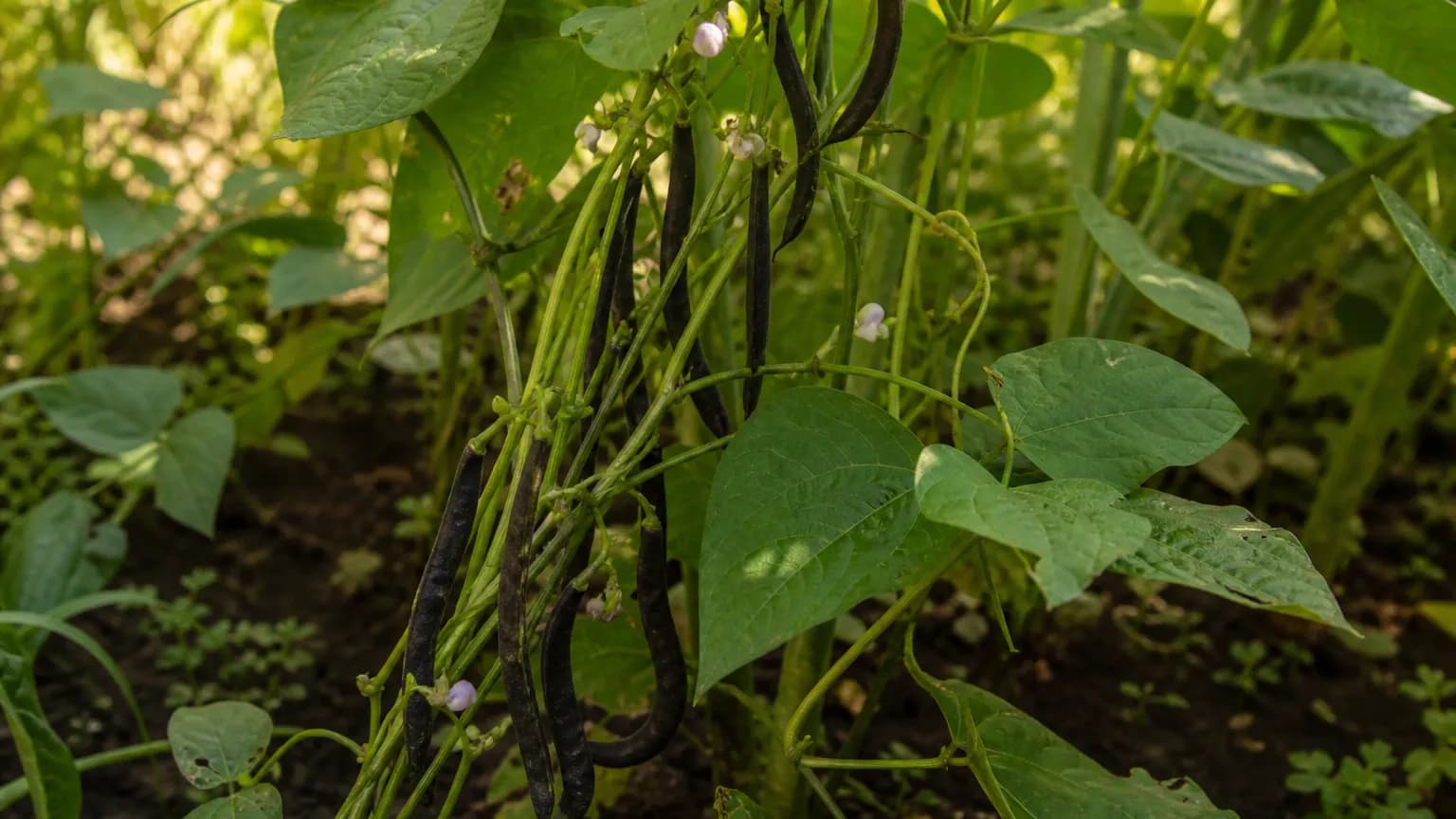
El frijol negro (Phaseolus vulgaris) es una leguminosa fundamental de la cocina latinoamericana, con semillas ovaladas de color negro brillante y pulpa cremosa.





En esta páginaResumen
Conoce Frijol Negro
El frijol negro (Phaseolus vulgaris) es una leguminosa fundamental de la cocina latinoamericana, con semillas ovaladas de color negro brillante y pulpa cremosa. Originario de América Central y México, es una fuente excepcional de proteínas, fibra y hierro, y es el ingrediente principal de platos icónicos como los frijoles negros cubanos, la feijoada brasileña y las sopas centroamericanas.
Cuándo plantar Frijol Negro
Siembre directamente en el suelo cuando la temperatura supere 16 °C. No trasplanta bien. Plante a 3-5 cm de profundidad. Inocule con Rhizobium. Germinación en 7-10 días. No remoje las semillas, ya que pueden agrietarse.
Tu año de Frijol Negro
Ajustado a Zona 7 · temporada típica · la helada se va hacia el 2 abr y vuelve hacia el 1 nov
Planta Frijol Negro May – Jun y cosecha Ago – Oct. Consulta los métodos de plantación y elige tu clima para adaptar los periodos.
Cómo cultivar Frijol Negro
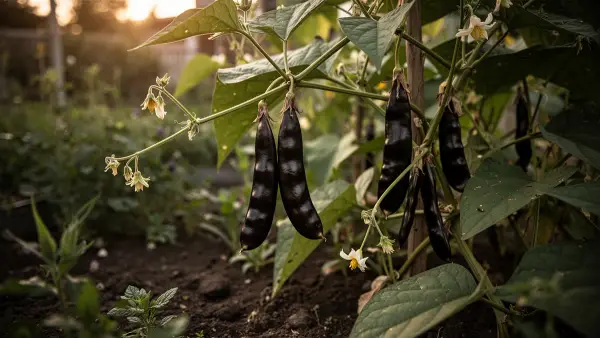
Siembre directamente cuando la temperatura del suelo supere 16 °C y haya pasado todo riesgo de helada. Plante las semillas a 3-5 cm de profundidad, espaciando 10-15 cm entre plantas en filas de 45-60 cm para variedades arbustivas, o 15-20 cm para variedades trepadoras con soporte.
Las variedades arbustivas son compactas (40-50 cm) y no necesitan soporte, mientras que las trepadoras alcanzan 2-3 metros y requieren tutores o enrejados. Riegue regularmente con 2,5 cm semanales, especialmente durante la floración y formación de vainas. Evite mojar las hojas.
Como leguminosa, el frijol negro fija su propio nitrógeno y no necesita fertilización nitrogenada. Aplique un abono bajo en nitrógeno y rico en fósforo y potasio al inicio de la floración. Mantenga el suelo limpio de malas hierbas con acolchado orgánico.
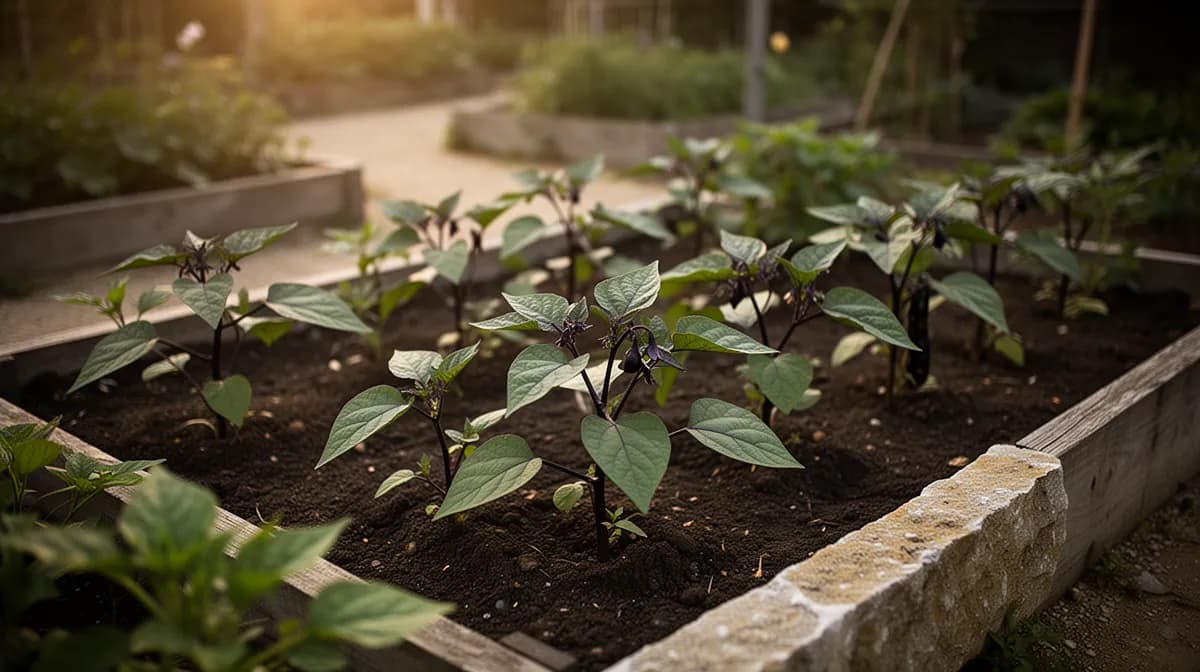
288 plantas caben en un bancal de 120 × 240 cm
Cada Frijol Negro pide 10 cm de margen. El planificador guarda ese marco por ti — cada planta, cada bancal.
Los mejores vecinos de Frijol Negro
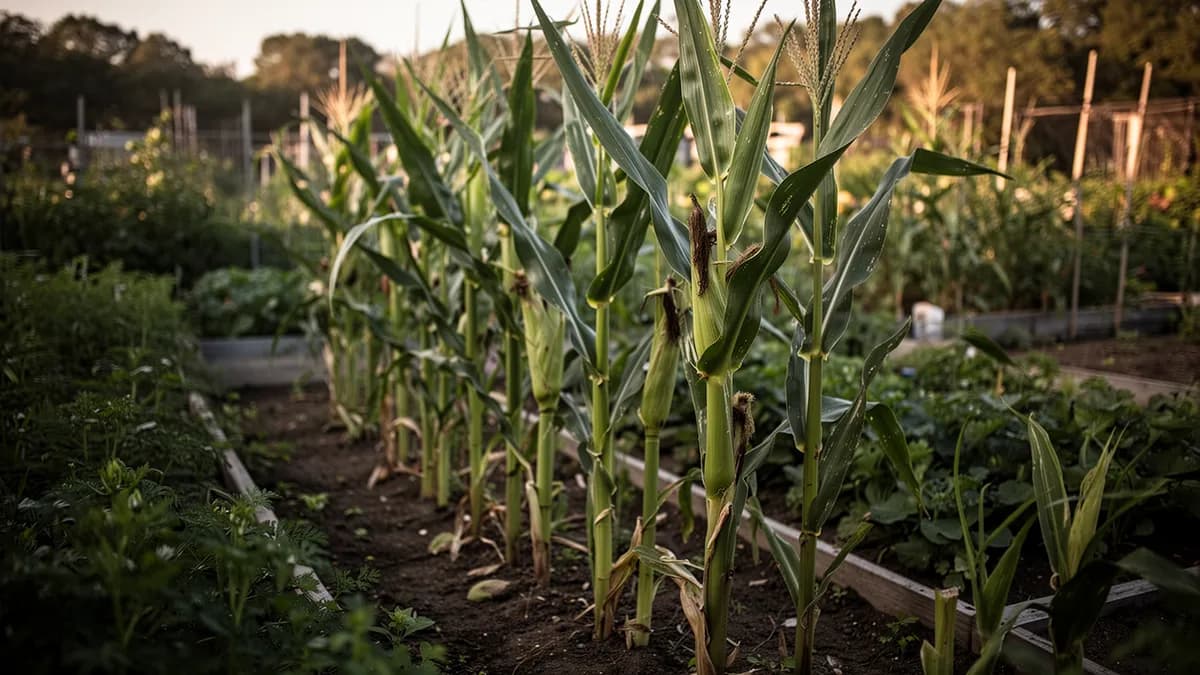
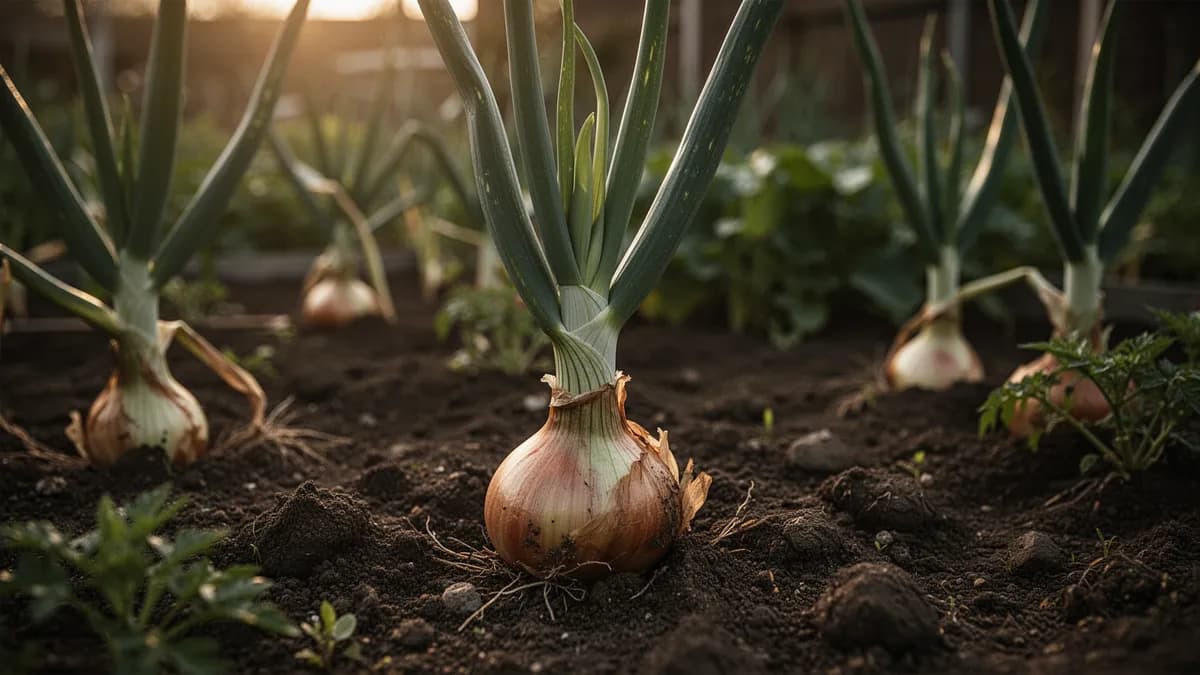
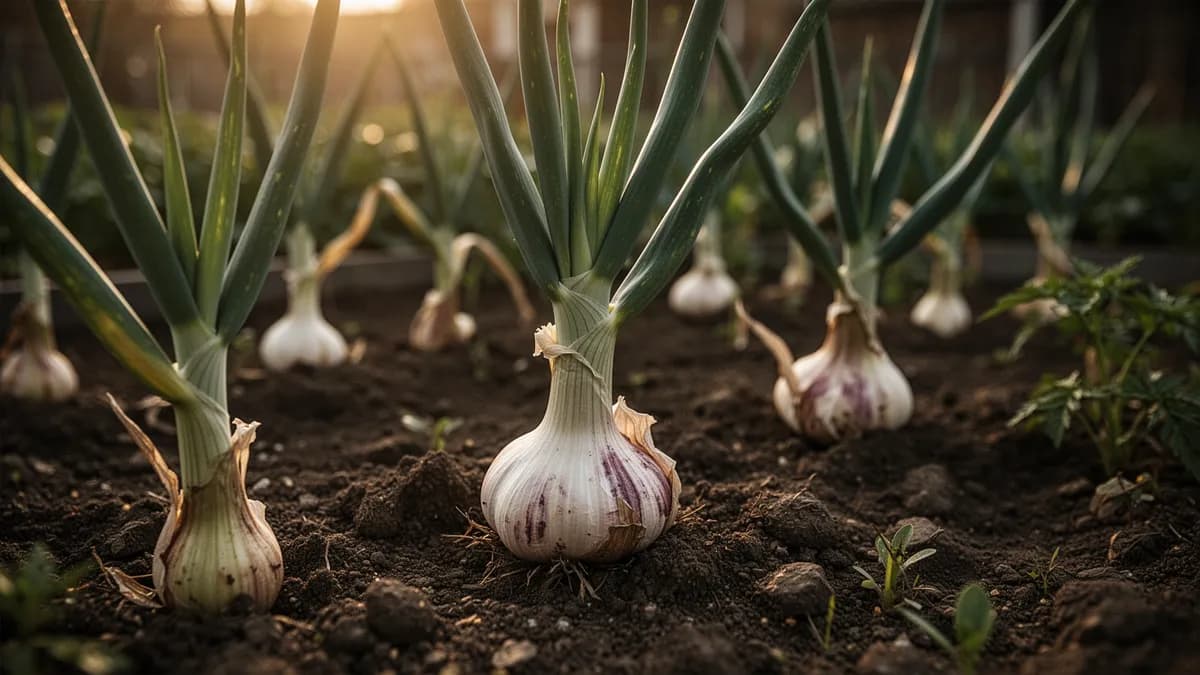
Los frijoles crecen excelentemente con maíz (que sirve como tutor) y calabazas en la milpa tradicional mesoamericana. Las patatas y las remolachas son buenos compañeros. Evite plantar junto a ajos, cebollas y hinojos que inhiben su crecimiento.
Maíz va a su lado. Cebolla no.
Saber de huerto de siempre, cotejado con la tabla real de Frijol Negro — prueba cualquier planta que cultives.
Prueba Frijol Negro en un bancal, aquí mismo
Un bancal real del planificador con Frijol Negro ya plantado. Toca una planta compañera para colocarla y mira cómo responde la comprobación de vecinos: verde para buenos vecinos, rojo si hay conflicto.


Guías de cultivo relacionadas
Abónalo bien
Suelos bien drenados con pH 6,0-7,0. Como leguminosa fija nitrógeno; no aplique fertilizante nitrogenado. Use abono rico en fósforo y potasio. Inocule las semillas con Rhizobium para mejorar la fijación de nitrógeno si es la primera vez que cultiva leguminosas en ese suelo.
Temperatura ideal
Compatibilidad de zonas de rusticidad
De la semilla a la cosecha, etapa por etapa
Germinación
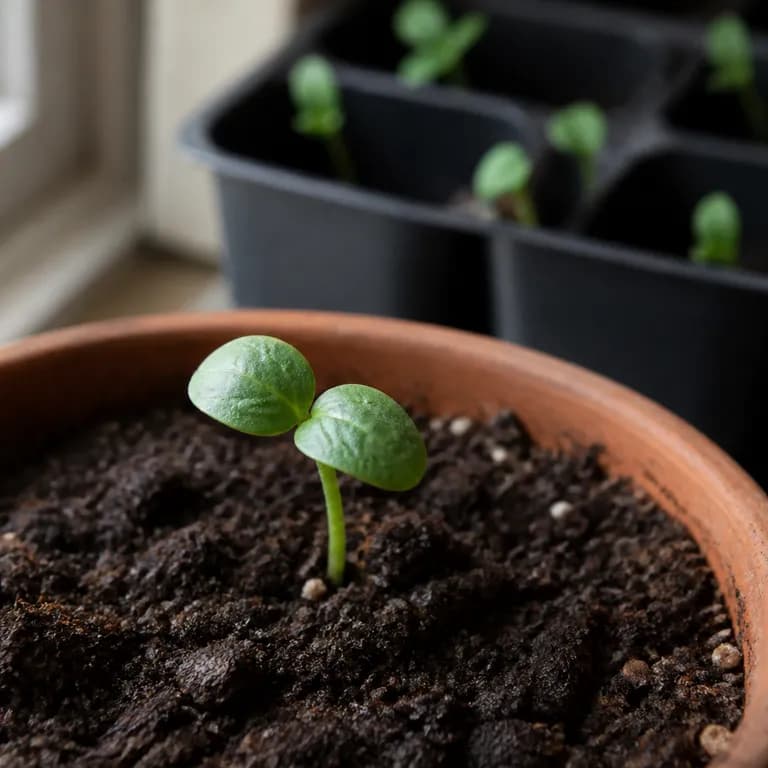
Las semillas se hinchan y envían una radícula al suelo, seguida de un hipocótilo que porta los cotiledones.
Desarrollo de plántula
Se despliegan las hojas trifoliadas y comienzan a formarse los nódulos de la raíz a medida que las bacterias Rhizobium colonizan las raíces y fijan nitrógeno.
Crecimiento vegetativo
Las plantas alcanzan 45-60 cm de altura y sus nódulos fijadores de nitrógeno están completamente activos.
Floración y formación de vainas
Aparecen flores blancas a violeta pálido en racimos y se autopolinan; cada flor se convierte en una vaina con 5-8 semillas.
Llenado de vainas
Las vainas se hinchan a medida que se desarrollan las semillas y las plantas amarillean cuando la energía se destina al llenado de la semilla.
Secado y cosecha
Las vainas se vuelven marrones y papiráceas, la planta pierde las hojas y la cosecha se realiza cuando la mayoría de las vainas están secas.
No remojes las semillas, porque las cubiertas de las semillas de frijol negro se agrietan con facilidad. Inocular con Rhizobium al sembrar.
Cuidar Frijol Negro mes a mes
Qué hacer cada mes para tu Frijol Negro
Octubre
Mes actualDry to below 12% moisture. Store in airtight containers.
Ten claro qué hacer en tu huerto, cada mes
Un correo al empezar cada mes: qué sembrar, plantar y hacer ahora mismo — para tu Frijol Negro y todo lo que crece alrededor. Más un breve curso inicial para esquivar los errores clásicos.
- Qué hacer ahora mismo
- Ajustado a tu temporada
- Curso inicial incluido
Cosechar Frijol Negro
Para frijoles secos, deje que las vainas maduren y se sequen completamente en la planta hasta que se tornen marrones y crujientes, unos 90-110 días tras la siembra. Coseche antes de que las vainas se abran y dispersen los granos. Para frijoles frescos (ejotes), coseche las vainas verdes y tiernas a los 60-70 días.
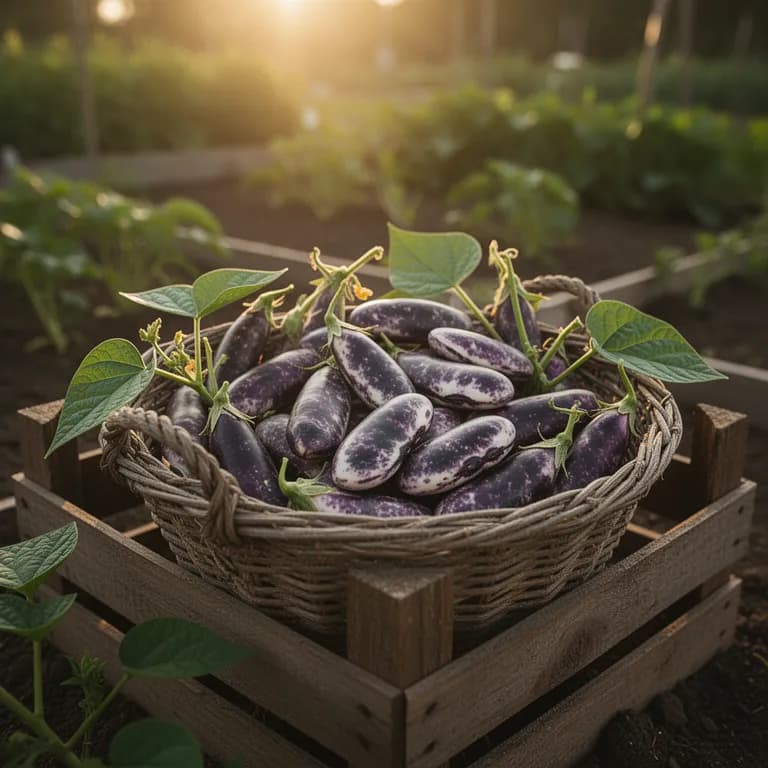
se supone que plantas al comenzar el periodo — indica tu fecha real
85-100 días desde la siembra, cuando las vainas estén marrones y comiencen a secarse.
Almacenamiento y conservación
Los frijoles negros secos se conservan en recipientes herméticos en lugar fresco y seco durante 1-2 años. Para granos recién cosechados, seque al sol hasta que la humedad sea inferior al 12%. Los frijoles cocidos se congelan excelentemente en porciones durante 6 meses.
Qué falla — y cómo solucionarlo
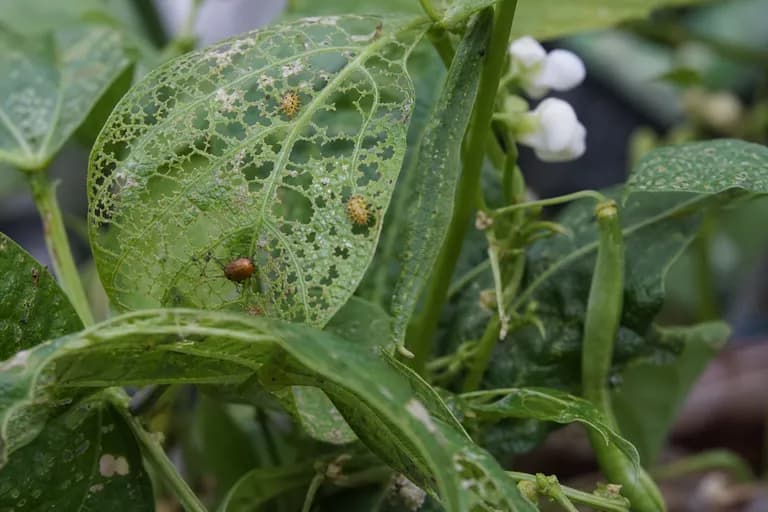
Gorgojo del frijol (Acanthoscelides obtectus)
PlagaAgujeros redondos en los granos almacenados, polvo fino y presencia de pequeños escarabajos.
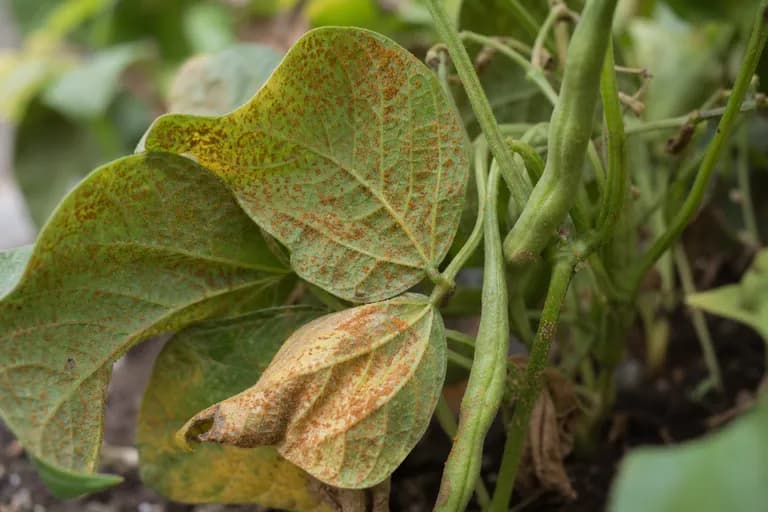
Antracnosis (Colletotrichum lindemuthianum)
EnfermedadManchas oscuras hundidas en vainas con centros rosados, lesiones en hojas y tallos.
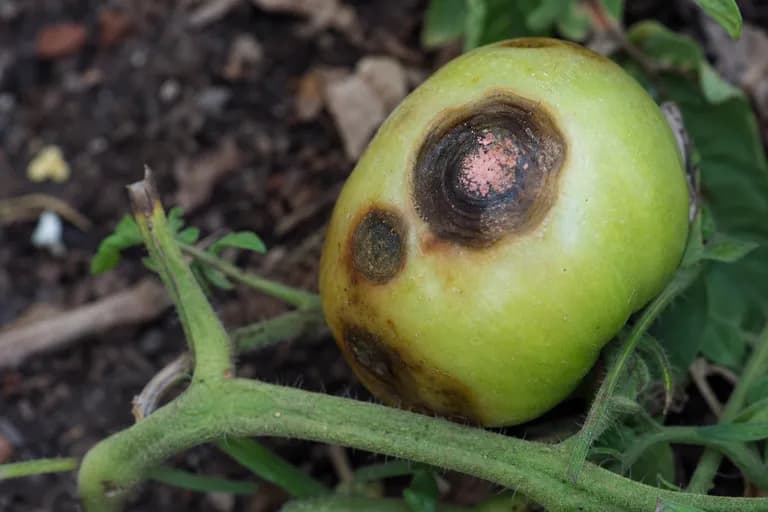
Mosca blanca (Bemisia tabaci)
PlagaMoscas blancas bajo hojas, amarillamiento, debilitamiento y transmisión de virus.
Solución de problemas comunes
Los frijoles no toleran heladas ni suelos fríos; la siembra prematura causa pudrición de semillas. Las hojas mojadas favorecen enfermedades fúngicas, así que riegue siempre en la base. Los gorgojos pueden destruir la cosecha almacenada si no se seca y almacena correctamente.
Consejos de cultivo
- Always direct-sow — never start indoors due to fragile taproots.
- Inoculate with fresh Rhizobium annually for optimal nitrogen fixation.
- Do not soak seeds — coats crack easily, inviting pathogens.
- No nitrogen fertilizer — it suppresses beneficial root nodules.
- Reduce irrigation as pods dry to prevent fungal disease.
- Plant in blocks for better pollination and wind support.
- Never work among wet plants — diseases spread on water droplets.
- Save seeds from best plants — self-pollinating, true to type.
Cultiva tu mejor Frijol Negro — y todo lo que la rodea.
Empieza un plan gratis hoy. Diseña tus bancales, coloca tu Frijol Negro y deja que PlotMyGarden gestione el momento, el espaciado, las asociaciones y los recordatorios de la semilla a la cesta.
Elige tu Frijol Negro
Black Turtle
La variedad más común y adaptable. Granos pequeños, ovalados y negros brillantes. Sabor clásico. Madura en 90-100 días.
Zorro
Variedad mejorada con alto rendimiento y resistencia a enfermedades. Granos medianos de color negro uniforme. Madura en 85 días.
Midnight
Variedad arbustiva precoz con alto rendimiento. Granos negros brillantes de excelente sabor. Madura en 85-90 días.
Condor
Variedad semitrepadora con buena tolerancia al calor y la sequía. Granos grandes y negros. Madura en 95 días.
A $2-4 seed packet yields 2-5 kg of dried beans worth $20-80 retail. Home-grown beans have superior texture and flavor. Nitrogen fixation saves on fertilizer for subsequent crops.
Recetas rápidas
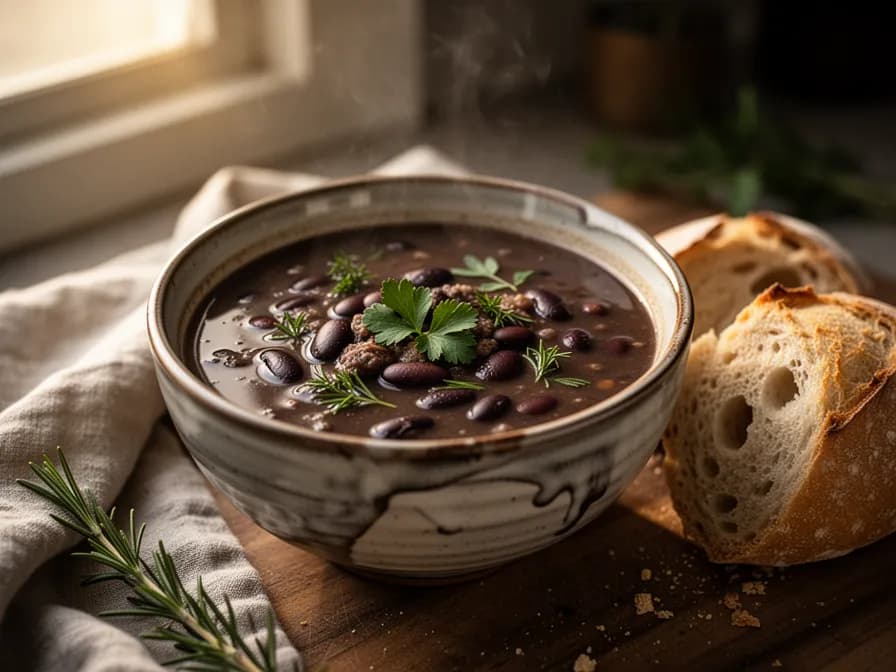
Classic Cuban Black Beans
45 min (plus soak)Slow-simmered in sofrito of onion, garlic, green pepper, and cumin — served over white rice.
10 ingredientesSmoky Black Bean Burgers
30 minHearty vegetarian burgers with smoked paprika, cumin, and chipotle.
9 ingredientesBlack Bean Corn Salad
15 minBright salad with corn, peppers, and lime-cilantro dressing.
9 ingredientesUsos culinarios
Los frijoles negros son la base de la cocina latinoamericana: se preparan refritos en México, en sopa negra cubana, en feijoada brasileña, en gallo pinto costarricense y como acompañamiento de arroz. También se usan en hamburguesas vegetarianas, ensaladas, tacos, burritos y como relleno de empanadas.
Qué contiene
Beneficios para la salud
- High fiber (8.7g/100g, 35% DV) supports digestion and weight management.
- Anthocyanin antioxidants linked to reduced inflammation and cardiovascular health.
- Complete protein when combined with rice — foundation of Latin American diets.
- Rich folate (37% DV) critical for pregnancy and cardiovascular health.
- Low glycemic index (~30) supports blood sugar control.
- Good iron (12% DV) and magnesium (17% DV) — enhanced by vitamin C pairing.
De dónde viene Frijol Negro
Black beans originated in Mesoamerica approximately 7,000 years ago. The Aztec, Maya, and other peoples grew them with corn in the milpa system — a polyculture providing complete protein. Spanish and Portuguese colonizers spread them worldwide in the 16th century. They became essential in Caribbean, Central American, and Brazilian cuisines. Today grown commercially across Latin America, the US, China, and Myanmar, with global production exceeding 7 million tonnes annually.
Frijol Negro: ¿sabías que?
Datos fascinantes sobre Frijol Negro
Cultivated in the Americas for over 7,000 years — among the earliest New World domesticated crops.
Frijol Negro: preguntas frecuentes
¿Cuándo debo plantar Frijol Negro?
¿Cuáles son buenas plantas acompañantes para Frijol Negro?
¿En qué zonas de rusticidad puede crecer Frijol Negro?
¿Cuánto sol necesita Frijol Negro?
¿A qué distancia debo espaciar Frijol Negro?
¿Qué plagas y enfermedades afectan a Frijol Negro?
¿Cómo almaceno Frijol Negro después de la cosecha?
¿Cuáles son las mejores variedades de Frijol Negro para cultivar?
¿Qué suelo necesita Frijol Negro?
How many plants for a useful harvest?
Can I eat them fresh?
Lush plants but few pods?
How dry is dry enough?
Need crop rotation?
Are raw beans toxic?
Acabas de leer la teoría. Ahora cultívala en piloto automático.
Todo lo que hace que Frijol Negro sea delicado — el momento, el espaciado, las asociaciones, la ventana de cosecha — es justo lo que PlotMyGarden resuelve por ti, para cada planta de tu huerto.
Un plan que conoce tu clima
Indica tu ubicación una vez. Recibe fechas de siembra, abonado y cosecha basadas en tu última helada real y el pronóstico en vivo — sin adivinar con un sobre genérico.
De la sección “Cuándo plantar”Planificador de bancales de arrastrar y soltar
Diseña bancales sobre una cuadrícula. Cada planta encaja con su espaciado correcto y ves toda la temporada antes de gastar un céntimo en semillas.
De la sección “Cultivo”Conflictos de asociación, detectados a tiempo
Más de 200 buenas y malas combinaciones comprobadas en vivo mientras plantas — para que un error que arruine la temporada nunca llegue a la tierra.
De la sección “Asociaciones”Recordatorios que sí vas a seguir
“Riega las judías.” “Recoge hoy antes de que se pase.” Oportunos, concretos y ligados a las plantas que de verdad cultivas.
De la sección “Cosecha”Escalonado, programado
¿Quieres cosechar seis semanas en vez de seis días? Reparte tus siembras automáticamente y te avisa cuando toca el siguiente lote.
De la sección “Cuándo plantar”Un registro que se vuelve más listo
Cada cosecha que registras le enseña tu huerto. El plan del año que viene parte de lo que de verdad funcionó en tu suelo, no en un manual.
De la sección “Resumen”Planta estos junto a Frijol Negro
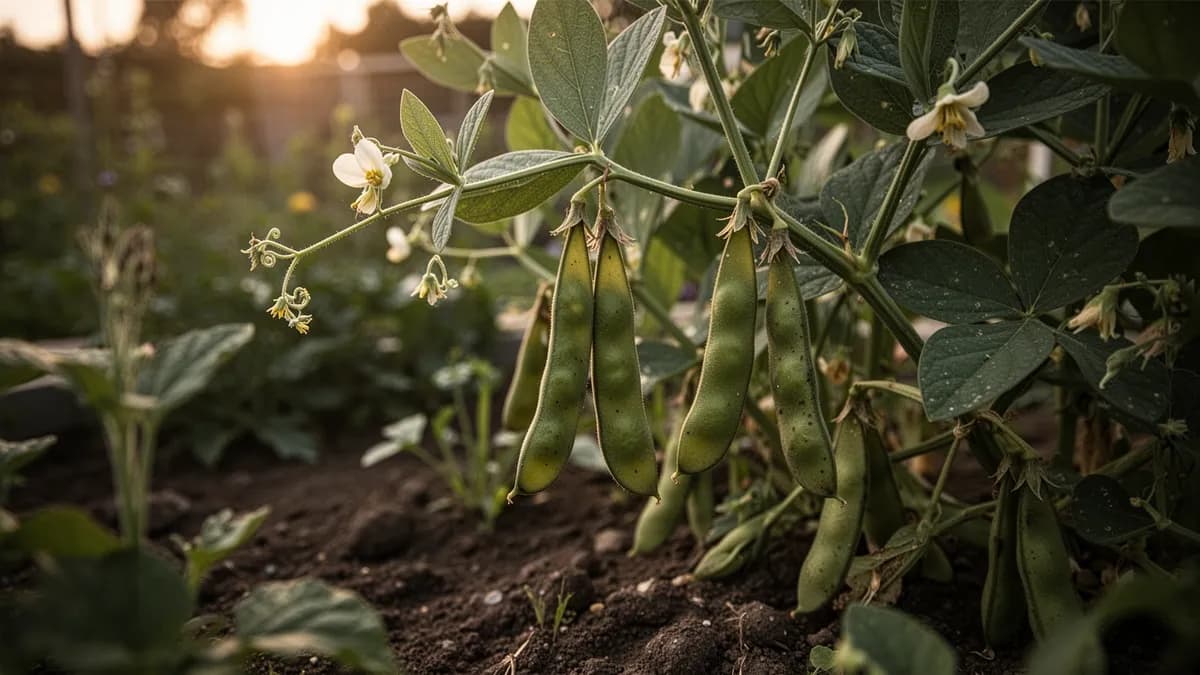
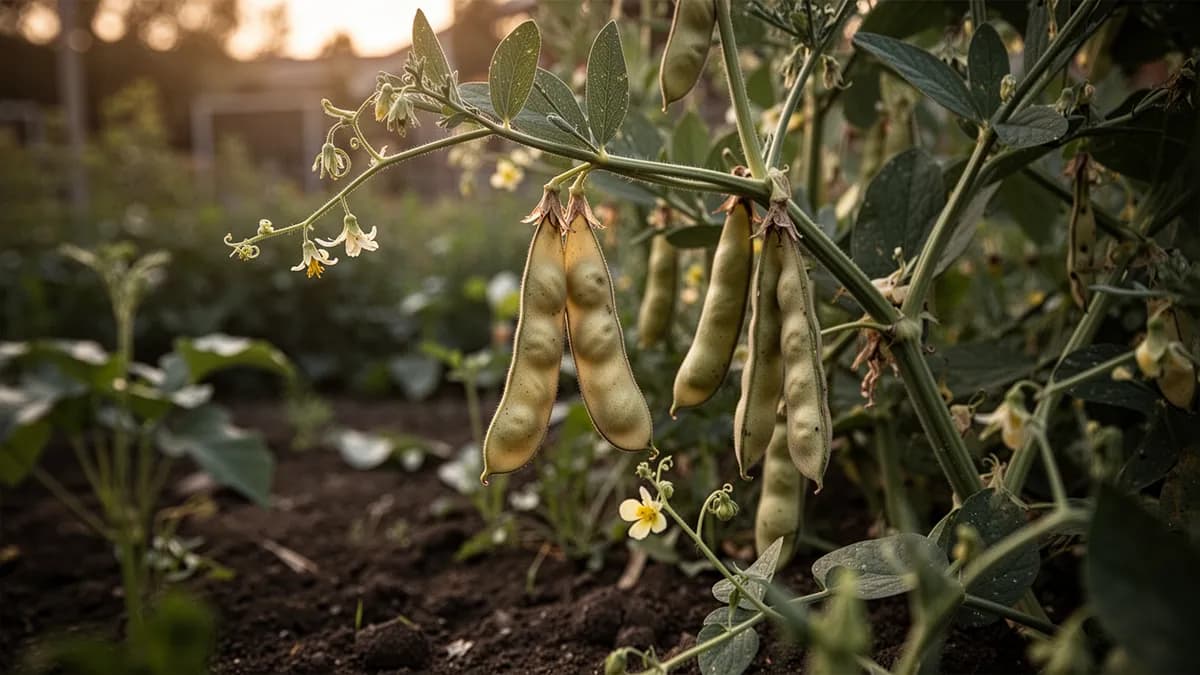
Más Legumbres
Mantén Frijol Negro lejos de estos
Cultiva tu mejor Frijol Negro — y todo lo que la rodea.
Empieza un plan gratis hoy. Diseña tus bancales, coloca tu Frijol Negro y deja que PlotMyGarden gestione el momento, el espaciado, las asociaciones y los recordatorios de la semilla a la cesta.