Bergamot Orange
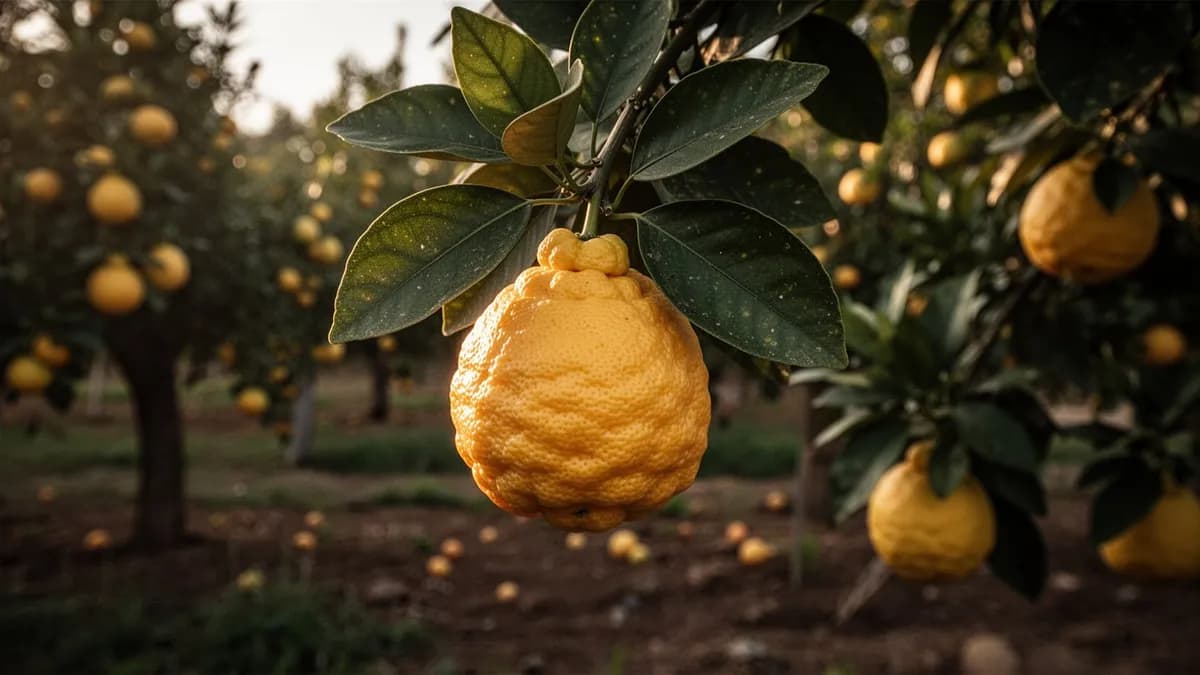
The citrus responsible for the distinctive flavor of Earl Grey tea, grown primarily for its intensely fragrant rind oil.





On this pageOverview
Meet Bergamot Orange
The citrus responsible for the distinctive flavor of Earl Grey tea, grown primarily for its intensely fragrant rind oil. Bergamot oranges are not eaten fresh due to their bitter, sour flesh, but the essential oil is prized in perfumery and culinary applications. They grow best in the specific microclimate of Calabria, Italy, but can be container-grown elsewhere.
When to plant Bergamot Orange
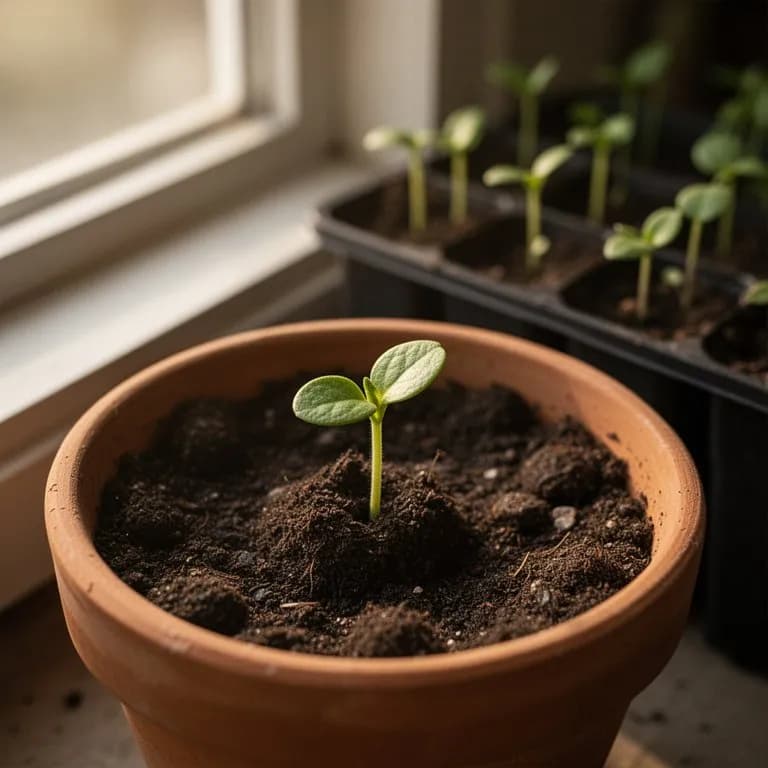
Bergamot can be grown from seed, though seedlings are variable and may take eight to twelve years to fruit. For reliable fruit quality, purchase grafted trees on Sour Orange or Carrizo citrange rootstock. Grafted trees typically fruit in four to five years. To grow from seed for curiosity or rootstock, plant fresh seeds one inch deep in moist potting mix, keep warm at 75 to 85 degrees, and expect germination in three to six weeks. Seedling trees may have different oil composition than the parent.
Your Bergamot Orange Year
Composed for Zone 7 · typical seasons · frost passes Apr 2, returns Nov 1
Plant Bergamot Orange Mar – May, pick Jan – Feb, Nov – Dec. Check the planting methods below and set your climate to personalize these windows.
How to grow Bergamot Orange
Bergamot oranges grow best in USDA zones 9 through 11 with a Mediterranean climate of warm, dry summers and mild, wet winters. The tree reaches 12 to 15 feet tall and performs best in full sun with protection from cold winds. Plant grafted trees in spring in well-drained soil, spacing 12 feet apart. The specific microclimate of Calabria, Italy produces the world's finest bergamot oil, but home gardeners can grow acceptable fruit in similar climates.
Container growing is the most practical approach for gardeners outside ideal climates. Use a 20 to 25 gallon pot with excellent drainage. Move containers indoors before frost, placing near a bright south-facing window. The tree blooms in spring with extremely fragrant white flowers that are themselves a reason to grow this citrus.
Fertilize three times per year with a balanced citrus formula. Bergamot is moderately vigorous and benefits from annual pruning to maintain shape and improve air circulation. Water consistently but allow the soil to dry slightly between irrigations. The fruit develops through summer and fall, ripening to pale yellow in November through February depending on climate.
Bergamot Orange needs more room than a 4 × 8 ft bed gives
Each Bergamot Orange wants 300 cm of elbow room. The planner keeps that spacing for you — every plant, every bed.
Bergamot Orange's best neighbours
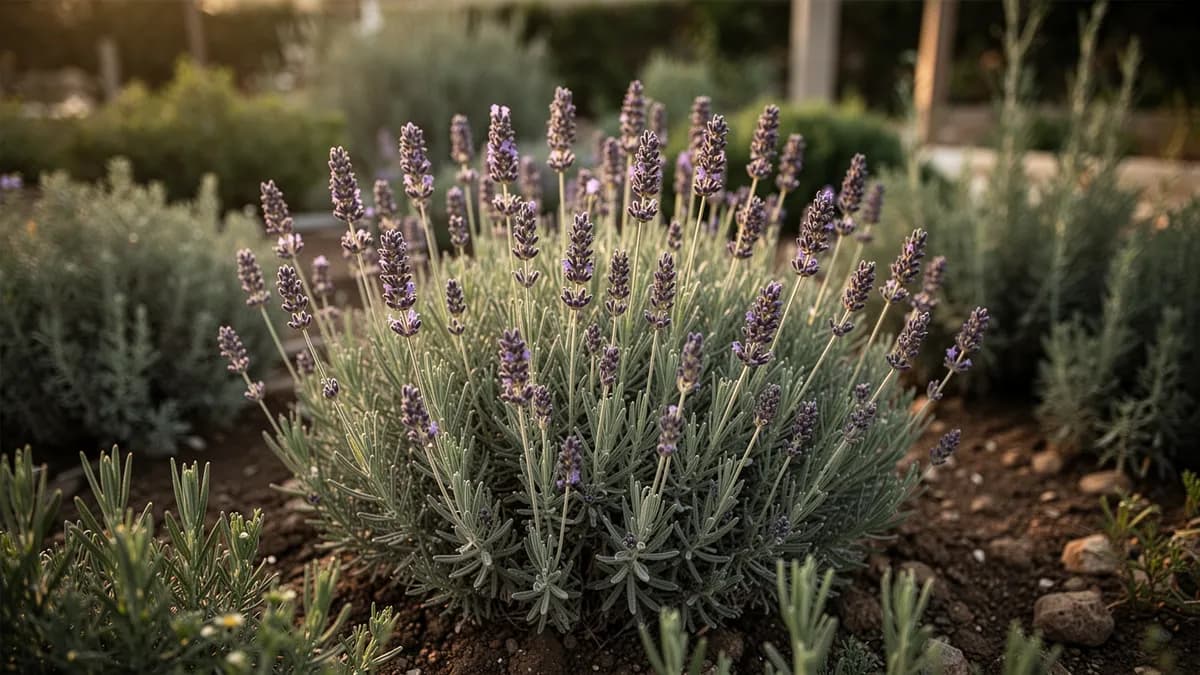
Plant bergamot near other citrus that share similar growing requirements. Aromatic herbs like lavender, rosemary, and thyme complement bergamot in mixed plantings and attract pollinators. Nitrogen-fixing ground covers such as clover improve soil fertility beneath the canopy. Nasturtiums and marigolds serve as pest deterrents. In container groupings, pair with fragrant herbs for a sensory garden experience.
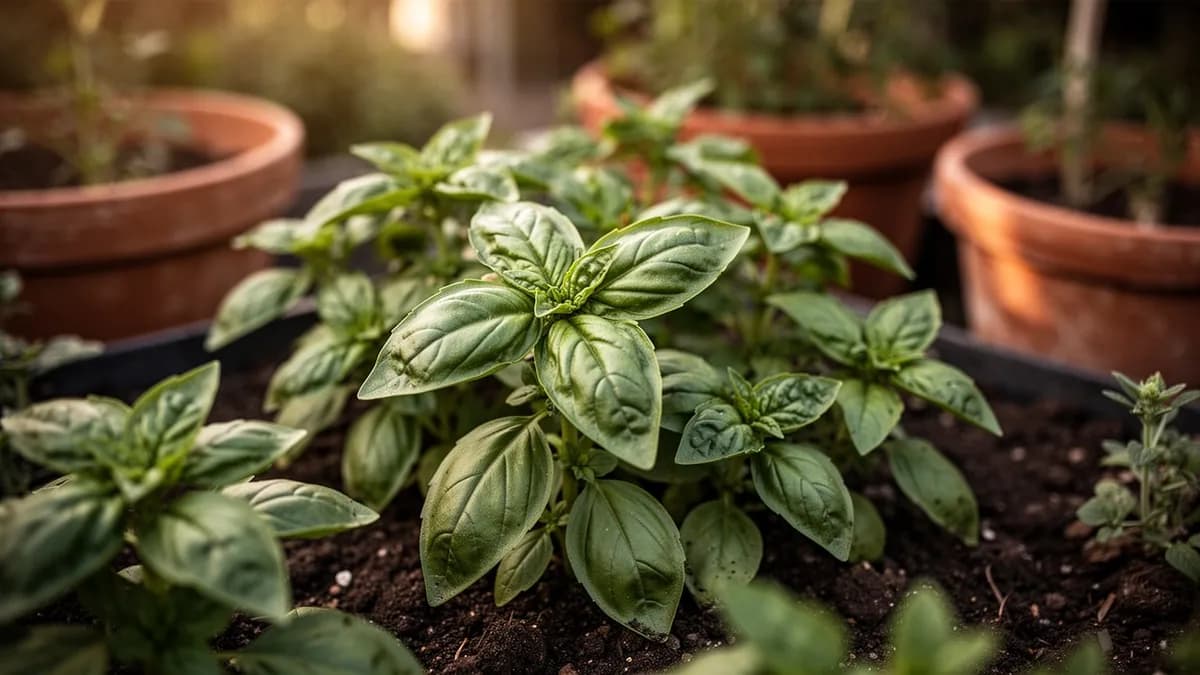
Basil belongs beside it. Walnut Tree doesn't.
Old growers' knowledge, checked against Bergamot Orange's real companion table below — test any plant you're growing.
Try Bergamot Orange in a bed — right here
A real planner bed with Bergamot Orange already in it. Tap a companion to place it and watch the pairing checks answer — green for good neighbours, red for a clash.


Related growing guides
Feed it well
Bergamot prefers well-drained, slightly acidic to neutral soil with a pH of 6.0 to 7.0. Sandy loam or loam is ideal. Avoid heavy clay that retains too much moisture. Apply a balanced citrus fertilizer three times per year. Bergamot is not excessively demanding but benefits from regular micronutrient supplementation including iron, zinc, and manganese. Organic mulch maintains soil health and moisture. For container trees, use a premium citrus potting mix and fertilize monthly during active growth.
Ideal Temperature
Hardiness Zone Compatibility
From seed to harvest, stage by stage
Propagation and Establishment
Bergamot orange trees are almost always propagated by grafting onto hardy citrus rootstock such as sour orange or trifoliate orange, or by rooting semi-hardwood cuttings. Seed propagation is unreliable as bergamot is believed to be a hybrid and does not come true from seed. Grafted nursery trees establish quickly once planted into well-drained, slightly acidic soil in a warm, sheltered site.
Juvenile Growth
During its first year, the young bergamot tree focuses energy on developing a strong root system and building a framework of primary branches. New growth flushes appear several times through the warm season, emerging with a reddish tinge before maturing to the characteristic deep, glossy green. The aromatic oils that make bergamot famous are detectable even in the young leaves when bruised.
First Flowering
Grafted bergamot trees may produce their first flowers within two to three years of planting, typically in late winter to early spring. The white, waxy, five-petaled blossoms are intensely and distinctively perfumed with the same complex floral-citrus fragrance that defines bergamot essential oil. Trees are self-fertile and will set some fruit without a pollinator, though outdoor-grown trees benefit from visiting bees.
Fruit Development
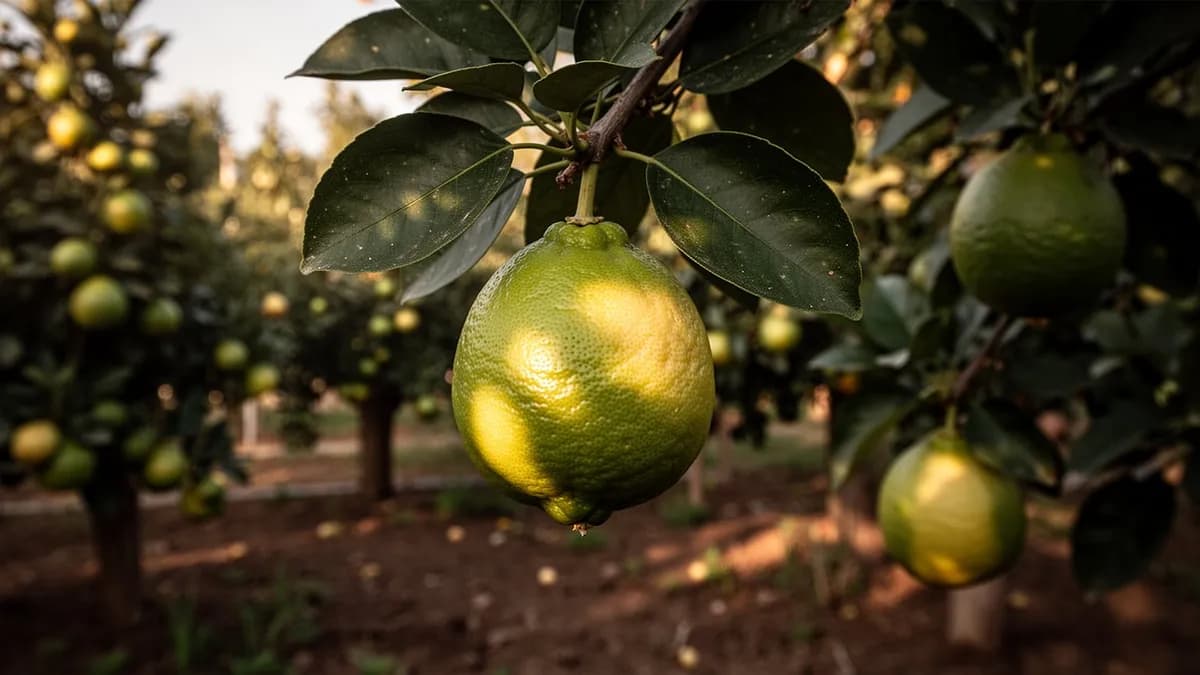
After successful pollination, small green fruitlets develop and grow slowly over a period of seven to nine months. Bergamot fruit is pear-shaped to round, reaching 6-10 cm in diameter. The thick rind develops its extraordinary concentration of essential oils as the fruit swells. Throughout this period the fruit remains a deep green, gradually lightening to yellow-green as it approaches full maturity in late autumn.
Ripening
Bergamot fruits ripen between November and March, depending on the climate. At peak ripeness the rind shifts from deep green to a warm yellow-green, and the fruit yields gently to finger pressure. The rind reaches its highest concentration of essential oil compounds including linalool, linalyl acetate, and limonene at this stage. Commercially in Calabria, fruits are harvested before full color development to maximize oil yield from the green peel.
Post-Harvest Rest and Renewal
Following the winter harvest, the bergamot tree enters a brief period of reduced activity before the next cycle of spring growth and flowering begins. This resting phase is important for the tree to restore nutrient reserves. Light pruning at this stage can shape the canopy and encourage vigorous new growth, which will carry the following season's flowers.
Purchase a grafted tree from a specialist citrus nursery. Plant in a sheltered south-facing position with at least 6 hours of direct sun daily. Water well at planting and mulch generously to conserve moisture and regulate soil temperature.
Caring for Bergamot Orange month by month
What to do each month for your Bergamot Orange
October
You are herePrepare for the approaching harvest season by ensuring all tools are clean and sharp. Apply a final potassium-rich feed. Begin monitoring fruit color closely. Set up frost protection materials so they are ready to deploy quickly if an early frost threatens.
Know exactly what to do in your garden — every month
One email at the start of each month: what to sow, plant, and tackle right now — for your Bergamot Orange and everything growing around it. Plus a short starter course that helps you dodge the classic mistakes.
- What to do, right now
- Matched to your season
- Starter course included
Harvesting Bergamot Orange
Bergamot oranges ripen from November through February, turning from green to pale yellow. For essential oil extraction, harvest when the fruit is still slightly green, as the oil content is highest at this stage. For culinary zest and marmalade, allow fruit to ripen fully to yellow. Clip fruit from the tree with pruning shears. The highly aromatic rind releases fragrant oil when scratched or cut. Handle carefully to avoid bruising the oil glands.
assuming you plant when the window opens — set your real date
Pick Bergamot Orange promptly and the plant keeps producing.
Storage & Preservation
Fresh bergamot oranges keep one to two weeks at room temperature and three weeks refrigerated. The zest freezes extremely well and retains its characteristic Earl Grey aroma. Extract the juice for cocktails and cooking, freezing in small portions. Bergamot marmalade is a sophisticated preserve. The rind can be candied for confections and chocolate. Dry strips of zest for homemade Earl Grey tea blends. Bergamot-infused sugar adds complexity to baked goods.
What goes wrong — and the fix
Citrus Scale
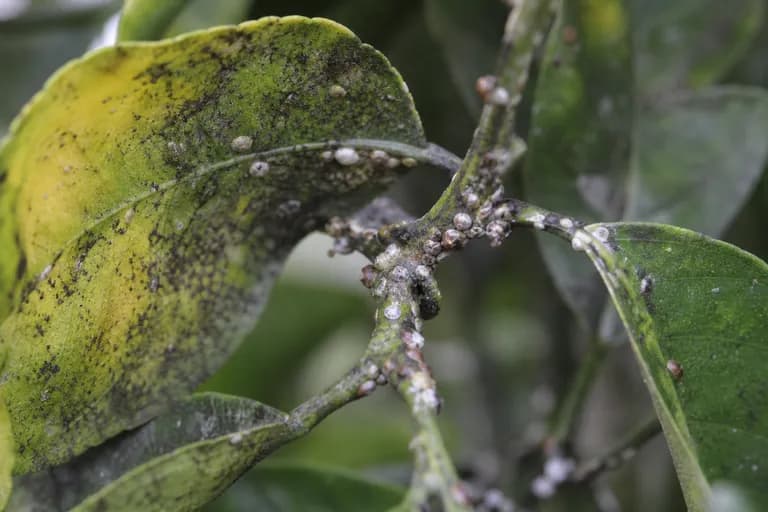
PestBrown or white waxy bumps on stems and leaves. Heavy infestations cause yellowing, leaf drop, and sooty mold from honeydew excretion.
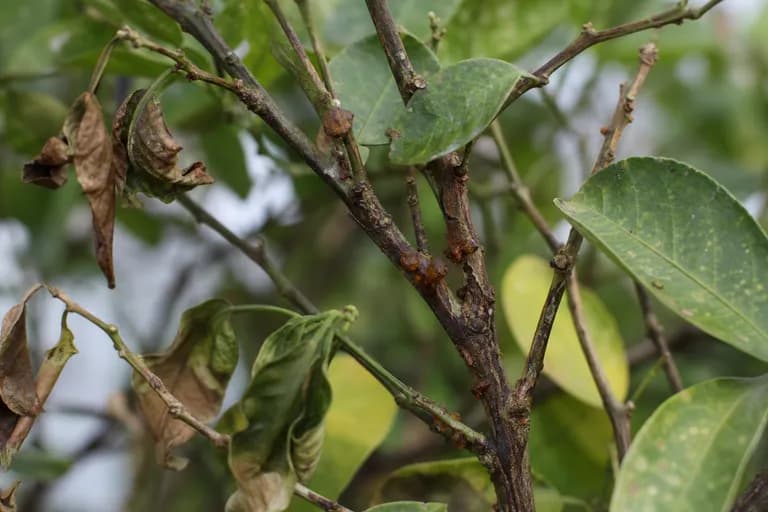
Mal Secco
DiseaseWilting and drying of branches starting from the tips, progressing downward. Bark cracks and exudes gum. Eventually fatal to susceptible citrus varieties.
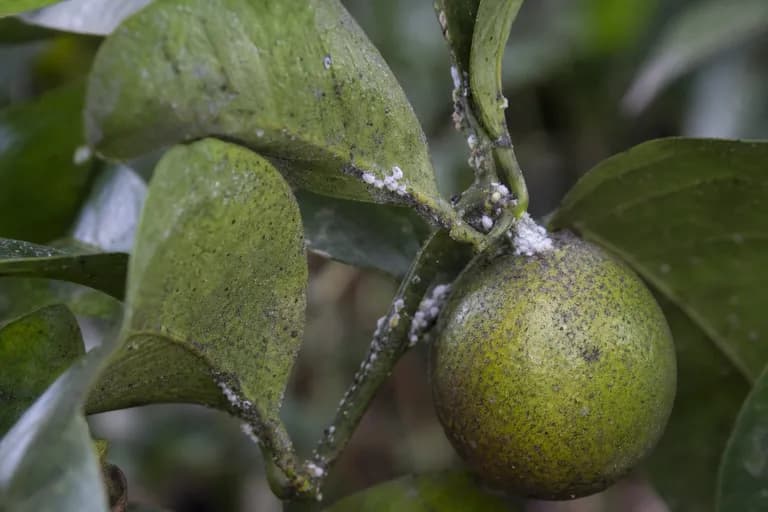
Citrus Mealybug
PestWhite, cottony masses on stems, leaf axils, and around fruit. Weakens the tree and produces honeydew that supports sooty mold growth.
Troubleshooting Common Problems
The biggest challenge with bergamot is finding the right climate, as the tree requires warm, frost-free conditions with adequate humidity. Container-grown trees may produce fewer and smaller fruits than in-ground specimens in ideal climates. The extremely bitter, sour flesh disappoints gardeners expecting a sweet eating orange. Bergamot is grown primarily for its rind oil, not fresh consumption. Cold damage from unexpected frosts can be devastating to unprotected trees.
Growing Tips
- Always source a grafted bergamot tree from a specialist citrus nursery rather than attempting to grow from seed. Bergamot is a hybrid and seed-grown trees do not reliably reproduce the parent's flavor and aromatic qualities. Grafted trees also fruit considerably earlier, typically within two to three years.
- Select the warmest, most sheltered spot in your garden, ideally a south or southwest facing wall that absorbs and radiates heat. Bergamot's Mediterranean origins mean it rewards the extra warmth a sheltered wall position provides, especially in marginal climates.
- Grow in well-draining, slightly acidic soil with a pH between 5.5 and 6.5. Bergamot is highly intolerant of waterlogged conditions and will develop root rot rapidly in poorly drained soils. In heavy clay gardens, always plant on a raised bed or generous mound amended with grit and composted bark.
- Use a citrus-specific fertilizer that includes chelated micronutrients such as iron, manganese, and zinc. General-purpose fertilizers frequently omit these trace elements, leading to interveinal chlorosis on the leaves, which is one of the most common problems home growers encounter with all citrus including bergamot.
- Reduce but do not eliminate watering during winter, particularly for container trees. Overwatering in cold, low-light conditions is more damaging than slight underwatering, as roots cannot absorb excess moisture efficiently when temperatures are low and metabolic activity has slowed.
- When growing in containers, choose a large pot of at least 40-50 liters for an established tree and use a free-draining citrus potting mix rather than standard multi-purpose compost. Repot every two to three years, moving up only one pot size at a time, to prevent the mix from staying wet for too long around the roots.
- Hand-pollinate indoor or glasshouse-grown trees during the spring flowering period using a dry, fine-tipped artist's brush. Transfer pollen between open flowers at midday when the pollen is dry and abundant. This simple step can dramatically improve fruit set on trees without access to insect pollinators.
- Harvest bergamot fruit on the earlier side of ripeness, when the rind is transitioning from deep green to yellow-green, if your primary goal is aromatic intensity. The peel essential oil content is highest before full color development, which is why commercial producers in Calabria harvest relatively early in the season.
- Prune lightly after the harvest season in late winter, removing only dead wood, any suckers below the graft union, and branches that are crossing or congested. Bergamot does not require heavy annual pruning and responds well to a light, selective approach that maintains an open, airy canopy.
- Protect container trees from spider mites when grown indoors over winter by misting the foliage regularly and ensuring good air circulation. Low humidity and stagnant air are ideal conditions for mite colonies to explode in population. A pebble tray of water placed beneath the pot significantly raises local humidity around the canopy.
Grow your best Bergamot Orange yet — and everything around it.
Start a free plan today. Lay out your beds, drop in your Bergamot Orange, and let PlotMyGarden handle the timing, spacing, companions and reminders from seed to harvest basket.
Pick your Bergamot Orange
Fantastico
The premier commercial bergamot variety from Calabria with the highest essential oil quality. Moderately vigorous tree with consistent production.
Femminello
A productive Italian cultivar with slightly smaller fruit but excellent oil content. More compact growth habit than Fantastico.
Castagnaro
A vigorous bergamot variety with larger fruit and good oil production. More tolerant of varied growing conditions than other cultivars.
Fresh bergamot oranges are rarely found in conventional grocery stores outside of Italy and specialist markets, where they can command prices of $3-8 per fruit when available. A single mature bergamot tree planted in a suitable garden or a large container can produce 50-150 fruits per season, representing $150-1,200 worth of fresh fruit annually at specialty market prices. Beyond fresh fruit, home growers can produce their own bergamot zest, juice, and infused products such as marmalades and syrups that would otherwise cost $10-30 per jar or bottle at artisan food retailers. The tree's ornamental value, fragrant blossom display, and year-round glossy foliage add additional garden value that is difficult to quantify but genuinely significant.
Quick recipes
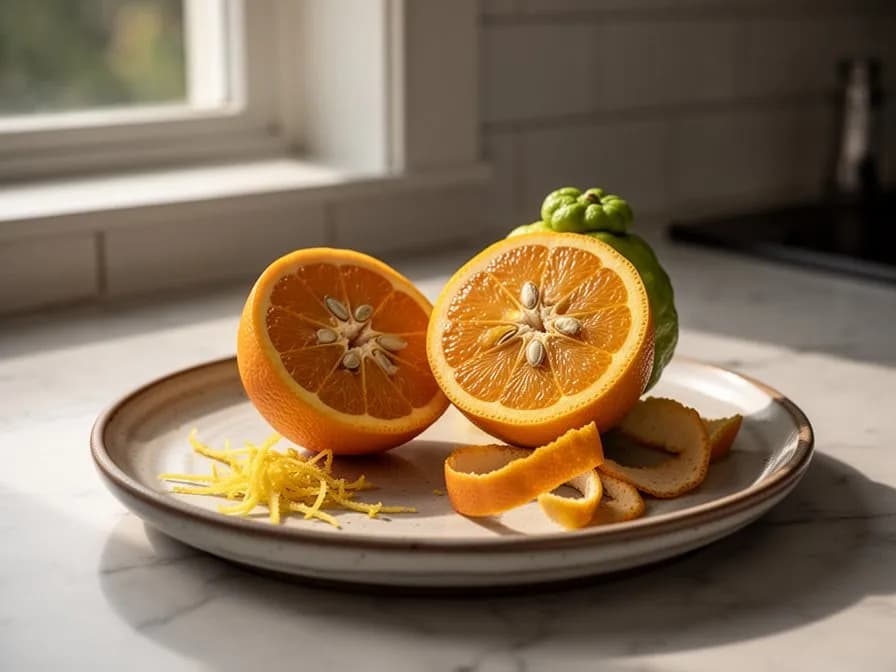
Bergamot Marmalade
30 minutes prep, 45 minutes cookingA jewel-bright, intensely aromatic marmalade that captures the complex floral bitterness of fresh bergamot in a spreadable preserve. This Calabrian classic has a depth of flavor entirely unlike ordinary orange marmalade and is outstanding on sourdough toast, stirred into yogurt, or spooned alongside aged cheese.
5 ingredients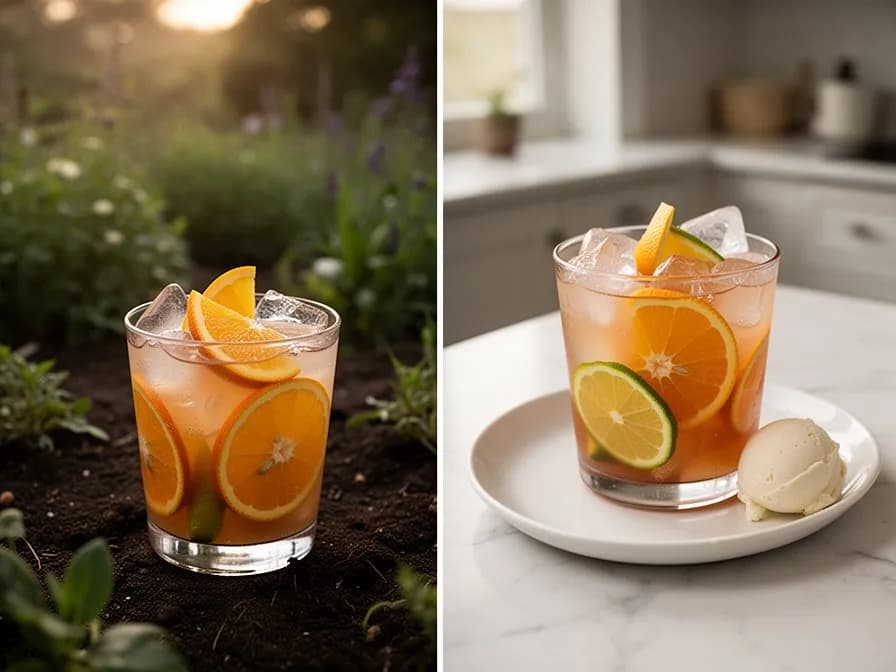
Homemade Earl Grey Syrup
15 minutesA fragrant bergamot-infused simple syrup that brings the iconic Earl Grey flavor to cocktails, sparkling water, lemonades, cake soaking syrups, and salad dressings. Using fresh bergamot peel gives this syrup an intensity and freshness that commercial bergamot extracts cannot match.
5 ingredients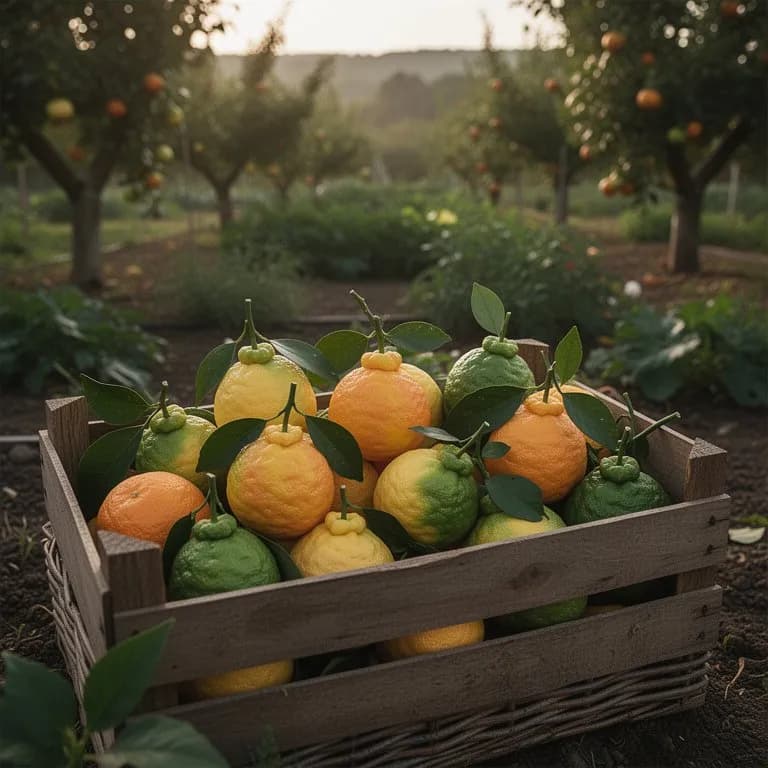
Bergamot and Honey Glazed Chicken
15 minutes prep, 35 minutes cookingA sophisticated weeknight roast that uses the juice and zest of fresh bergamot to create a fragrant, lightly caramelized glaze. The bergamot's floral bitterness balances beautifully with the sweetness of honey and the savoriness of the chicken, producing a dish that is both elegant and deeply satisfying.
7 ingredientsCulinary Uses
Bergamot's primary culinary role is as the distinctive flavoring in Earl Grey tea. The intensely aromatic zest transforms baked goods, adding a floral, complex citrus note to cakes, cookies, and scones. Use bergamot juice sparingly in cocktails, salad dressings, and seafood dishes. Bergamot marmalade is a sophisticated spread. The zest pairs beautifully with dark chocolate, honey, and cream-based desserts.
What's inside
Health Benefits
- Contains the unique flavonoids brutieridin and melitidin, found in significant concentrations almost exclusively in bergamot juice, which have been shown in clinical trials to inhibit HMG-CoA reductase, the same enzyme targeted by statin drugs, supporting healthy cholesterol levels
- Bergamot polyphenol extract (BPF) has demonstrated in multiple randomized controlled trials the ability to simultaneously reduce total cholesterol, LDL cholesterol, and triglycerides while raising beneficial HDL cholesterol, offering a plant-based approach to cardiovascular risk management
- Rich in vitamin C and a broad spectrum of citrus flavonoids that act as antioxidants, helping to neutralize free radicals that contribute to cellular aging, inflammation, and chronic disease progression
- Linalool, a major constituent of bergamot essential oil, has demonstrated anxiolytic and stress-reducing effects in clinical aromatherapy research, with inhalation shown to reduce cortisol levels and self-reported anxiety in several human studies
- The bitter compounds naringenin and neohesperidin in bergamot juice stimulate bile production and digestive enzyme secretion, supporting healthy digestion and fat metabolism when consumed regularly
- Bergamot extract has shown promising anti-inflammatory activity in laboratory and animal studies, with flavonoids suppressing key inflammatory pathways associated with metabolic syndrome, type 2 diabetes, and cardiovascular disease
Where Bergamot Orange comes from
Bergamot orange (Citrus bergamia) is one of the most enigmatic and geographically concentrated of all cultivated citrus fruits. Its precise origins remain a subject of botanical debate, but the most widely accepted hypothesis, supported by modern genomic studies, is that it arose as a natural or cultivated hybrid between the sour orange (Citrus aurantium) and a citrus species in the lemon or citron lineage, most likely somewhere in the eastern Mediterranean or Southeast Asia before being selected and propagated in Italy. Historical records place bergamot cultivation firmly in Calabria, the southernmost region of the Italian peninsula, by at least the 17th century. The town of Reggio Calabria became and remains the undisputed global center of bergamot production, with the narrow coastal strip between the Aspromonte mountains and the Ionian and Tyrrhenian seas providing a unique microclimate that seems irreplaceable for producing the finest quality peel oil. The name bergamot is variously attributed to the city of Bergamo in northern Italy, where some accounts claim the fruit was first sold commercially, or to the Turkish phrase 'beg armudu' meaning 'prince's pear', a reference to the fruit's shape. The plant's fame rests almost entirely on its essential oil, which became a prized commodity in European perfumery during the 17th and 18th centuries. Bergamot was listed in the first recorded eau de cologne formula, attributed to the perfumer Giovanni Maria Farina in Cologne in 1709. Its association with Earl Grey tea solidified its global cultural significance in the 19th century, though whether the blend was genuinely flavored at the request of Charles Grey, the British Prime Minister, or whether this is an elaborate marketing story, historians continue to debate. During the 20th century, synthetic linalyl acetate and other bergamot aroma compounds were developed to supplement natural supply, but perfumers and food scientists consistently prefer the genuine cold-pressed oil for its irreducible complexity. Today the Calabrian bergamot industry is protected by a DOP (Protected Designation of Origin) designation, and the annual harvest remains one of the most tightly controlled and geographically restricted agricultural products in Europe. Research into bergamot's health properties, particularly the polyphenol extract's effect on cholesterol and blood lipids, has opened new commercial applications in nutraceuticals, adding a fresh dimension to a centuries-old industry.
Bergamot Orange: did you know?
Fascinating facts about Bergamot Orange
Bergamot orange is the sole source of the distinctive floral-citrus flavoring in Earl Grey tea, one of the most widely consumed tea blends in the world. The essential oil extracted cold-pressed from its peel has been used to scent this tea since at least the early 19th century.
Bergamot Orange questions, answered
When should I plant Bergamot Orange?
What are good companion plants for Bergamot Orange?
What hardiness zones can Bergamot Orange grow in?
How much sun does Bergamot Orange need?
How far apart should I space Bergamot Orange?
What pests and diseases affect Bergamot Orange?
How do I store Bergamot Orange after harvest?
What are the best Bergamot Orange varieties to grow?
What soil does Bergamot Orange need?
Can I eat bergamot oranges fresh like regular oranges?
Is bergamot orange the same plant as bergamot herb or bee balm?
Can bergamot grow in a cool or temperate climate?
How do I use homegrown bergamot to flavor tea?
Why are my bergamot tree's leaves turning yellow?
Where can I buy fresh bergamot oranges if I do not yet have a tree?
You just read the theory. Now grow it on autopilot.
Everything that makes Bergamot Orange fiddly — the timing, the spacing, the companions, the harvest window — is exactly what PlotMyGarden handles for you, for every plant in your garden.
A plan that knows your weather
Set your location once. Get sow, feed and harvest dates built around your real last-frost date and live forecast — no more guessing from a generic seed packet.
From the “When to plant” sectionDrag-and-drop bed planner
Design beds on a grid. Every plant snaps to its proper spacing, and you can see your whole season laid out before you spend a cent on seed.
From the “Growing guide” sectionCompanion conflicts, caught early
200+ good-and-bad pairings checked live as you plant — so a season-wrecking mistake never makes it into the ground.
From the “Companions” sectionReminders you'll actually act on
“Water the beans.” “Pick today before it turns.” Timely, specific, and tied to the plants you're really growing.
From the “Harvest” sectionSuccession, scheduled
Want a harvest for six weeks, not six days? It spaces your sowings automatically and reminds you when each new block is due.
From the “When to plant” sectionA record that gets smarter
Every harvest you log teaches it your garden. Next year's plan starts from what actually worked in your soil, not a textbook's.
From the “Overview” sectionPlant these alongside Bergamot Orange
More Citrus
Keep Bergamot Orange away from these
Grow your best Bergamot Orange yet — and everything around it.
Start a free plan today. Lay out your beds, drop in your Bergamot Orange, and let PlotMyGarden handle the timing, spacing, companions and reminders from seed to harvest basket.