Baya de belleza
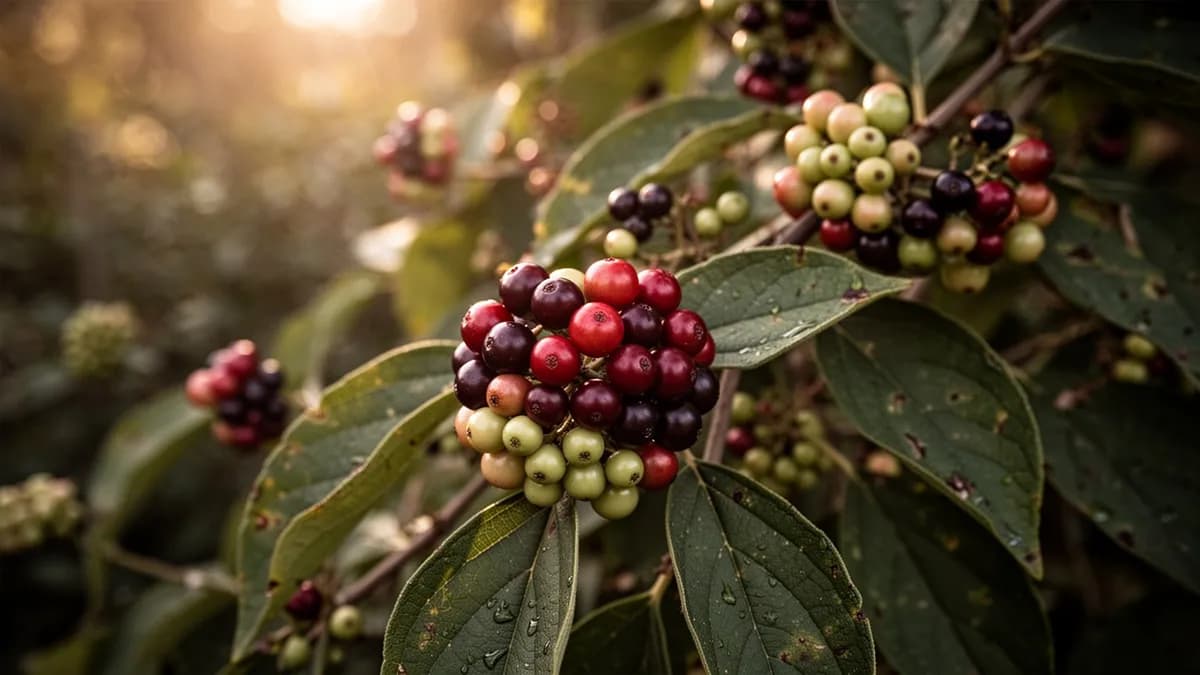
Un llamativo arbusto ornamental con racimos de bayas de un magenta púrpura muy intenso que rodean los tallos en otoño.





En esta páginaResumen
Conoce Baya de belleza
Un llamativo arbusto ornamental con racimos de bayas de un magenta púrpura muy intenso que rodean los tallos en otoño. Aunque en crudo resultan algo astringentes, las beautyberries dan lugar a una jalea delicada, de color rosado, con un sabor suave y agradable. La planta es fácil de cultivar en semisombra, tolera suelos pobres y ofrece un excelente valor para la fauna silvestre.
Cuándo plantar Baya de belleza
La beautyberry se propaga con facilidad mediante esquejes de madera blanda tomados a comienzos del verano. Tome esquejes de crecimiento nuevo de 10 a 15 cm, retire las hojas inferiores, sumerja la base en hormona de enraizamiento e introdúzcalos en perlita húmeda bajo alta humedad. Las raíces se desarrollan en cuatro a seis semanas. Para propagación por semilla, limpie las semillas de bayas maduras machacándolas y separando la pulpa en agua. Estratifíquelas en frío durante 60 a 90 días a 1 a 4 °C en sustrato ligeramente húmedo. Siembre a 0.5 cm de profundidad en una mezcla ligera y bien drenada. La germinación puede ser lenta e irregular y tardar de uno a tres meses. Las plantas procedentes de semilla pueden tardar varios años en dar frutos, pero las plantas obtenidas por esqueje a menudo fructifican en la segunda o tercera temporada.
Tu año de Baya de belleza
Ajustado a Zona 7 · temporada típica · la helada se va hacia el 2 abr y vuelve hacia el 1 nov
Planta Baya de belleza Mar – Abr y cosecha Sep – Nov. Consulta los métodos de plantación y elige tu clima para adaptar los periodos.
Cómo cultivar Baya de belleza
La beautyberry americana es un arbusto nativo del sureste que prospera desde la semisombra hasta el pleno sol en suelo húmedo y bien drenado, con un pH de 5.5 a 7.0. Plante ejemplares cultivados en contenedor en primavera u otoño, separados entre 1.2 y 1.8 metros. Sus ramas arqueadas forman de manera natural una silueta elegante y abierta, en forma de jarrón, que alcanza entre 1.2 y 2.4 metros de alto y ancho. Riegue a fondo al plantar y cubra con mantillo orgánico.
La beautyberry es extraordinariamente fácil de cultivar y tolera el calor, la humedad, la sequía una vez establecida y una amplia gama de tipos de suelo, incluido el arcilloso. Crece en más sombra que la mayoría de las plantas frutales, aunque la producción de bayas es mayor con al menos cuatro horas de sol directo. Las discretas flores de color lavanda aparecen en verano a lo largo de los tallos, seguidas de espectaculares racimos de bayas de un magenta púrpura intenso que rodean las ramas en otoño.
Pode a finales del invierno cortando toda la planta hasta dejarla a 15 o 30 centímetros del suelo. Esta poda fuerte anual favorece un crecimiento nuevo y vigoroso, que produce las cosechas de bayas más abundantes, ya que el fruto se forma en la madera de la temporada actual. Sin poda, las plantas se vuelven largas y ralas. Riegue con regularidad durante el primer año y, después, solo en periodos de sequía prolongada. Aplique un fertilizante equilibrado a comienzos de la primavera y mantenga un mantillo orgánico alrededor de la base.
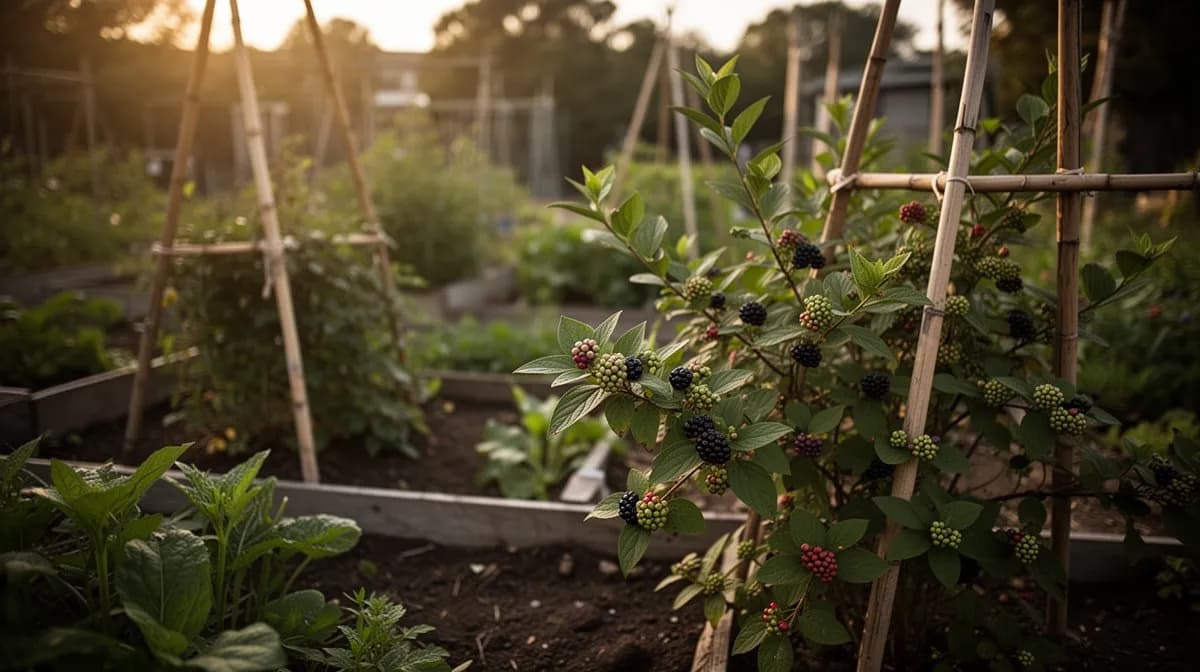
Para Baya de belleza un bancal de 120 × 240 cm se queda corto
Cada Baya de belleza pide 150 cm de margen. El planificador guarda ese marco por ti — cada planta, cada bancal.
Guías de cultivo relacionadas
Abónalo bien
La beautyberry crece en una amplia gama de suelos, incluidos los arenosos, francos y arcillosos, con un pH de 5.5 a 7.0. Prefiere condiciones húmedas y bien drenadas, pero tolera sequías ocasionales una vez establecida. Los suelos de fertilidad media a moderada dan los mejores resultados. Aplique un fertilizante equilibrado a comienzos de la primavera, antes de que empiece el nuevo crecimiento. Una fertilidad excesiva favorece un follaje exuberante en detrimento de la producción de bayas. El acolchado anual con compost aporta nutrientes suficientes y mantiene la humedad del suelo en las plantas ya establecidas.
Temperatura ideal
Compatibilidad de zonas de rusticidad
De la semilla a la cosecha, etapa por etapa
Reposo
La planta permanece latente durante el invierno, con las cañas desnudas esperando la poda de fin de estación.
Crecimiento vegetativo
Los nuevos brotes se alargan con rapidez y forman la base de la cosecha del año.
Brotación
A medida que avanza la primavera, aparecen los nuevos brotes y el arbusto recupera volumen.
Floración
En verano emergen pequeñas flores lavanda a lo largo de los tallos.
Bayas
Las bayas verdes se transforman en racimos de color púrpura intenso y muy decorativo.
Cosecha
Las bayas maduras se recogen para jalea, jarabe o vino, dejando algunas para la fauna.
Invierno
Tras la caída del follaje y la fructificación, la planta entra de nuevo en descanso estacional.
Cuidar Baya de belleza mes a mes
Qué hacer cada mes para tu Baya de belleza
Octubre
Mes actualPeak ornamental season. Harvest remaining berries for culinary use before birds strip them. No fertilizer this late in the season.
Ten claro qué hacer en tu huerto, cada mes
Un correo al empezar cada mes: qué sembrar, plantar y hacer ahora mismo — para tu Baya de belleza y todo lo que crece alrededor. Más un breve curso inicial para esquivar los errores clásicos.
- Qué hacer ahora mismo
- Ajustado a tu temporada
- Curso inicial incluido
Cosechar Baya de belleza
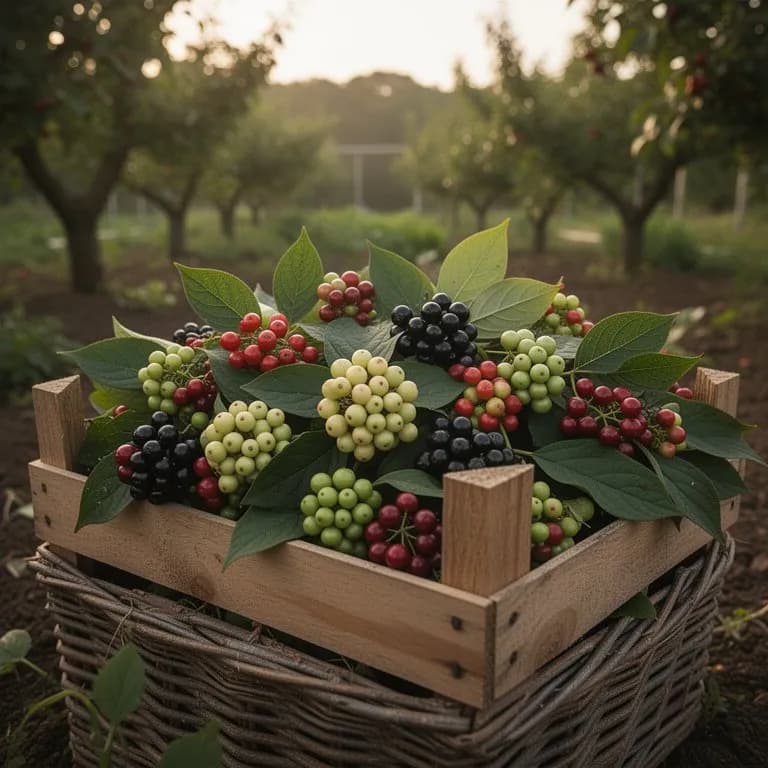
La fruta de la beautyberry madura de septiembre a noviembre, cuando las bayas adquieren su característico color magenta púrpura muy vivo. Las bayas son algo astringentes en crudo, pero pueden comerse en pequeñas cantidades directamente del arbusto. Para hacer jalea, recoja cuando estén completamente coloreadas, cortando los tallos cargados de bayas con tijeras de poda. Las bayas permanecen bien en el arbusto y siguen siendo decorativas durante semanas después de que caigan las hojas. Deje algunas bayas para los pájaros, que dependen de ellas como alimento de final de temporada. Los tallos cortados con bayas quedan espectaculares en arreglos florales.
se supone que plantas al comenzar el periodo — indica tu fecha real
Cosecha Baya de belleza a tiempo y la planta sigue produciendo.
Almacenamiento y conservación
Las beautyberries frescas se conservan aproximadamente una semana en refrigeración. La preparación clásica es la jalea de beautyberry, que tiene un precioso color rosa rosado y un sabor delicado y suave. Para hacerla, cubra las bayas con agua, hierva a fuego lento durante 20 minutos y cuele en una bolsa para jalea. El zumo resultante cuaja con pectina y azúcar añadidas. La beautyberry también da un delicioso jarabe infusionado para cócteles y agua con gas. Las bayas pueden congelarse para procesarlas más adelante o secarse para preparaciones herbales. El vino de beautyberry tiene un delicado carácter floral.
Qué falla — y cómo solucionarlo
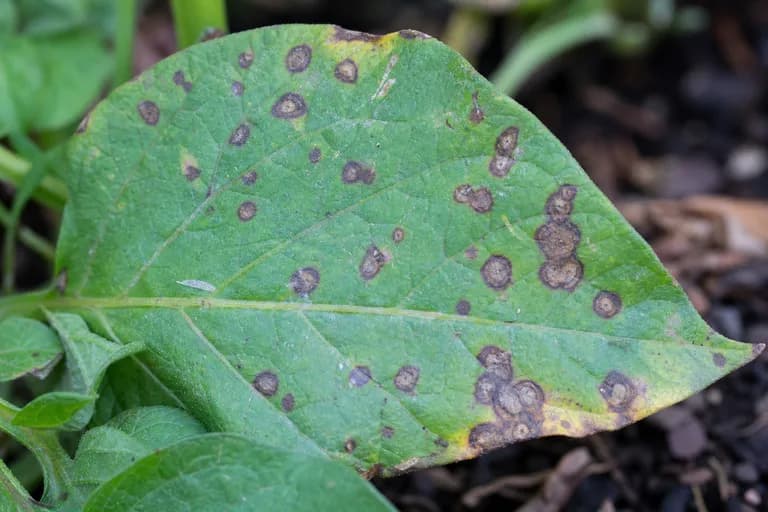
Mancha foliar
EnfermedadManchas marrones o negras en las hojas durante tiempo húmedo; caída prematura de hojas en casos graves; problema sobre todo estético.
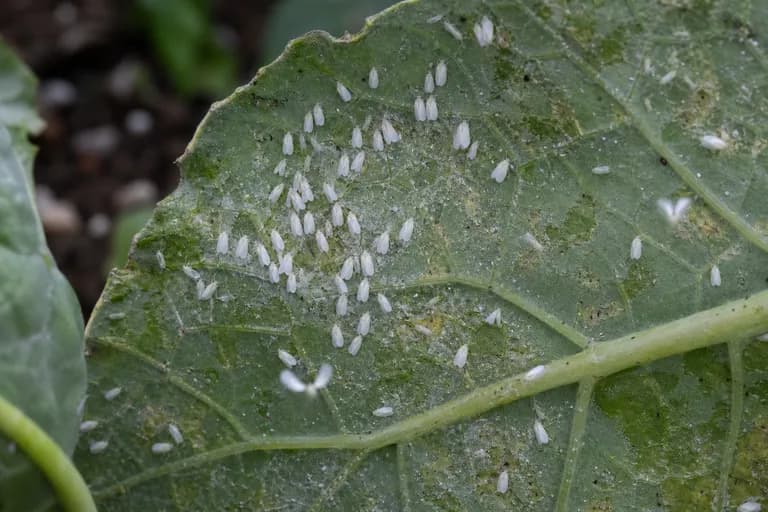
Mosca blanca
PlagaPequeños insectos voladores blancos en el envés de las hojas; follaje amarillento; melaza y fumagina.
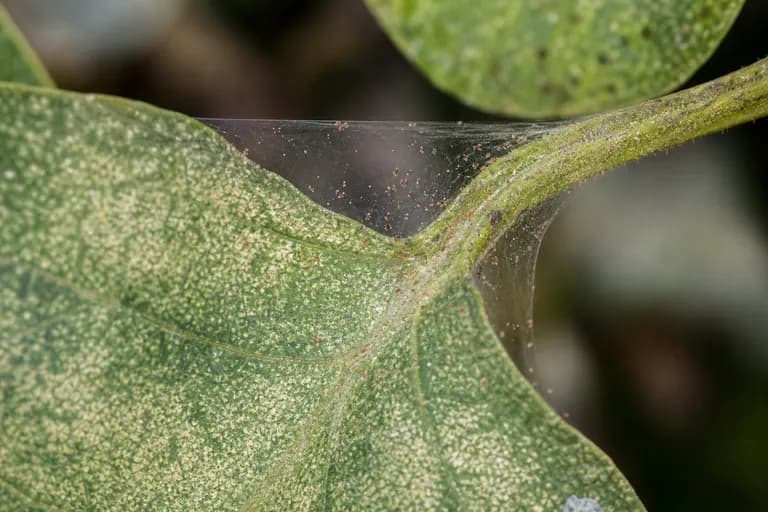
Ácaros araña
PlagaPequeñas punteaduras en las hojas; telarañas finas visibles en el envés; las hojas amarillean y caen en infestaciones graves.
Solución de problemas comunes
Sin una poda fuerte anual, la beautyberry se vuelve alta, alargada y rala, con menor producción de bayas. El requisito de poda intensa puede sorprender a los jardineros que no conocen la planta. En el extremo norte de su área de rusticidad, el frío invernal puede matar los tallos hasta el suelo, pero la planta suele rebrotar con fuerza desde las raíces. Las bayas son algo astringentes en crudo, lo que decepciona a quienes esperan una fruta dulce para picar. A veces los ciervos ramonean el follaje, aunque por lo general dejan las bayas en paz. La planta es caducifolia y pierde interés invernal una vez que caen las bayas.
Consejos de cultivo
- Plante beautyberry a pleno sol o en semisombra: tolera bien la sombra, pero produce mucho más flor y fruto si recibe al menos 6 horas de luz solar directa al día.
- Pódelas con fuerza cada año a finales de febrero o principios de marzo, acortando todos los tallos a 30–60 cm del suelo. Como las bayas se forman en la madera del año, esta poda agresiva aumenta la producción en lugar de reducirla y mantiene la planta a un tamaño manejable.
- La beautyberry es notablemente tolerante a la sequía una vez establecida, normalmente tras 2 temporadas completas de crecimiento, pero una humedad constante durante la formación de las yemas en junio y el desarrollo de las bayas en agosto produce racimos más grandes y abundantes.
- Plante al menos dos ejemplares si su objetivo es obtener más fruta: aunque la beautyberry es autofértil, la polinización cruzada entre dos plantas diferentes mejora de forma medible el cuajado y la densidad de los racimos.
- La beautyberry prospera en una amplia gama de suelos, desde francos arenosos hasta arcillosos, pero exige buen drenaje. Enmiende los suelos arcillosos pesados con compost antes de plantar y evite las zonas bajas donde el agua se acumula después de la lluvia.
- Evite los fertilizantes ricos en nitrógeno a mediados del verano, porque impulsan el crecimiento de hojas a costa de las flores y del fruto. Una sola aplicación de fertilizante granulado equilibrado 10-10-10 en primavera suele ser suficiente para toda la temporada.
- Acolche con 7 a 10 cm alrededor de la zona radicular para conservar la humedad, suprimir las malas hierbas y moderar las fluctuaciones de temperatura del suelo, todo ello en beneficio del desarrollo de las bayas durante el calor del verano.
- La beautyberry se trasplanta con facilidad en primavera u otoño. Las plantas de contenedor pueden moverse en cualquier momento de la temporada de crecimiento, siempre que reciban riego suplementario durante las primeras 4 a 6 semanas tras la plantación.
- En la zona 6 y más frías, coloque la beautyberry en un lugar protegido cerca de una pared orientada al sur o de una pantalla cortavientos densa de hoja perenne. Aunque la parte aérea se congele en un invierno duro, el sistema radicular es resistente con seguridad hasta la zona 6 y la planta rebrotará desde la base.
- Los ciervos comerán el follaje de la beautyberry, pero la planta se recupera rápidamente gracias a su vigor. Proteja los trasplantes jóvenes en zonas con ciervos con jaulas de alambre hasta que la planta sea lo bastante grande como para que el ramoneo solo elimine las puntas de los brotes más externos.
Cultiva tu mejor Baya de belleza — y todo lo que la rodea.
Empieza un plan gratis hoy. Diseña tus bancales, coloca tu Baya de belleza y deja que PlotMyGarden gestione el momento, el espaciado, las asociaciones y los recordatorios de la semilla a la cesta.
Elige tu Baya de belleza
Callicarpa americana
La beautyberry americana, una especie nativa del sureste con bayas de un magenta púrpura muy vivo y los racimos frutales más grandes.
Lactea
Una forma de fruto blanco de la beautyberry americana, una alternativa elegante; bayas blancas brillantes en ramas arqueadas.
Callicarpa dichotoma
Beautyberry púrpura, una especie asiática más pequeña con racimos de bayas más densos y porte más refinado; más resistente hasta la zona 5.
Early Amethyst
Un cultivar de Callicarpa dichotoma con bayas púrpuras tempranas y abundantes en una planta compacta de 90 a 120 cm.
Un solo arbusto de beautyberry ya establecido puede producir entre 3.5 y 7.5 litros de racimos de bayas frescas por temporada, lo que rinde aproximadamente entre 12 y 20 tarros de medio litro de jalea de beautyberry. Con un precio minorista medio de 7 a 11 € por tarro para jaleas artesanales, un arbusto bien cuidado puede aportar productos envasados por valor de 85 a 220 € al año. Más allá de su valor culinario, el arbusto elimina la necesidad de comprar plantas ornamentales caras de otoño (crisantemos, ásteres) en las zonas que ocupa, y sus compuestos foliares naturalmente repelentes de insectos pueden reducir el gasto en repelentes comerciales de mosquitos durante las actividades al aire libre cerca de la plantación.
Recetas rápidas
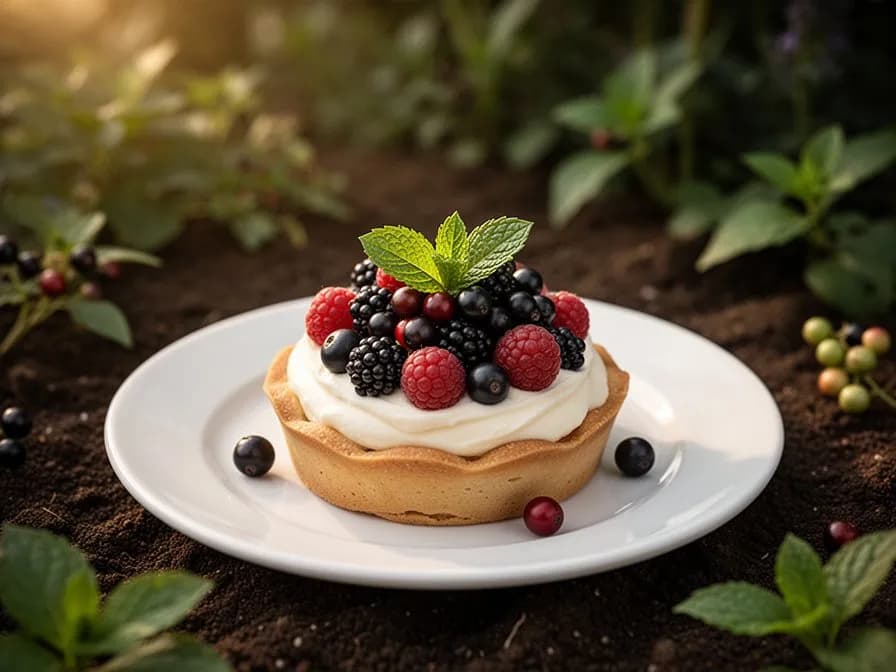
Jalea de beautyberry
45 minutos más el cuajado nocturnoUna conserva clásica del sur con un delicado sabor floral y un impresionante color rosa púrpura. Úsela sobre bizcochos o como glaseado para aves asadas.
5 ingredientesShrub de beautyberry (vinagre para beber)
15 minutos activos, 48 horas de infusión en fríoUn jarabe shrub vibrante y ácido que transforma agua con gas, cócteles o bebidas sin alcohol con una nota compleja de bayas y flores y un tono púrpura llamativo.
5 ingredientesCrostini de beautyberry y queso crema
20 minutosUn aperitivo elegante que combina la profundidad dulce y ácida de la jalea de beautyberry con queso cremoso y ácido sobre rebanadas de baguette tostadas. Un tema de conversación garantizado.
6 ingredientesUsos culinarios
La jalea de beautyberry es su uso culinario más emblemático, apreciado por su delicado color rosa y su sabor suave y agradable. La jalea combina muy bien con queso crema y galletas saladas como aperitivo, o con bizcochos y tostadas. El jarabe de beautyberry añade una sutil dulzura afrutada a cócteles, limonada y agua con gas. Las bayas pueden usarse para elaborar un vino ligero con notas florales. Las bayas crudas son comestibles en pequeñas cantidades y pueden añadirse a ensaladas para dar color. Las hojas tienen propiedades tradicionales repelentes de insectos.
Qué contiene
Beneficios para la salud
- El alto contenido de antocianinas aporta una potente protección antioxidante que neutraliza los radicales libres y reduce el estrés oxidativo relacionado con enfermedades crónicas y envejecimiento prematuro
- El uso tradicional indígena y apalachense como remedio para la fiebre está respaldado por investigaciones fitoquímicas preliminares que identifican compuestos antipiréticos en la corteza de la raíz y los extractos de hojas
- El compuesto terpenoide callicarpenal de las hojas de beautyberry actúa como repelente natural de insectos, comparable a bajas concentraciones de DEET, y ofrece una alternativa vegetal para personas sensibles
- Los flavonoides polifenólicos de las bayas muestran actividad antiinflamatoria en estudios in vitro y pueden favorecer la salud articular y reducir la inflamación sistémica cuando se consumen como jalea o zumo
- El contenido de fibra en las preparaciones procesadas de bayas apoya la salud digestiva, alimenta a las bacterias intestinales beneficiosas y contribuye a la saciedad
- La investigación etnobotánica emergente documenta actividad antimicrobiana de los extractos de beautyberry frente a ciertas cepas bacterianas, en consonancia con su uso tradicional para el tratamiento de heridas y afecciones cutáneas entre los pueblos indígenas del sureste de Estados Unidos
De dónde viene Baya de belleza
Beautyberry engloba unas 140 especies del género Callicarpa, distribuidas por regiones subtropicales y templadas de América, Asia y Australia, pero son la beautyberry americana (Callicarpa americana) y las especies asiáticas C. japonica y C. bodinieri las que han captado la imaginación de jardineros de todo el mundo. La especie americana es nativa del sureste de Estados Unidos, desde Maryland hacia el sur hasta Florida y hacia el oeste hasta Texas, donde crece como arbusto de sotobosque en bosques abiertos, bordes de matorral y a lo largo de corredores fluviales. Los pueblos indígenas de la región, incluidas las naciones seminola, creek y choctaw, reconocieron el valor de la planta mucho más allá de lo ornamental. Utilizaban decocciones de la corteza de la raíz para tratar fiebres y reumatismo, y descubrieron que frotar hojas machacadas sobre la piel repelía mosquitos y otros insectos que pican, una propiedad que más tarde validaron científicos del USDA al aislar el compuesto activo callicarpenal en la década de 2000.
Los primeros colonos europeos adoptaron muchos de estos usos, y los cocineros de frontera desarrollaron la técnica de hervir las bayas astringentes y colar el zumo para hacer jalea de beautyberry, una tradición que aún hoy persiste en las zonas rurales de los Apalaches y el sur profundo. La planta entró en la horticultura formal relativamente tarde; aunque ya se cultivaba en jardines botánicos a comienzos del siglo XIX, durante buena parte de ese siglo siguió siendo más una curiosidad silvestre que una planta paisajística corriente.
Las especies asiáticas siguieron un camino distinto. La beautyberry japonesa llegó a los jardines europeos en la década de 1840 gracias a las expediciones botánicas que llevaron tantas ornamentales de Asia oriental al cultivo occidental. El misionero francés Père Bodinier recolectó C. bodinieri en China a finales del siglo XIX, y la variedad 'Profusion', seleccionada a partir de esa especie, se convirtió en uno de los arbustos ornamentales más cultivados del siglo XX, apreciado por su extraordinaria resistencia al frío y sus abundantes racimos de bayas púrpuras. Hoy, la beautyberry ocupa un lugar en la intersección entre ecología, alimentación tradicional y diseño ornamental contemporáneo, impulsada por defensores de las plantas nativas y jardineros de fauna silvestre que valoran su triple función como imán para polinizadores, alimento para aves y espectáculo otoñal.
Baya de belleza: ¿sabías que?
Datos fascinantes sobre Baya de belleza
Las beautyberries producen su fruto ornamental en la madera nueva de la temporada, así que una poda fuerte a finales del invierno no arruina la exhibición de bayas del año.
Baya de belleza: preguntas frecuentes
¿Cuándo debo plantar Baya de belleza?
¿En qué zonas de rusticidad puede crecer Baya de belleza?
¿Cuánto sol necesita Baya de belleza?
¿A qué distancia debo espaciar Baya de belleza?
¿Qué plagas y enfermedades afectan a Baya de belleza?
¿Cómo almaceno Baya de belleza después de la cosecha?
¿Cuáles son las mejores variedades de Baya de belleza para cultivar?
¿Qué suelo necesita Baya de belleza?
¿Qué cultivares de beautyberry son mejores para jardines pequeños?
¿Las bayas de beautyberry son seguras para comer crudas?
¿Necesita la beautyberry mucha poda?
Acabas de leer la teoría. Ahora cultívala en piloto automático.
Todo lo que hace que Baya de belleza sea delicado — el momento, el espaciado, las asociaciones, la ventana de cosecha — es justo lo que PlotMyGarden resuelve por ti, para cada planta de tu huerto.
Un plan que conoce tu clima
Indica tu ubicación una vez. Recibe fechas de siembra, abonado y cosecha basadas en tu última helada real y el pronóstico en vivo — sin adivinar con un sobre genérico.
De la sección “Cuándo plantar”Planificador de bancales de arrastrar y soltar
Diseña bancales sobre una cuadrícula. Cada planta encaja con su espaciado correcto y ves toda la temporada antes de gastar un céntimo en semillas.
De la sección “Cultivo”Conflictos de asociación, detectados a tiempo
Más de 200 buenas y malas combinaciones comprobadas en vivo mientras plantas — para que un error que arruine la temporada nunca llegue a la tierra.
De la sección “Asociaciones”Recordatorios que sí vas a seguir
“Riega las judías.” “Recoge hoy antes de que se pase.” Oportunos, concretos y ligados a las plantas que de verdad cultivas.
De la sección “Cosecha”Escalonado, programado
¿Quieres cosechar seis semanas en vez de seis días? Reparte tus siembras automáticamente y te avisa cuando toca el siguiente lote.
De la sección “Cuándo plantar”Un registro que se vuelve más listo
Cada cosecha que registras le enseña tu huerto. El plan del año que viene parte de lo que de verdad funcionó en tu suelo, no en un manual.
De la sección “Resumen”Más Bayas
Cultiva tu mejor Baya de belleza — y todo lo que la rodea.
Empieza un plan gratis hoy. Diseña tus bancales, coloca tu Baya de belleza y deja que PlotMyGarden gestione el momento, el espaciado, las asociaciones y los recordatorios de la semilla a la cesta.