Annual Phlox
typical season: sow Mar – May · blooms May – Aug · set your climate
A Texas native annual with vibrant star-shaped flowers in shades of pink, red, purple, and white that bloom profusely in cool to warm weather.

On this pageOverview
Meet Annual Phlox
A Texas native annual with vibrant star-shaped flowers in shades of pink, red, purple, and white that bloom profusely in cool to warm weather. Annual phlox prefers well-drained soil and good air circulation to prevent powdery mildew. Sow seed directly in early spring for months of colorful blooms that attract butterflies.
When to plant Annual Phlox
Sow annual phlox seeds directly outdoors in early spring, barely covering with fine soil. Seeds germinate in 10-14 days in cool soil (55-65°F). For earlier blooms, start seeds indoors 6-8 weeks before the last frost. Sow on the surface of moist seed-starting mix and cover lightly—seeds need darkness to germinate. Keep at 65°F (18°C) and maintain consistent moisture. Transplant seedlings carefully, as phlox resents root disturbance.
Your Annual Phlox Year
Composed for Zone 7 · typical seasons · frost passes Apr 2, returns Nov 1
Plant Annual Phlox Mar – May, in bloom May – Aug. Check the planting methods below and set your climate to personalize these windows.

Annual Phlox in bloom this season? Get next year's dates
One email when the next sowing window opens where you garden, and one before the first autumn frost.
Set your climate above so the dates are yours, not the typical-season default.
One email per milestone, never more than one a week. Unsubscribe with one tap. No account needed.
How to grow Annual Phlox
Annual phlox is a Texas wildflower that thrives in cool to moderately warm conditions, making it an excellent spring-to-early-summer annual. Sow seeds directly outdoors in early spring as soon as the soil can be worked, or in autumn in mild-winter climates for early spring blooms. Seeds germinate best in cool soil temperatures of 55-65°F (13-18°C).
Thin seedlings to 6-10 inches apart once they develop two sets of true leaves. Annual phlox performs best in full sun with well-drained soil and good air circulation, which helps prevent powdery mildew, its main nemesis. In hot climates, provide light afternoon shade to extend the blooming period.
Deadhead regularly to promote continued flowering. When plants begin to look tired in the heat of summer, shear back by half—they often rally with a second flush of bloom in cooler autumn weather. Allow some flowers to set seed for self-sowing; annual phlox naturalizes readily in favorable conditions.
36 plants fit a 4 × 8 ft bed
Each Annual Phlox wants 25 cm of elbow room. The planner keeps that spacing for you — every plant, every bed.
Annual Phlox's best neighbours
Annual phlox combines beautifully with other cool-season annuals like larkspur, bachelor buttons, and sweet peas for a wildflower-meadow effect. The low, bushy habit makes it an excellent front-of-border partner for taller flowers. Plant alongside alyssum and lobelia for a cascading mix of textures and colors. In cutting gardens, pair with snapdragons and stock for spring bouquets.
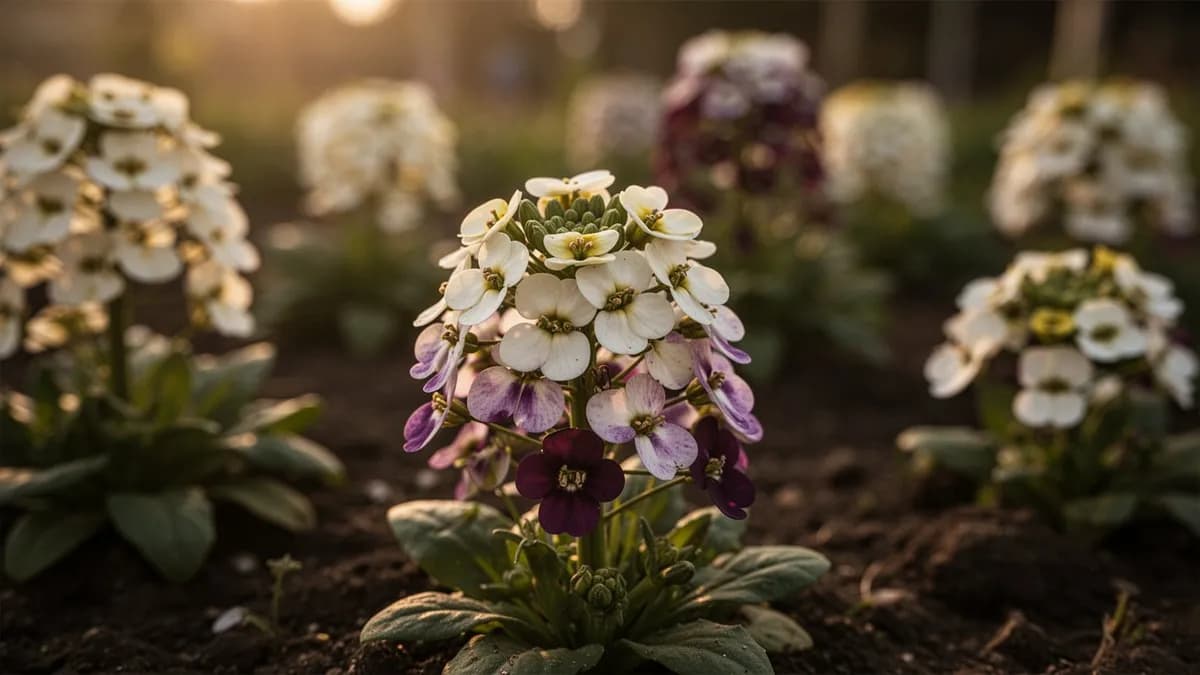
Sweet Alyssum belongs beside it.
Old growers' knowledge, checked against Annual Phlox's real companion table below — test any plant you're growing.
Related growing guides
Feed it well
Annual phlox performs best in well-drained, moderately fertile soil with a pH of 6.0-7.0. Overly rich soil produces lush foliage but fewer flowers. Work a thin layer of compost into the soil before planting. A light application of balanced granular fertilizer at planting time is sufficient—avoid heavy feeding. In containers, use a dilute liquid fertilizer every two weeks.
Ideal Temperature
Hardiness Zone Compatibility
From seed to harvest, stage by stage
Seed Germination
Annual phlox seeds require darkness to germinate and should be lightly covered with 3 mm of fine soil or vermiculite. Seeds need consistent moisture and soil temperatures of 15-18°C (60-65°F) for optimal germination. The dark, elongated seeds are relatively easy to handle compared to many flower seeds.
Seedling Development
Cotyledons emerge first, followed by the first pair of narrow, lance-shaped true leaves arranged in opposite pairs along the stem. Seedlings are relatively sturdy compared to other annual flowers but benefit from gradual hardening off before transplanting outdoors.
Vegetative Growth
The plant develops a branching habit with opposite leaves along multiple stems. Plants grow 15-45 cm tall depending on the variety, forming a bushy, mounded shape. The sticky, glandular hairs on stems and leaves become noticeable during this stage.
Budding and Early Bloom
Flower buds form in dense terminal clusters called cymes at the tips of each branch. The five-petaled, tubular flowers begin opening from the outer edges of the cluster inward. Colors range from white, pink, salmon, red, purple, and lavender, often with a contrasting eye zone.
Peak Flowering
The plant reaches full bloom with multiple flower clusters open simultaneously, creating a dome of color. Each individual flower lasts about a week, but the successive opening of buds within each cluster extends the display. Peak bloom typically occurs in early to midsummer.
Seed Set and Decline
As temperatures rise in late summer, flowering slows and seed capsules form where blooms were pollinated. Each capsule contains several small, dark seeds. The plant gradually declines as it completes its annual life cycle, though cooler autumn weather can trigger a secondary flush of blooms.
Cover seed trays with a dark lid or newspaper to block light during germination. Keep soil evenly moist with bottom watering to avoid disturbing the seeds. Germination typically takes 10-14 days, so be patient and maintain consistent conditions.

Caring for Annual Phlox month by month
What to do each month for your Annual Phlox
October
You are hereRemove spent annual phlox plants after the first killing frost. Compost healthy plant material. Note which colors and varieties performed best for planning next year's garden layout.
Harvesting Annual Phlox
Annual phlox makes a charming, informal cut flower. Cut stems when about half the flowers in the cluster have opened. Cut in the early morning, strip lower leaves, and place in fresh water. The flowers last 5-7 days in the vase. Regular cutting encourages more flower production, similar to deadheading.
assuming you plant when the window opens — set your real date
Deadhead Annual Phlox regularly and it keeps flowering.
Storage & Preservation
As an annual, phlox does not have bulbs or tubers to store. To save seed for the following year, allow some flower heads to mature fully on the plant until the seed capsules turn brown and dry. Shake seeds into an envelope, label, and store in a cool, dry place. Annual phlox self-sows readily in favorable conditions, often producing slightly different colors in subsequent generations.
What goes wrong — and the fix
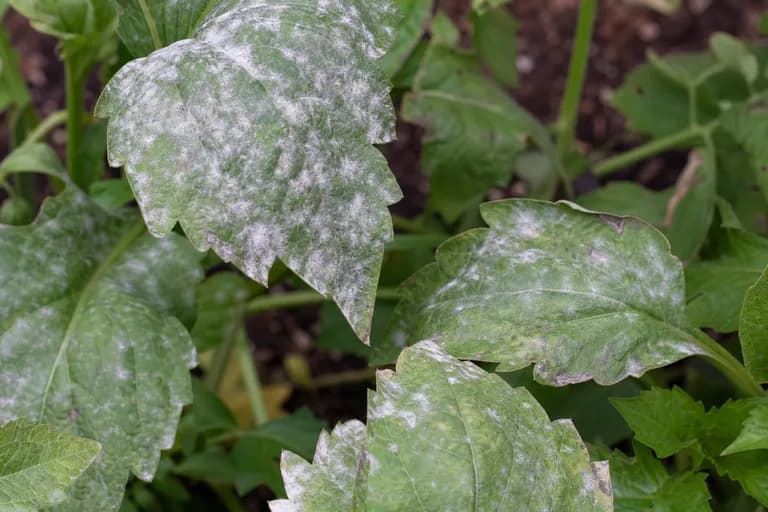
Powdery Mildew
DiseaseWhite powdery coating on leaves and stems. Lower leaves affected first, spreading upward. Leaves may curl and drop.
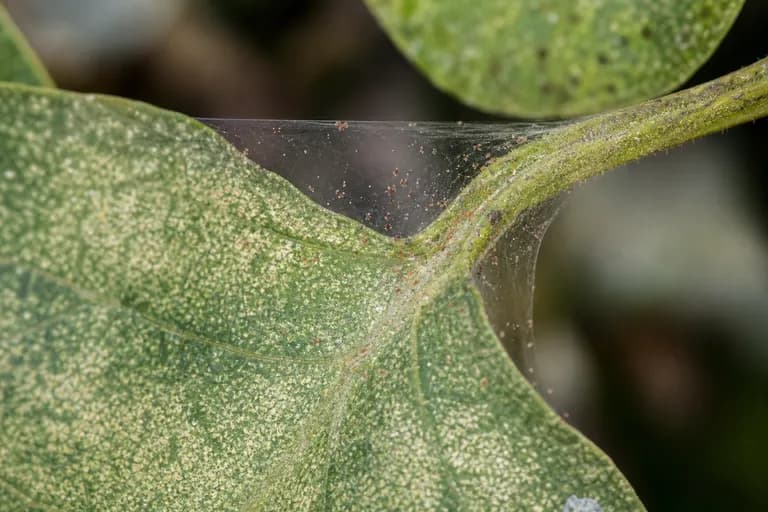
Spider Mites
PestFine stippling on leaves, tiny webbing visible on leaf undersides. Leaves become bronzed and dry in severe infestations.
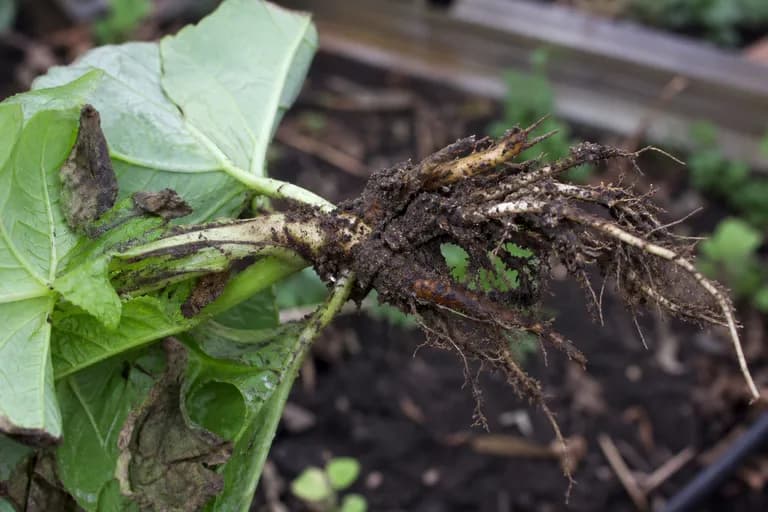
Root Rot
DiseasePlants wilt despite moist soil. Roots are brown and mushy when examined. Stems darken at the base.
Troubleshooting Common Problems
Powdery mildew is the primary issue, especially in humid conditions with poor air circulation. Spacing plants generously and watering at soil level helps significantly. Plants that become leggy mid-season are usually getting insufficient light or too much nitrogen. In very hot climates, annual phlox may stop flowering entirely in midsummer—shear back and wait for cooler weather to trigger re-bloom.
Growing Tips
- Sow annual phlox seeds indoors 6-8 weeks before the last frost date and cover them completely, as the seeds require darkness to germinate effectively unlike many other flower seeds.
- Space plants 20-30 cm apart to ensure adequate air circulation, which is the single most important cultural practice for preventing powdery mildew, the most common disease affecting annual phlox.
- Pinch the growing tips of young plants when they reach 10 cm in height to encourage branching, which doubles or triples the number of flower stems each plant will produce.
- Water at the base of the plant early in the morning rather than overhead in the evening, as wet foliage overnight dramatically increases the risk of fungal diseases including powdery mildew and botrytis.
- Deadhead spent flower clusters by cutting the stem back to just above the next set of leaves or lateral bud to stimulate a continuous succession of new blooms throughout the season.
- Apply a thin layer of organic mulch around the base of plants to keep roots cool and moist during hot weather, which helps prevent the premature flowering decline that heat stress causes.
- In regions with hot summers, plant annual phlox where it receives morning sun and light afternoon shade to extend the blooming period and prevent heat-induced flower fading and wilting.
- Direct sow seeds in autumn in mild winter climates (USDA zones 8-10) for the earliest spring blooms, as the seeds benefit from a natural cold stratification period over winter.
- Combine tall-growing varieties (30-45 cm) at the back of borders with compact dwarf types (15-20 cm) along edges and in containers to create layered depth and maximize visual impact.
- Allow a few late-season flower heads to mature and drop seed naturally if you want volunteer seedlings the following spring, but remove excess self-sown plants early to prevent overcrowding.
Pick your Annual Phlox
Phlox 'Sugar Stars'
Bicolor flowers with pointed, star-shaped petals in pink, rose, and lavender with white edges. Particularly eye-catching.
Phlox '21st Century' series
Compact, mildew-resistant plants in a wide color range including blue, rose, crimson, and white. Excellent for bedding.
Phlox 'Tapestry' Mix
A rich blend of pastel and deep colors including salmon, cream, and cherry. Great for cottage-style drifts.
Phlox 'Phlox of Sheep'
Dwarf variety at just 6 inches tall with large flowers in a soft pastel mix. Perfect for edging and rock gardens.
A single packet of annual phlox seeds (approximately 200-300 seeds) costs $2-4 and can fill a 3-4 square meter garden area with continuous color from late spring through early fall. Comparable coverage using nursery-grown bedding plants would cost $40-80 or more. Because annual phlox readily self-sows in favorable conditions, a one-time seed purchase can provide free plants for multiple subsequent seasons with no additional investment. As a cut flower, homegrown annual phlox saves $5-10 per bouquet compared to purchasing mixed flower arrangements from a florist.
Quick recipes

Phlox Flower Garnish Ice Cubes
15 minutes plus freezing timeCreate beautiful, edible flower ice cubes using freshly picked annual phlox blooms. These stunning ice cubes add an elegant touch to summer drinks, punches, and lemonades at garden parties and special occasions.
4 ingredients
Fresh Phlox Petal Salad Topper
10 minutesAdd a burst of color and a mild, slightly sweet flavor to green salads by scattering fresh annual phlox petals over the top. The vibrant petals transform an ordinary salad into a visually stunning garden-to-table presentation.
5 ingredientsPressed Phlox Flower Shortbread Cookies
30 minutes plus chilling and baking timeDecorate homemade shortbread cookies with pressed annual phlox flowers for a beautiful edible gift or tea-party treat. The flowers are pressed into the dough before baking, creating a delicate botanical pattern on each cookie.
6 ingredientsWhat's inside
Health Benefits
- Annual phlox attracts a wide range of pollinators including butterflies, hummingbirds, and beneficial insects, contributing to the overall health and biodiversity of the garden ecosystem and supporting the pollination of nearby food crops.
- Spending time tending and enjoying flowering plants like annual phlox has been shown in horticultural therapy research to reduce cortisol levels, lower blood pressure, and improve overall mood and mental well-being.
- The vibrant colors of annual phlox blooms can provide meaningful psychological benefits, as exposure to colorful natural environments has been linked to reduced anxiety, improved focus, and enhanced feelings of happiness in multiple studies.
- Growing annual phlox from seed and maintaining plants throughout the season provides gentle, low-impact physical exercise including bending, kneeling, and fine motor activities that support joint flexibility and hand dexterity.
- Annual phlox is non-toxic to humans, dogs, cats, and horses, making it one of the safest ornamental choices for households with children and pets, eliminating concerns about accidental ingestion.
- Cut annual phlox flowers brought indoors can improve indoor air quality aesthetically and psychologically, and the routine of arranging fresh flowers has been associated with increased mindfulness and a sense of daily accomplishment.
Where Annual Phlox comes from
Annual phlox (Phlox drummondii) is a flowering plant native to the sandy prairies, open woodlands, and roadsides of central and eastern Texas, where it blooms prolifically as a spring wildflower from March through May. The species was first collected by Scottish botanist and explorer Thomas Drummond during his extensive botanical expedition across the southern United States from 1833 to 1835. Drummond sent seeds and pressed specimens back to the Royal Botanic Garden in Glasgow, where the renowned botanist William Jackson Hooker formally described and named the species in Drummond's honor in 1835. Tragically, Drummond died of unknown causes in Havana, Cuba, shortly after completing his collecting trip, never seeing the enormous popularity his discovery would achieve. The vivid, easy-to-grow flowers caused an immediate sensation in European horticulture when they first bloomed in British gardens in the late 1830s. By the 1840s, European seed companies had developed numerous cultivars in an expanded palette of colors including white, pink, salmon, scarlet, crimson, purple, and lavender, as well as bicolor and star-patterned forms. Annual phlox became a staple of Victorian-era bedding schemes and cottage gardens throughout Europe and was reintroduced to North American gardens in its cultivated forms. In the twentieth century, plant breeders developed compact dwarf varieties ideal for containers and edging, as well as taller cutting varieties prized by florists. The species has also gained significance in evolutionary biology, as studies of two naturally occurring subspecies in Texas provided landmark evidence for the process of reinforcement in speciation through flower color divergence. Today, annual phlox remains one of the most popular and reliable warm-season annuals worldwide, cherished for its extended flowering period, drought tolerance once established, and exceptional value as a pollinator plant.
Annual Phlox: did you know?
Fascinating facts about Annual Phlox
Annual phlox (Phlox drummondii) is the only annual species in the entire Phlox genus, which contains about 67 species that are all perennial. It was discovered in Texas by the Scottish botanist Thomas Drummond in 1835.
Annual Phlox questions, answered
When should I plant Annual Phlox?
What are good companion plants for Annual Phlox?
What hardiness zones can Annual Phlox grow in?
How much sun does Annual Phlox need?
How far apart should I space Annual Phlox?
What pests and diseases affect Annual Phlox?
How do I store Annual Phlox after harvest?
What are the best Annual Phlox varieties to grow?
What soil does Annual Phlox need?
Is annual phlox the same as creeping phlox or garden phlox?
Why are my annual phlox leaves turning white or powdery?
Can I grow annual phlox in containers and pots?
Will annual phlox come back next year on its own?
When is the best time to plant annual phlox seeds?
Is annual phlox safe around pets and children?
Plant these alongside Annual Phlox
More Annuals
Grow your best Annual Phlox yet — and everything around it.
Start a free plan today. Lay out your beds, drop in your Annual Phlox, and let PlotMyGarden handle the timing, spacing, companions and reminders from seed to harvest basket.
