Ageratum
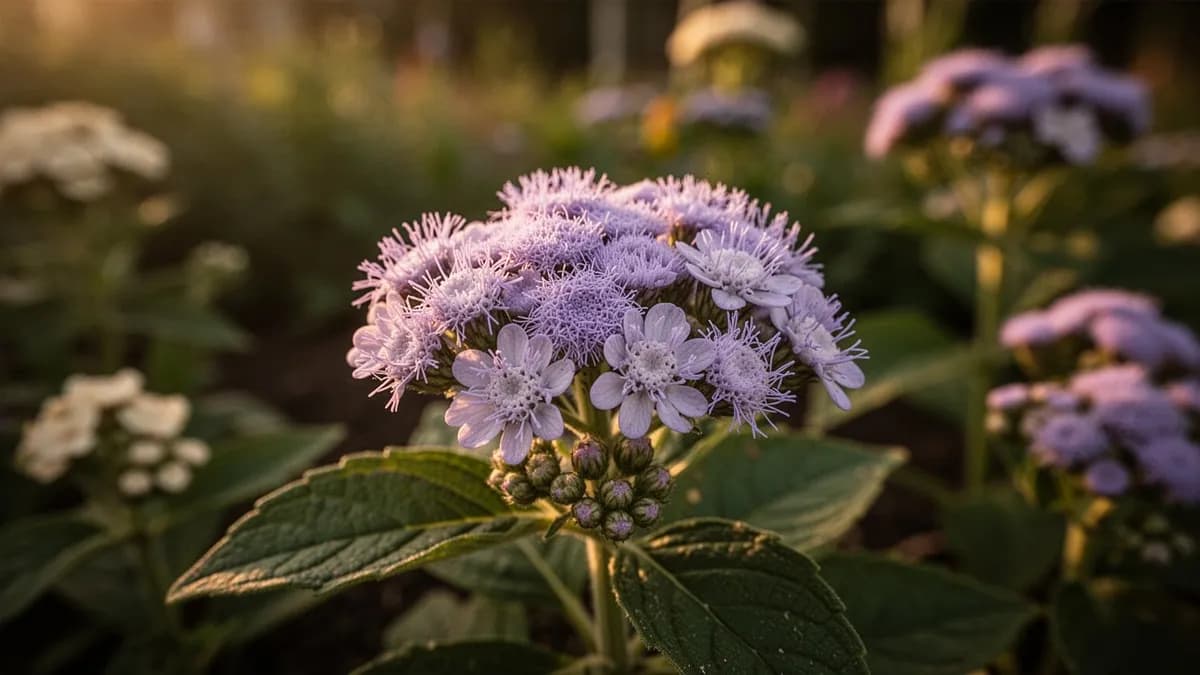
Eine kompakte einjährige Pflanze, die flauschige Blütenköpfchen in Blau, Rosa oder Weiß bildet und den ganzen Sommer über kontinuierlich blüht.





Auf dieser SeiteÜberblick
Ageratum im Überblick
Eine kompakte einjährige Pflanze, die flauschige Blütenköpfchen in Blau, Rosa oder Weiß bildet und den ganzen Sommer über kontinuierlich blüht. Ageratum gedeiht in der vollen Sonne bis zum Halbschatten und profitiert vom regelmäßigen Entfernen verblühter Blüten, um ordentliche Hügel zu erhalten. Es ist eine hervorragende Einfasspflanze und harmoniert gut mit anderen einjährigen Beetpflanzen in Rabatten und Kübeln.
Wann Ageratum pflanzen
Agatatamsamen 6–8 Wochen vor dem letzten erwarteten Frost drinnen aussäen. Die Samen sind sehr fein – mit Sand mischen für eine gleichmäßige Verteilung und auf die Oberfläche feuchter Anzuchterde drücken, ohne sie zu bedecken, da die Samen Licht zur Keimung benötigen. Bei 21–24°C mit gleichmäßiger Feuchtigkeit halten. Die Keimung dauert 7–14 Tage. Jungpflanzen in einzelne Töpfe pikieren, wenn sie zwei echte Blätter haben. Eine Woche lang abhärten, bevor sie nach dem letzten Frost ins Freie gepflanzt werden.
Dein Ageratum-Jahr
Abgestimmt auf Zone 7 · typische Saison · Frost geht um den 2. Apr. und kehrt um den 1. Nov. zurück
Ageratum Apr – Mai pflanzen, Jun – Sep ernten. Beachte die Pflanzmethoden unten und wähle dein Klima für passende Zeiträume.
So baust du Ageratum an
Ageratum ist eine zuverlässige einjährige Beetpflanze, die vom Frühsommer bis zum ersten Frost flauschige Blütenköpfchen bildet. Samen 6–8 Wochen vor dem letzten Frost drinnen aussäen und die winzigen Samen auf die Oberfläche einer feuchten Anzuchterde drücken, ohne sie zu bedecken, da sie Licht zur Keimung benötigen. Jungpflanzen nach dem letzten Frostrisiko ins Freie umpflanzen.
Pflanzen je nach Sorte 15–30 cm voneinander entfernt pflanzen – Zwergsorten für die Einfassung benötigen weniger Platz als höhere Schnittsorten. Ageratum gedeiht am besten in der vollen Sonne, verträgt aber Halbschatten, besonders in heißen südlichen Klimazonen, wo Nachmittagsschatten das Welken verhindert. Den Boden gleichmäßig feucht, aber nicht staunass halten.
Verblühte Blütenköpfchen regelmäßig entfernen, um frische Blüten anzuregen und ein ordentliches Erscheinungsbild zu erhalten. Ageratum profitiert von einem Rückschnitt in der Mitte der Saison, wenn die Pflanzen zu lang werden – um ein Drittel zurückschneiden, und sie treiben innerhalb von zwei Wochen mit neuem Wachstum und Blüten aus.
72 Pflanzen passen in ein Beet von 120 × 240 cm
Ageratum braucht 20 cm Platz pro Pflanze. Der Planer hält diesen Abstand für dich ein — jede Pflanze, jedes Beet.
Die besten Nachbarn für Ageratum
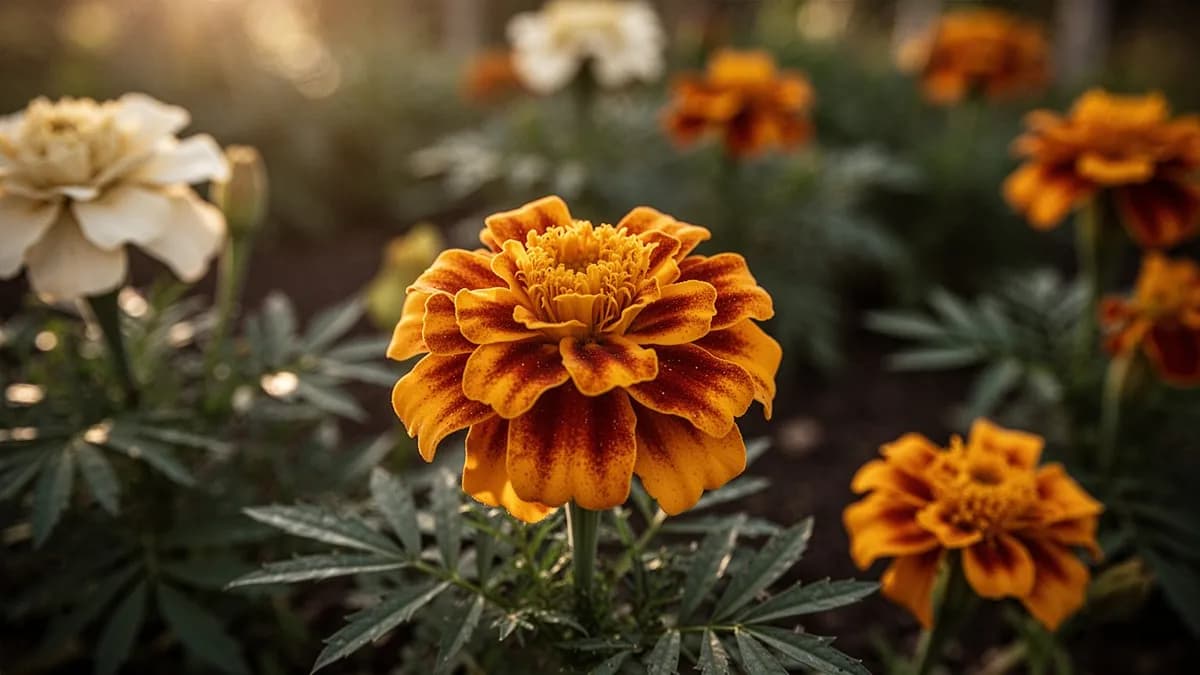
Ageratum ist ein klassischer Begleiter für andere einjährige Beetpflanzen in formellen Rabatten und Kübeln. Die blau-lila Töne kontrastieren wunderschön mit gelben Tagetes, orangen Zinnien und rotem Salbei in traditionellen Sommerfarbkombinationen. Zwergsorten als niedrige Einfassung vor höheren Blumen verwenden. Im Gemüsegarten zieht Ageratum nützliche Schwebfliegen und kleine Schlupfwespen an, die bei der Bekämpfung von Blattläusen auf benachbarten Kulturen helfen.
Studentenblume gehört daneben.
Altes Gärtnerwissen, geprüft an der echten Nachbartabelle von Ageratum — teste jede Pflanze, die du anbaust.
Probiere Ageratum direkt hier im Beet
Ein echtes Planer-Beet, Ageratum steht schon drin. Tippe einen Begleiter an, platziere ihn und sieh, wie die Nachbarschaftsprüfung antwortet — grün für gute Nachbarn, rot bei Streit.


Passende Anbau-Ratgeber
Richtig düngen
Ageratum gedeiht in fruchtbarem, gut durchlässigem Boden mit viel organischem Material und einem pH-Wert von 6,0–7,0. Beete vor dem Einpflanzen mit Kompost verbessern. Beim Pflanzen einen ausgewogenen, langsam freisetzenden Granulatdünger ausbringen und dann alle 3–4 Wochen während der Wachstumsperiode mit einem Flüssigdünger düngen. Übermäßigen Stickstoff vermeiden, da er das Blattwachstum auf Kosten der Blütenbildung fördert.
Ideale Temperatur
Winterhärtezone-Kompatibilität
Von der Saat zur Ernte, Schritt für Schritt
Aussaat
Agatatamsamen sind extrem fein, fast staubartig, und benötigen Licht zur Keimung. Auf die Oberfläche eines feuchten Anzuchtsubstrats säen, ohne sie zu bedecken. Die Samen benötigen eine gleichmäßige Wärme von 21–24°C und keimen in 5–10 Tagen. Vorsichtig mit Wasser besprühen, um die winzigen Samen nicht zu verschieben.
Keimlingsentwicklung
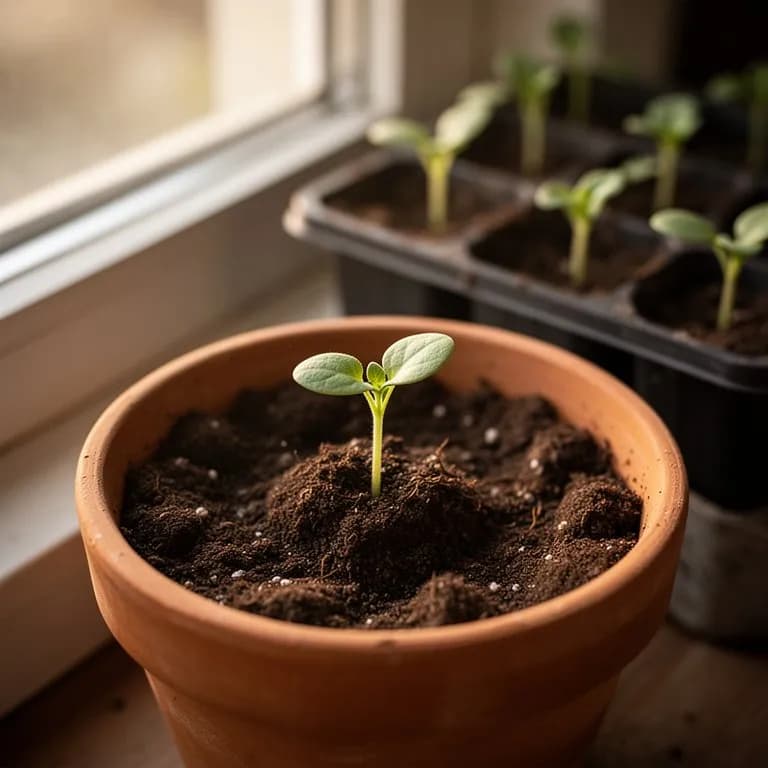
Winzige Keimlinge erscheinen mit runden Keimblättern, gefolgt von den ersten echten Blättern, die herzförmig mit gekerbten Rändern sind. Keimlinge sind in diesem Stadium zart und langsam wachsend. 12–14 Stunden helles Licht geben, um langes, gespreiztes Wachstum zu verhindern.
Vegetatives Wachstum
Die Pflanzen entwickeln ihren charakteristischen Hügelwuchs mit gegenständigen Paaren ovaler bis herzförmiger Blätter an kräftigen, verzweigten Stängeln. Das Laub hat eine leicht raue, behaarte Textur und verströmt beim Anfassen einen milden, moschusartigen Duft. Zwergsorten erreichen 15–20 cm, während höhere Typen bis zu 45–60 cm wachsen.
Knospenentstehung
Dichte Büschel kleiner runder Knospen bilden sich an den Spitzen jedes Astes. Die Knospen sind zunächst grün, nehmen aber allmählich Andeutungen der reifen Blütenfarbe an. Die Pflanze erreicht in dieser Phase ihre volle Höhe und die hügelige Form wird gut etabliert.
Vollblüte
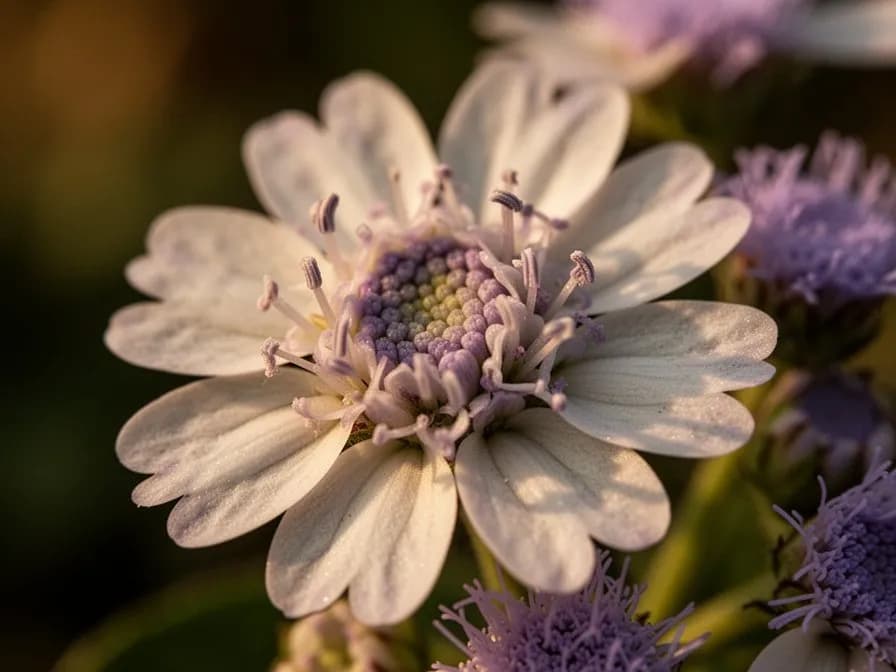
Dichte, flauschige Blütenköpfchen öffnen sich in Blau-, Lavendel-, Lila-, Rosa- oder Weißtönen. Jedes Köpfchen besteht aus vielen winzigen röhrenförmigen Einzelblüten mit herausragenden Griffeln, die dem Ageratum sein charakteristisches flauschiges, puderkissenartiges Aussehen verleihen. Die Blüte ist kontinuierlich vom Frühsommer bis zum ersten Herbstfrost.
Samenbildung und Rückgang
Wenn die Temperaturen im Herbst sinken, verlangsamt sich die Blüte und verblühte Blüten entwickeln kleine trockene Samenkapseln mit winzigen Achänensamen. Das Laub kann sich gelb färben und die Pflanze verliert an Kraft. Ageratum ist frostempfindlich und wird durch den ersten starken Frost abgetötet.
Samen nicht mit Erde bedecken. Leicht auf die Oberfläche drücken und eine Anzuchthaube oder Frischhaltefolie verwenden, um die Feuchtigkeit zu erhalten. Unterguß verhindert, dass die Samen weggespült werden.
Ageratum Monat für Monat pflegen
Was du jeden Monat für deine Ageratum tun solltest
Oktober
Aktueller MonatNachdem der erste Frost die Pflanzen abgetötet hat, verbrauchte Agatatumpflanzen entfernen und auf den Komposthaufen geben. Notizen festhalten, welche Sorten sich im Garten am besten bewährt haben. Behälter für Agatatumbepflanzungen reinigen und einlagern.
Immer wissen, was jetzt im Garten zu tun ist
Eine E-Mail zum Monatsanfang: was du jetzt säen, pflanzen und anpacken solltest — für deine Ageratum und alles, was drumherum wächst. Dazu ein kurzer Startkurs, der dich vor den klassischen Fehlern bewahrt.
- Was jetzt zu tun ist
- Passend zu deiner Saison
- Startkurs inklusive
Ageratum ernten
Ageratum ist eine charmante Füllblume für kleine Arrangements. Stängel schneiden, wenn die Blütenköpfchen etwa zu drei Vierteln geöffnet sind, und Stängel mit mehreren Köpfchen für den besten Effekt wählen. Früh am Morgen schneiden und die unteren Blätter entfernen. In kühles Wasser mit Schnittblumenfrischhaltemittel stellen. Die flauschigen Blütenköpfchen halten 5–7 Tage in der Vase und ergänzen Rosen, Zinnien und andere Sommerblumen wunderschön.
angenommen, du pflanzt zu Beginn des Zeitraums — trage dein tatsächliches Datum ein
Ernte Ageratum zügig, dann trägt die Pflanze weiter.
Lagerung & Konservierung
Agatatumblüten können für dauerhafte Arrangements getrocknet werden, verlieren dabei aber viel ihrer Farbe. Kleine Bündel zwei Wochen lang kopfüber an einem dunklen, warmen, gut belüfteten Ort aufhängen. Die blauen Sorten behalten beim Trocknen mehr Farbe als rosa oder weiße. Ageratum ist einjährig und wird nicht als Zwiebel oder Knolle gelagert – Samen von getrockneten Blütenköpfchen für das nächste Jahr sammeln, indem man sie in einen Umschlag schüttelt und kühl und trocken lagert.
Was schiefgeht — und die Lösung
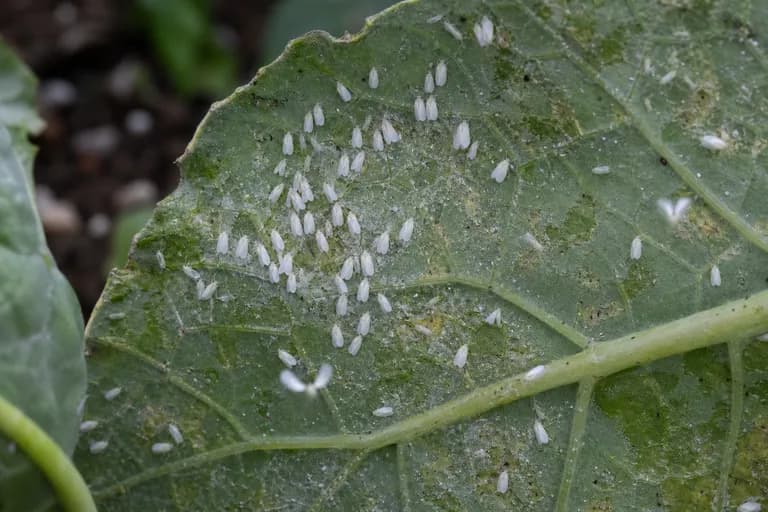
Weiße Fliegen
SchädlingWinzige weiße fliegende Insekten auf der Blattunterseite. Blätter werden gelb und klebrig durch Honigtau. Rußtau kann sich entwickeln.
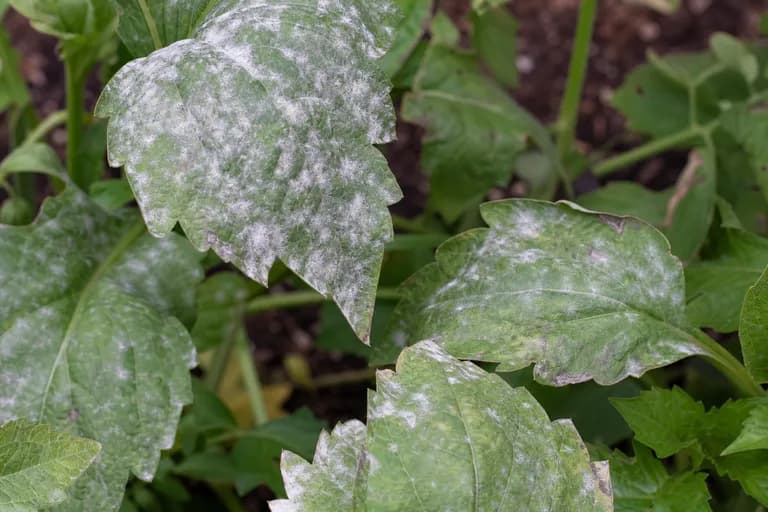
Echter Mehltau
KrankheitWeißer, pudriger Belag auf Blättern und Stängeln, besonders bei feuchten Bedingungen und schlechter Luftzirkulation.
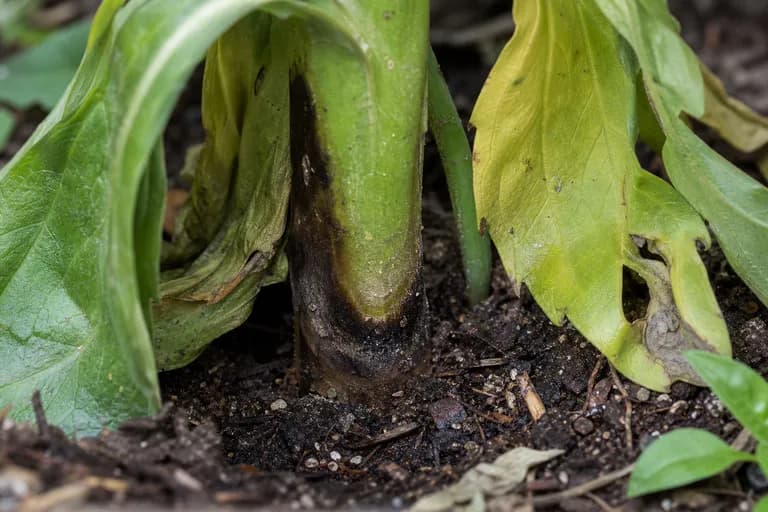
Kronenfäule
KrankheitPflanzen welken plötzlich trotz ausreichender Feuchtigkeit. Stängel werden an der Bodenlinie dunkel und weich.
Fehlerbehebung bei häufigen Problemen
Hängendes, spärliches Wachstum deutet meistens auf unzureichendes Licht hin – Ageratum benötigt mindestens 6 Stunden direkte Sonne für einen kompakten Wuchs. Pflanzen, die im Hochsommer aufhören zu blühen, leiden unter Hitzestress; Nachmittagsschatten geben und den Boden bei extremer Hitze feucht halten. Spinnmilben können bei trockenen Bedingungen ein Problem sein – die Luftfeuchtigkeit um die Pflanzen erhöhen. Selbst ausgesäte Keimlinge vom Vorjahr entsprechen selten dem kompakten Wuchs der Elternsorte.
Anbautipps
- Samen 8–10 Wochen vor dem letzten Frosttermin drinnen aussäen für die frühesten Blüten. Oberflächlich auf feuchtem Anzuchtsubstrat säen und nicht bedecken, da Agatatamsamen Licht zur Keimung benötigen. Temperaturen von 21–24°C für beste Ergebnisse einhalten.
- Warten, bis das Frostrisiko vollständig vorbei ist und die Bodentemperaturen konstant über 15°C liegen, bevor Keimlinge ins Freie umpflanzt werden. Ageratum ist extrem frostempfindlich und selbst ein leichter Frost tötet junge Pflanzen ab.
- Zwergsorten 15–20 cm auseinander und höhere Schnittsorten 25–30 cm auseinander pflanzen, um gute Luftzirkulation zu ermöglichen und gleichzeitig ein volles, hügeliges Erscheinungsbild zu erreichen. Überfüllte Pflanzen sind anfälliger für Echten Mehltau.
- Die Wachstumsspitzen junger Pflanzen abkneifen, wenn sie 8–10 cm hoch sind, um die Verzweigung und einen buschigeren Wuchs zu fördern. Dieses einzelne Abkneifen führt zu deutlich mehr Blütenköpfchen und einer attraktiveren Hügelform.
- Gleichmäßig wässern und etwa 2,5 cm pro Woche geben. Ageratum bevorzugt gleichmäßig feuchten, aber nicht staunassen Boden. Tropfbewässerung oder Perlschläuche sind ideal, da Überkopfbewässerung Pilzkrankheiten am dichten Laub fördern kann.
- Alle zwei bis drei Wochen mit einem ausgewogenen wasserlöslichen Dünger wie 10-10-10 während der Wachstumsperiode düngen. Stickstoffreiche Formulierungen vermeiden, die blattriges Wachstum auf Kosten der Blütenproduktion fördern.
- Verblühte Blütenköpfchen regelmäßig abschneiden, indem man sie direkt unterhalb der verblassten Blüten abkneift. Ageratum hat eine gewisse Selbstreinigungsfähigkeit, sieht aber am besten aus und blüht kontinuierlicher bei regelmäßiger Pflege.
- Ageratum neben höheren Begleitpflanzen wie Zinnien, Salbei und Ziergräsern pflanzen, die in heißen Klimazonen Nachmittagsschatten bieten. Ageratum wächst am besten mit etwas Schutz vor intensiver Mittagssonne in Regionen mit Temperaturen über 32°C.
- Auf Weiße Fliegen achten, die der häufigste Schädling an Ageratum sind. Die Blattunterseiten regelmäßig überprüfen und frühe Befälle mit Insektizidseife oder Neemöl-Spray behandeln, das früh morgens oder abends ausgebracht wird.
- In feuchten Klimazonen für gute Luftzirkulation um die Pflanzen sorgen, um das Risiko von Echtem Mehltau und Botrytis zu reduzieren. Beim Gießen das Laub nicht benetzen und vergilbende oder erkrankte Blätter umgehend entfernen, um eine Ausbreitung zu verhindern.
Bau deine beste Ageratum an — und alles drumherum.
Starte heute kostenlos. Lege deine Beete an, setze deine Ageratum ein und lass PlotMyGarden Timing, Abstände, Begleiter und Erinnerungen von der Saat bis zum Erntekorb übernehmen.
Finde deine Ageratum
Ageratum 'Blue Horizon'
Eine hohe Schnittsorte, die 60–75 cm hoch wird und große, tiefblaue Blütenköpfchen auf langen Stängeln bildet. Hervorragend für Arrangements.
Ageratum 'Blue Danube'
Kompakte, 15–20 cm hohe Pflanzen mit puderblau gefärbten Blüten. Die klassische Wahl für niedrige Einfassungen und Kübel.
Ageratum 'Hawaii'-Serie
Sehr zwergwüchsig mit 10–15 cm, dichtem Wuchshabitus in Blau, Weiß und Königslila. Ideal für formelle Beetbepflanzungen.
Ageratum 'Artist Purple'
Satte violett-lila Blüten auf kompakten, 20 cm hohen Pflanzen. Hitzebeständig und langblühend, selbst in südlichen Gärten.
Ein einzelnes Päckchen Agatatamsamen kostet 2–4 € und enthält 500–1.000 Samen, genug um Dutzende Pflanzen zu produzieren, die vom Frühsommer bis zum Frost kontinuierlich blühen. Sechser-Packungen Agatatumjungpflanzen kosten im Gartencenter typischerweise 4–6 €, was bedeutet, dass das Anziehen aus Samen etwa 80 % gegenüber dem Kauf von Jungpflanzen spart. Eine Schale mit 36 im Gartencenter gezogenen Agatatumpflanzen kann 20–30 € kosten, während dieselbe Anzahl aus einem 3-€-Samenpaket nur wenige Cent pro Pflanze kostet. Für Gärtner, die Ageratum als Einfassung oder in Massenpflanzungen verwenden und 50–100 Pflanzen benötigen, kann das Anziehen aus Samen zu Hause 50–100 € oder mehr pro Saison sparen. Die Pflanzen produzieren auch Samen, die für kostenfreies Pflanzenmaterial in den folgenden Jahren gesammelt werden können.
Schnelle Rezepte
Ageratum-Trockenblumen-Potpourri
20 Min. aktiv, 1–2 Wochen TrocknungEine duftende und farbenfrohe Potpourri-Mischung mit getrockneten Agatatumblüten und ergänzenden Kräutern und Blumen. Die Agatatumblüten behalten beim Trocknen ihre blau-lila Farbe wunderschön und verleihen der Mischung einen seltenen kühlen Ton. In dekorativen Schalen im Haus aufstellen als natürlichen Lufterfrischer.
7 Zutaten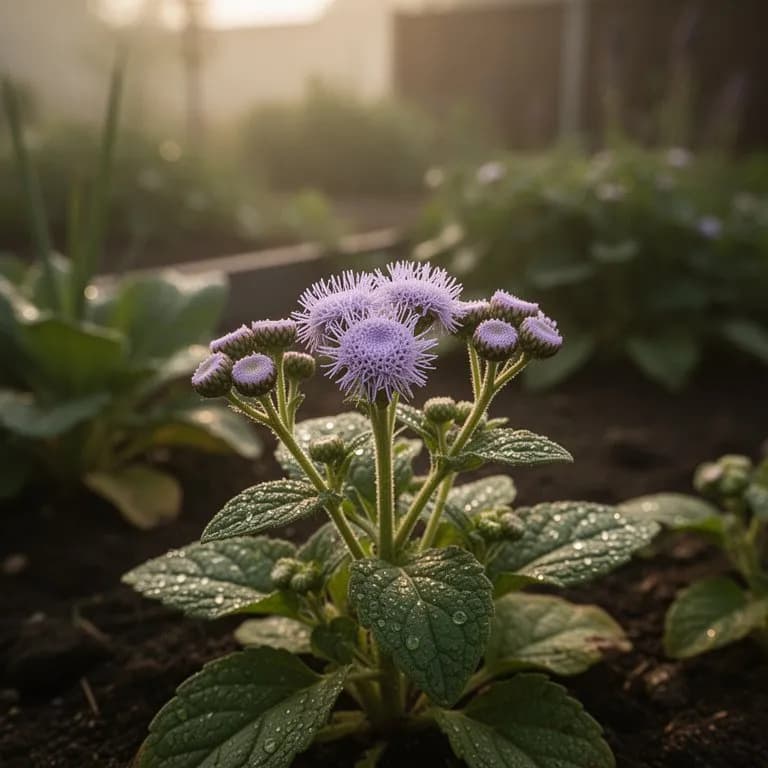
Frischer Ageratum-Schnittblumenstrauß
15 Min.Ein atemberaubender gemischter Strauß mit Ageratum als weicher, strukturierter Füllblume neben Gartenrosen und Grün. Die flauschigen blauen Blütenköpfchen bieten einen wunderschönen Kontrast zu kräftigeren Blüten und verleihen jedem Tischaufsatz einen entspannten, landhausgartenartigen Charme.
6 ZutatenAgeratum-Pressblumenbild
10 Min. aktiv, 2–3 Wochen PressenDie zarte Schönheit der flauschigen blauen Agatatumblütenköpfchen konservieren, indem man sie flach presst, um sie in botanischer Kunst, Grußkarten und gerahmten Exponaten zu verwenden. Die winzigen Einzelblüten pressen wunderschön und behalten ihre Farbe, was sie ideal für naturgeprägte Bastelprojekte macht.
6 ZutatenWas drinsteckt
Gesundheitsvorteile
- Ageratum wird weder als Nahrungsmittel noch als Kräutertee verzehrt, aber seine nektarreichen Blüten unterstützen die Gesundheit von Bestäubern, indem sie für Schmetterlinge, Bienen und andere nützliche Insekten während der gesamten Wachstumsperiode eine verlässliche Nahrungsquelle bieten.
- Das Anbauen von Ageratum im Garten fördert das seelische Wohlbefinden durch die therapeutischen Vorteile des Gärtnerns selbst, einschließlich Stressabbau, verbesserter Stimmung und einem Gefühl der Erfüllung beim Pflegen lebender Pflanzen.
- Das Vorhandensein von blühendem Ageratum in Wohnräumen und Gärten wurde mit reduzierter Angst und verbessertem emotionalen Wohlbefinden in Verbindung gebracht, was mit der Forschung über die psychologischen Vorteile der Exposition gegenüber Blumen und natürlicher Schönheit übereinstimmt.
- Die kontinuierliche Blütegewohnheit von Ageratum bietet anhaltenden optischen Genuss vom Frühsommer bis zum Frost und unterstützt die mentalen Gesundheitsvorteile, die mit längerem Kontakt mit der Natur und saisonalem Gartenengagement verbunden sind.
- Das Einbeziehen von Ageratum in Bestäubungsgärten hilft, lokale Ökosysteme aufrechtzuerhalten und trägt zur allgemeinen Umweltgesundheit bei, die letztendlich menschliche Nahrungssysteme durch verbesserte Bestäubung von Nutzpflanzen unterstützt.
- Die Pflege von Ageratum in Kübeln auf Balkonen und Terrassen bietet sanfte körperliche Aktivität und eine Verbindung zur Natur für Stadtbewohner, die möglicherweise nur begrenzten Zugang zu Grünflächen und Gartenmöglichkeiten haben.
Woher Ageratum stammt
Ageratum houstonianum, allgemein als Leberbalsam bekannt, ist im südöstlichen Mexiko, Belize, Guatemala und Honduras beheimatet, wo es als kurzlebige Staude in tropischen und subtropischen Lebensräumen wächst, darunter offene Felder, Straßenränder und Waldlichtungen von Meereshöhe bis etwa 2.500 Meter Höhe. Die Art wurde erstmals im frühen 18. Jahrhundert von europäischen Botanikern dokumentiert, als der schottische Chirurg und Pflanzensammler William Houston um 1733 Exemplare aus Veracruz, Mexiko, an europäische Gärten schickte. Der schwedische Botaniker Carl Linnaeus benannte daraufhin die Gattung Ageratum, in Anlehnung an das griechische Wort 'ageratos' für nicht alternd, in Bewunderung der Blütenköpfchen, die ihre Farbe und Form weit länger als die meisten Blüten behalten. Bis zum späten 18. Jahrhundert war Ageratum zu einer beliebten Zierpflanze in europäischen Gewächshäusern und formellen Gärten geworden, geschätzt für den seltenen echten Blauton seiner Blüten. Im 19. Jahrhundert entwickelten Pflanzenzüchter in Deutschland, England und Frankreich verbesserte Kultivare mit kompakterem Wuchs und reicheren Blütenfarben und verwandelten die hochgewachsene Wildart in die ordentlichen, hügeligen Beetpflanzen, die wir heute kennen. Die Einführung von F1-Hybridsorten in den 1960er und 1970er Jahren brachte beispiellose Einheitlichkeit in Höhe, Blütezeit und Farbe und festigte Ageratums Status als eine der zuverlässigsten einjährigen Blumen für Rabatten, Einfassungen und Massenpflanzungen. Heute wird sie weltweit in gemäßigten und tropischen Regionen kultiviert. Obwohl als Zierpflanze geschätzt, hat sich Ageratum in Teilen des tropischen Afrikas, Asiens, Australiens und der Pazifikinseln eingebürgert, wo es in landwirtschaftlichen Gebieten zu einem aggressiven Unkraut werden kann. In seinem natürlichen Verbreitungsgebiet nutzten indigene Gemeinschaften traditionell Agatatumblattpräparate äußerlich als Umschlag für kleine Wunden und Hautreizungen, obwohl der innere Gebrauch wegen der Pyrrolizidinalkaloide im Laub nicht empfohlen wird.
Ageratum: Schon gewusst?
Faszinierende Fakten über Ageratum
Der Name Ageratum stammt vom griechischen Wort 'ageratos', was 'nicht alternd' oder 'zeitlos' bedeutet – ein Hinweis auf die bemerkenswert langanhaltende Qualität seiner Blüten, die wochenlang ihre Farbe behalten, ohne zu verblassen.
Ageratum: Fragen & Antworten
Wann sollte ich Ageratum pflanzen?
Was sind gute Begleitpflanzen für Ageratum?
In welchen Winterhärtezonen kann Ageratum wachsen?
Wie viel Sonne braucht Ageratum?
Welchen Abstand sollte ich zwischen Ageratum lassen?
Welche Schädlinge und Krankheiten befallen Ageratum?
Wie lagere ich Ageratum nach der Ernte?
Was sind die besten Ageratum-Sorten zum Anbauen?
Welchen Boden braucht Ageratum?
Ist Ageratum eine Staude oder eine einjährige Pflanze?
Welche Agatatamsorten eignen sich am besten für Gartenrabatten?
Ist Ageratum giftig für Haustiere oder Menschen?
Warum blühen meine Agatatampflanzen nicht?
Kann ich Ageratum in Kübeln anbauen?
Wie kann ich Agatatamsamen für das nächste Jahr sammeln?
Du hast die Theorie gelesen. Jetzt baue sie auf Autopilot an.
Alles, was Ageratum knifflig macht — das Timing, die Abstände, die Begleiter, das Erntefenster — genau das übernimmt PlotMyGarden für dich, für jede Pflanze im Garten.
Ein Plan, der dein Wetter kennt
Standort einmal festlegen. Aussaat-, Dünge- und Erntedaten rund um deinen echten letzten Frosttermin und die Live-Vorhersage — kein Raten mehr nach Saattüte.
Aus dem Abschnitt „Pflanzzeit“Beetplaner per Drag & Drop
Beete auf einem Raster gestalten. Jede Pflanze rastet im richtigen Abstand ein, und du siehst die ganze Saison, bevor du einen Cent für Saatgut ausgibst.
Aus dem Abschnitt „Anbau“Begleiter-Konflikte früh erkannt
Über 200 gute und schlechte Kombinationen werden beim Pflanzen live geprüft — so landet ein saisonruinierender Fehler nie in der Erde.
Aus dem Abschnitt „Begleiter“Erinnerungen, nach denen du wirklich handelst
„Gieß die Bohnen.“ „Heute ernten, bevor's umschlägt.“ Pünktlich, konkret und auf deine echten Pflanzen bezogen.
Aus dem Abschnitt „Ernte“Staffel-Aussaat, geplant
Sechs Wochen ernten statt sechs Tage? Die App verteilt deine Aussaaten automatisch und erinnert dich, wenn der nächste Satz fällig ist.
Aus dem Abschnitt „Pflanzzeit“Ein Verlauf, der schlauer wird
Jede protokollierte Ernte bringt der App deinen Garten bei. Der Plan fürs nächste Jahr startet bei dem, was in deinem Boden wirklich funktioniert hat.
Aus dem Abschnitt „Überblick“Pflanze diese neben Ageratum
Weitere Einjährige
Bau deine beste Ageratum an — und alles drumherum.
Starte heute kostenlos. Lege deine Beete an, setze deine Ageratum ein und lass PlotMyGarden Timing, Abstände, Begleiter und Erinnerungen von der Saat bis zum Erntekorb übernehmen.