Calabaza de Cera
La calabaza de cera (Benincasa hispida) es una cucurbitácea tropical originaria del sudeste asiático que produce frutos de gran tamaño, pudiendo alcanzar hasta 30 kg.





En esta páginaResumen
Conoce Calabaza de Cera
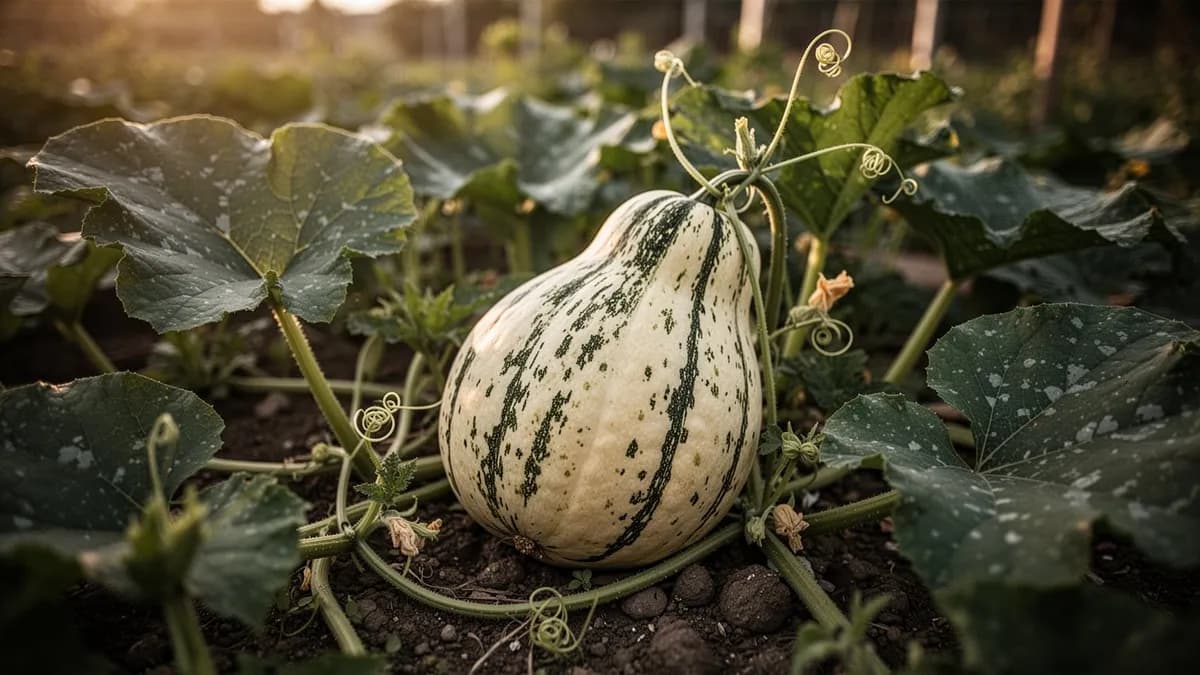
La calabaza de cera (Benincasa hispida) es una cucurbitácea tropical originaria del sudeste asiático que produce frutos de gran tamaño, pudiendo alcanzar hasta 30 kg. Su nombre proviene de la capa cerosa blanca que recubre el fruto maduro, la cual le confiere una excelente capacidad de conservación. Es un ingrediente fundamental en la cocina asiática, especialmente en sopas, guisos y dulces confitados.
Cuándo plantar Calabaza de Cera
Siembre las semillas en interior 4-6 semanas antes del trasplante final, a 2-3 cm de profundidad en macetas individuales grandes. Mantenga la temperatura del sustrato entre 25 y 30 °C para una germinación óptima en 7-10 días. Trasplante al exterior con mucho cuidado de no dañar las raíces cuando las plántulas tengan 3-4 hojas verdaderas.
Tu año de Calabaza de Cera
Ajustado a Zona 7 · temporada típica · la helada se va hacia el 2 abr y vuelve hacia el 1 nov
Planta Calabaza de Cera Abr – Jun y cosecha Ago – Oct. Consulta los métodos de plantación y elige tu clima para adaptar los periodos.
Cómo cultivar Calabaza de Cera
La calabaza de cera es una planta tropical vigorosa que necesita una temporada de crecimiento larga y cálida de al menos 120 días. Cultívela a pleno sol en un lugar protegido del viento, con temperaturas diurnas superiores a 25 °C. Las guías pueden extenderse varios metros, por lo que necesita amplio espacio o un soporte robusto tipo emparrado para guiar el crecimiento vertical.
Siembre las semillas en interior 4-6 semanas antes del trasplante, a una profundidad de 2-3 cm en macetas individuales con sustrato cálido. La germinación requiere temperaturas de 25-30 °C y ocurre en 7-10 días. Trasplante al exterior cuando las temperaturas nocturnas superen los 18 °C, espaciando las plantas 1,5-2 metros entre sí.
Riegue regularmente y de forma abundante durante toda la temporada de crecimiento, especialmente durante la floración y formación de frutos. Aplique un acolchado orgánico grueso para conservar la humedad y controlar malezas. Fertilice cada 2-3 semanas con un abono rico en potasio una vez que comiencen a formarse los frutos.
Para Calabaza de Cera un bancal de 120 × 240 cm se queda corto
Cada Calabaza de Cera pide 150 cm de margen. El planificador guarda ese marco por ti — cada planta, cada bancal.
Los mejores vecinos de Calabaza de Cera
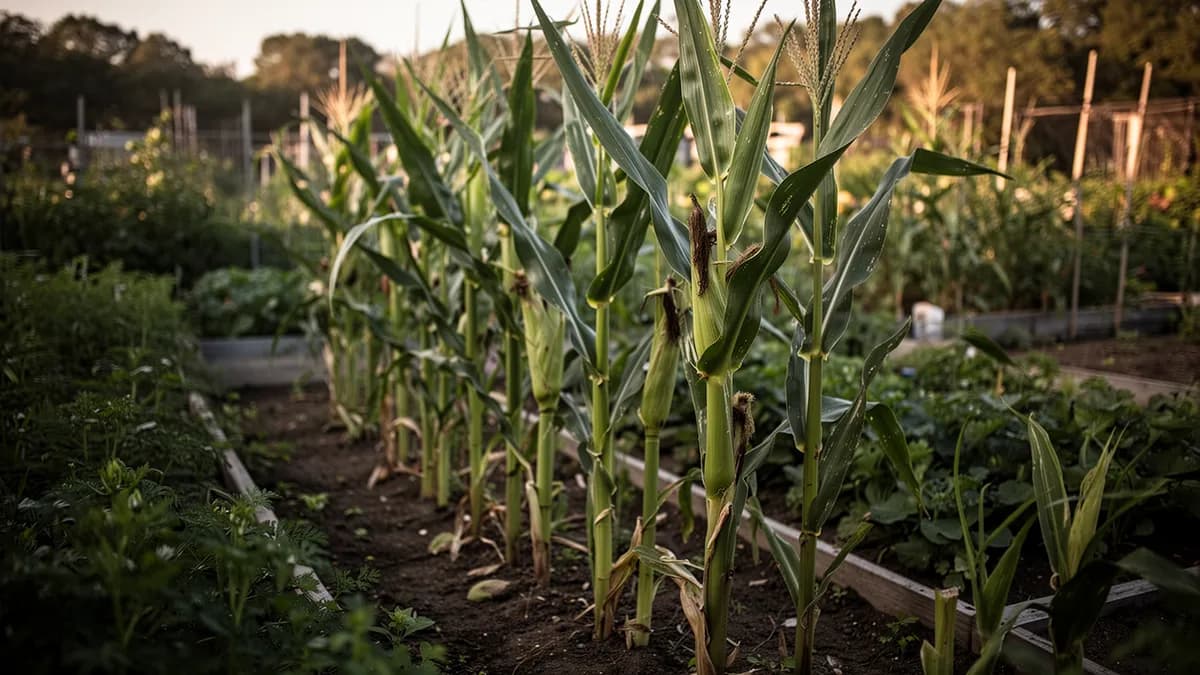
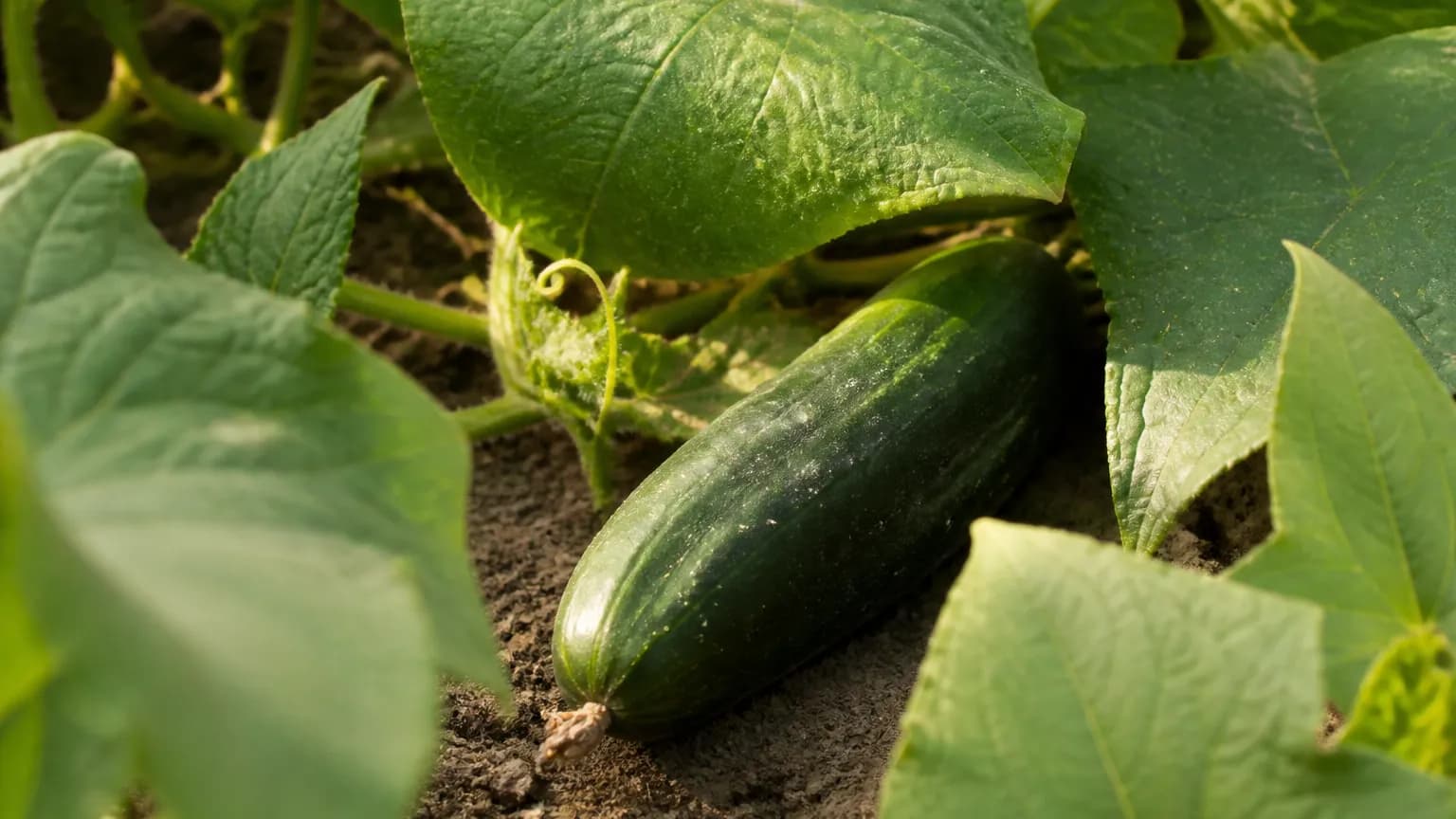
Crece bien junto al maíz, que puede servir de soporte natural para sus guías, y con frijoles que fijan nitrógeno en el suelo. Evite plantar junto a otras cucurbitáceas para prevenir la propagación de plagas y enfermedades compartidas como el oídio y los virus del mosaico.
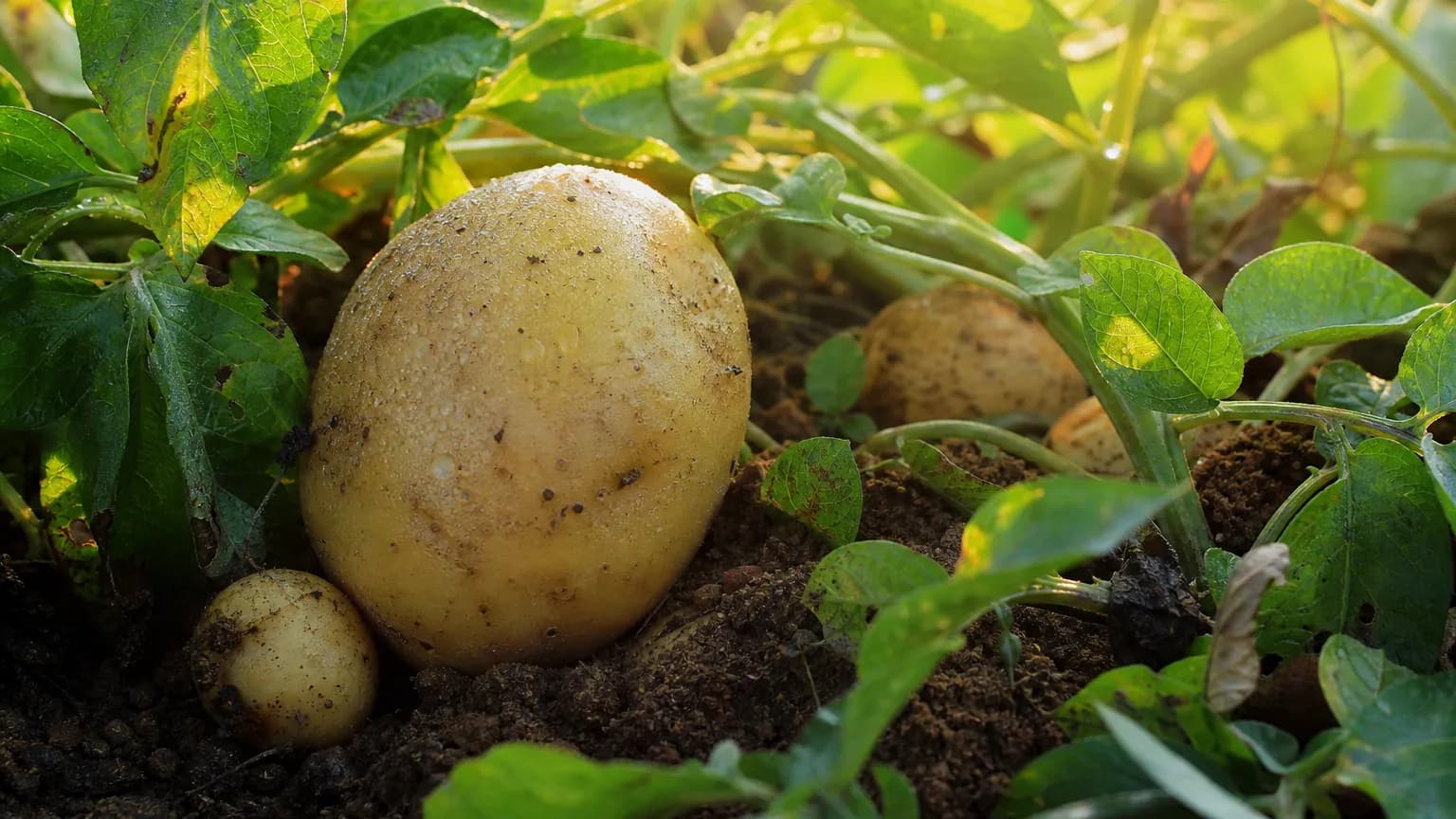
Maíz va a su lado. Papa no.
Saber de huerto de siempre, cotejado con la tabla real de Calabaza de Cera — prueba cualquier planta que cultives.
Prueba Calabaza de Cera en un bancal, aquí mismo
Un bancal real del planificador con Calabaza de Cera ya plantado. Toca una planta compañera para colocarla y mira cómo responde la comprobación de vecinos: verde para buenos vecinos, rojo si hay conflicto.


Guías de cultivo relacionadas
Abónalo bien
Requiere suelo fértil, profundo y bien drenado, rico en materia orgánica, con pH entre 6,0 y 7,0. Incorpore abundante compost o estiércol bien descompuesto antes de la siembra. Fertilice con abono equilibrado al inicio y aumente el potasio durante la fructificación para mejorar la calidad y conservación de los frutos.
Temperatura ideal
Compatibilidad de zonas de rusticidad
De la semilla a la cosecha, etapa por etapa
Germinación
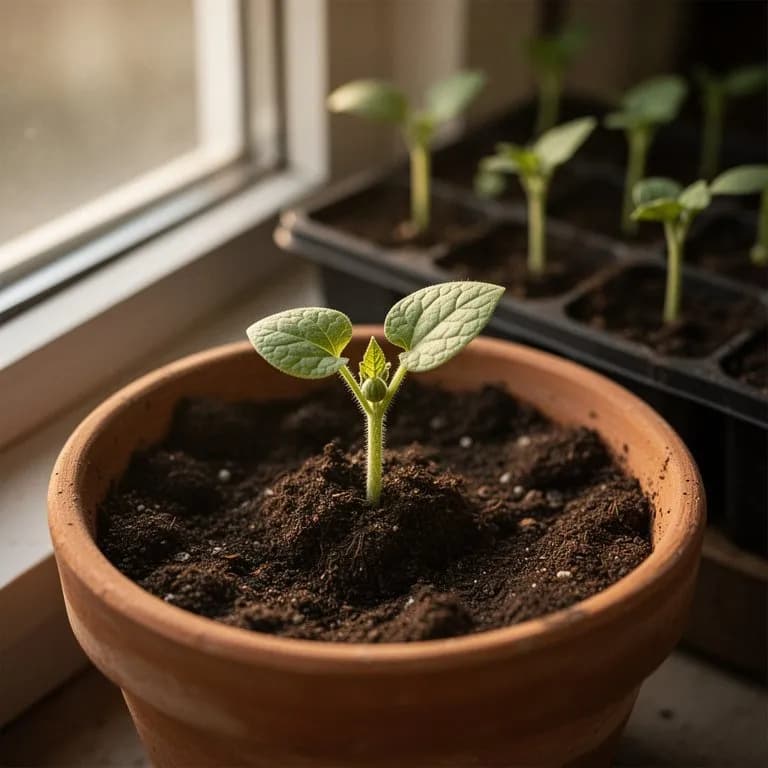
Las semillas grandes y planas germinan en 7-14 días cuando la temperatura del suelo alcanza al menos 21 °C. Las plántulas vigorosas primero asoman cotiledones anchos y luego rápidamente las primeras hojas verdaderas con su característica forma lobulada. Las semillas se pudren en suelo frío o encharcado.
Plántula y establecimiento de las enredaderas
Las hojas verdaderas se expanden rápidamente, mostrando márgenes profundamente lobulados típicos de las cucurbitáceas. Los zarcillos empiezan a formarse mientras la enredadera inicia su expansión. El sistema radicular se desarrolla ampliamente durante esta fase, construyendo la base necesaria para sostener frutos pesados más adelante en la temporada.
Expansión rápida de la enredadera
Las enredaderas entran en una fase de crecimiento explosivo, extendiéndose 15-30 cm por día en clima cálido y produciendo hojas muy grandes y ásperamente pilosas que crean un dosel denso. Las ramas laterales se extienden en todas direcciones y una sola planta puede cubrir 10 metros cuadrados o más. Esta fase exige muchos nutrientes y agua constante.
Desarrollo del fruto
Los frutos polinizados se hinchan de forma constante, ganando 0,5–1 kg por semana en condiciones óptimas. El fruto joven está cubierto de finos pelos blancos que desaparecen gradualmente a medida que se desarrolla la característica capa cerosa sobre la corteza endurecida. La forma del fruto va de redonda a oblonga según la variedad, alcanzando 30–80 cm de largo y 5–25 kg en madurez.
Madurez y cosecha
El fruto alcanza su tamaño completo y la capa blanca cerosa se espesa hasta convertirse en un recubrimiento polvoriento, parecido a la tiza, que cubre toda la superficie. La corteza bajo la cera se endurece hasta volverse de un verde intenso y resiste la presión de la uña. El tallo que une el fruto a la enredadera se seca y empieza a agrietarse. Una calabaza wax madura suena hueca al golpearla con firmeza.
Poscosecha y almacenamiento
El fruto cosechado sigue siendo utilizable durante mucho tiempo gracias a su recubrimiento ceroso natural. Las porciones cortadas deben tratarse por separado de los frutos enteros para conservar mejor su calidad de almacenamiento.
Remoja las semillas en agua tibia durante 12-24 horas antes de plantarlas para ablandar la cubierta y mejorar la germinación. Comienza en interior 4-6 semanas antes de la última helada usando macetas biodegradables para no dañar la raíz pivotante sensible durante el trasplante. Usa una manta térmica ajustada a 27 °C.
Cuidar Calabaza de Cera mes a mes
Qué hacer cada mes para tu Calabaza de Cera
Octubre
Mes actualComplete all harvesting before the first frost — wax gourd is killed instantly by freezing temperatures. Cure harvested fruit in a warm, well-ventilated area at 25-30°C for 7-10 days. Move cured fruit to cool, dry storage at 13-15°C (55-60°F) for long-term keeping.
Ten claro qué hacer en tu huerto, cada mes
Un correo al empezar cada mes: qué sembrar, plantar y hacer ahora mismo — para tu Calabaza de Cera y todo lo que crece alrededor. Más un breve curso inicial para esquivar los errores clásicos.
- Qué hacer ahora mismo
- Ajustado a tu temporada
- Curso inicial incluido
Cosechar Calabaza de Cera
La calabaza de cera está lista para cosechar cuando la capa cerosa blanca es claramente visible en la superficie del fruto, generalmente entre 90 y 120 días después de la siembra. Los frutos inmaduros también pueden cosecharse cuando tienen 20-30 cm para consumo como verdura tierna. Corte el pedúnculo con un cuchillo afilado dejando varios centímetros de tallo.
se supone que plantas al comenzar el periodo — indica tu fecha real
Cosecha los frutos cuando la cubierta blanca y cerosa esté completamente desarrollada y el tallo esté seco, normalmente 100–120 días después de la siembra.
Almacenamiento y conservación
Gracias a su capa cerosa protectora, la calabaza de cera entera se conserva durante varios meses en un lugar fresco y seco (12-15 °C). Una vez cortada, envuelva las porciones en film plástico y refrigere; se mantienen 5-7 días. La pulpa puede cortarse en cubos y congelarse, o prepararse en conservas dulces confitadas tradicionales.
Qué falla — y cómo solucionarlo
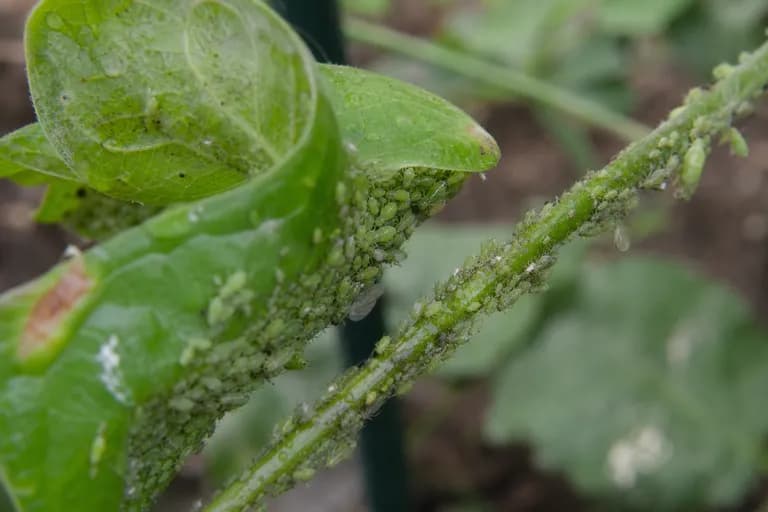
Oídio
EnfermedadManchas blancas pulverulentas en hojas y tallos que se expanden progresivamente, reduciendo la capacidad fotosintética de la planta.
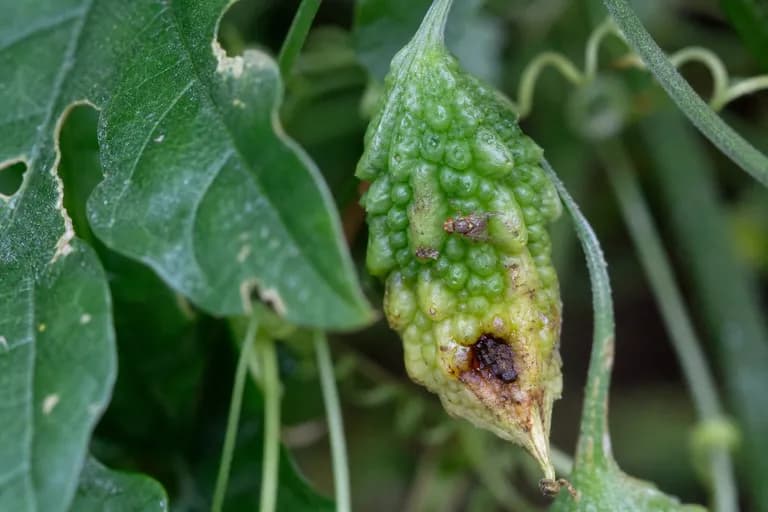
Mosca de la fruta
PlagaLarvas que perforan los frutos jóvenes causando pudrición interna, deformación y caída prematura de los frutos.
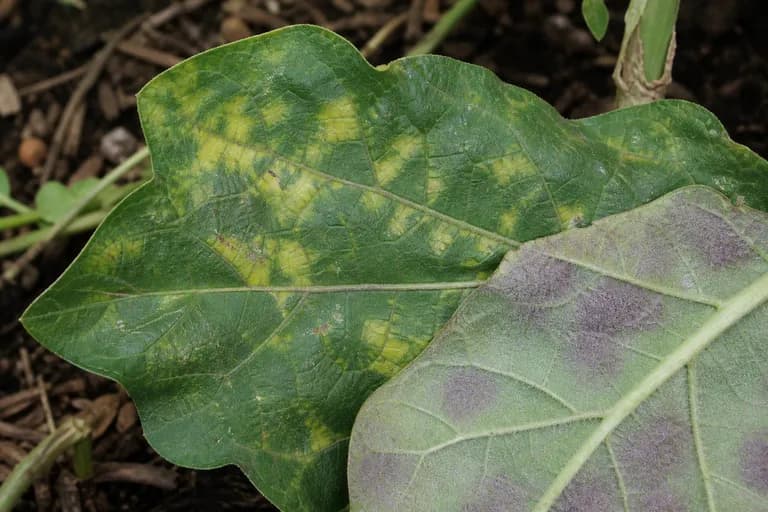
Mildiu velloso
EnfermedadManchas angulosas amarillentas en las hojas delimitadas por las nervaduras, con un moho grisáceo en el envés en condiciones húmedas.
Solución de problemas comunes
El mayor desafío es proporcionar suficiente espacio y calor para su desarrollo completo; en climas fríos o templados, la temporada puede ser demasiado corta. Los frutos de gran tamaño necesitan soporte si se cultivan en espaldera. La polinización insuficiente causa frutos deformes o aborto de frutos.
Consejos de cultivo
- Plan for space above all else. A single wax gourd vine can cover 10-15 square meters of ground by midsummer. If space is limited, grow vertically on a trellis rated for at least 25-30 kg per fruit, and support developing gourds with fabric slings or mesh bags tied to the frame.
- Start seeds indoors 4-6 weeks before the last frost to gain a head start on the long 140-170 day growing season. In zones 7-8, this indoor start is essential — without it, fruit may not have time to fully mature and develop the thick waxy coating needed for long storage.
- Wax gourd is an extremely heavy feeder. Prepare beds with at least 10-15 cm of compost and generous amounts of well-rotted manure before planting. Side-dress with balanced fertilizer every 2-3 weeks during active vine growth, then switch to potassium-rich feed once fruit begins developing.
- Hand-pollinate for guaranteed fruit set. Female flowers open for only a few hours in the early morning, and if bees miss them, no fruit forms. Use a small brush or remove a male flower entirely and touch its pollen to the female flower's stigma before 10 AM.
- Protect developing fruit from soil contact to prevent bottom rot. Place each gourd on a straw mat, wooden board, or elevated melon cradle — this is especially critical in humid climates or during rainy periods when soil-borne fungi are most active.
- Reduce watering gradually as fruit approaches maturity to concentrate flavors and encourage the rind to harden. Overwatering during the final ripening phase can cause the fruit to crack or develop a thin waxy coating that reduces storage life.
- Monitor closely for powdery mildew, the most common disease of wax gourd. Use drip irrigation instead of overhead watering, ensure good air circulation between vines, and treat early outbreaks promptly with neem oil or potassium bicarbonate spray.
- Proper curing after harvest is the key to long storage. Dry the fruit in a warm, well-ventilated area at 25-30°C for 7-10 days to harden the rind and seal minor surface wounds before moving to cool storage at 13-15°C (55-60°F).
Cultiva tu mejor Calabaza de Cera — y todo lo que la rodea.
Empieza un plan gratis hoy. Diseña tus bancales, coloca tu Calabaza de Cera y deja que PlotMyGarden gestione el momento, el espaciado, las asociaciones y los recordatorios de la semilla a la cesta.
Elige tu Calabaza de Cera
Dong Gua (冬瓜)
La variedad clásica china de frutos grandes oblongos que pueden alcanzar 20-30 kg. Pulpa blanca y suave, ideal para sopas. Madura en 100-120 días.
Petha
Variedad india de frutos redondos a oblongos utilizada especialmente para el dulce confitado del mismo nombre. Pulpa firme y translúcida al cocinar.
Mini Wax Gourd
Selección compacta con frutos de 2-4 kg, perfecta para huertos pequeños y familias reducidas. Misma calidad que las variedades grandes en menor tamaño.
Tong Qwa
Variedad de crecimiento vigoroso con frutos cilíndricos de corteza verde oscuro cubierta de cera densa. Excelente conservación poscosecha.
Wax gourd sells for $1-3 per pound at Asian grocery stores and up to $4-6 per pound at specialty markets. A single vigorous vine producing 15-40 kg of fruit represents $35-100 or more in retail value from a $2-3 seed packet. The unmatched storage life of 6-12 months without refrigeration means virtually zero waste — you consume at your own pace with no need for freezing, canning, or dehydrating. Petha candy made from home-grown wax gourd saves dramatically compared to imported Indian confectionery, and wax gourd tea syrup that costs $5-8 per bottle at specialty shops can be made in bulk from a single fruit.
Recetas rápidas
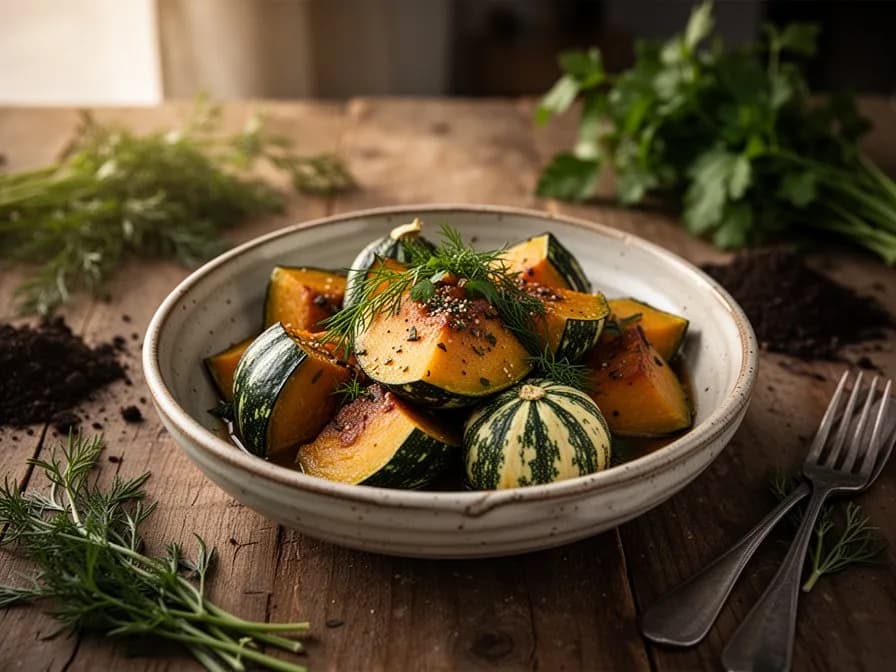
Wax Gourd and Pork Bone Soup
50 minA clear, deeply savory soup where chunks of wax gourd turn soft and translucent as they absorb the rich pork broth. Dried scallops and ginger add layers of umami — this is a nourishing everyday staple in Cantonese home cooking.
9 ingredientes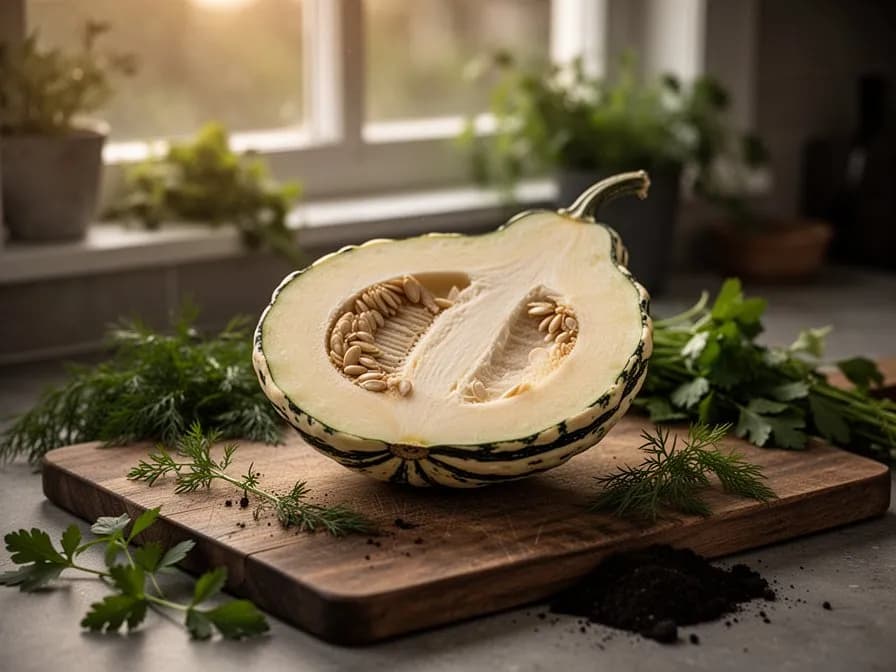
Wax Gourd Petha (Indian Candy)
120 minThe famous translucent sweet from Agra, India — cubes of wax gourd are soaked in lime water to firm the texture, then slowly simmered in fragrant sugar syrup until they become crystalline and jewel-like. Rose water and cardamom add delicate floral notes.
7 ingredientesBraised Wax Gourd with Shiitake and Oyster Sauce
30 minThick slices of wax gourd braised until meltingly tender in a savory mushroom and oyster sauce glaze. The gourd absorbs every drop of umami-rich sauce while maintaining its shape — a satisfying vegetarian dish that pairs perfectly with steamed jasmine rice.
9 ingredientesUsos culinarios
La calabaza de cera es versátil en la cocina asiática: se usa en sopas claras chinas, curris indios, guisos y salteados. Los frutos jóvenes se preparan como calabacín. La pulpa madura se confita con azúcar para elaborar el dulce tradicional indio petha y se utiliza en bebidas refrescantes en todo el sudeste asiático.
Qué contiene
Beneficios para la salud
- Exceptionally low in calories at only 12 per 100g with approximately 96% water content, making wax gourd one of the most effective foods for weight management — it provides substantial volume and satiety with minimal caloric impact.
- Contains zero fat and almost no sodium, making it naturally suited for heart-healthy diets and low-sodium eating plans recommended for managing hypertension and cardiovascular risk.
- Provides 14% of the daily value of vitamin C per 100g, supporting immune function, collagen synthesis for healthy skin and joints, and acting as an antioxidant to neutralize free radicals.
- Rich in dietary fiber at 2.9g per 100g, which supports healthy digestion, feeds beneficial gut bacteria, and contributes to more stable blood sugar levels after meals.
- Used in traditional Chinese medicine for over 1,000 years as a cooling food that reduces internal body heat, promotes healthy urination, and supports kidney function — modern research confirms its mild diuretic properties.
- In Ayurvedic medicine, wax gourd juice is prescribed as a calming remedy that supports mental clarity, reduces excess stomach acid, and aids in detoxification — the juice is consumed fresh as a health tonic across South and Southeast Asia.
De dónde viene Calabaza de Cera
Wax gourd (Benincasa hispida) originated in the tropical regions of Southeast Asia, with its center of domestication believed to span southern China, the Malay Archipelago, and the Indian subcontinent. Archaeological and literary evidence confirms cultivation stretching back over 2,000 years, with references in classical Chinese agricultural treatises from the Han Dynasty and in ancient Sanskrit texts from the Indian subcontinent. The plant thrived in the monsoon climates of tropical Asia and spread along maritime and overland trade routes throughout the continent.
The fruit's extraordinary natural storage ability — whole specimens keep for 6-12 months without refrigeration thanks to their thick waxy rind coating — made it an invaluable food crop in pre-modern societies. Farmers could harvest during the warm growing season and consume the fruit throughout the cooler months, a practical advantage reflected in its Chinese name 'dong gua' (winter melon) and its reputation as a famine-reserve food. In India, wax gourd took on a distinctive culinary identity as the base for petha, a crystallized candy that has been produced in Agra for centuries and remains one of the country's most famous traditional sweets.
Across its vast range, wax gourd developed deep cultural significance. In Chinese medicine, it has been prescribed for over a millennium as a cooling food that reduces internal heat, promotes urination, and supports kidney health. In Ayurvedic tradition, the fruit is valued for its calming and detoxifying properties. Southeast Asian cuisines feature it in soups, curries, stir-fries, and the enormously popular wax gourd tea. Today, India and China are the largest commercial producers, with wax gourd cultivation extending across all tropical and subtropical regions of Asia, Africa, and Latin America. It is increasingly available in international markets worldwide, bringing this ancient tropical staple to gardeners and cooks far beyond its ancestral homeland.
Calabaza de Cera: ¿sabías que?
Datos fascinantes sobre Calabaza de Cera
Wax gourd is named for the thick layer of chalky white wax that develops on the rind as the fruit matures. This natural protective coating is so effective that whole fruit can be stored without refrigeration for 6-12 months — a remarkable trait that made wax gourd invaluable before modern food preservation existed.
Calabaza de Cera: preguntas frecuentes
¿Cuándo debo plantar Calabaza de Cera?
¿Cuáles son buenas plantas acompañantes para Calabaza de Cera?
¿En qué zonas de rusticidad puede crecer Calabaza de Cera?
¿Cuánto sol necesita Calabaza de Cera?
¿A qué distancia debo espaciar Calabaza de Cera?
¿Qué plagas y enfermedades afectan a Calabaza de Cera?
¿Cómo almaceno Calabaza de Cera después de la cosecha?
¿Cuáles son las mejores variedades de Calabaza de Cera para cultivar?
¿Qué suelo necesita Calabaza de Cera?
How do I know when my wax gourd is ready to harvest?
How should I store wax gourd after harvest and how long will it keep?
What is the difference between wax gourd, winter melon, and ash gourd?
Can I grow wax gourd in a short-season climate?
Why is my wax gourd vine growing vigorously but not setting fruit?
Is wax gourd flesh edible raw or must it be cooked?
Acabas de leer la teoría. Ahora cultívala en piloto automático.
Todo lo que hace que Calabaza de Cera sea delicado — el momento, el espaciado, las asociaciones, la ventana de cosecha — es justo lo que PlotMyGarden resuelve por ti, para cada planta de tu huerto.
Un plan que conoce tu clima
Indica tu ubicación una vez. Recibe fechas de siembra, abonado y cosecha basadas en tu última helada real y el pronóstico en vivo — sin adivinar con un sobre genérico.
De la sección “Cuándo plantar”Planificador de bancales de arrastrar y soltar
Diseña bancales sobre una cuadrícula. Cada planta encaja con su espaciado correcto y ves toda la temporada antes de gastar un céntimo en semillas.
De la sección “Cultivo”Conflictos de asociación, detectados a tiempo
Más de 200 buenas y malas combinaciones comprobadas en vivo mientras plantas — para que un error que arruine la temporada nunca llegue a la tierra.
De la sección “Asociaciones”Recordatorios que sí vas a seguir
“Riega las judías.” “Recoge hoy antes de que se pase.” Oportunos, concretos y ligados a las plantas que de verdad cultivas.
De la sección “Cosecha”Escalonado, programado
¿Quieres cosechar seis semanas en vez de seis días? Reparte tus siembras automáticamente y te avisa cuando toca el siguiente lote.
De la sección “Cuándo plantar”Un registro que se vuelve más listo
Cada cosecha que registras le enseña tu huerto. El plan del año que viene parte de lo que de verdad funcionó en tu suelo, no en un manual.
De la sección “Resumen”Planta estos junto a Calabaza de Cera
Más Cucurbitáceas
Mantén Calabaza de Cera lejos de estos
Cultiva tu mejor Calabaza de Cera — y todo lo que la rodea.
Empieza un plan gratis hoy. Diseña tus bancales, coloca tu Calabaza de Cera y deja que PlotMyGarden gestione el momento, el espaciado, las asociaciones y los recordatorios de la semilla a la cesta.