Wild Columbine
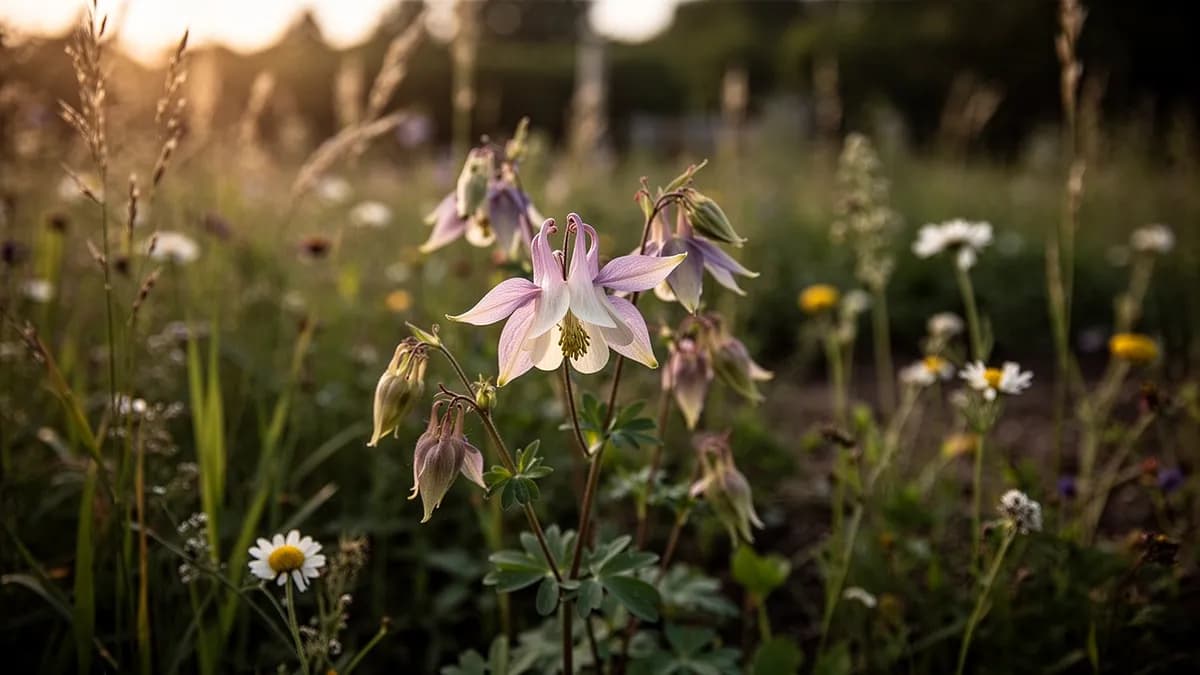
A delicate native wildflower with distinctive red and yellow spurred flowers that nod gracefully and are perfectly shaped for hummingbird pollination.





On this pageOverview
Meet Wild Columbine
A delicate native wildflower with distinctive red and yellow spurred flowers that nod gracefully and are perfectly shaped for hummingbird pollination. Wild columbine thrives in rocky, well-drained woodland soils and partial shade, self-sowing gently to form natural-looking drifts. It is one of the first flowers to bloom in spring woodland gardens.
When to plant Wild Columbine
Wild columbine seeds require light for germination and should be surface sown on moist, fine compost without covering. Cold stratification for four to six weeks improves germination significantly. Sow outdoors in autumn for natural cold treatment, or start indoors in late winter after refrigerator stratification. Seeds germinate in twenty to thirty days at 65 to 70 degrees Fahrenheit. Transplant seedlings while small, as the developing taproot resents disturbance. Plants typically flower in their second year from seed.
Your Wild Columbine Year
Composed for Zone 7 · typical seasons · frost passes Apr 2, returns Nov 1
Plant Wild Columbine Mar – May, pick Apr – Jun. Check the planting methods below and set your climate to personalize these windows.
How to grow Wild Columbine
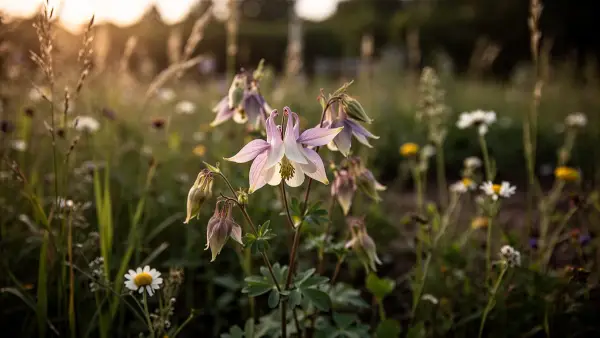
Plant wild columbine in spring or autumn in well-drained, humus-rich soil in partial shade to dappled sunlight. This delicate native wildflower naturally grows on rocky slopes, cliff ledges, and woodland edges where the soil is thin but well-drained. It tolerates full sun in cooler climates but prefers afternoon shade in hot regions. Space plants twelve to fifteen inches apart.
Water regularly during the first growing season to establish the taproot, then provide supplemental water only during extended dry spells. Wild columbine is surprisingly drought tolerant once established, thanks to its deep root system. Avoid heavy mulching directly around the crown and do not overfertilize, as lean conditions produce more compact, floriferous plants.
Wild columbine is a short-lived perennial, typically lasting three to five years before declining. However, it self-sows freely and maintains its presence in the garden through natural regeneration. Allow some seed heads to mature and drop to ensure replacement plants. The distinctive red and yellow spurred flowers are among the first to bloom in the spring woodland garden, providing essential early-season nectar for returning hummingbirds.
32 plants fit a 4 × 8 ft bed
Each Wild Columbine wants 30 cm of elbow room. The planner keeps that spacing for you — every plant, every bed.
Wild Columbine's best neighbours
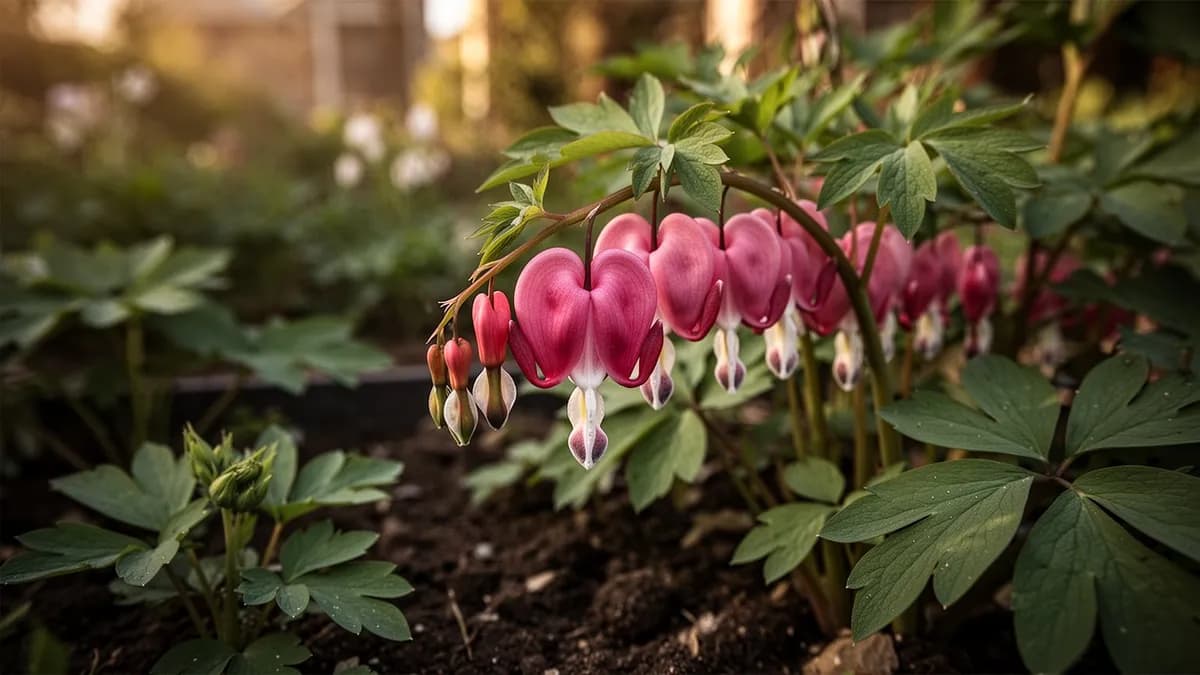
Wild columbine is a natural partner for woodland wildflowers including bleeding heart, trilliums, Virginia bluebells, and native ferns. It provides essential early-spring nectar for hummingbirds returning from migration. Plant along shaded pathways, on rocky slopes, and in walls where the nodding flowers can be appreciated at close range. The ferny foliage is attractive as a groundcover beneath shade trees when cut back and allowed to regenerate after flowering.
Bleeding Heart belongs beside it.
Old growers' knowledge, checked against Wild Columbine's real companion table below — test any plant you're growing.
Try Wild Columbine in a bed — right here
A real planner bed with Wild Columbine already in it. Tap a companion to place it and watch the pairing checks answer — green for good neighbours, red for a clash.


Related growing guides
Feed it well
Wild columbine thrives in well-drained, humus-rich soil with a pH of 5.5 to 7.0. It naturally grows in rocky, thin soil on slopes and ledges, so excellent drainage is essential. Amend heavy soils with grit and leaf mold. Avoid rich, heavily fertilized conditions which produce large, floppy plants prone to disease. A light top-dressing of leaf mold in autumn provides adequate nutrition. The deep taproot makes this plant more drought tolerant than its delicate appearance suggests.
Ideal Temperature
Hardiness Zone Compatibility
From seed to harvest, stage by stage
Seed Germination
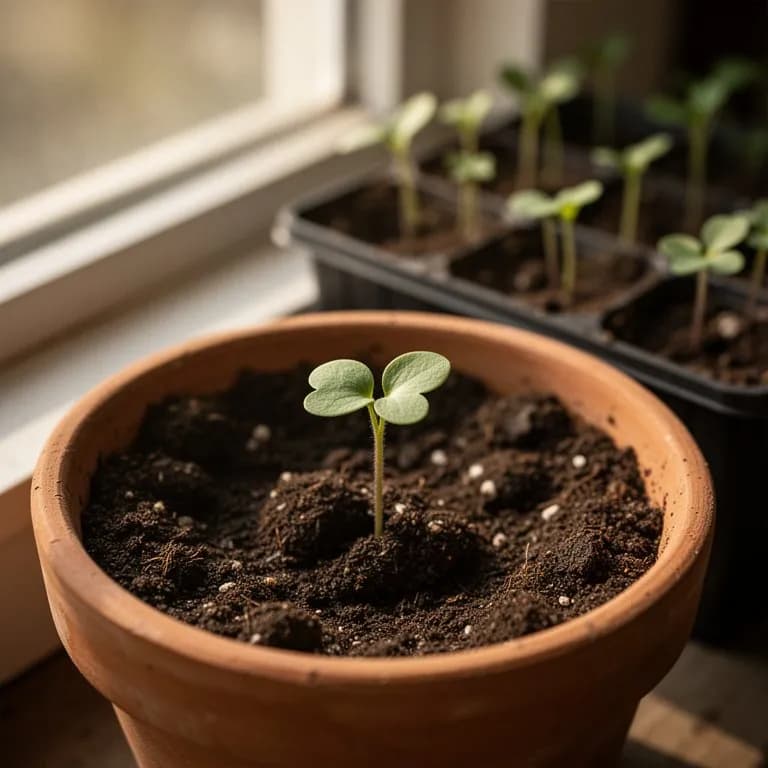
Wild columbine seeds require cold stratification (4-6 weeks at 1-5°C) to break dormancy. After stratification, seeds germinate in 20-30 days when exposed to light and temperatures of 18-22°C. Seeds are tiny and should be surface-sown, as they need light to germinate.
Seedling Establishment
Seedlings develop their first true leaves, which are small and rounded with shallow lobes. The basal rosette begins forming during this stage. Growth is slow initially as the plant invests energy in establishing a deep taproot system.
Rosette Growth
The plant forms a dense basal rosette of blue-green, ternately compound leaves. During the first year, most energy goes into root development and foliage production. Plants typically do not flower in their first year from seed, focusing instead on building a strong root system.
Flowering
In the second year and beyond, slender branching stems rise 30-60 cm above the basal rosette in mid to late spring. The iconic nodding flowers emerge with red sepals, yellow petals, and long red nectar spurs. Each flower hangs gracefully and blooms for approximately 2-3 weeks, with the overall display lasting 4-6 weeks.
Seed Set and Dispersal
After pollination, erect seed capsules develop with five horn-like points. As they mature and dry, the capsule tips split open to release numerous small, glossy black seeds. The plant may begin to decline in foliage vigor after seed set but maintains its basal rosette.
Summer Dormancy and Rest
In hot, dry climates, wild columbine may enter a period of partial dormancy during mid to late summer, with older foliage yellowing and dying back. In cooler, moister conditions, the basal rosette remains semi-evergreen. The deep taproot sustains the plant through unfavourable conditions.
Sow seeds on the surface of moist seed-starting mix and press gently without covering. Keep consistently moist but not waterlogged. Alternatively, direct sow in late fall to allow natural winter stratification.
Caring for Wild Columbine month by month
What to do each month for your Wild Columbine
October
You are hereAllow foliage to die back naturally with the first frosts. Apply a light mulch of shredded leaves over the root zone for winter insulation. Plant container-grown columbine from nurseries in prepared beds.
Know exactly what to do in your garden — every month
One email at the start of each month: what to sow, plant, and tackle right now — for your Wild Columbine and everything growing around it. Plus a short starter course that helps you dodge the classic mistakes.
- What to do, right now
- Matched to your season
- Starter course included
Harvesting Wild Columbine
Cut wild columbine stems for charming spring arrangements when the first flowers on the stem have opened. The nodding red and yellow spurred flowers are unique among spring blooms and add a wildflower elegance to bouquets. Stems last about five to seven days in water. After flowering, cut all foliage to the ground to eliminate leaf miner damage and force fresh, clean regrowth that serves as attractive groundcover for the rest of the summer.
assuming you plant when the window opens — set your real date
Pick Wild Columbine promptly and the plant keeps producing.
Storage & Preservation
Wild columbine is a fully hardy perennial requiring no winter protection. Seeds can be collected from ripe pods in early summer when the capsules split open and begin releasing the small, black, shiny seeds. Store seeds in paper envelopes in a cool, dry place. Seeds benefit from cold stratification before spring sowing. The flowers do not dry well but can be pressed for botanical art. Cutting foliage hard after flowering promotes a second flush of fresh leaves.
What goes wrong — and the fix
Columbine Leaf Miner
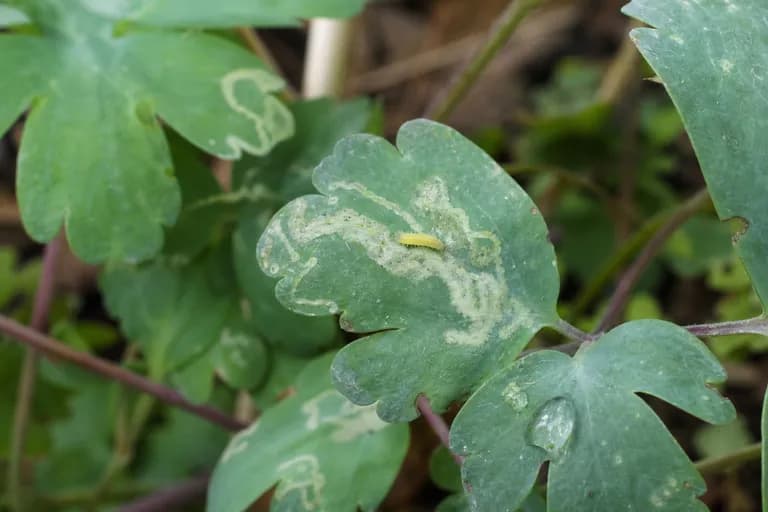
PestWinding, pale trails visible inside the leaves where larvae mine between the leaf surfaces. Leaves become disfigured and unsightly.
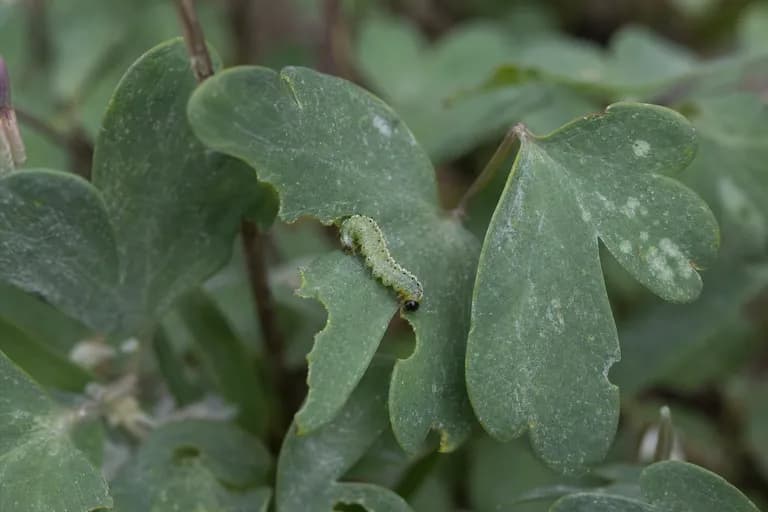
Columbine Sawfly
PestGreen caterpillar-like larvae feeding on leaf edges, working from the outside in. Can strip foliage rapidly if not controlled.
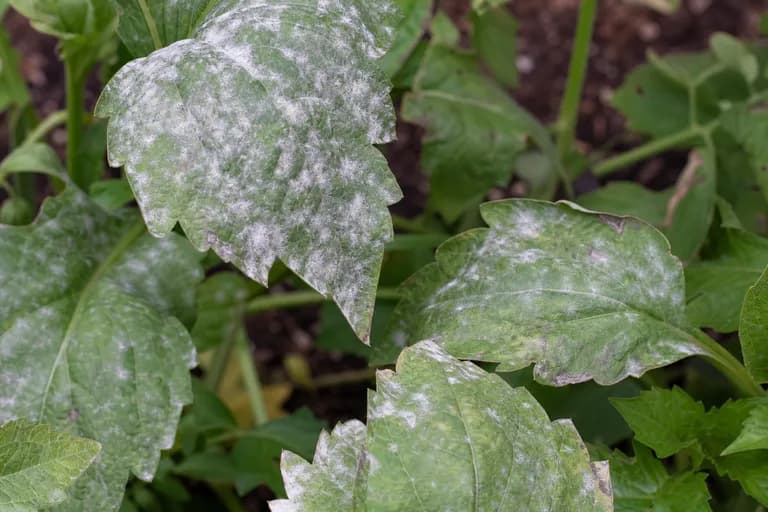
Powdery Mildew
DiseaseWhite, powdery patches on leaves during humid conditions, typically in mid to late summer. Affected leaves may curl and dry up.
Troubleshooting Common Problems
Columbine leaf miners are the most persistent pest, creating unsightly trails through the foliage by midsummer. The simplest solution is to cut all foliage to the ground after flowering, which eliminates the miners and produces fresh, clean regrowth. The short-lived perennial nature means individual plants decline after three to five years, but self-seeding easily compensates. Wild columbine hybridizes readily with garden columbine varieties, which may produce less desirable offspring.
Growing Tips
- Plant wild columbine in partial shade with dappled sunlight for best results; it tolerates full sun in cooler northern climates but needs afternoon shade in zones 7 and warmer to prevent heat stress and early dormancy.
- Provide well-drained soil that mimics its natural rocky woodland habitat — amend heavy clay with coarse sand and compost, or plant in raised beds and rock gardens where drainage is naturally excellent.
- Allow plants to self-seed by leaving spent flower stems in place until seed pods have fully opened and dispersed; thin overcrowded seedlings in spring by transplanting extras to new locations or sharing with fellow gardeners.
- Avoid heavy nitrogen fertilisers, which promote lush foliage at the expense of flowers; a single light application of balanced organic fertiliser or top-dressing of compost in early spring is sufficient.
- Cut back all foliage to the ground in midsummer if leaf miner damage becomes severe — fresh, clean foliage typically regrows within 3-4 weeks and the plant's root system is unaffected.
- Pair with complementary native plants like wild geranium (Geranium maculatum), ferns, Virginia bluebells (Mertensia virginica), and native sedges to create a naturalistic woodland garden with season-long interest.
- Water deeply but infrequently during establishment, then rely on natural rainfall in most climates; wild columbine's deep taproot makes it surprisingly drought-tolerant once established.
- Protect young seedlings from slugs and snails with organic slug barriers or diatomaceous earth, especially in moist shade gardens where mollusc pressure is highest in spring.
- Grow wild columbine from locally sourced seed when possible to ensure genetic adaptation to your regional climate, soil, and pollinator community — this also supports conservation of local plant genotypes.
- Expect individual plants to live 3-5 years as short-lived perennials, but maintain permanent colonies through self-seeding; mark favourite plants and collect their seeds to ensure desirable traits persist in your garden population.
Grow your best Wild Columbine yet — and everything around it.
Start a free plan today. Lay out your beds, drop in your Wild Columbine, and let PlotMyGarden handle the timing, spacing, companions and reminders from seed to harvest basket.
Pick your Wild Columbine
Canadensis
The straight native species with red and yellow nodding flowers, the most hummingbird-attractive and ecologically valuable form.
Corbett
A pale yellow selection from the Appalachian Mountains, lacking the red coloring and offering a softer, more subtle garden presence.
Little Lanterns
A compact selection reaching ten to twelve inches, perfect for rock gardens, containers, and the front of shaded borders.
Wild columbine is exceptionally cost-effective for gardeners. A single plant (typically £3-8 or $4-10 from native plant nurseries) can produce hundreds of seeds annually, allowing you to establish large naturalised colonies at virtually no additional cost. Once established, plants self-seed reliably and require no fertiliser, irrigation (in suitable climates), or division. Compared to purchasing annual bedding plants each year, a single investment in wild columbine provides decades of spring colour, pollinator habitat, and garden beauty with minimal ongoing expense.
Quick recipes
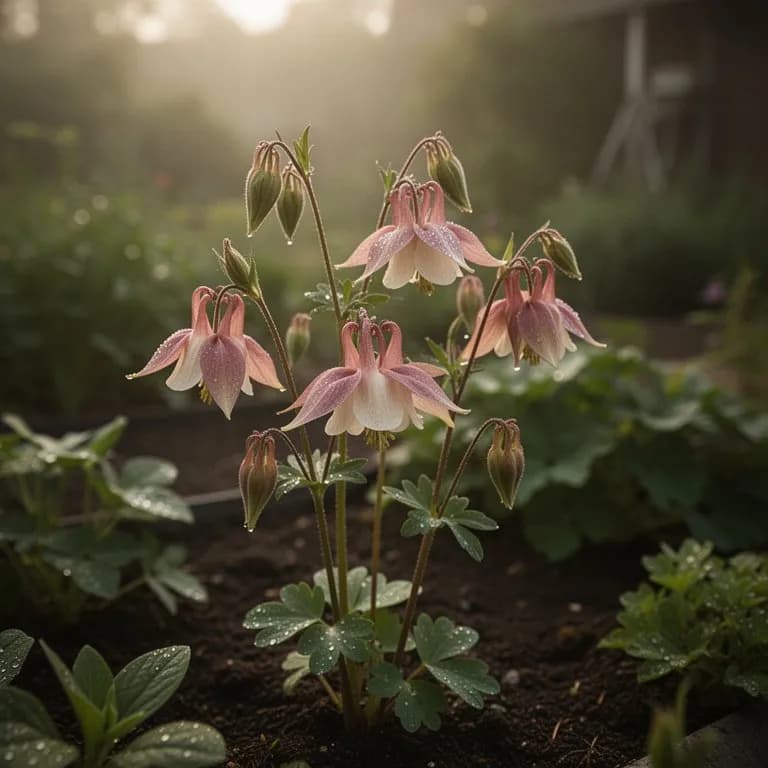
Columbine Flower Pressing for Botanical Art
15 minutes active, 2-3 weeks dryingPreserve the striking red and yellow flowers of wild columbine by pressing them between absorbent paper. Pressed columbine flowers retain their distinctive shape beautifully and make stunning additions to framed botanical art, handmade greeting cards, and nature journals.
5 ingredients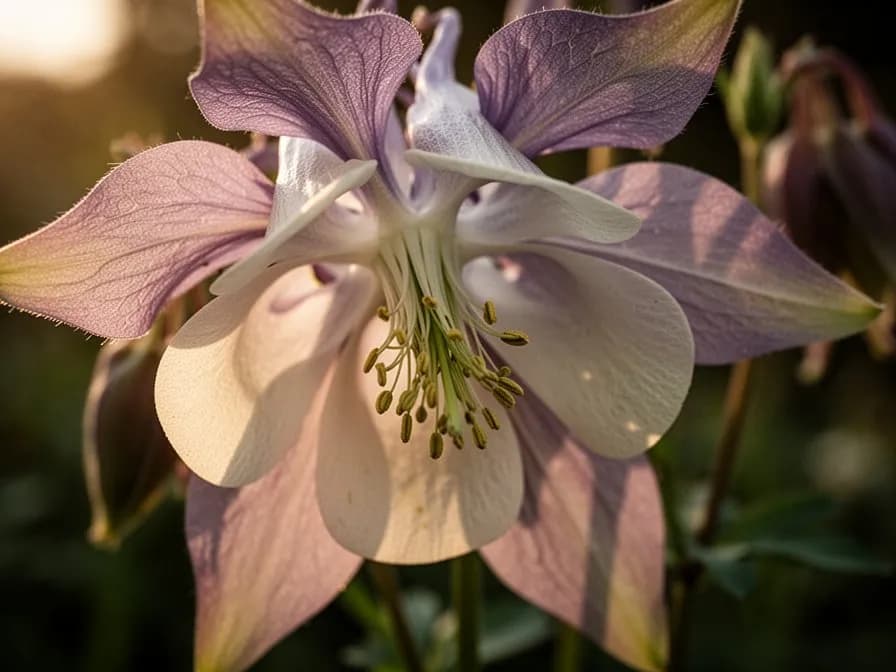
Wild Columbine Seed Bombs for Meadow Restoration
30 minutesCreate seed bombs using collected wild columbine seeds mixed with clay and compost to scatter in suitable wild areas or neglected garden corners. This is an effective and fun way to establish new colonies of this native wildflower in appropriate habitats where it can naturalise and support pollinators.
5 ingredientsColumbine and Native Wildflower Dried Arrangement
20 minutes active, 1-2 weeks dryingCreate a long-lasting dried flower arrangement featuring wild columbine seed pods alongside other native dried flowers and grasses. The erect, star-shaped seed capsules of columbine add unique architectural interest and pair beautifully with dried grasses, goldenrod, and other native seed heads.
5 ingredientsWhat's inside
Health Benefits
- Wild columbine is primarily valued for ecological rather than direct health benefits, serving as a keystone plant for pollinator support in native landscapes
- Spending time in gardens with native wildflowers like columbine has been associated with reduced stress, improved mood, and enhanced mental wellbeing in horticultural therapy research
- The plant's ability to attract hummingbirds and butterflies creates opportunities for mindful nature observation, a practice linked to improved cognitive focus and emotional regulation
- Growing native plants including wild columbine supports local biodiversity, which research increasingly links to healthier ecosystems and reduced prevalence of vector-borne diseases
- Traditional Native American herbalism used carefully prepared columbine root extracts for digestive and respiratory complaints, though modern use is not recommended without expert guidance due to mild toxicity
- Gardening activities involved in cultivating wild columbine — planting, weeding, watering — provide moderate physical exercise shown to improve cardiovascular health and joint flexibility
Where Wild Columbine comes from
Wild columbine (Aquilegia canadensis) is native to eastern North America, ranging from southern Canada through the eastern United States, from Nova Scotia and Quebec west to Saskatchewan and south to Texas and Florida. It thrives in a remarkably diverse range of habitats, from rocky woodland slopes and limestone cliffs to open meadows and streambanks, demonstrating the adaptability that has made it one of the continent's most recognisable wildflowers.
Indigenous peoples across North America had extensive relationships with wild columbine long before European contact. The Cherokee used root infusions to treat digestive ailments, while the Iroquois employed preparations of the plant for headaches and fever. The Ojibwe and Meskwaki nations valued the seeds in courtship rituals, and various tribes recognised the plant's arrival in bloom as a seasonal indicator for planting corn and other crops.
European colonists encountered wild columbine early in the settlement period, and the plant was among the first North American species sent back to botanical gardens in England and continental Europe during the early seventeenth century. The Swedish botanist Carl Linnaeus formally described the species in 1753, assigning it the name Aquilegia canadensis. By the nineteenth century, it had become a staple of cottage gardens on both sides of the Atlantic.
In modern horticulture, wild columbine has experienced a resurgence in popularity alongside the native plant movement. It is now widely recommended by conservation organisations, state extension services, and pollinator advocacy groups as a cornerstone species for wildlife gardens and ecological restoration projects. Its early spring blooms fill a critical nectar gap for migrating hummingbirds, and its tolerance of shade and poor soils makes it invaluable for naturalising in challenging garden sites.
Wild Columbine: did you know?
Fascinating facts about Wild Columbine
Wild columbine's nectar spurs evolved specifically to match the bill length of ruby-throated hummingbirds, making it one of the most important native hummingbird plants in eastern North America.
Wild Columbine questions, answered
When should I plant Wild Columbine?
What are good companion plants for Wild Columbine?
What hardiness zones can Wild Columbine grow in?
How much sun does Wild Columbine need?
How far apart should I space Wild Columbine?
What pests and diseases affect Wild Columbine?
How do I store Wild Columbine after harvest?
What are the best Wild Columbine varieties to grow?
What soil does Wild Columbine need?
Is wild columbine toxic to pets or children?
Why are the leaves of my wild columbine covered in white squiggly lines?
Can I grow wild columbine in full sun?
How do I propagate wild columbine from seed?
Will wild columbine spread aggressively in my garden?
How long does wild columbine live, and how do I maintain a permanent planting?
You just read the theory. Now grow it on autopilot.
Everything that makes Wild Columbine fiddly — the timing, the spacing, the companions, the harvest window — is exactly what PlotMyGarden handles for you, for every plant in your garden.
A plan that knows your weather
Set your location once. Get sow, feed and harvest dates built around your real last-frost date and live forecast — no more guessing from a generic seed packet.
From the “When to plant” sectionDrag-and-drop bed planner
Design beds on a grid. Every plant snaps to its proper spacing, and you can see your whole season laid out before you spend a cent on seed.
From the “Growing guide” sectionCompanion conflicts, caught early
200+ good-and-bad pairings checked live as you plant — so a season-wrecking mistake never makes it into the ground.
From the “Companions” sectionReminders you'll actually act on
“Water the beans.” “Pick today before it turns.” Timely, specific, and tied to the plants you're really growing.
From the “Harvest” sectionSuccession, scheduled
Want a harvest for six weeks, not six days? It spaces your sowings automatically and reminds you when each new block is due.
From the “When to plant” sectionA record that gets smarter
Every harvest you log teaches it your garden. Next year's plan starts from what actually worked in your soil, not a textbook's.
From the “Overview” sectionPlant these alongside Wild Columbine
More Wildflowers
Garden plans featuring Wild Columbine
Grow your best Wild Columbine yet — and everything around it.
Start a free plan today. Lay out your beds, drop in your Wild Columbine, and let PlotMyGarden handle the timing, spacing, companions and reminders from seed to harvest basket.