Riesenmammutbaum
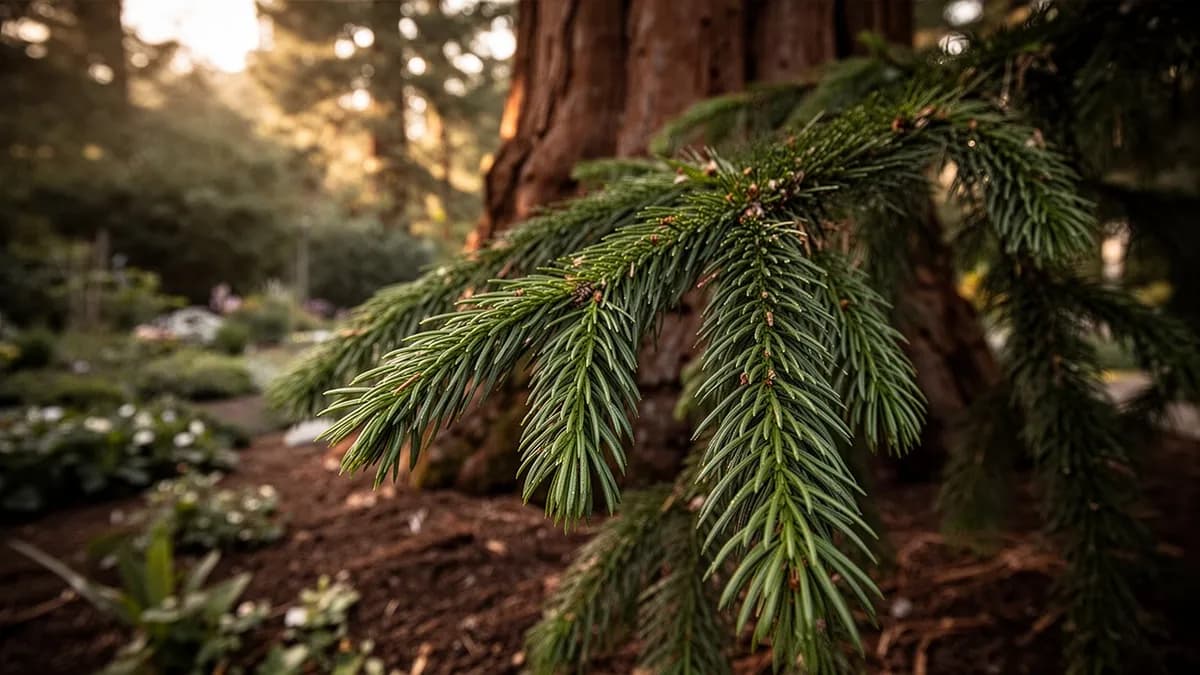
Der nach Volumen massivste lebende Organismus – Riesenmammutbäume sind bemerkenswert anpassungsfähige Gartenbäume weit außerhalb ihres natürlichen Verbreitungsgebiets in der Sierra Nevada.





Auf dieser SeiteÜberblick
Riesenmammutbaum im Überblick
Der nach Volumen massivste lebende Organismus – Riesenmammutbäume sind bemerkenswert anpassungsfähige Gartenbäume weit außerhalb ihres natürlichen Verbreitungsgebiets in der Sierra Nevada. Sie wachsen mäßig schnell und legen pro Jahr 60 bis 90 Zentimeter zu, wobei sie innerhalb weniger Jahrzehnte die charakteristische dicke, schwammige, zimtfarbene Rinde entwickeln. Riesenmammutbäume sind erstaunlich winterhart und gedeihen in weiten Teilen der gemäßigten Welt erfolgreich, sofern ausreichend Feuchtigkeit vorhanden ist. Geben Sie ihnen reichlich Platz, denn selbst Gartenexemplare können innerhalb eines Menschenlebens beeindruckende Ausmaße erreichen.
Wann Riesenmammutbaum pflanzen
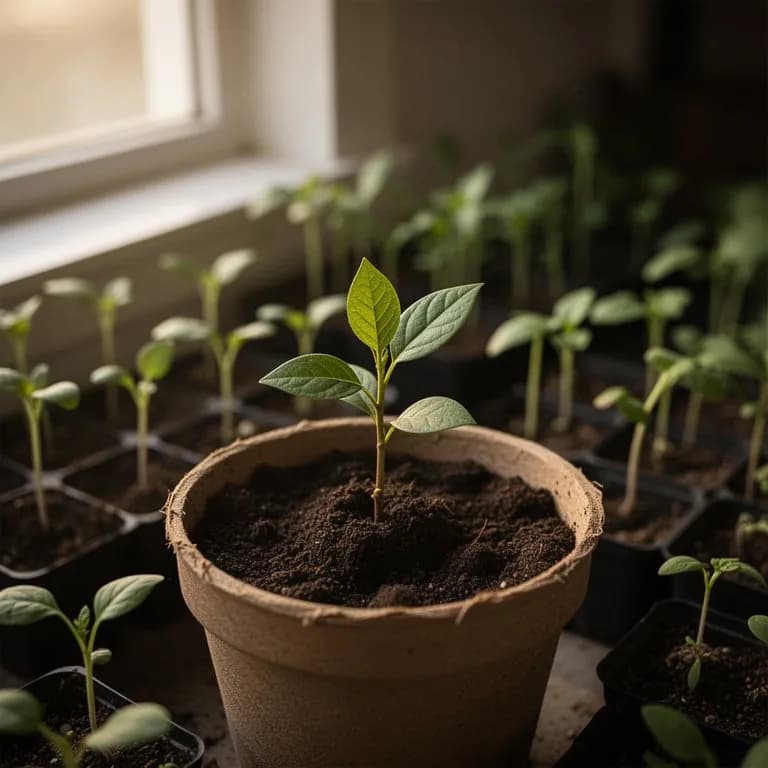
Gewinnen Sie Samen aus getrockneten Zapfen, indem Sie sie über einer sauberen Oberfläche schütteln oder klopfen. Die Samen sind winzig, durchschnittlich etwa 200.000 pro Kilogramm, mit Keimraten typischerweise zwischen 10 und 30 Prozent. Stratifizieren Sie die Samen 30 bis 60 Tage lang in feuchtem Torf bei 2 bis 4 Grad Celsius, um die Keimung zu verbessern. Säen Sie auf der Oberfläche einer feinen, gut durchlässigen Aussaaterde bei hellem, indirektem Licht und 18 bis 21 Grad Celsius. Halten Sie sie gleichmäßig feucht durch Bewässerung von unten oder Besprühen. Die Keimung erfolgt in 2 bis 4 Wochen. Sämlinge sind im ersten Jahr klein und wachsen langsam, und erreichen 8 bis 15 Zentimeter. Bieten Sie leichten Schatten und schützen Sie vor austrocknenden Winden. Topfen Sie im zweiten Jahr in Einzeltöpfe um und kultivieren Sie 2 bis 3 Jahre vor der Pflanzung in den Garten.
Dein Riesenmammutbaum-Jahr
Abgestimmt auf Zone 7 · typische Saison · Frost geht um den 2. Apr. und kehrt um den 1. Nov. zurück
Riesenmammutbaum Mär – Apr pflanzen, — ernten. Beachte die Pflanzmethoden unten und wähle dein Klima für passende Zeiträume.
So baust du Riesenmammutbaum an
Der Riesenmammutbaum ist weitaus anpassungsfähiger, als sein begrenztes natürliches Verbreitungsgebiet in der Sierra Nevada vermuten lässt. Er gedeiht erfolgreich in weiten Teilen der gemäßigten Welt, von Großbritannien bis Neuseeland, und verträgt nach der Etablierung Temperaturen weit unter minus 18 Grad Celsius. Wählen Sie einen Standort mit voller Sonne und tiefem, gut durchlässigem Boden, der die schließlich gewaltigen Ausmaße aufnehmen kann. Halten Sie mindestens 12 Meter Abstand zu Gebäuden, Versorgungsleitungen und anderen großen Bäumen.
Pflanzen Sie Containerware im Frühjahr. Graben Sie ein breites, flaches Pflanzloch und setzen Sie den Wurzelballen auf Bodenniveau. Füllen Sie mit unverändertem Mutterboden auf, wässern Sie gründlich und mulchen Sie mit einer 10 Zentimeter dicken Schicht Rinde oder Holzhackschnitzel in einem weiten Kreis. Gießen Sie während der ersten beiden Vegetationsperioden wöchentlich und bei längeren Trockenperioden auch danach.
Der Riesenmammutbaum wächst unter günstigen Bedingungen 60 bis 90 Zentimeter pro Jahr und entwickelt seine charakteristische säulenförmige bis kegelförmige Gestalt auf natürliche Weise ohne Schnitt. Die dicke, schwammige, rotbraune Rinde wird mit zunehmendem Alter tief gefurcht und bietet Schutz vor Feuer und Kälte. Untere Äste können zur Lichtung entfernt werden, vermeiden Sie jedoch starken Kronenrückschnitt. Dies sind extrem langlebige Bäume, die Tausende von Jahren wachsen können – betrachten Sie den Pflanzstandort daher als wirklich dauerhaft.
Für Riesenmammutbaum ist ein Beet von 120 × 240 cm zu klein
Riesenmammutbaum braucht 1200 cm Platz pro Pflanze. Der Planer hält diesen Abstand für dich ein — jede Pflanze, jedes Beet.
Passende Anbau-Ratgeber
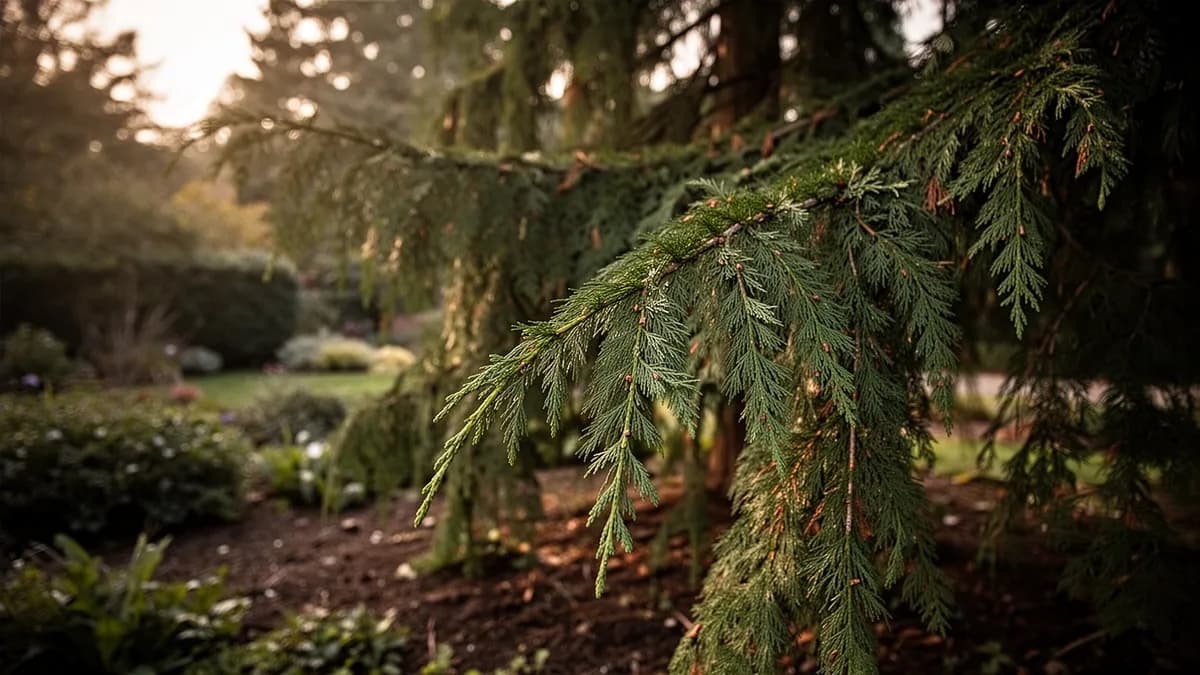
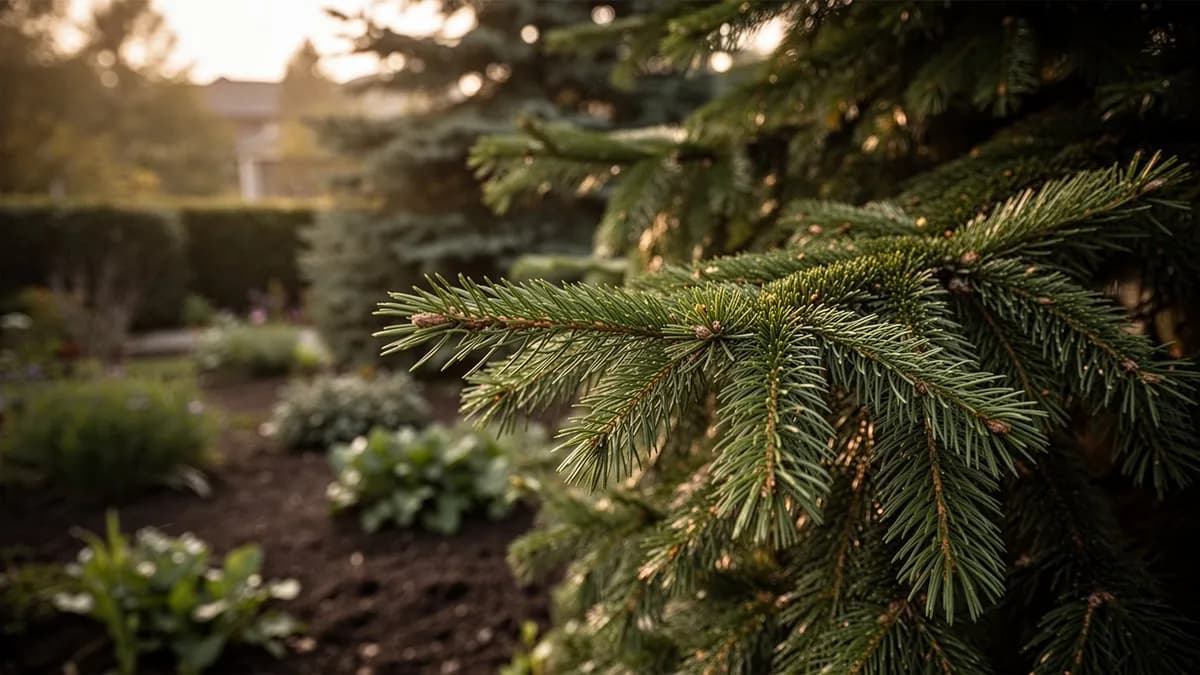
Richtig düngen
Der Riesenmammutbaum passt sich an eine Reihe gut durchlässiger Böden an, von sandigem Lehm bis Tonlehm, mit einem bevorzugten pH-Wert von 5,5 bis 7,5. Er verträgt neutrale bis leicht alkalische Böden besser als der Küstenmammutbaum. Verbessern Sie schwere Tonböden vor der Pflanzung mit organischer Substanz, um die Drainage zu verbessern. Tragen Sie in den ersten 5 bis 10 Jahren jährlich im zeitigen Frühjahr einen ausgewogenen Langzeitdünger auf und stellen Sie die Düngung dann ein, da das ausgedehnte Wurzelsystem tiefe Bodennährstoffe erschließt. Halten Sie einen 10 bis 15 Zentimeter dicken Mulchring bis zur Traufkante, um Feuchtigkeit zu speichern und Feinwurzeln zu schützen. Vermeiden Sie Bodenverdichtung im Wurzelbereich durch Fußgänger, Fahrzeuge oder Bauarbeiten.
Ideale Temperatur
Winterhärtezone-Kompatibilität
Von der Saat zur Ernte, Schritt für Schritt
Samenkeimung
Riesenmammutbaum-Samen sind winzig und durchschnittlich nur etwa 5 mm lang. Sie benötigen eine Stratifikation unter kalten, feuchten Bedingungen über 30 bis 60 Tage, bevor sie keimen. Die Samen brauchen Kontakt mit offenem Mineralboden und ausreichend Sonnenlicht, um erfolgreich zu sprießen. Die Keimraten in der Natur sind typischerweise recht niedrig, oft unter 10 Prozent.
Sämlingsetablierung
Sämlinge erscheinen mit kleinen Keimblättern und beginnen, ihre ersten echten Blätter mit dem charakteristischen pfriemenförmigen Jugendlaub zu entwickeln. Während dieser empfindlichen Phase entwickelt der Sämling sein erstes Wurzelsystem und kann bis zum Ende des ersten Jahres eine Höhe von 5 bis 15 cm erreichen. Umfallkrankheit ist die Hauptgefahr in dieser Phase.
Jugendwachstum
In den ersten ein bis fünf Jahren entwickelt der junge Baum eine ausgeprägt kegelförmige Gestalt mit dichtem blaugrünem Laub. Das Wachstum beschleunigt sich nach dem ersten Jahr merklich, und der Baum kann im zweiten Jahr eine Höhe von 30 bis 90 cm erreichen. Das Wurzelsystem dehnt sich seitlich aus und der Stamm beginnt, seine charakteristische Verjüngung zu entwickeln. Das Laub wandelt sich von den pfriemenförmigen Jugendnadeln zu den erwachsenen schuppenartigen Blättern.
Schnellwachstumsphase
Zwischen dem 5. und 50. Jahr tritt der Riesenmammutbaum in eine Phase kräftigen vertikalen und radialen Wachstums ein und legt unter günstigen Bedingungen 30 bis 60 cm Höhe pro Jahr zu. Die Rinde verdickt sich erheblich und entwickelt die schwammige, faserige Struktur, die Feuerschutz bietet. Der Stamm verbreitert sich mit ausgeprägten Stützwurzeln an der Basis. Im Alter von 50 Jahren kann der Baum 20 bis 30 Meter hoch sein.
Junge Reife
Von etwa 50 bis 250 Jahren erreicht der Baum beeindruckende Proportionen und überschreitet oft 50 Meter Höhe und 3 bis 5 Meter Stammdurchmesser. Die Zapfenproduktion wird regelmäßig, wobei ein einzelner reifer Baum bis zu 2.000 Zapfen jährlich mit jeweils etwa 230 Samen produziert. Die Krone beginnt sich von ihrer früheren Kegelform abzurunden, da untere Äste natürlich abgeworfen werden.
Uralte Reife
Riesenmammutbäume können über 3.000 Jahre alt werden und gehören damit zu den ältesten lebenden Organismen der Erde. Das älteste bekannte Exemplar, geschätzt auf etwa 3.200 Jahre, wächst weiterhin. In voller Reife können diese Bäume über 85 Meter Höhe und 8 Meter Stammdurchmesser überschreiten. Der Stamm kann über 1.400 Kubikmeter Holz enthalten. Das Wachstum verlangsamt sich, hört aber während der gesamten Lebensdauer des Baumes nie vollständig auf.
Stratifizieren Sie die Samen in einem verschlossenen Beutel mit feuchtem Sand im Kühlschrank bei 1 bis 4 Grad Celsius für sechs bis acht Wochen, bevor Sie sie auf der Oberfläche einer gut durchlässigen Aussaaterde aussäen.
Riesenmammutbaum Monat für Monat pflegen
Was du jeden Monat für deine Riesenmammutbaum tun solltest
Oktober
Aktueller MonatFühren Sie vor dem Gefrieren des Bodens in kälteren Klimazonen eine tiefe Bewässerung durch, um ausreichende Winterfeuchtigkeitsreserven sicherzustellen.. Harken Sie herabgefallene Pflanzenreste vom Stammbereich weg und entfernen Sie sie, um Überwinterungsplätze für Schädlinge zu reduzieren.. Wickeln Sie die Stämme sehr junger Bäume mit Baumschutzband ein, wenn in Ihrer Region strenge Winterbedingungen zu erwarten sind.
Immer wissen, was jetzt im Garten zu tun ist
Eine E-Mail zum Monatsanfang: was du jetzt säen, pflanzen und anpacken solltest — für deine Riesenmammutbaum und alles, was drumherum wächst. Dazu ein kurzer Startkurs, der dich vor den klassischen Fehlern bewahrt.
- Was jetzt zu tun ist
- Passend zu deiner Saison
- Startkurs inklusive
Riesenmammutbaum ernten
Riesenmammutbäume werden in Gartenanlagen nicht für Holz oder Nahrung geerntet. Ihr Hauptwert ist dekorativ und historisch. Kleine, ovale Zapfen von 5 bis 8 Zentimetern Länge können zur Saatgutgewinnung oder Dekoration gesammelt werden. Die Zapfen können bis zu 20 Jahre grün und geschlossen am Baum bleiben und geben Samen erst nach Feuer, Trockenstress oder dem Nagen der Douglas-Hörnchen frei. Schneiden Sie in der Kultur frische Zapfen im Herbst von den Ästen und trocknen Sie sie drinnen, um die winzigen geflügelten Samen freizusetzen.
angenommen, du pflanzt zu Beginn des Zeitraums — trage dein tatsächliches Datum ein
Ernte Riesenmammutbaum zügig, dann trägt die Pflanze weiter.
Lagerung & Konservierung
Zur Saatgutgewinnung gesammelte Riesenmammutbaum-Zapfen sollten in Papiertüten gelegt und 2 bis 4 Wochen bei Raumtemperatur getrocknet werden, bis sie sich öffnen und die Samen freigeben. Reinigen Sie die Samen durch Sieben und Worfeln, um Spreu und leere Samenhüllen zu entfernen. Lagern Sie keimfähige Samen in versiegelten Behältern im Kühlschrank, wo sie 5 Jahre oder länger keimfähig bleiben. Die dicke, faserige Rinde reifer Bäume wurde historisch als Isoliermaterial und Kuriosität verwendet, aber Gartenexemplare sollten niemals entrindet werden, da dies sie Schädlingen und Krankheiten aussetzt.
Was schiefgeht — und die Lösung
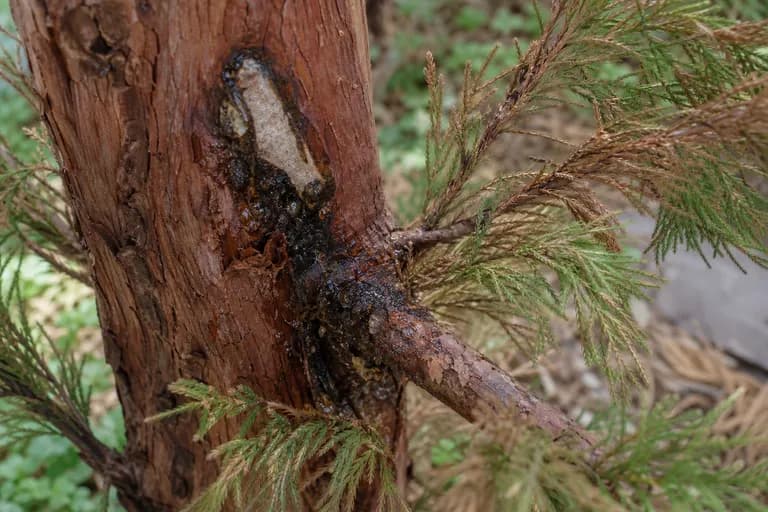
Botryosphaeria-Krebs
KrankheitEingesunkene, harzige Krebsstellen an Ästen und gelegentlich am Hauptstamm. Betroffene Äste verfärben sich braun und sterben von den Spitzen her ab. Am häufigsten bei trockenstress-geschwächten Bäumen.
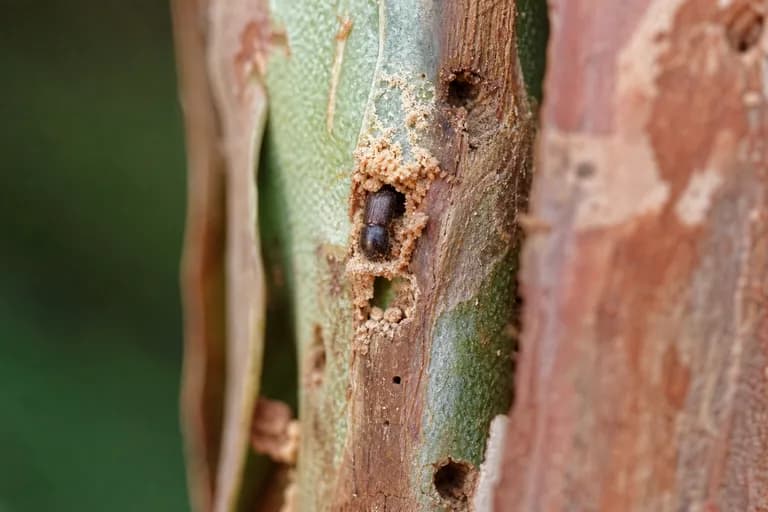
Borkenkäfer
SchädlingKleine runde Einbohrlöcher in der Rinde mit Bohrmehl. An den Eintrittsstellen können Harztrichter entstehen. Kronenvergilbung und -ausdünnung bei fortgeschrittenem Befall.
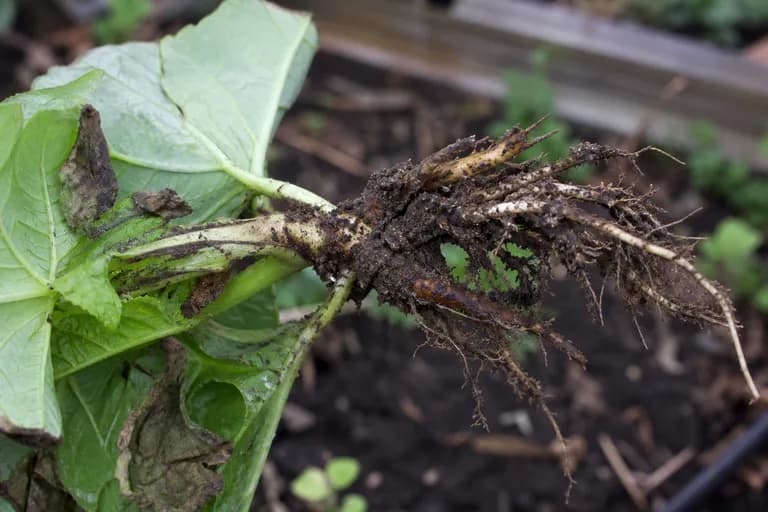
Wurzelfäule
KrankheitAllgemeiner Verfall mit vergilbenden Nadeln, verringertem Wachstum und schließlichem Absterben. Ausgegrabene Wurzeln erscheinen dunkel und matschig. Am Stammfuß können Pilzfruchtkörper erscheinen.
Fehlerbehebung bei häufigen Problemen
Trockenstress ist die Hauptherausforderung für Riesenmammutbäume außerhalb ihres natürlichen Verbreitungsgebiets. Sie benötigen auch im vollständig etablierten Zustand während Trockenperioden tiefes, seltenes Gießen. Junge Bäume sind in den ersten Wintern in Grenzlagen anfällig für Frostschäden; das Umwickeln des Stammes und starkes Mulchen hilft, sie zu schützen. Blitzeinschläge können hohe Exemplare beschädigen. Das massive Wurzelsystem kann Gehwege, Einfahrten und Fundamente anheben, wenn zu nah an Gebäuden gepflanzt wird. Das Laub kann bei extremen Kälteeinbrüchen vorübergehend braun werden, erholt sich aber in der Regel im Frühjahr.
Anbautipps
- Wählen Sie einen Pflanzstandort mit voller Sonneneinstrahlung und tiefem, gut durchlässigem Lehmboden und halten Sie einen Mindestabstand von 15 Metern zu Gebäuden und anderen Bauwerken ein, um dem ausgewachsenen Wurzelbereich und der Krone Platz zu bieten.
- Stratifizieren Sie die Samen, indem Sie sie in einem verschlossenen Plastikbeutel mit feuchtem Sand oder Torf im Kühlschrank bei 1 bis 4 Grad Celsius für sechs bis acht Wochen lagern, um die Keimruhe zu brechen.
- Säen Sie die Samen auf die Oberfläche einer feinkörnigen Aussaaterde und drücken Sie sie leicht an, ohne sie zu bedecken, da Riesenmammutbaum-Samen Licht zur Keimung benötigen und nicht eingegraben werden sollten.
- Halten Sie eine gleichmäßige Feuchtigkeit für Sämlinge ohne Staunässe aufrecht und verwenden Sie ein Sprühsystem oder Bewässerung von unten, um Umfallkrankheit zu verhindern – der Haupttodesursache junger Mammutbaum-Sämlinge.
- Bieten Sie Sämlingen im ersten Sommer Halbschatten und erhöhen Sie die Sonneneinstrahlung über die ersten beiden Jahre schrittweise, um sie abzuhärten, bevor sie an einen dauerhaften vollsonnigen Standort umgepflanzt werden.
- Gießen Sie junge Bäume während Trockenperioden in den ersten fünf bis zehn Jahren nach dem Umpflanzen ein- bis zweimal wöchentlich tief und reduzieren Sie die zusätzliche Bewässerung, sobald das Wurzelsystem etabliert ist.
- Bringen Sie eine 7 bis 10 Zentimeter dicke Schicht organischen Mulch wie Holzhackschnitzel oder Rinde um den Stammfuß auf und halten Sie einen Abstand von 15 Zentimetern zwischen Mulch und Stamm ein, um feuchtigkeitsbedingte Rindenfäule zu verhindern.
- Vermeiden Sie starken Schnitt lebender Äste, da Riesenmammutbäume untere Gliedmaßen natürlich abwerfen. Entfernen Sie nur totes, beschädigtes oder krankes Holz und führen Sie saubere Schnitte direkt außerhalb des Astkragens aus, um eine ordnungsgemäße Wundheilung zu fördern.
- Schützen Sie junge Bäume vor Wildverbiss und Nagetierschälung, indem Sie in den ersten Jahren des Wachstums in Gebieten mit erheblichem Wildtierbestand Drahtgitterschutz um den Stamm anbringen.
- Testen Sie den Boden-pH-Wert und streben Sie leicht saure bis neutrale Bedingungen zwischen 5,5 und 7,5 an. Riesenmammutbäume sind an verschiedene Bodenarten anpassbar, gedeihen aber am besten in tiefem, fruchtbarem, gut durchlässigem Lehm mit guter Feuchtigkeitsspeicherung.
Bau deine beste Riesenmammutbaum an — und alles drumherum.
Starte heute kostenlos. Lege deine Beete an, setze deine Riesenmammutbaum ein und lass PlotMyGarden Timing, Abstände, Begleiter und Erinnerungen von der Saat bis zum Erntekorb übernehmen.
Finde deine Riesenmammutbaum
Pendulum
Eine bemerkenswerte Trauerform mit Ästen, die dicht am Stamm herabhängen und eine schmale Säule aus vorhangartiger Belaubung bilden. Wird 8 bis 12 Meter hoch, aber nur 1,5 bis 2 Meter breit.
Hazel Smith
Ausgewählt für überlegene Frostresistenz und blaugrünes Laub. Kompakter als die Art mit dichter Verzweigung. Gedeiht gut in den Zonen 5 bis 8.
Glaucum
Besticht durch auffälliges blaugraues Laub, das wunderschön mit der rötlichen Rinde kontrastiert. Wächst in ähnlichen Proportionen wie die Art, jedoch mit verbesserter dekorativer Laubfarbe.
Blauer Eichzwerg
Eine echte Zwergauslese aus Deutschland, die nur 2 bis 2,5 Meter hoch wird und dichtes blaugrünes Laub besitzt. Ideal für kleinere Gärten, die das Mammutbaum-Erlebnis in handhabarer Größe wünschen.
Riesenmammutbäume werden nicht für die direkte finanzielle Ernte angebaut, bieten aber einen immensen langfristigen ökologischen und Grundstückswert. Ein gut platzierter Solitärbaum kann den Wohnimmobilienwert bei Reife um 10 bis 20 Prozent steigern. Die Art erbringt zudem erhebliche Ökosystemleistungen, darunter eine Kohlenstoffbindung von geschätzt über 900 Tonnen CO2 pro großem Baum, Regenwassermanagement durch Kronenabfang und Energieeinsparungen von 15 bis 35 Prozent bei den Kühlkosten nahegelegener Gebäude durch Schattenwirkung. Kommunale und Parkpflanzungen von Riesenmammutbäumen stellen generationsübergreifende Investitionen in die städtische Grüninfrastruktur dar.
Schnelle Rezepte

Mammutbaum-Nadeltee
10 Min.Ein traditioneller Kräuteraufguss, inspiriert von ethnobotanischen Praktiken der indigenen Bevölkerung, unter Verwendung frischer junger Mammutbaum-Blattspitzen. Der Tee hat einen mild harzigen Geschmack mit subtilen Zitrusnoten. Verwenden Sie ausschließlich eindeutig identifiziertes Sequoiadendron-giganteum-Laub und konsultieren Sie vor dem Verzehr einen sachkundigen Kräuterkundigen.
4 Zutaten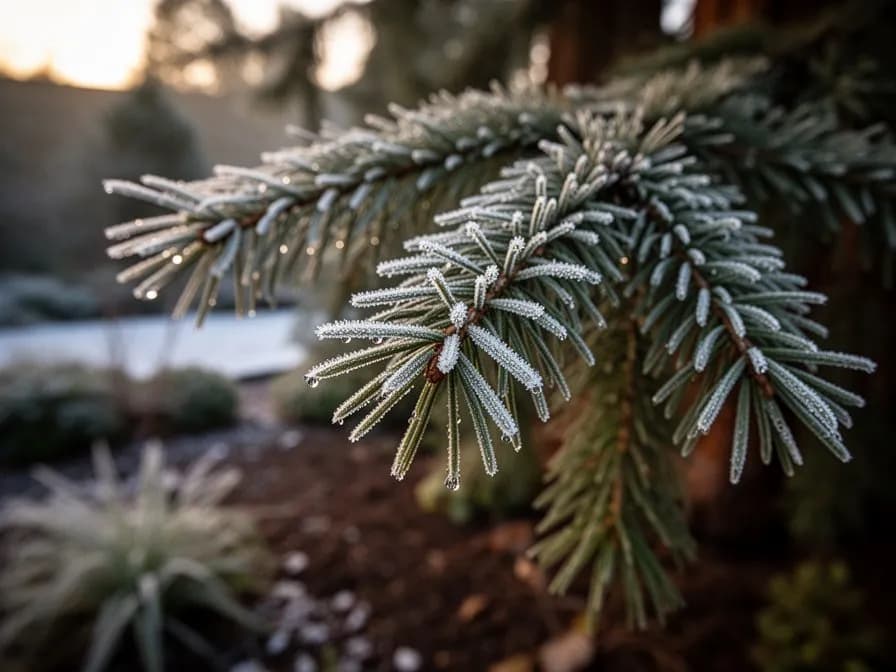
Mammutbaumrinden-Potpourri-Mischung
20 Min.Eine duftende dekorative Mischung aus abgefallenen Mammutbaumrindenstücken in Kombination mit anderen natürlichen Aromastoffen. Dies ist ein Bastelrezept und kein Lebensmittelrezept, das den charakteristischen waldigen Duft der Riesenmammutbaumrinde als Raumduft feiert.
5 ZutatenMammutbaum-Waldboden-Pilzsuppe
45 Min.Eine herzhafte Suppe, inspiriert von den essbaren Pilzen, die häufig in Riesenmammutbaum-Hainen wachsen. Obwohl der Mammutbaum selbst nicht essbar ist, unterstützt sein Waldökosystem zahlreiche kulinarische Pilzarten, darunter Steinpilze und Pfifferlinge, die im reichen Humus unter diesen uralten Bäumen gedeihen.
8 ZutatenWas drinsteckt
Gesundheitsvorteile
- Der Aufenthalt in Riesenmammutbaum-Hainen senkt nachweislich den Cortisolspiegel und den Blutdruck, was mit den gut dokumentierten gesundheitlichen Vorteilen des Waldbadens (Shinrin-yoku) in Urwaldumgebungen übereinstimmt.
- Die Phytonzide und flüchtigen organischen Verbindungen, die vom Mammutbaumlaub freigesetzt werden, können die Immunfunktion unterstützen, indem sie die Aktivität natürlicher Killerzellen steigern, wie in Studien zu Nadelwald-Atmosphären nachgewiesen wurde.
- Riesenmammutbäume verbessern die lokale Luftqualität, indem sie Feinstaub filtern und Schadstoffe wie Ozon, Schwefeldioxid und Stickoxide über ihre enorme Blattoberfläche absorbieren.
- Die Bäume tragen zur psychischen Gesundheit und zum seelischen Wohlbefinden bei – Studien zeigen, dass der Kontakt mit großen, alten Bäumen Symptome von Angst und Depression reduziert und Gefühle von Ehrfurcht und Verbundenheit fördert.
- Ausgewachsene Riesenmammutbaum-Haine mäßigen das lokale Mikroklima, indem sie umfangreichen Schatten spenden, die Umgebungstemperatur um mehrere Grad senken und die Luftfeuchtigkeit erhöhen, was bei heißem Wetter angenehmere Außenbedingungen schafft.
- Die ausgedehnten Wurzelsysteme und die Waldbodenstreuschicht der Mammutbaum-Haine filtern und reinigen den Wasserabfluss und tragen so zu sauberem Trinkwasser für flussabwärts gelegene Gemeinden in den Sierra-Nevada-Vorbergen und dem Central Valley von Kalifornien bei.
Woher Riesenmammutbaum stammt
Sequoiadendron giganteum, der Riesenmammutbaum, ist ein lebendes Relikt einer uralten Abstammungslinie, die einst weite Teile der Nordhalbkugel während des Mesozoikums und des frühen Känozoikums umspannte. Fossile Belege zeigen, dass Vorfahren der heutigen Mammutbäume über Nordamerika, Europa und Asien verbreitet waren, und zwar bis zurück in die Jurazeit vor etwa 200 Millionen Jahren. Als sich das globale Klima veränderte und Eiszeiten die kontinentalen Ökosysteme umgestalteten, schrumpfte das Verbreitungsgebiet dieser prächtigen Koniferen drastisch, bis sie auf einen schmalen Lebensraumstreifen an den Westhängen der Sierra Nevada in Zentralkalifornien beschränkt waren. Heute kommen natürlich vorkommende Riesenmammutbäume nur in etwa 77 einzelnen Hainen in Höhenlagen von 1.500 bis 2.300 Metern vor, die sich über einen etwa 420 Kilometer langen Abschnitt der Sierra Nevada vom Placer County im Norden bis zum südlichen Tulare County erstrecken. Die indigenen Völker der Sierra Nevada, darunter der Tule-River-Stamm und das Mono-Volk, lebten Tausende von Jahren unter diesen Hainen und begegneten den großen Bäumen mit tiefer Ehrfurcht. Europäische Amerikaner dokumentierten die Art erstmals 1852, als Augustus T. Dowd den Calaveras-Hain entdeckte, während er einem verwundeten Bären nachstellte. Die Entdeckung löste eine internationale Sensation aus und entfachte sowohl Staunen als auch Ausbeutung, da einige der größten Bäume gefällt oder ihre Rinde zur Ausstellung abgeschält wurde. Der öffentliche Aufschrei über diese Zerstörung trug zur frühen Naturschutzbewegung bei, und 1890 wurde der Sequoia-Nationalpark als zweiter Nationalpark der Vereinigten Staaten gegründet, speziell zum Schutz dieser uralten Haine. Die Art wurde ab den 1850er Jahren auch als Zierbaum im gemäßigten Europa, in Neuseeland und Teilen Südamerikas eingeführt, und viele dieser gepflanzten Exemplare sind in ihrer neuen Heimat beeindruckend gewachsen.
Riesenmammutbaum: Schon gewusst?
Faszinierende Fakten über Riesenmammutbaum
Der General-Sherman-Baum im Sequoia-Nationalpark ist der größte bekannte lebende Einzelstammbaum der Erde nach Volumen und enthält geschätzte 1.487 Kubikmeter Holz bei einem Gewicht von etwa 2,7 Millionen Kilogramm.
Riesenmammutbaum: Fragen & Antworten
Wann sollte ich Riesenmammutbaum pflanzen?
In welchen Winterhärtezonen kann Riesenmammutbaum wachsen?
Wie viel Sonne braucht Riesenmammutbaum?
Welchen Abstand sollte ich zwischen Riesenmammutbaum lassen?
Welche Schädlinge und Krankheiten befallen Riesenmammutbaum?
Wie lagere ich Riesenmammutbaum nach der Ernte?
Was sind die besten Riesenmammutbaum-Sorten zum Anbauen?
Welchen Boden braucht Riesenmammutbaum?
Wie schnell wachsen Riesenmammutbäume und wie groß werden sie in einem Hausgarten?
Können Riesenmammutbäume außerhalb ihres heimischen Kaliforniens überleben?
Brauchen Riesenmammutbäume Feuer zur Fortpflanzung, und wie gehe ich damit im Garten um?
Sind Riesenmammutbäume anfällig für ernsthafte Schädlinge oder Krankheiten?
Wie viel Wasser braucht ein Riesenmammutbaum, und kann er Trockenheit vertragen?
Ist es legal, Riesenmammutbaum-Samen oder -Zapfen in Nationalparks zu sammeln?
Du hast die Theorie gelesen. Jetzt baue sie auf Autopilot an.
Alles, was Riesenmammutbaum knifflig macht — das Timing, die Abstände, die Begleiter, das Erntefenster — genau das übernimmt PlotMyGarden für dich, für jede Pflanze im Garten.
Ein Plan, der dein Wetter kennt
Standort einmal festlegen. Aussaat-, Dünge- und Erntedaten rund um deinen echten letzten Frosttermin und die Live-Vorhersage — kein Raten mehr nach Saattüte.
Aus dem Abschnitt „Pflanzzeit“Beetplaner per Drag & Drop
Beete auf einem Raster gestalten. Jede Pflanze rastet im richtigen Abstand ein, und du siehst die ganze Saison, bevor du einen Cent für Saatgut ausgibst.
Aus dem Abschnitt „Anbau“Begleiter-Konflikte früh erkannt
Über 200 gute und schlechte Kombinationen werden beim Pflanzen live geprüft — so landet ein saisonruinierender Fehler nie in der Erde.
Aus dem Abschnitt „Begleiter“Erinnerungen, nach denen du wirklich handelst
„Gieß die Bohnen.“ „Heute ernten, bevor's umschlägt.“ Pünktlich, konkret und auf deine echten Pflanzen bezogen.
Aus dem Abschnitt „Ernte“Staffel-Aussaat, geplant
Sechs Wochen ernten statt sechs Tage? Die App verteilt deine Aussaaten automatisch und erinnert dich, wenn der nächste Satz fällig ist.
Aus dem Abschnitt „Pflanzzeit“Ein Verlauf, der schlauer wird
Jede protokollierte Ernte bringt der App deinen Garten bei. Der Plan fürs nächste Jahr startet bei dem, was in deinem Boden wirklich funktioniert hat.
Aus dem Abschnitt „Überblick“Weitere Immergrüne
Bau deine beste Riesenmammutbaum an — und alles drumherum.
Starte heute kostenlos. Lege deine Beete an, setze deine Riesenmammutbaum ein und lass PlotMyGarden Timing, Abstände, Begleiter und Erinnerungen von der Saat bis zum Erntekorb übernehmen.