Redwood Tree
The tallest tree species on Earth, coast redwoods can exceed 350 feet in their native fog-belt habitat along the Pacific coast.





On this pageOverview
Meet Redwood Tree
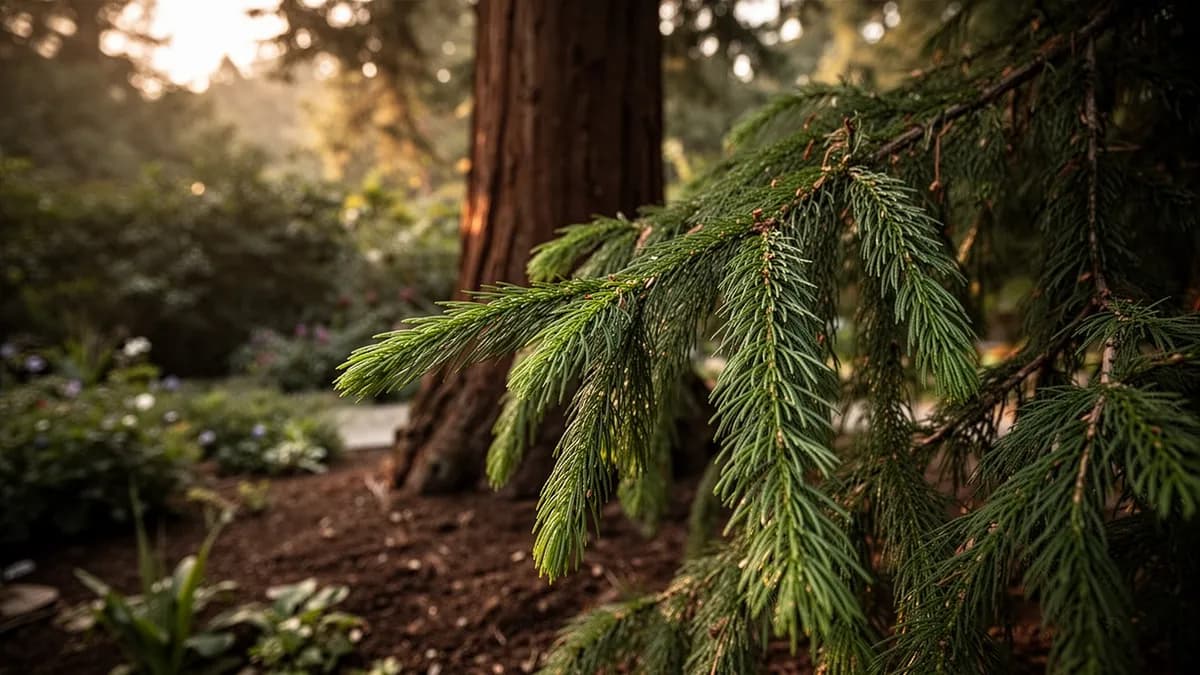
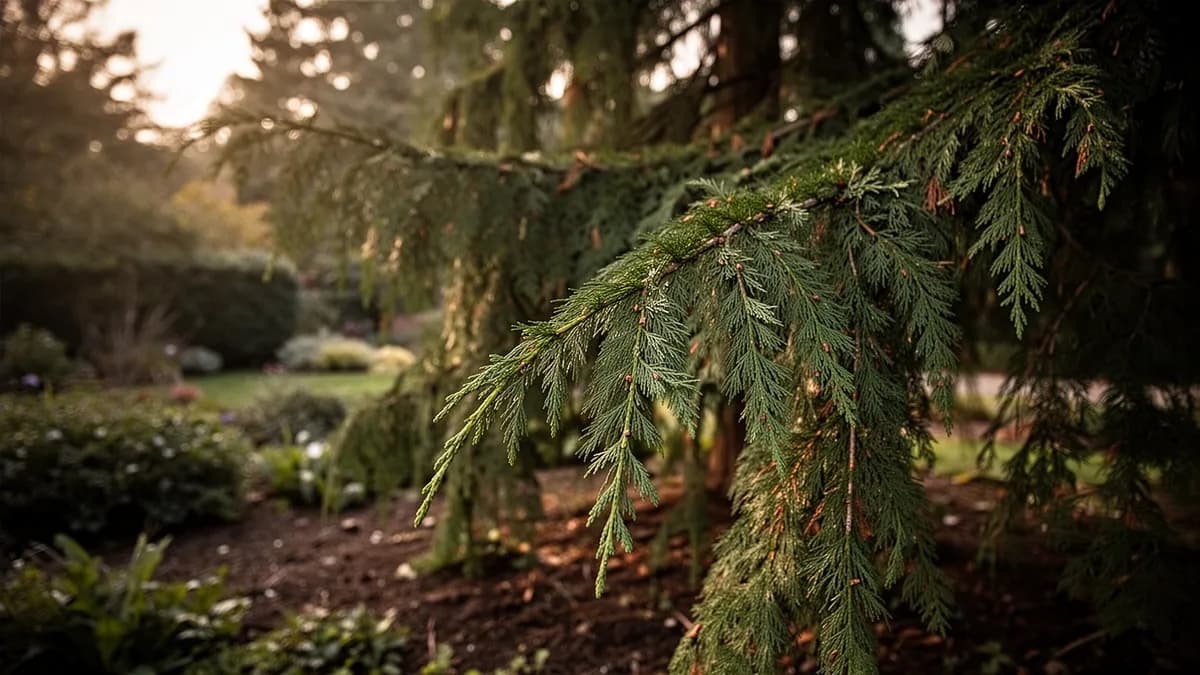
The tallest tree species on Earth, coast redwoods can exceed 350 feet in their native fog-belt habitat along the Pacific coast. In garden settings they still grow vigorously, adding three to five feet per year, and develop a beautiful fibrous cinnamon-red bark. They prefer cool, humid conditions and will not thrive in hot, dry inland climates without supplemental irrigation. Redwoods sprout readily from the base if cut or damaged, making them one of the few conifers that can regenerate vegetatively.
When to plant Redwood Tree
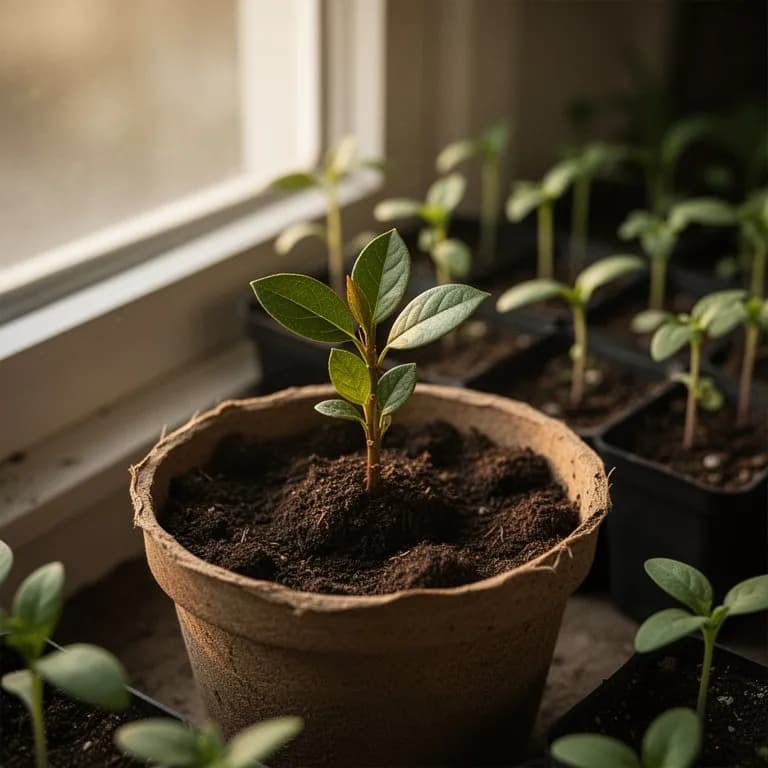
Collect cones from trees in late fall before they open and dry. Redwood seeds have very low viability rates, often below 10 percent, so sow generously. Seeds require 60 days of cold stratification in moist peat at 35 to 40 degrees Fahrenheit. Sow stratified seeds on the surface of fine seed-starting mix and keep under fluorescent lights at 65 to 70 degrees. Keep consistently moist but not waterlogged. Germination occurs in 2 to 4 weeks. Seedlings are delicate and grow slowly in the first year, reaching 4 to 6 inches. Alternatively, redwoods propagate readily from basal sprout cuttings taken in winter and treated with rooting hormone.
Your Redwood Tree Year
Composed for Zone 7 · typical seasons · frost passes Apr 2, returns Nov 1
Plant Redwood Tree Mar – Apr, pick —. Check the planting methods below and set your climate to personalize these windows.
How to grow Redwood Tree
Coast redwoods perform best in cool, humid climates that mimic their native Pacific fog belt from southern Oregon to central California. Select a site with full sun to light shade and deep, well-drained, slightly acidic soil with a pH of 5.5 to 6.5. These are exceptionally fast-growing trees that can add 3 to 5 feet per year, so allow at least 30 feet of clearance from structures and other large trees.
Plant container-grown specimens in spring after the last hard frost. Dig a hole three times wider than the root ball but no deeper. Backfill with native soil amended with compost and water thoroughly. Apply 4 to 6 inches of organic mulch in a wide ring around the tree, keeping it away from the trunk. Water deeply once or twice weekly during the first two growing seasons.
In dry climates, supplemental irrigation is essential throughout the tree's life. Redwoods absorb significant moisture through their foliage, so misting the canopy during dry periods or installing overhead irrigation can improve vigor. Minimal pruning is needed; remove only dead or damaged branches. Protect young trees from deer browsing with fencing or tree guards during the first few years.
Redwood Tree needs more room than a 4 × 8 ft bed gives
Each Redwood Tree wants 1200 cm of elbow room. The planner keeps that spacing for you — every plant, every bed.
Related growing guides
Feed it well
Redwoods prefer deep, fertile, slightly acidic soil with a pH of 5.5 to 6.5 and excellent drainage. They tolerate a range of soil types from sandy loam to clay if drainage is adequate. Amend heavy clay with generous quantities of compost and bark fines before planting. Apply a balanced slow-release fertilizer in early spring for the first 3 to 5 years, then discontinue as roots access deeper soil nutrients. Mulch heavily with organic matter to maintain soil moisture and suppress weeds. Redwoods are sensitive to alkaline conditions and may develop iron chlorosis in high-pH soils.
Ideal Temperature
Hardiness Zone Compatibility
From seed to harvest, stage by stage
Seed Germination and Emergence
Coast redwood seeds are tiny, with over 100,000 seeds per kilogram, and have a naturally low germination rate of only 5 to 20 percent. Seeds require consistent moisture and cool temperatures between 10-15°C to germinate. Stratification for 30 to 60 days in a cold, moist environment significantly improves germination success. Seedlings emerge as delicate shoots with cotyledons followed by juvenile needles arranged spirally on the stem.
Seedling Establishment
During the first year, coast redwood seedlings develop a taproot system and produce their first true foliage, transitioning from juvenile spiral needles to the characteristic flat, two-ranked needle arrangement. Seedlings typically reach 15 to 30 cm in their first growing season under favorable conditions. At this stage they are vulnerable to drying out, excessive heat, and root competition from established plants. The root system begins to spread laterally, a pattern that will dominate the mature tree's anchoring strategy.
Juvenile Growth Phase
Between years one and five, coast redwoods enter a rapid juvenile growth phase and can gain 60 to 150 cm of height per year under optimal conditions. The trunk begins to develop the characteristic reddish-brown fibrous bark, and the root system expands extensively in a shallow lateral pattern that can eventually extend 20 to 30 meters from the trunk. The crown develops a narrow conical shape with horizontal to slightly drooping branches. Basal burl tissue begins forming at the root crown, storing dormant buds for potential future regeneration.
Pole Stage and Rapid Height Growth
From approximately year five through year twenty, coast redwoods enter their most vigorous height growth phase, commonly adding 90 to 180 cm per year in favorable conditions. The trunk remains relatively slender during this pole stage while the tree invests heavily in vertical extension to compete for light. The bark thickens considerably, providing increasing fire resistance. Lower branches may begin to self-prune in shaded conditions, and the crown gradually shifts from conical to a more rounded or irregular form. Trees commonly reach 20 to 30 meters during this period.
Mature Canopy Development
Between years twenty and fifty, height growth gradually slows as the tree redirects energy toward trunk diameter expansion and canopy broadening. The trunk develops pronounced buttressing at the base and the bark can reach 15 to 25 cm in thickness. Seed production begins in earnest, with small cones forming at branch tips throughout the crown. The tree develops the ability to absorb moisture directly through its foliage from fog, an adaptation critical to survival during dry Pacific coast summers. Root systems at this stage typically extend well beyond the crown drip line and may have formed root grafts with neighboring redwoods.
Old-Growth Maturity
Coast redwoods reaching old-growth status after fifty to several hundred years develop massive trunks exceeding 3 to 5 meters in diameter and heights commonly surpassing 75 to 90 meters. The tallest known individual, Hyperion, stands at 115.92 meters. At this stage, the upper canopy develops complex structural features including reiterated trunks, fern mats, and soil accumulations that create aerial ecosystems supporting hundreds of species. The bark may exceed 30 cm in thickness, providing extraordinary fire resistance. These ancient trees continue to add significant biomass annually and are among the most carbon-dense organisms on Earth.
Sow seeds on the surface of a fine, moist seed-starting mix and press gently without covering, as they need light to germinate. Maintain consistent moisture with a humidity dome or mist system. Keep temperatures between 10-15°C and provide bright indirect light. Expect germination in 14 to 45 days with considerable variability between seeds.
Caring for Redwood Tree month by month
What to do each month for your Redwood Tree
October
You are hereReduce watering further as autumn rains return in Pacific coast climates. Rake and compost fallen needles or leave them in place as a natural acidic mulch layer. Assess the overall health and structure of young trees and note any corrective pruning needed during the dormant season. Protect the root zone of newly planted trees with additional mulch before the first hard frost in cold-winter areas.
Know exactly what to do in your garden — every month
One email at the start of each month: what to sow, plant, and tackle right now — for your Redwood Tree and everything growing around it. Plus a short starter course that helps you dodge the classic mistakes.
- What to do, right now
- Matched to your season
- Starter course included
Harvesting Redwood Tree
Redwoods are not grown for food harvest. The primary value of coast redwood is its exceptionally durable, rot-resistant heartwood, which has been prized for centuries for lumber, fencing, decking, and siding. In landscape settings, the attractive fibrous bark and fallen needle litter can be collected and used as decorative mulch. Small round cones can be gathered in fall for ornamental crafts or seed collection. The tree's ability to regenerate from basal sprouts after cutting was historically exploited in sustainable timber harvest rotations.
assuming you plant when the window opens — set your real date
Pick Redwood Tree promptly and the plant keeps producing.
Storage & Preservation
Redwood lumber requires no chemical treatment for outdoor use due to its natural resistance to decay, insects, and moisture. Air-dry freshly cut redwood for 6 to 12 months before use in construction to minimize warping and checking. Store lumber off the ground under cover with spacers between boards for air circulation. Redwood cones collected for seed should be dried in paper bags at room temperature for 2 to 3 weeks. Seeds stored in sealed containers in the refrigerator remain viable for several years.
What goes wrong — and the fix
Armillaria Root Rot
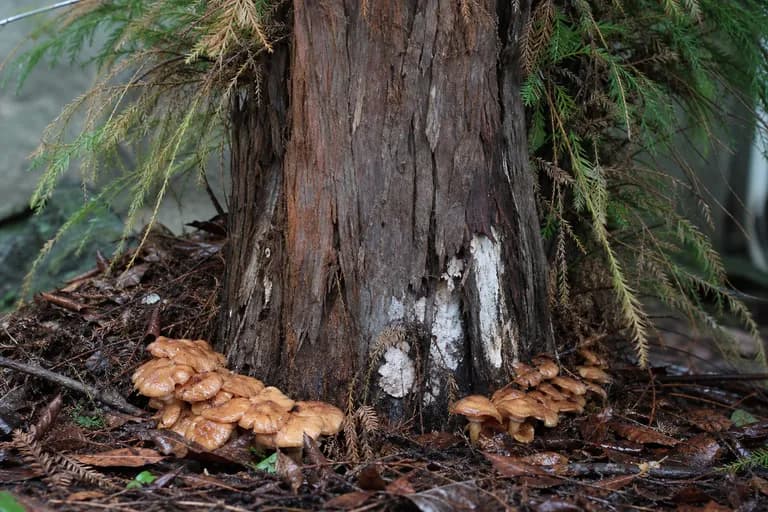
DiseaseYellowing and thinning of the canopy, reduced growth, honey-colored mushroom clusters at the base of the tree in fall. White mycelial fans visible under the bark near the soil line.
Canker Diseases
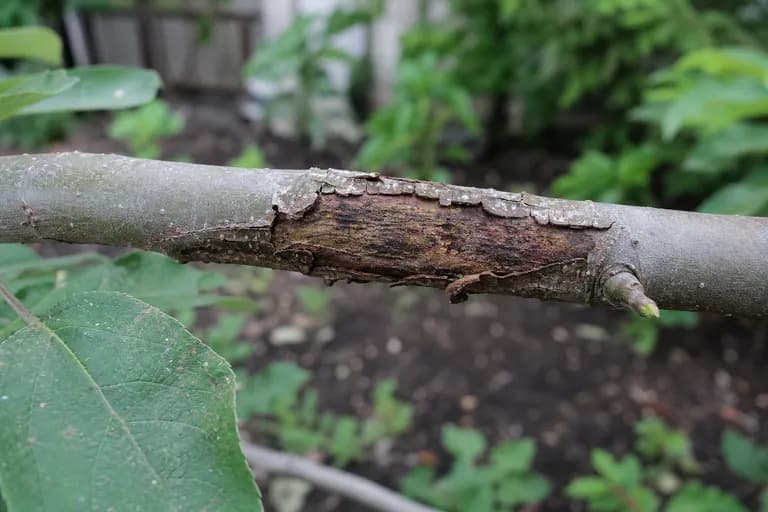
DiseaseSunken, discolored areas on branches and trunk that may ooze resin. Affected branches die back from the tips.
Spider Mites
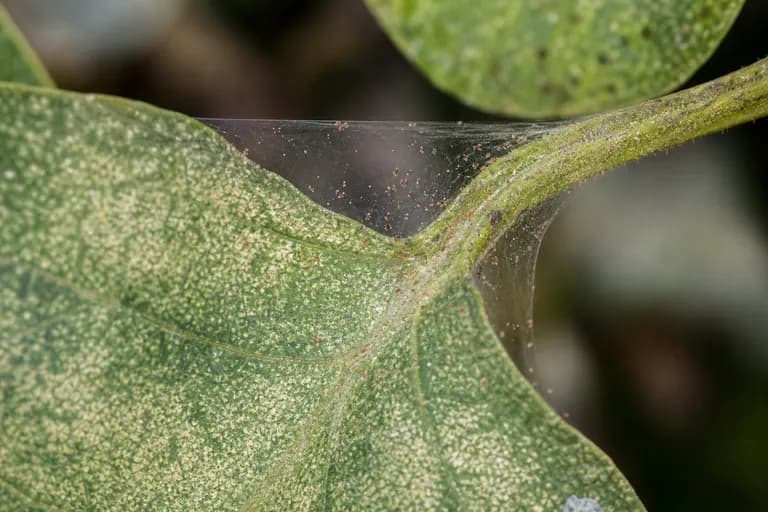
PestFine stippling on needles giving foliage a bronzy or dusty appearance. Fine webbing visible between needles on close inspection. Most common during hot, dry conditions.
Troubleshooting Common Problems
Drought stress is the most common problem for redwoods grown outside their native range, causing needle browning, branch dieback, and increased susceptibility to pests and disease. Hot, dry inland climates are generally unsuitable without consistent supplemental irrigation. Young trees are vulnerable to sunscald on the trunk during winter in cold regions. Lightning strikes can damage or kill tall specimens. Root disturbance from nearby construction can cause rapid decline. Redwoods planted in lawns may develop surface roots that compete with turf and heave sidewalks.
Growing Tips
- Coast redwoods require acidic soil with a pH between 5.0 and 6.5 for optimal growth. If your native soil is alkaline, amend the planting area generously with sulfur, peat moss, or composted pine bark and mulch annually with acidic organic materials to maintain the correct pH range.
- Fog and humidity are critical for coast redwood health. In inland or dry-climate locations away from natural coastal fog, install overhead mist irrigation or sprinklers that can periodically wet the foliage during hot, dry summer months to simulate the fog-drip effect the trees rely on in their native habitat.
- Protect young redwoods from drying winds by planting them on the sheltered side of buildings, walls, or established windbreak plantings. Desiccating winds are one of the most common causes of failure when growing coast redwoods outside their native range, causing needle burn and branch dieback.
- Coast redwoods develop extensive shallow root systems that spread far beyond the canopy. When selecting a planting site, allow a minimum of 10 to 15 meters from foundations, sidewalks, driveways, septic systems, and underground utilities to prevent future structural conflicts.
- Avoid planting coast redwoods in areas with compacted clay soil or poor drainage. While they tolerate seasonal flooding in their native riparian habitats, chronically waterlogged or compacted soils promote root rot caused by Phytophthora species, which can kill even large established trees.
- Propagation from cuttings taken from juvenile growth is more reliable than seed propagation. Take 15 to 20 cm semi-hardwood cuttings from current season's growth in late summer or autumn, treat with a medium-strength IBA rooting hormone, and place in a well-drained propagation medium under mist.
- Mulch is essential for coast redwood health at every stage of growth. Maintain a 10 to 15 cm layer of organic mulch extending to at least the canopy drip line, using acidic materials like shredded redwood bark, pine needles, or composted leaf mold. Keep mulch 15 cm away from the trunk to prevent bark rot.
- Young coast redwoods benefit from protection during their first two to three winters in cold-climate regions. Wrap trunks with tree wrap, apply heavy mulch over the root zone, and consider erecting a temporary burlap windscreen around newly planted specimens to reduce cold desiccation damage.
- In landscape settings, allow fallen redwood needles to accumulate naturally beneath the tree as a self-mulching layer. These needles decompose slowly, suppress weeds, acidify the soil, and support beneficial mycorrhizal fungal networks that the tree depends on for nutrient uptake.
- Monitor soil moisture throughout the growing season using a probe or moisture meter inserted to a depth of 30 cm. Coast redwoods prefer consistently moist but not saturated soil and should never be allowed to dry out completely during their active growing season from March through October.
Grow your best Redwood Tree yet — and everything around it.
Start a free plan today. Lay out your beds, drop in your Redwood Tree, and let PlotMyGarden handle the timing, spacing, companions and reminders from seed to harvest basket.
Pick your Redwood Tree
Aptos Blue
A striking blue-foliage selection with a dense pyramidal habit. More compact than the species, reaching 60 to 80 feet in cultivation. Excellent blue-green color year-round.
Soquel
Dense branching habit with dark green foliage and a strong central leader. One of the most symmetrical cultivars available, ideal for formal landscapes.
Los Altos
A vigorous grower with fine-textured blue-green foliage. Selected for its straight trunk and good branch spacing. Widely planted as a street and park tree.
Kelly's Prostrate
A low-growing groundcover form reaching only 2 to 3 feet tall but spreading 6 to 8 feet wide. A remarkable dwarf selection for small gardens and container plantings.
Coast redwood is grown primarily as an ornamental shade tree, timber resource, or ecological restoration plant rather than a food crop. While it does not produce edible yields, a well-placed coast redwood provides significant economic value through energy savings from shade, with studies estimating that mature shade trees can reduce residential cooling costs by 20 to 35 percent. Redwood lumber is among the most valuable softwoods, with sustainably harvested heartwood commanding premium prices of $3,000 to $8,000 per thousand board feet for clear grades. A single large redwood on a residential property can add $10,000 to $25,000 to property value according to arboricultural appraisals.
Quick recipes
Redwood Needle Aromatic Sachet
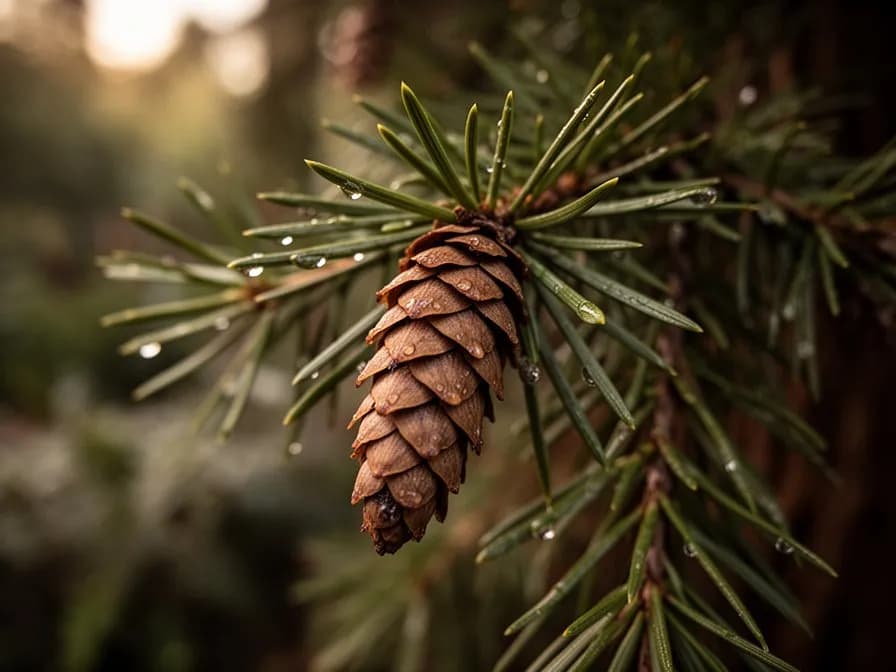
15 minutesA fragrant craft project using freshly collected coast redwood needle foliage to create natural aromatic sachets for drawers and closets. The needles release a pleasant, woodsy fragrance that persists for months and has traditional associations with repelling moths and other fabric pests. This is a non-edible craft use of redwood foliage rather than a food recipe.
5 ingredients
Redwood Bark Mulch Preparation
30 minutesA practical garden preparation using fallen or sustainably sourced coast redwood bark to create a premium, long-lasting acidic garden mulch. Redwood bark decomposes slowly due to its high tannin content, making it one of the most durable natural mulch materials available. It suppresses weeds, retains soil moisture, and gradually acidifies the soil as it breaks down, benefiting acid-loving plants such as blueberries, rhododendrons, and azaleas.
5 ingredientsRedwood Forest Potpourri Blend
20 minutes plus 2 weeks dryingA handmade potpourri blend capturing the distinctive aromatic character of a coast redwood forest. Combining dried redwood foliage with complementary botanicals and fixatives creates a long-lasting natural air freshener that evokes the atmosphere of walking through an ancient grove. The tannin-rich redwood components retain their fragrance significantly longer than most dried plant materials.
6 ingredientsWhat's inside
Health Benefits
- Coast redwood forests generate exceptionally clean air by filtering particulate matter and producing high levels of oxygen. Studies have shown that spending time in old-growth redwood groves significantly reduces cortisol levels, blood pressure, and heart rate compared to urban environments, a phenomenon documented in forest bathing research.
- The phytoncides released by coast redwood foliage, volatile organic compounds that trees produce as a defense against pathogens, have been shown in Japanese shinrin-yoku studies to boost human natural killer cell activity, potentially enhancing immune system function after exposure.
- Redwood forests create natural microenvironments with higher humidity and reduced ultraviolet radiation exposure, providing a naturally protective outdoor setting for individuals sensitive to dry air or excessive sun, including those with respiratory conditions or skin sensitivities.
- The tannin-rich compounds found in redwood bark and heartwood have demonstrated antimicrobial properties in laboratory studies, and indigenous peoples historically used redwood bark preparations as wound-cleaning agents and for treating minor skin irritations.
- Walking on the soft, deep duff layer of a redwood forest floor provides natural cushioning that reduces joint impact compared to hard surfaces, making old-growth redwood trails an excellent low-impact exercise environment for individuals with arthritis or joint concerns.
- Exposure to the diverse fungal and bacterial communities present in healthy redwood forest soil has been associated with improved mood and reduced anxiety in microbiome research, with specific soil bacteria like Mycobacterium vaccae shown to trigger serotonin release in studies on environmental exposure and mental health.
Where Redwood Tree comes from
The coast redwood (Sequoia sempervirens) belongs to a lineage that stretches back to the age of the dinosaurs, with fossil evidence placing ancestral redwood species in the late Jurassic period over 160 million years ago. During the Cretaceous and early Tertiary periods, redwood forests covered vast areas across the Northern Hemisphere, flourishing in regions now occupied by Europe, Asia, and much of North America. As global climates cooled and dried over millions of years, these ancient forests gradually retreated, ultimately confining the coast redwood to a narrow strip along the Pacific coast of North America stretching approximately 750 kilometers from southern Oregon to the Big Sur region of central California. This surviving range is defined almost entirely by the presence of summer coastal fog, which moderates temperatures and provides critical moisture during the dry Mediterranean summers. Indigenous peoples including the Yurok, Tolowa, and Chilula tribes lived among these ancient forests for thousands of years, using fallen redwood logs for canoe building and planked houses while maintaining a deeply spiritual relationship with the towering trees. European explorers first encountered coast redwoods in the late 18th century, and by the mid-19th century the California Gold Rush and subsequent population boom triggered intensive logging that would ultimately remove over 95 percent of the original old-growth redwood forest. The trees' magnificent, rot-resistant timber fueled the construction of San Francisco and countless other cities. Conservation efforts began in the early 20th century, led by organizations such as the Save the Redwoods League founded in 1918, which worked to protect remaining groves through land purchases and public advocacy. Today, coast redwoods are protected within Redwood National and State Parks, a UNESCO World Heritage Site established in 1980. Modern forestry practices on managed redwood timberland take advantage of the species' remarkable ability to regenerate from stumps and burls, making it one of the few conifers that can be sustainably harvested through coppice-style management rather than replanting.
Redwood Tree: did you know?
Fascinating facts about Redwood Tree
Coast redwoods are the tallest living organisms on Earth. The current record holder, named Hyperion, stands at 115.92 meters tall in Redwood National Park in northern California, exceeding the height of the Statue of Liberty by more than 20 meters.
Redwood Tree questions, answered
When should I plant Redwood Tree?
What hardiness zones can Redwood Tree grow in?
How much sun does Redwood Tree need?
How far apart should I space Redwood Tree?
What pests and diseases affect Redwood Tree?
How do I store Redwood Tree after harvest?
What are the best Redwood Tree varieties to grow?
What soil does Redwood Tree need?
How fast do coast redwoods grow, and how tall will they get in a home landscape?
Can I grow a coast redwood outside of California, and what climates are suitable?
How much water does a coast redwood need, and can it survive drought?
Are coast redwoods suitable for small gardens or urban lots?
Do coast redwoods have any serious pest or disease problems?
Can I grow a coast redwood from seed, and how long does it take?
You just read the theory. Now grow it on autopilot.
Everything that makes Redwood Tree fiddly — the timing, the spacing, the companions, the harvest window — is exactly what PlotMyGarden handles for you, for every plant in your garden.
A plan that knows your weather
Set your location once. Get sow, feed and harvest dates built around your real last-frost date and live forecast — no more guessing from a generic seed packet.
From the “When to plant” sectionDrag-and-drop bed planner
Design beds on a grid. Every plant snaps to its proper spacing, and you can see your whole season laid out before you spend a cent on seed.
From the “Growing guide” sectionCompanion conflicts, caught early
200+ good-and-bad pairings checked live as you plant — so a season-wrecking mistake never makes it into the ground.
From the “Companions” sectionReminders you'll actually act on
“Water the beans.” “Pick today before it turns.” Timely, specific, and tied to the plants you're really growing.
From the “Harvest” sectionSuccession, scheduled
Want a harvest for six weeks, not six days? It spaces your sowings automatically and reminds you when each new block is due.
From the “When to plant” sectionA record that gets smarter
Every harvest you log teaches it your garden. Next year's plan starts from what actually worked in your soil, not a textbook's.
From the “Overview” sectionMore Evergreens
Grow your best Redwood Tree yet — and everything around it.
Start a free plan today. Lay out your beds, drop in your Redwood Tree, and let PlotMyGarden handle the timing, spacing, companions and reminders from seed to harvest basket.