Rangpur-Limette
Eine Mandarine-Zitronen-Hybride mit orangeroter Schale und sehr saurem Saft, die in der indischen Küche und in Craft-Cocktails häufig als Limettenersatz verwendet wird.





Auf dieser SeiteÜberblick
Rangpur-Limette im Überblick
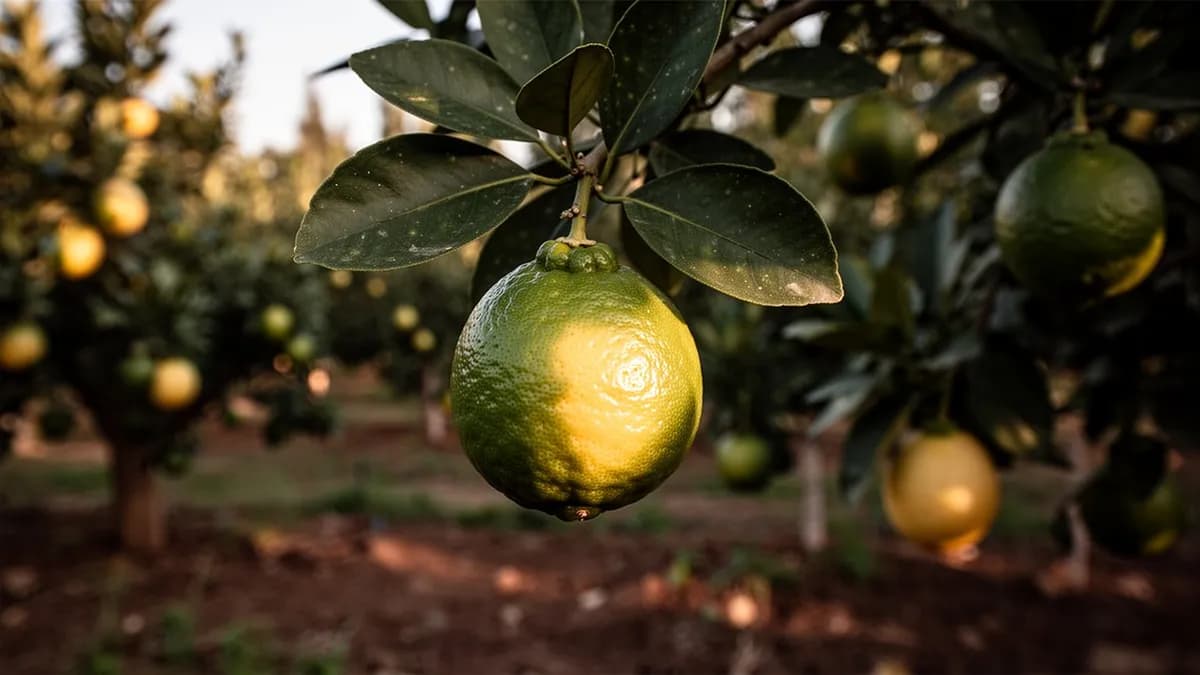
Eine Mandarine-Zitronen-Hybride mit orangeroter Schale und sehr saurem Saft, die in der indischen Küche und in Craft-Cocktails häufig als Limettenersatz verwendet wird. Rangpur-Limetten sind kältetoleranter als echte Limetten und tragen nach dem Anwachsen reichlich Früchte. Die aromatischen Früchte eignen sich hervorragend für Marmelade, Chutneys und als Säuerungsmittel in Currys.
Wann Rangpur-Limette pflanzen
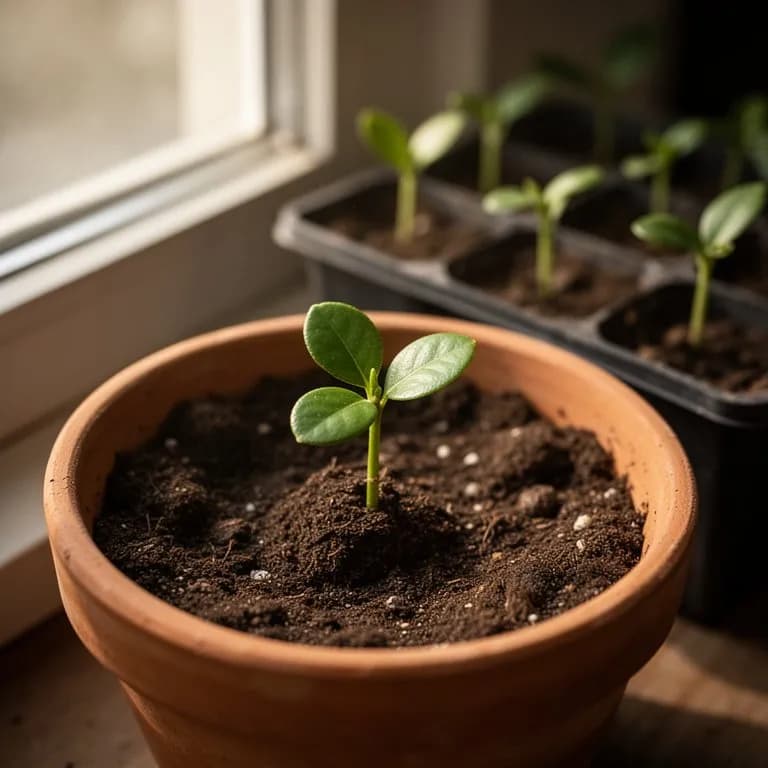
Die Rangpur-Limette lässt sich leicht aus Samen ziehen und ist oft sortenecht, was sie zu einer der einfacher zu vermehrenden Zitrusarten macht. Frische Samen keimen innerhalb von zwei bis vier Wochen, wenn sie einen Zentimeter tief in warmes, feuchtes Aussaatsubstrat bei 25 bis 30 Grad Celsius gepflanzt werden. Sämlinge wachsen kräftig und können in Einzeltöpfe umgepflanzt werden, sobald sie vier bis sechs echte Blätter haben. Aus Samen gezogene Bäume tragen in der Regel innerhalb von drei bis vier Jahren Früchte, schneller als viele Zitrusarten. Die Rangpur-Limette lässt sich auch leicht durch Stecklinge und Abmoosen vermehren.
Dein Rangpur-Limette-Jahr
Abgestimmt auf Zone 7 · typische Saison · Frost geht um den 2. Apr. und kehrt um den 1. Nov. zurück
Rangpur-Limette Mär – Mai pflanzen, Jan – Feb, Nov – Dez ernten. Beachte die Pflanzmethoden unten und wähle dein Klima für passende Zeiträume.
So baust du Rangpur-Limette an
Die Rangpur-Limette ist ein wüchsiger, ausladender Zitrusbaum und einer der kältetoleranteren Limettenersatze, der kurzzeitige Tiefsttemperaturen von etwa minus 5 Grad Celsius übersteht, sobald er etabliert ist. Pflanzen Sie ihn in voller Sonne in gut durchlässigem Boden mit einem Abstand von etwa zweieinhalb Metern, wenn Sie mehrere Bäume setzen. Der Baum ist nach dem Anwachsen trockenheitstolerant, liefert aber bessere Früchte bei regelmäßiger, tiefer Bewässerung in Trockenperioden.
Die Rangpur-Limette wird aufgrund ihrer Wuchskraft und Krankheitsresistenz häufig als Unterlage für andere Zitrusarten verwendet, was sie auch zu einem außergewöhnlich widerstandsfähigen Hausgarten-Obstbaum macht. Sie passt sich gut an verschiedene Bodenarten an, darunter sandige, lehmige und sogar mäßig alkalische Böden. In Regionen mit kalten Wintern ermöglicht die Kübelkultur, den Baum bei Frostgefahr an einen geschützten Standort zu bringen.
Der Baum beginnt innerhalb von zwei bis drei Jahren nach der Pflanzung Früchte zu tragen und wird schnell ertragreich. Schneiden Sie jährlich, um die Form zu erhalten und die Luftzirkulation in der Krone zu fördern. Entfernen Sie Wasserschosse und sich kreuzende Äste im Spätwinter vor dem Frühjahrsaustrieb. Die Rangpur-Limette reagiert gut auf regelmäßige Düngung und belohnt aufmerksame Gärtner mit reichen Ernten attraktiver orangeroter Früchte während der kühleren Monate.
Für Rangpur-Limette ist ein Beet von 120 × 240 cm zu klein
Rangpur-Limette braucht 250 cm Platz pro Pflanze. Der Planer hält diesen Abstand für dich ein — jede Pflanze, jedes Beet.
Die besten Nachbarn für Rangpur-Limette
Die Rangpur-Limette wächst gut neben anderen Zitrusbäumen und profitiert von stickstofffixierenden Gründüngungspflanzen wie Klee oder Wicke unter ihrer Krone. In der Nähe gepflanzter Beinwell dient als dynamischer Nährstoffsammler und liefert hervorragendes Mulchmaterial. Kapuzinerkresse und Tagetes helfen, Blattläuse und Weiße Fliegen abzuwehren. Vermeiden Sie die Pflanzung in der Nähe von Schwarznuss oder anderen allelopathischen Bäumen. Kräuter wie Rosmarin und Oregano gedeihen unter ähnlichen Bedingungen und können den sonnigen Unterwuchs besiedeln.
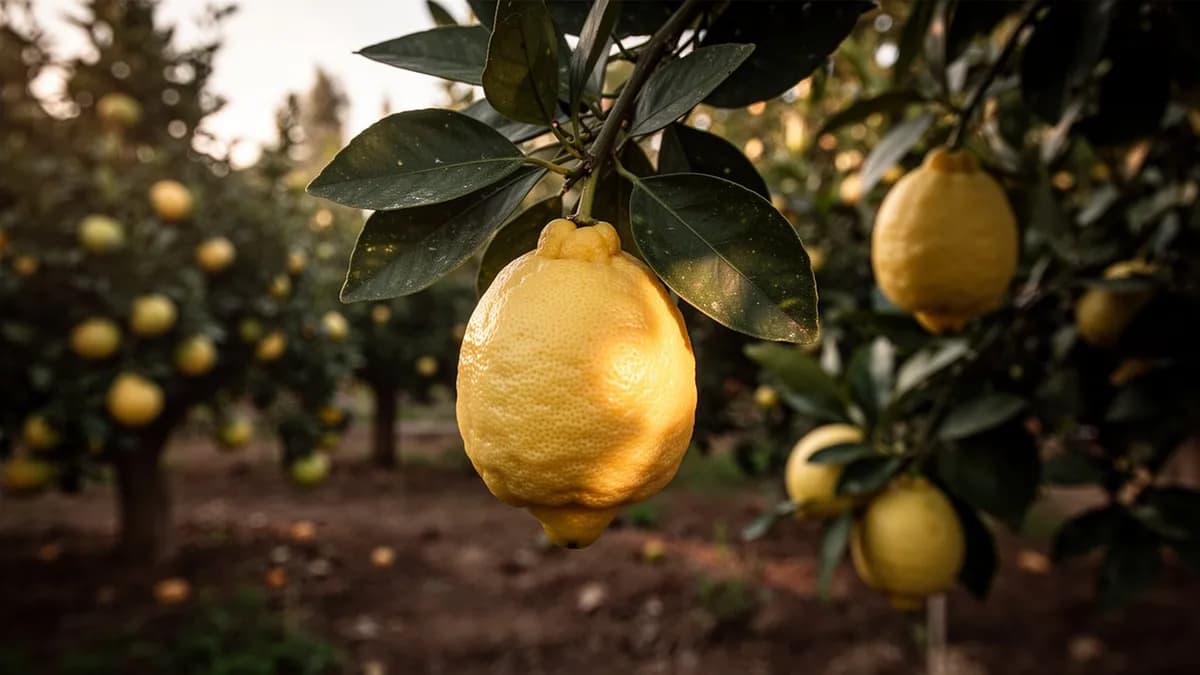
Zitrone gehört daneben.
Altes Gärtnerwissen, geprüft an der echten Nachbartabelle von Rangpur-Limette — teste jede Pflanze, die du anbaust.
Probiere Rangpur-Limette direkt hier im Beet
Ein echtes Planer-Beet, Rangpur-Limette steht schon drin. Tippe einen Begleiter an, platziere ihn und sieh, wie die Nachbarschaftsprüfung antwortet — grün für gute Nachbarn, rot bei Streit.


Passende Anbau-Ratgeber
Richtig düngen
Die Rangpur-Limette ist an eine Vielzahl von Bodenarten anpassbar, von sandig bis tonig, solange eine ausreichende Drainage gegeben ist. Sie verträgt leicht alkalische Bedingungen besser als die meisten Zitrusarten und gedeiht gut in Böden bis pH 7,5. Düngen Sie dreimal jährlich mit einem ausgewogenen Zitrusdünger im zeitigen Frühjahr, Hochsommer und Frühherbst. Ergänzen Sie bei Vergilbung zwischen den Blattadern mit chelatiertem Eisen und Mikronährstoff-Sprays. Mulchen Sie reichlich mit organischem Material, um die Bodenfeuchtigkeit zu erhalten und Unkraut zu unterdrücken, wobei der Mulch vom Stamm ferngehalten wird.
Ideale Temperatur
Winterhärtezone-Kompatibilität
Von der Saat zur Ernte, Schritt für Schritt
Keimung oder Etablierung
Rangpur-Limetten-Samen keimen innerhalb von zwei bis vier Wochen bei warmem und feuchtem Milieu, obwohl gewerbliche und Hobbygärtner in der Regel veredelte Baumschulpflanzen verwenden, um eine zuverlässige Fruchtleistung und bekannte Sorteneigenschaften zu gewährleisten. Frisch aus reifen Früchten gewonnene Samen haben die höchsten Keimraten. Veredelte Bäume etablieren ihr Wurzelsystem schnell, wenn sie in gut durchlässigen Boden gepflanzt und ausreichend warm gehalten werden.
Sämlings- und Wurzelentwicklung
Junge Rangpur-Limetten-Bäume treiben schubweise neues Wachstum mit glänzend dunkelgrünen Blättern aus, die gelegentlich einen rötlichen Schimmer an den austreibenden Trieben zeigen, bevor sie ausreifen. Die Pflanze konzentriert ihre Energie in den ersten Monaten auf den Aufbau eines tiefen, ausgebreiteten Wurzelsystems. Dornen erscheinen entlang der Äste und an den Blattknoten, wenn die Pflanze heranreift.
Vegetatives Wachstum und Kronenbildung
Die Rangpur-Limette wächst mäßig bis kräftig und produziert in warmen Klimazonen mehrere Wachstumsschübe pro Jahr. Die Krone wird dicht und buschig mit einem überhängenden Wuchs. Die Dornen sind entlang der Äste ausgeprägt und erfordern vorsichtigen Umgang beim Schneiden und Ernten. Das Grundgerüst des Baumes wird in dieser Phase gebildet.
Erste Blüte
Veredelte Rangpur-Limetten-Bäume bringen in der Regel zwei bis drei Jahre nach der Pflanzung ihre ersten Blüten hervor, manche auch früher. Die Blüten erscheinen in duftenden Büscheln von weißen bis blassviolett-weißen Blüten, oft mit violett getönten Knospen. Der Baum ist selbstfruchtbar und ein einzelnes Exemplar setzt ohne Bestäubungspartner Früchte an, obwohl Fremdbestäubung von einem nahen Zitrusbaum den Fruchtansatz verbessert.
Fruchtentwicklung
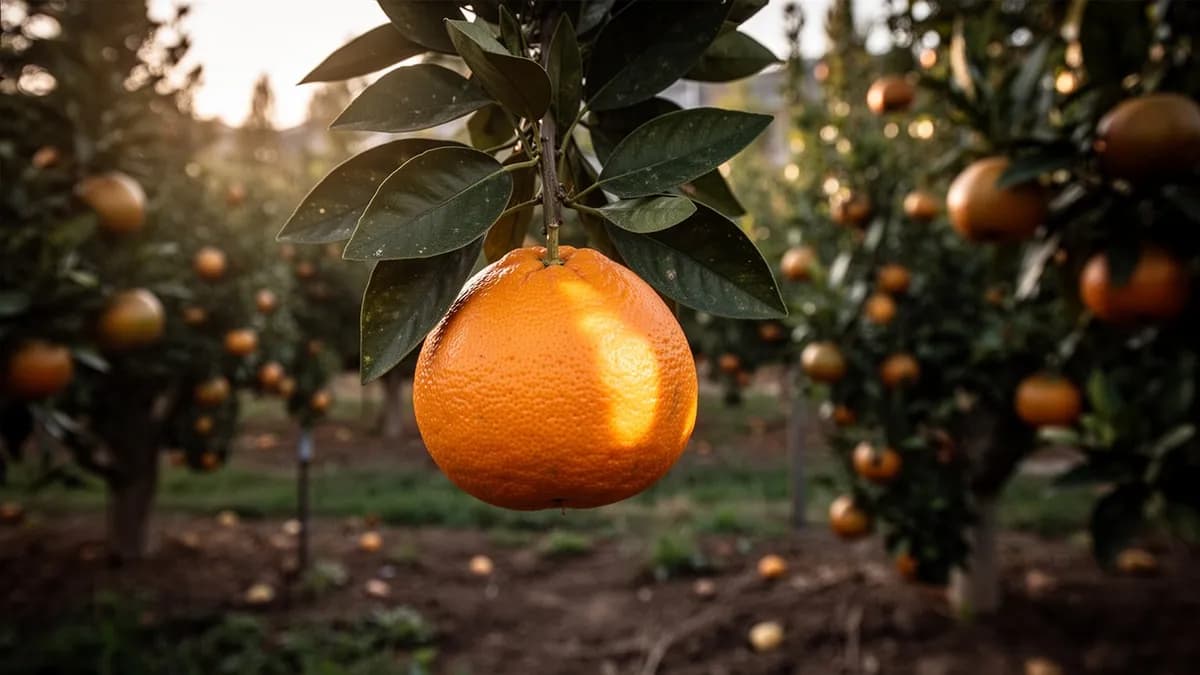
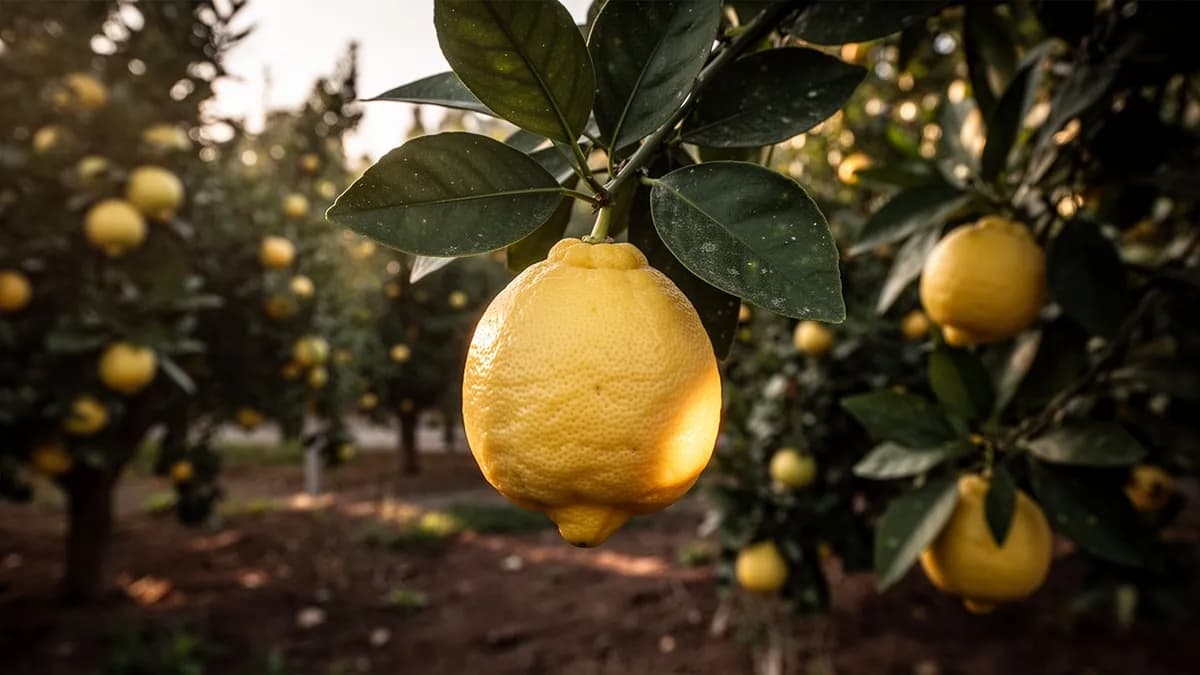
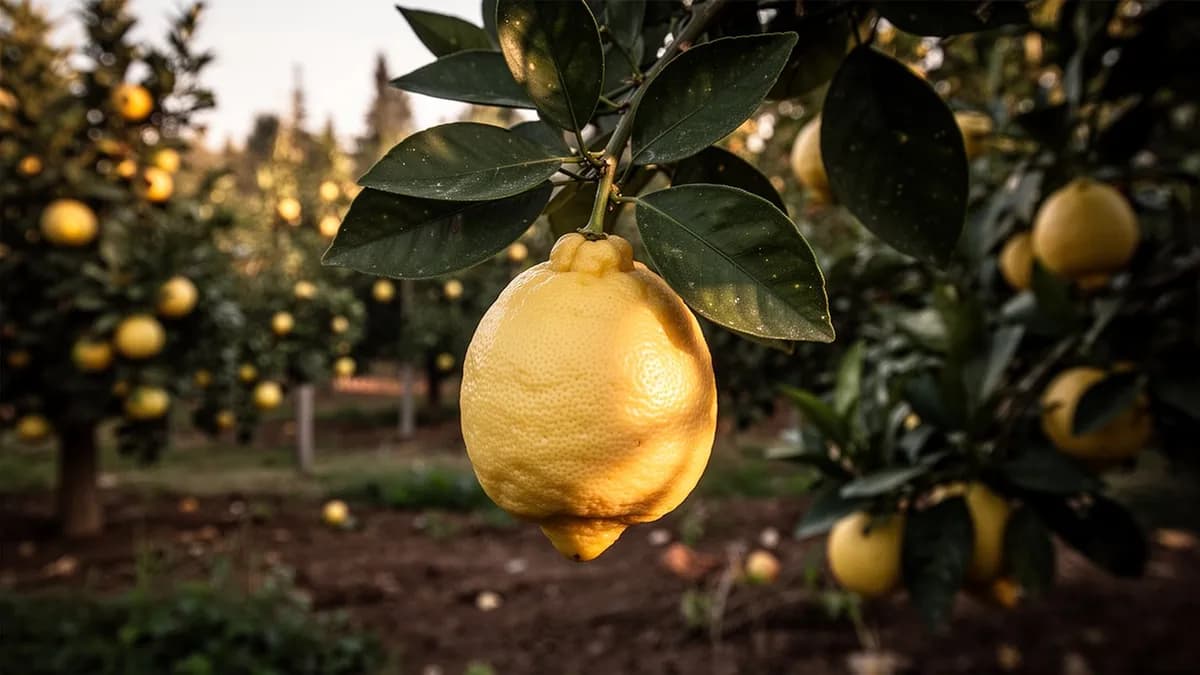
Kleine grüne Fruchtansätze schwellen nach der Bestäubung langsam an und vertiefen ihre Farbe allmählich von Grün über Gelborange bis zu einem endgültigen tiefen Orangerot bei voller Reife. Die Frucht benötigt etwa fünf bis sieben Monate von der Blüte bis zur vollständigen Reife. Anders als bei echten Limetten ist der Farbwechsel zu Orange völlig normal und deutet nicht auf Überreife hin.
Reifung und Ernte
Rangpur-Limetten sind erntereif, wenn die Schale ein tiefes Mandarinorange annimmt und die Frucht auf sanften Druck leicht nachgibt. Die Schale wird dünner, wenn die Frucht vollständig reift, und der Saftgehalt ist in diesem Stadium am höchsten. Anders als viele Zitrusfrüchte halten sich Rangpur-Limetten nach der Reife mehrere Wochen am Baum, ohne wesentlich an Qualität zu verlieren, was ein flexibles Erntefenster ermöglicht.
Nachernterückschnitt und Pflege
Nach der Haupternte profitieren Rangpur-Limetten-Bäume von einem leichten Rückschnitt, einer ausgewogenen Düngergabe und einer gründlichen Kontrolle auf Schädlings- und Krankheitsbefall. In geeigneten warmen Klimazonen kann der Baum bereits Wochen nach der Ernte erneut blühen und eine zweite, kleinere Ernte hervorbringen. Diese dauertragende Eigenschaft macht die Rangpur-Limette für Hobbygärtner außergewöhnlich produktiv.
Für die Samenkeimung die Samen über Nacht einweichen und 1 cm tief in feuchtes Zitrus-Aussaatsubstrat bei 24–29 °C pflanzen. Bei veredelten Bäumen den Wurzelballen beim Pflanzen nicht stören und mit einer verdünnten Seetanglösung angießen, um Verpflanzungsstress zu reduzieren.
Rangpur-Limette Monat für Monat pflegen
Was du jeden Monat für deine Rangpur-Limette tun solltest
Oktober
Aktueller MonatDen ganzen Monat über reife Früchte ernten. Düngergaben reduzieren, da das Wachstum mit kürzer werdenden Tagen natürlich nachlässt. Kübelbäume auf den Umzug ins Haus vorbereiten, indem man sie auf Schädlinge kontrolliert und Befall vor dem Hereinholen behandelt.
Immer wissen, was jetzt im Garten zu tun ist
Eine E-Mail zum Monatsanfang: was du jetzt säen, pflanzen und anpacken solltest — für deine Rangpur-Limette und alles, was drumherum wächst. Dazu ein kurzer Startkurs, der dich vor den klassischen Fehlern bewahrt.
- Was jetzt zu tun ist
- Passend zu deiner Saison
- Startkurs inklusive
Rangpur-Limette ernten
Rangpur-Limetten werden geerntet, wenn die Schale von Grün zu einem tiefen Orangerot wechselt, typischerweise vom Spätherbst bis zum Winter. Die Früchte halten sich mehrere Wochen nach Erreichen der Reife am Baum, was einen verlängerten Erntezeitraum ermöglicht. Pflücken Sie die Früchte, indem Sie den Stiel dicht an der Frucht abschneiden, um ein Abreißen des Astes zu vermeiden. Reife Früchte sollten sich für ihre Größe schwer anfühlen und auf sanften Druck leicht nachgeben. Der Saft ist bei voller Reife sehr sauer und aromatisch, was ihn ideal für kulinarische Anwendungen und Cocktails macht.
angenommen, du pflanzt zu Beginn des Zeitraums — trage dein tatsächliches Datum ein
Ernte Rangpur-Limette zügig, dann trägt die Pflanze weiter.
Lagerung & Konservierung
Frische Rangpur-Limetten halten sich bei Raumtemperatur zwei bis drei Wochen und gekühlt bis zu sechs Wochen. Der Saft lässt sich hervorragend in Eiswürfelformen einfrieren und ist so bis zu einem Jahr haltbar. Die Schale kann separat getrocknet oder eingefroren werden. Rangpur-Limetten ergeben aufgrund ihres hohen Pektingehalts und ihrer aromatischen Schale hervorragende Marmelade. Sie können auch ganz in Salz eingelegt werden, ähnlich wie eingelegte Zitronen, für die Verwendung in der indischen Küche, oder zu einem würzigen Chutney mit Gewürzen und Zucker verarbeitet werden.
Was schiefgeht — und die Lösung
Asiatischer Zitrusblattfloh
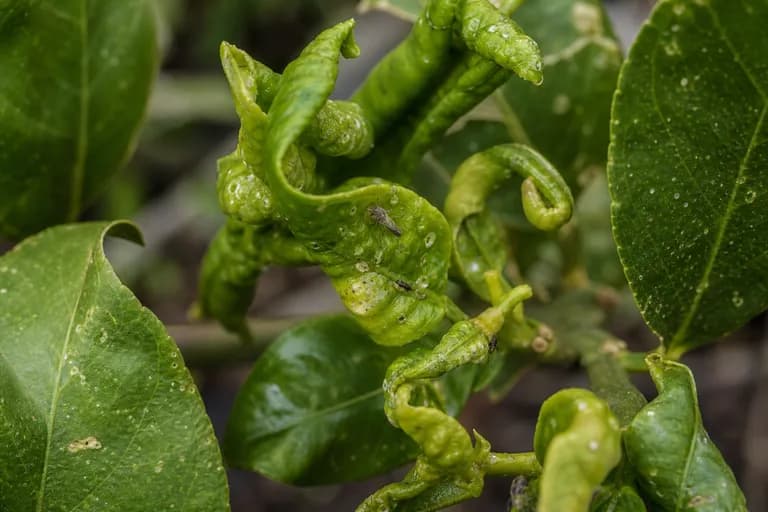
SchädlingEingerollte, verformte Neutriebe; wachsartige Röhrchen auf den Blättern; potenzieller Überträger der Citrus-Greening-Krankheit.

Blattläuse
SchädlingAnsammlungen kleiner grüner oder schwarzer Insekten an Neutrieben; eingerollte Blätter; klebriger Honigtau und daraus resultierender Rußtau.
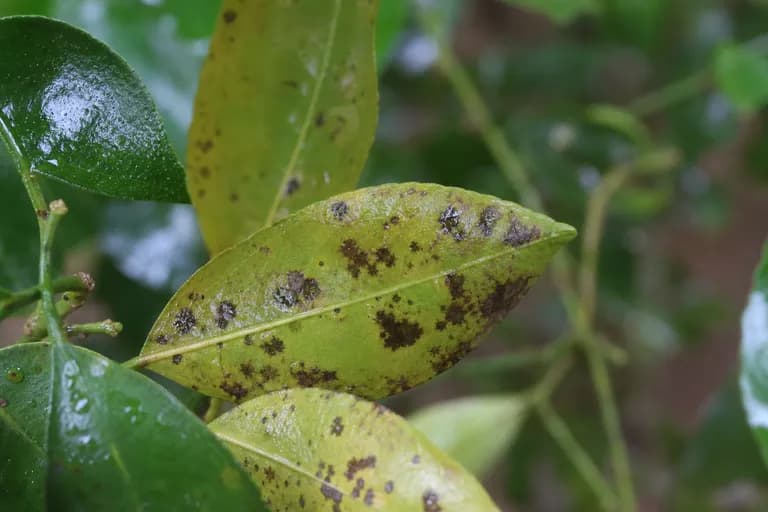
Zitrus-Fettfleckenkrankheit
KrankheitGelbbraune, blasige Flecken auf den Blattunterseiten, die dunkel und fettig erscheinen und zu vorzeitigem Blattfall führen.
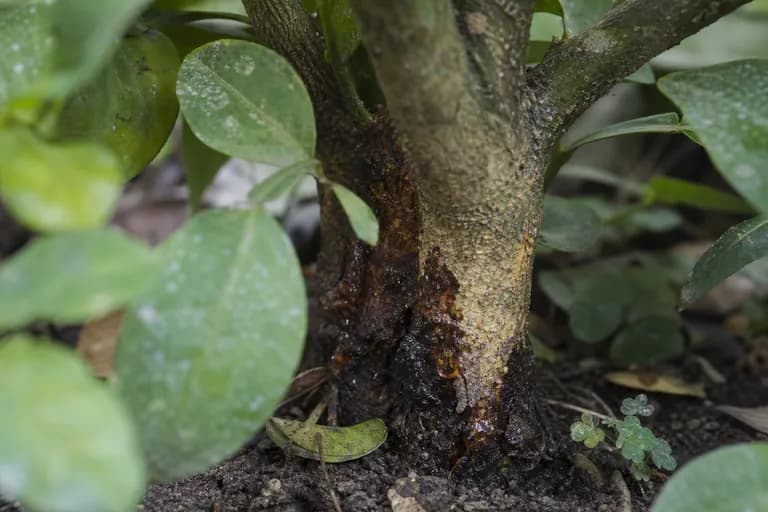
Wurzelfäule (Gummosis)
KrankheitDunkle, wassergetränkte Rindenläsionen in Bodennähe; Gummiaustritt aus dem Stamm; allmählicher Verfall der Baumkrone.
Fehlerbehebung bei häufigen Problemen
Rangpur-Limetten können übermäßig dornig werden, was die Ernte und Pflege ohne dicke Handschuhe erschwert. Der Baum neigt in guten Jahren zu übermäßigem Fruchtansatz, was ohne Ausdünnung zu Astbruch führen kann. Fruchtfall kann auftreten, wenn der Baum während der Fruchtentwicklung unter Trockenstress leidet. In feuchten Klimazonen können Pilzprobleme wie die Fettfleckenkrankheit erheblichen Blattverlust verursachen, wenn sie nicht behandelt werden. Der Baum neigt auch zur Bildung von Wurzelschösslingen, die umgehend entfernt werden sollten.
Anbautipps
- Kaufen Sie einen veredelten Rangpur-Limetten-Baum, anstatt aus Samen zu beginnen. Veredelte Bäume tragen innerhalb von zwei bis drei Jahren Früchte und reproduzieren zuverlässig die Eigenschaften der Elternsorte, während aus Samen gezogene Bäume fünf oder mehr Jahre bis zur Fruchtbildung benötigen können und erhebliche Schwankungen in der Fruchtqualität aufweisen können.
- Pflanzen Sie in voller Sonne an einem Standort mit mindestens sechs bis acht Stunden direkter Sonneneinstrahlung täglich. Rangpur-Limetten-Bäume, die im Halbschatten wachsen, haben einen schlechten Fruchtansatz und sind aufgrund verringerter Luftbewegung und Lichtdurchdringung in der Krone anfälliger für Pilzerkrankungen.
- Sorgen Sie für ausgezeichnete Drainage, indem Sie in Hochbeeten, an Hängen oder in gut verbessertem Boden pflanzen, wenn Ihr natürlicher Boden schwerer Lehm ist. Die Rangpur-Limette ist trotz ihrer allgemeinen Robustheit sehr empfindlich gegenüber Staunässe und verfällt bei schlecht drainierten Bedingungen schnell.
- Verwenden Sie alle sechs bis acht Wochen während Frühling und Sommer einen zitrusspezifischen Dünger und reduzieren Sie im Herbst und Winter auf alle zehn bis zwölf Wochen. Zitrusdünger enthalten essentielle Mikronährstoffe wie Eisen, Zink und Mangan, die in Standard-Universaldüngern fehlen, und Mängel an diesen Elementen verursachen Vergilbung und schwaches Wachstum.
- Mulchen Sie den Wurzelbereich mit einer 5–8 cm dicken Schicht aus organischem Mulch wie Holzhackschnitzeln oder Stroh, wobei der Mulch 10 cm vom Stamm entfernt bleiben sollte. Mulch konserviert Feuchtigkeit, reguliert die Bodentemperatur, unterdrückt Unkraut und verbessert beim Zersetzen allmählich die Bodenstruktur.
- In kühlen gemäßigten Klimazonen die Rangpur-Limette im größtmöglichen Kübel kultivieren, mit einem hochwertigen, gut durchlässigen Zitrus-Substrat. Den Baum vor dem Absinken der Temperaturen unter 4 °C an ein helles Südfenster ins Haus bringen und nach dem letzten Frost im Frühjahr wieder ins Freie stellen.
- Jedes Jahr nach der Ernte leicht zurückschneiden, um totes Holz, sich kreuzende Äste und alle Triebe unterhalb der Veredelungsstelle am Stamm zu entfernen. Die Rangpur-Limette benötigt keinen starken Rückschnitt, profitiert aber von einer Auslichtung der Krone zur Verbesserung der Lichtdurchdringung und Luftzirkulation.
- Lieber tief und gründlich gießen als oberflächlich und häufig. Tiefes Gießen fördert tiefe Wurzelbildung und verbessert die Trockenheitstoleranz. Bei etablierten Bäumen die oberen 3–5 cm des Bodens zwischen den Wassergaben abtrocknen lassen, und die Substratfeuchtigkeit bei Kübelkultur häufiger prüfen, da Töpfe schneller austrocknen als Gartenbeete.
- Geduld mit den Dornen haben. Rangpur-Limetten-Bäume haben ausgeprägte, scharfe Dornen entlang der Äste, die Ernte und Schnitt ohne Schutz schwierig machen. Verwenden Sie dicke Gartenhandschuhe und langärmelige Kleidung bei der Arbeit am Baum und berücksichtigen Sie die Dornen bei der Standortwahl in der Nähe von Wegen oder Spielbereichen.
- Bei Zimmer- oder Gewächshauskultur von Hand bestäuben, indem Sie mit einem kleinen trockenen Pinsel oder Wattestäbchen vorsichtig Pollen zwischen geöffneten Blüten übertragen. Obwohl die Rangpur-Limette selbstfruchtbar ist, fehlen Zimmerbäumen der Wind und die Insektenbesuche, die die Bestäubung natürlich verbessern, und manuelle Bestäubung kann den Fruchtansatz erheblich steigern.
Bau deine beste Rangpur-Limette an — und alles drumherum.
Starte heute kostenlos. Lege deine Beete an, setze deine Rangpur-Limette ein und lass PlotMyGarden Timing, Abstände, Begleiter und Erinnerungen von der Saat bis zum Erntekorb übernehmen.
Finde deine Rangpur-Limette
Standard-Rangpur
Die am häufigsten erhältliche Form mit leuchtend orangeroten Früchten, kräftigem Wuchs und reichem Fruchtansatz. Wird häufig als Unterlage verwendet.
Otaheite-Rangpur
Eine zwergwüchsige, nahezu dornenlose Sorte, die oft als Zierpflanze im Haus gehalten wird. Produziert kleine, dekorative Früchte an kompakten Pflanzen.
Kusaie-Limette
Eine Rangpur-ähnliche Sorte aus Mikronesien mit etwas süßerem Saft und dünnerer Schale, gut geeignet für den tropischen Tieflandanbau.
Rangpur x Troyer
Eine Hybrid-Unterlagenselektion, die Rangpur-Wuchskraft mit zusätzlicher Kältetoleranz kombiniert, hauptsächlich in der kommerziellen Zitrusproduktion verwendet.
Ein einzelner ausgewachsener Rangpur-Limetten-Baum, der als veredelte Baumschulpflanze für 20–40 € erworben wird, kann nach der Etablierung 100–300 Früchte pro Saison produzieren und damit jährlich Bio-Limetten und -Zitronen im Wert von 80–200 € ersetzen. Über eine produktive Lebensdauer von 30 oder mehr Jahren in einem geeigneten Klima erreichen die kumulierten Einsparungen leicht mehrere Tausend Euro. Selbst angebaute Rangpur-Limetten machen auch den Kauf von Spezialzitrusprodukten wie Rangpur-Limetten-Saft und -Schale überflüssig, die im Einzelhandel selten frisch erhältlich sind und als Spezialitäten Premiumpreise erzielen.
Schnelle Rezepte

Rangpur-Limetten-Marmelade
30 Min. Vorbereitung, 2 Stunden KochzeitEine lebhafte, wunderschön bernsteinfarbene Marmelade mit einem komplexen bittersüßen Zitrusgeschmack, der sich von jeder Standardlimetten- oder Zitronenkonserve unterscheidet. Der natürliche Hybridcharakter der Rangpur-Limette, der Mandarinensüße mit intensiver Säure verbindet, ergibt eine Marmelade von außergewöhnlicher Tiefe, die hervorragend zu Buttertoast, gereiftem Käse und gebratenem Fleisch passt.
5 Zutaten
Rangpur-Limetten-Gin-Fizz
5 Min.Ein spritziger, erfrischender Cocktail, der den unverwechselbaren süß-sauren Geschmack und die wunderschöne orangene Saftfarbe der Rangpur-Limette zur Geltung bringt. Das einzigartige Aromaprofil des Rangpur-Limetten-Safts hebt einen einfachen Gin Fizz auf ein unvergessliches Niveau, mit einer natürlichen Farbe, die ihn optisch beeindruckend macht. Funktioniert ebenso gut als Mocktail, wenn man den Gin durch prickelndes Holunderblütenwasser ersetzt.
6 ZutatenRangpur-Limetten-Curd
20 Min.Ein köstlich cremiger, intensiv aromatischer Zitrus-Curd mit einer atemberaubenden aprikosen-orangenen Farbe vom Rangpur-Limetten-Saft. Weitaus komplexer im Geschmack als Standard-Lemon-Curd, balanciert diese Rangpur-Version lebhafte Säure mit blumiger Mandarinensüße. Verwenden Sie ihn als Tartefüllung, Tortenschicht, löffelbaren Desserttopping oder einfach in Joghurt gerührt für ein lebhaftes Frühstück.
6 ZutatenKulinarische Verwendung
Der Saft der Rangpur-Limette ist ein hervorragender Ersatz für Limette in Cocktails, insbesondere in Gin Tonic und Margaritas, und verleiht eine einzigartige Orange-Zitrus-Komplexität. Die Frucht ist in der indischen Küche unverzichtbar für Chutneys, Pickles und als Säuerungsmittel in Dals und Currys. Der pektinreiche Saft ergibt außergewöhnliche Marmelade und Gelee. Die Schale verleiht Backwaren, Marinaden und Salatdressings helle, aromatische Noten.
Was drinsteckt
Gesundheitsvorteile
- Liefert etwa 80 % der empfohlenen täglichen Vitamin-C-Zufuhr pro 100 g, unterstützt eine robuste Immunfunktion, Wundheilung und die Aufnahme von Nicht-Häm-Eisen aus pflanzlichen Lebensmitteln
- Enthält Carotinoid-Antioxidantien aus der Mandarinen-Abstammung, darunter Beta-Carotin und Beta-Cryptoxanthin, die Zellen vor oxidativem Stress schützen und die Augengesundheit sowie die Hautintegrität unterstützen
- Reich an Zitrusflavonoiden wie Hesperidin und Tangeretin, die entzündungshemmende Wirkungen und potenzielle kardiovaskuläre Vorteile durch Verbesserung der Blutgefäßfunktion und Verringerung der schädlichen LDL-Cholesterin-Oxidation gezeigt haben
- Der Zitronensäuregehalt kann das Risiko von Kalziumoxalat-Nierensteinen verringern, indem er das Urincitrat erhöht, einen natürlichen Steinhemmer, was einen regelmäßigen moderaten Konsum potenziell vorteilhaft für Personen macht, die zu dieser Erkrankung neigen
- Enthält Limonen und andere Terpenverbindungen in Schale und ätherischem Öl, die antimikrobielle Aktivität gegen mehrere häufige Krankheitserreger gezeigt haben und in der Krebspräventionsforschung untersucht werden
- Niedriger glykämischer Index und bedeutender Ballaststoffgehalt unterstützen eine gesunde Blutzuckerregulation und Verdauungsfunktion, was sie zu einer geeigneten Ergänzung für Ernährungsansätze zur Gewichts- und Stoffwechselkontrolle macht
Woher Rangpur-Limette stammt
Die Rangpur-Limette (Citrus × limonia) ist eine natürlich entstandene Hybride zwischen der Mandarine (Citrus reticulata) und der Zitronatzitrone (Citrus medica), wodurch sie in dieselbe Hybridgruppe wie die Zitrone fällt und nicht zu den echten Limetten gehört. Ihr genauer geografischer Ursprung wird in Südasien vermutet, höchstwahrscheinlich in der Bengalischen Region des indischen Subkontinents, wobei die Stadt Rangpur im heutigen Bangladesch der Frucht ihren Namen gab. Der Zitrusanbau in Bengalen und Nordostindien hat eine jahrtausendealte Geschichte, und die Rangpur-Limette wurde in dieser Region mit ziemlicher Sicherheit lange vor der formalen botanischen Dokumentation kultiviert. Die Frucht wurde im 15. und 16. Jahrhundert portugiesischen Händlern und Kolonisten vorgestellt, die sie über ihre ausgedehnten maritimen Handelsnetzwerke nach Afrika, Südamerika und Südostasien verbreiteten. Im 18. und 19. Jahrhundert dokumentierten Pflanzensammler und Kolonialbotaniker die weit verbreitete Rangpur-Limette in den Tropen, und sie wurde als botanische Kuriosität nach Europa eingeführt. Der Baum wurde Anfang des 20. Jahrhunderts in Florida besonders beliebt, sowohl als Unterlage zum Veredeln anderer Zitrussorten als auch als Gartenobstbaum, geschätzt für seine Kältetoleranz im Vergleich zu echten Limetten und seine hohe Produktivität. In Brasilien wurde die Rangpur-Limette unter dem lokalen Namen Limão Cravo (Nelkenzitrone) zu einer enorm wichtigen kommerziellen Unterlage, und Millionen von Orangen-, Mandarinen- und Zitronenbäumen in Brasiliens riesiger Zitrusindustrie sind auf Rangpur-Limetten-Unterlagen veredelt, wegen ihrer Krankheitsresistenz und Bodenanpassungsfähigkeit. Die Frucht erlangte 2006 erhebliche internationale Bekanntheit, als Gordons Destillerie ihren Rangpur Gin auf den Markt brachte, der Rangpur-Limetten-Botanicals als Schlüsselaroma verwendete und das charakteristische Aroma der Frucht einem weltweiten Publikum vorstellte. Heute wird die Rangpur-Limette in tropischen und subtropischen Regionen weltweit angebaut, geschätzt sowohl als produktiver Gartenobstbaum als auch als wichtige Unterlage in der kommerziellen Zitrusproduktion.
Rangpur-Limette: Schon gewusst?
Faszinierende Fakten über Rangpur-Limette
Trotz ihres Namens ist die Rangpur-Limette keine echte Limette, sondern eine natürliche Hybride aus Mandarine und Zitronatzitrone, was sie botanisch näher an der Zitrone als an jeder echten Limettenart einordnet. Ihre intensive Säure macht sie jedoch funktional identisch mit Limette in der kulinarischen Verwendung.
Rangpur-Limette: Fragen & Antworten
Wann sollte ich Rangpur-Limette pflanzen?
Was sind gute Begleitpflanzen für Rangpur-Limette?
In welchen Winterhärtezonen kann Rangpur-Limette wachsen?
Wie viel Sonne braucht Rangpur-Limette?
Welchen Abstand sollte ich zwischen Rangpur-Limette lassen?
Welche Schädlinge und Krankheiten befallen Rangpur-Limette?
Wie lagere ich Rangpur-Limette nach der Ernte?
Was sind die besten Rangpur-Limette-Sorten zum Anbauen?
Welchen Boden braucht Rangpur-Limette?
Ist die Rangpur-Limette tatsächlich eine Limette?
Warum wird meine Rangpur-Limetten-Frucht orange? Ist sie überreif?
Kann ich die Rangpur-Limette als Ersatz für normale Limette oder Zitrone in Rezepten verwenden?
Wie kältebeständig ist die Rangpur-Limette im Vergleich zu anderen Zitrusarten?
Warum wird die Rangpur-Limette als Unterlage für andere Zitrusbäume verwendet?
Wie bringe ich meine Rangpur-Limette dazu, mehr Früchte zu tragen?
Du hast die Theorie gelesen. Jetzt baue sie auf Autopilot an.
Alles, was Rangpur-Limette knifflig macht — das Timing, die Abstände, die Begleiter, das Erntefenster — genau das übernimmt PlotMyGarden für dich, für jede Pflanze im Garten.
Ein Plan, der dein Wetter kennt
Standort einmal festlegen. Aussaat-, Dünge- und Erntedaten rund um deinen echten letzten Frosttermin und die Live-Vorhersage — kein Raten mehr nach Saattüte.
Aus dem Abschnitt „Pflanzzeit“Beetplaner per Drag & Drop
Beete auf einem Raster gestalten. Jede Pflanze rastet im richtigen Abstand ein, und du siehst die ganze Saison, bevor du einen Cent für Saatgut ausgibst.
Aus dem Abschnitt „Anbau“Begleiter-Konflikte früh erkannt
Über 200 gute und schlechte Kombinationen werden beim Pflanzen live geprüft — so landet ein saisonruinierender Fehler nie in der Erde.
Aus dem Abschnitt „Begleiter“Erinnerungen, nach denen du wirklich handelst
„Gieß die Bohnen.“ „Heute ernten, bevor's umschlägt.“ Pünktlich, konkret und auf deine echten Pflanzen bezogen.
Aus dem Abschnitt „Ernte“Staffel-Aussaat, geplant
Sechs Wochen ernten statt sechs Tage? Die App verteilt deine Aussaaten automatisch und erinnert dich, wenn der nächste Satz fällig ist.
Aus dem Abschnitt „Pflanzzeit“Ein Verlauf, der schlauer wird
Jede protokollierte Ernte bringt der App deinen Garten bei. Der Plan fürs nächste Jahr startet bei dem, was in deinem Boden wirklich funktioniert hat.
Aus dem Abschnitt „Überblick“Pflanze diese neben Rangpur-Limette
Weitere Zitrusfrüchte
Bau deine beste Rangpur-Limette an — und alles drumherum.
Starte heute kostenlos. Lege deine Beete an, setze deine Rangpur-Limette ein und lass PlotMyGarden Timing, Abstände, Begleiter und Erinnerungen von der Saat bis zum Erntekorb übernehmen.