Perilla
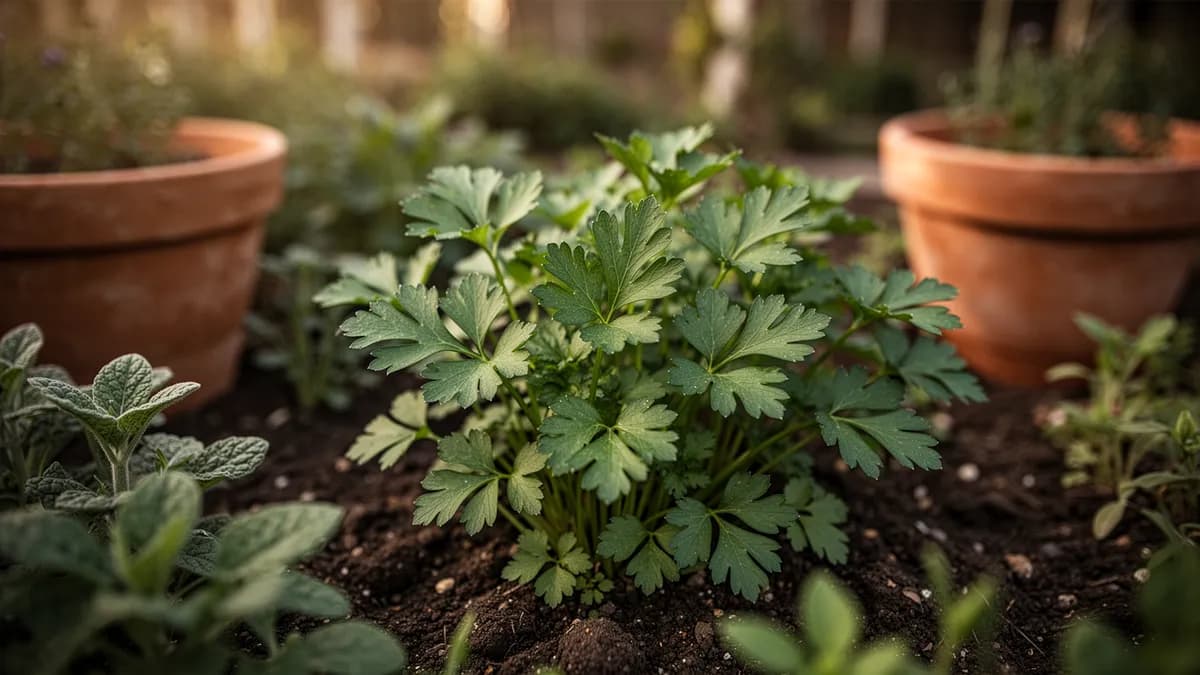
Die koreanische Sorte der Perilla-Familie mit grösseren, weniger gekrausten Blättern, die zum Einwickeln von gegrilltem Fleisch und Reis verwendet werden.





Auf dieser SeiteÜberblick
Perilla im Überblick
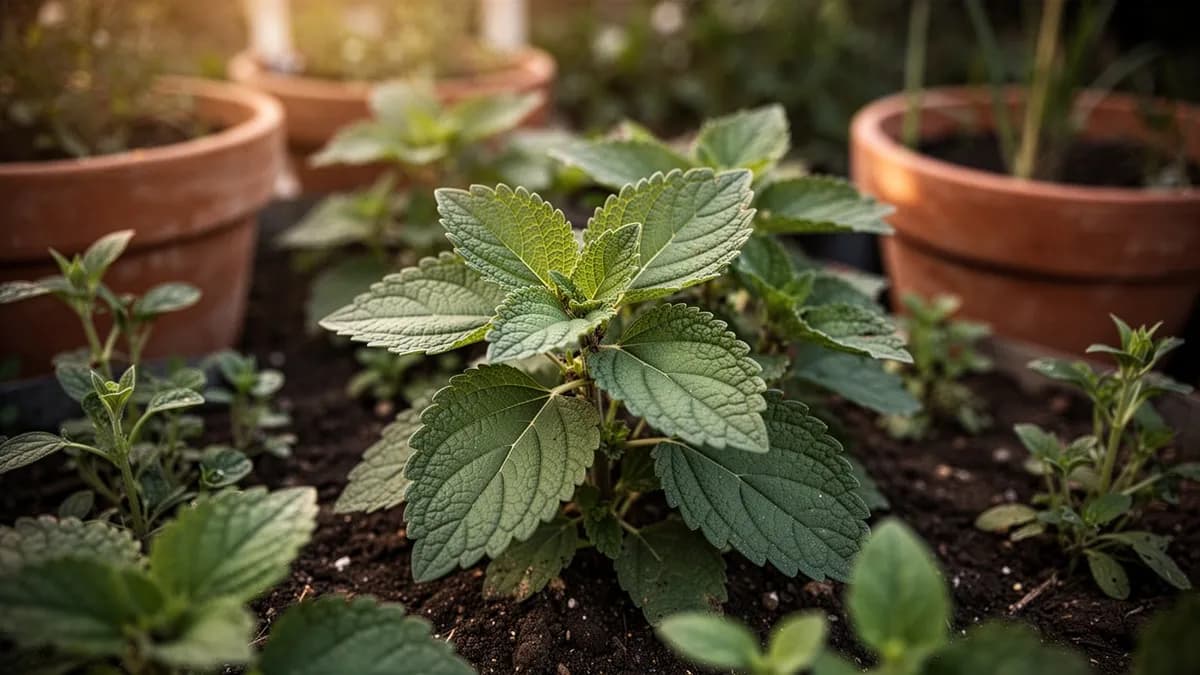
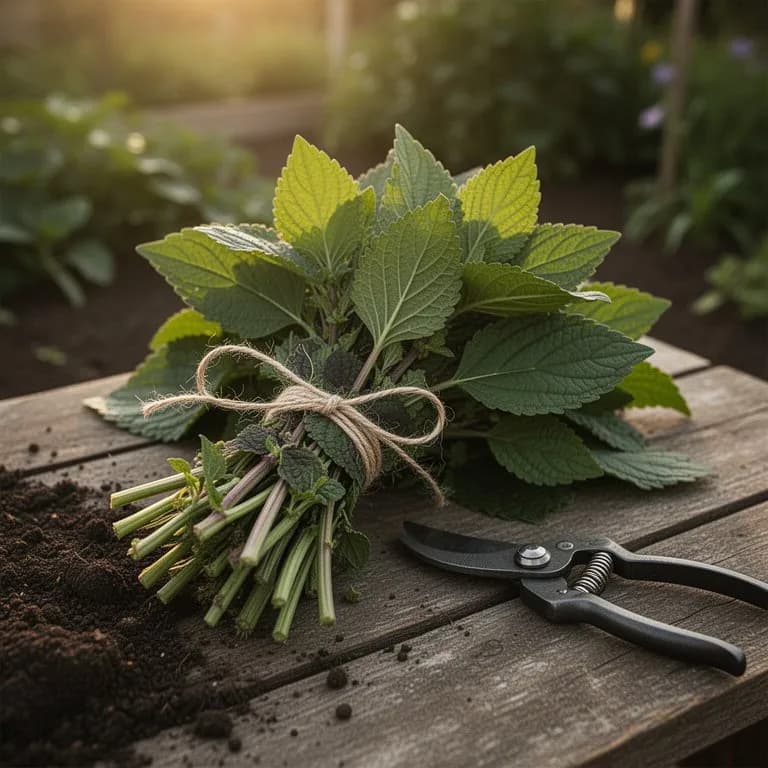
Die koreanische Sorte der Perilla-Familie mit grösseren, weniger gekrausten Blättern, die zum Einwickeln von gegrilltem Fleisch und Reis verwendet werden. Perillablätter haben ein markantes sesamartiges Aroma mit minzigen Untertönen und sind ein fester Bestandteil der koreanischen Tischkultur. Pflanzen Sie sie im Halbschatten in nährstoffreicher, feuchter Erde und ernten Sie regelmässig die äusseren Blätter, um die fortlaufende Produktion zu fördern.
Wann Perilla pflanzen
Stratifizieren Sie Perillasamen kalt, indem Sie sie zwischen feuchte Küchentücher in einen verschlossenen Beutel legen und 1-2 Wochen vor der Aussaat kühlstellen. Säen Sie die Samen 6-8 Wochen vor dem letzten Frost auf die Oberfläche feuchter Anzuchterde, da Licht die Keimung fördert. Halten Sie die Erde bei 18-21°C. Die Keimung dauert 7-21 Tage. Pflanzen Sie nach dem letzten Frost ins Freiland, wenn die Erde warm ist. Direktsaat nach Erreichen von 18°C Bodentemperatur funktioniert ebenfalls gut. Für grosse Pflanzungen, wie sie typisch für koreanische Küchengärten sind, streuen Sie das Saatgut dicht in ein vorbereitetes Beet und vereinzeln Sie auf 30-45 cm Abstand.
Dein Perilla-Jahr
Abgestimmt auf Zone 7 · typische Saison · Frost geht um den 2. Apr. und kehrt um den 1. Nov. zurück
Perilla Apr – Jun pflanzen, Jun – Sep ernten. Beachte die Pflanzmethoden unten und wähle dein Klima für passende Zeiträume.
So baust du Perilla an
Perilla (Perilla frutescens), in der koreanischen Küche als Kkaennip oder Deulkkae bekannt, ist eine wärmeliebende einjährige Pflanze mit grösseren, breiteren und weniger gekrausten Blättern als japanisches Shiso. Obwohl eng verwandt, zeichnet sich Perilla durch ein einzigartiges sesamartiges Aroma aus. Säen Sie die Samen 6-8 Wochen vor dem letzten Frost drinnen aus oder säen Sie direkt ins Freiland, nachdem die Bodentemperaturen 18°C erreicht haben. Eine Kältestratifikation der Samen verbessert die Keimung.
Verpflanzen Sie die Setzlinge oder vereinzeln Sie sie auf 30-45 cm Abstand im Halbschatten bis zur vollen Sonne. Perilla bevorzugt nährstoffreiche, feuchte, gut durchlässige Erde und gleichmässige Bewässerung. Die Pflanzen werden 60-90 cm hoch mit grossen, leicht behaarten Blättern, die breiter und flacher als Shiso sind. Knipsen Sie die Wachstumsspitzen ab, um die Verzweigung und einen buschigeren Wuchs zu fördern.
Perilla ist äusserst pflegeleicht und verträgt ein breiteres Spektrum an Bedingungen als viele Kräuter. Sie sät sich selbst reichlich aus und kann invasiv werden, wenn sie nicht kontrolliert wird. In koreanischen Hausgärten wird Perilla in grossen Mengen angebaut, da die Blätter in grosser Menge als Ssam-Wickelblätter für gegrilltes Fleisch verzehrt werden. Kultivieren Sie sie in Gefässen, um die Ausbreitung zu begrenzen, und entfernen Sie Blütenstände, um die Blatternte zu verlängern.
36 Pflanzen passen in ein Beet von 120 × 240 cm
Perilla braucht 25 cm Platz pro Pflanze. Der Planer hält diesen Abstand für dich ein — jede Pflanze, jedes Beet.
Die besten Nachbarn für Perilla
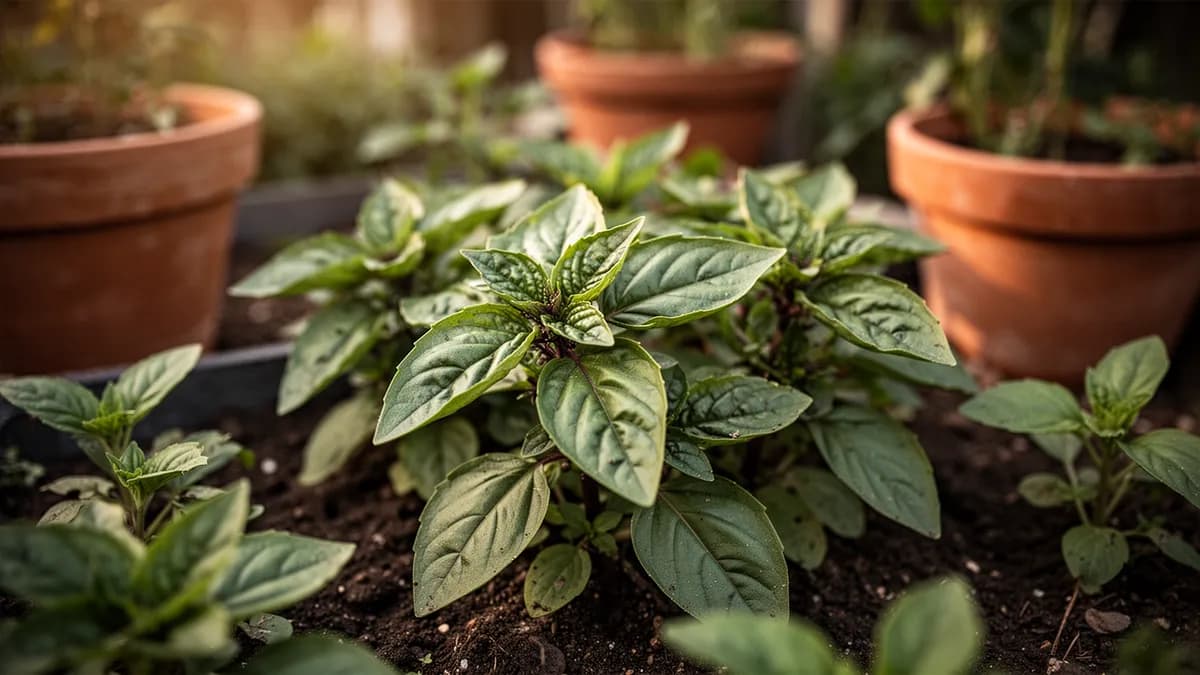
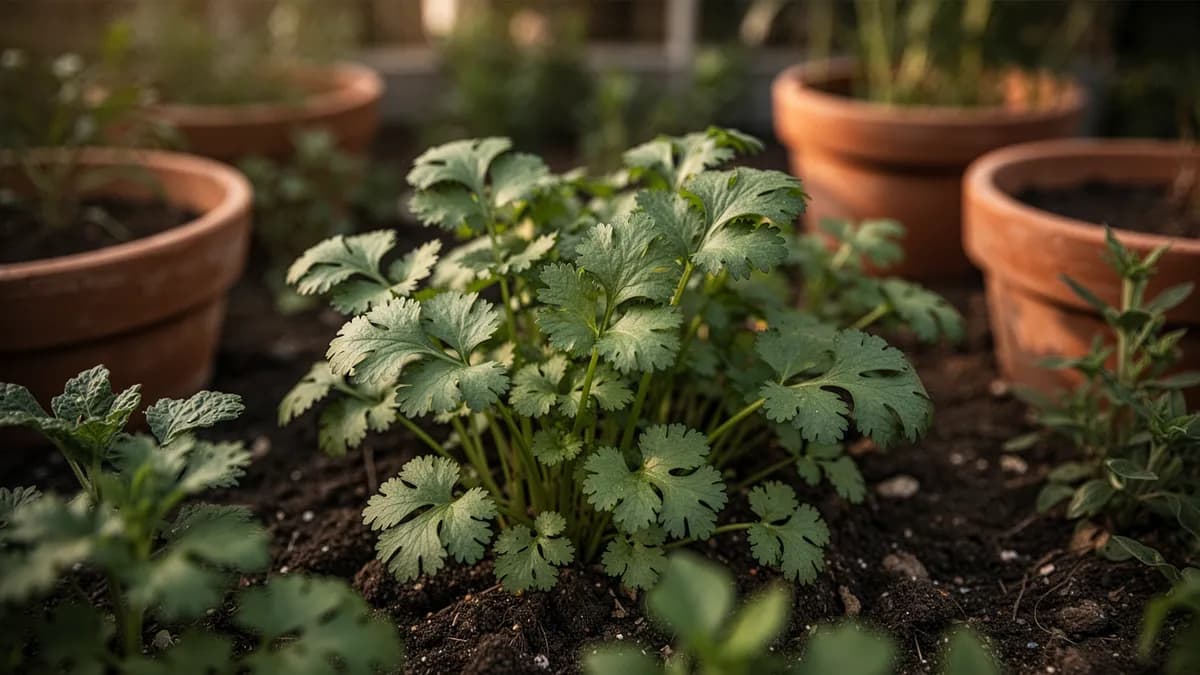
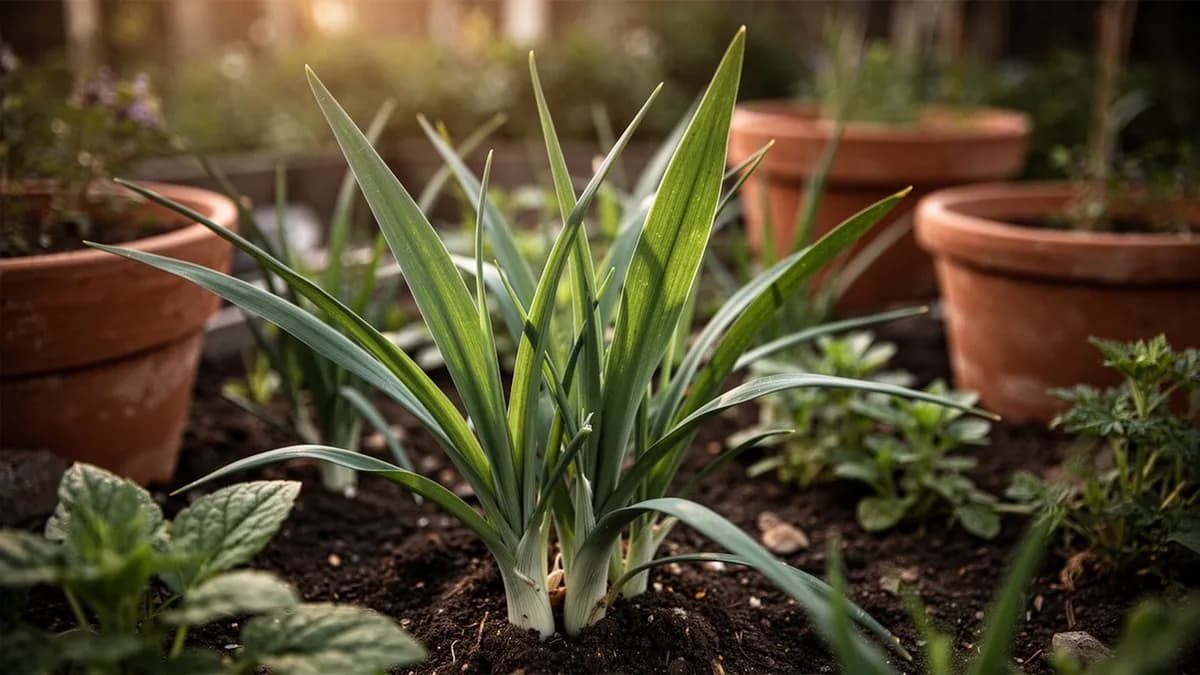
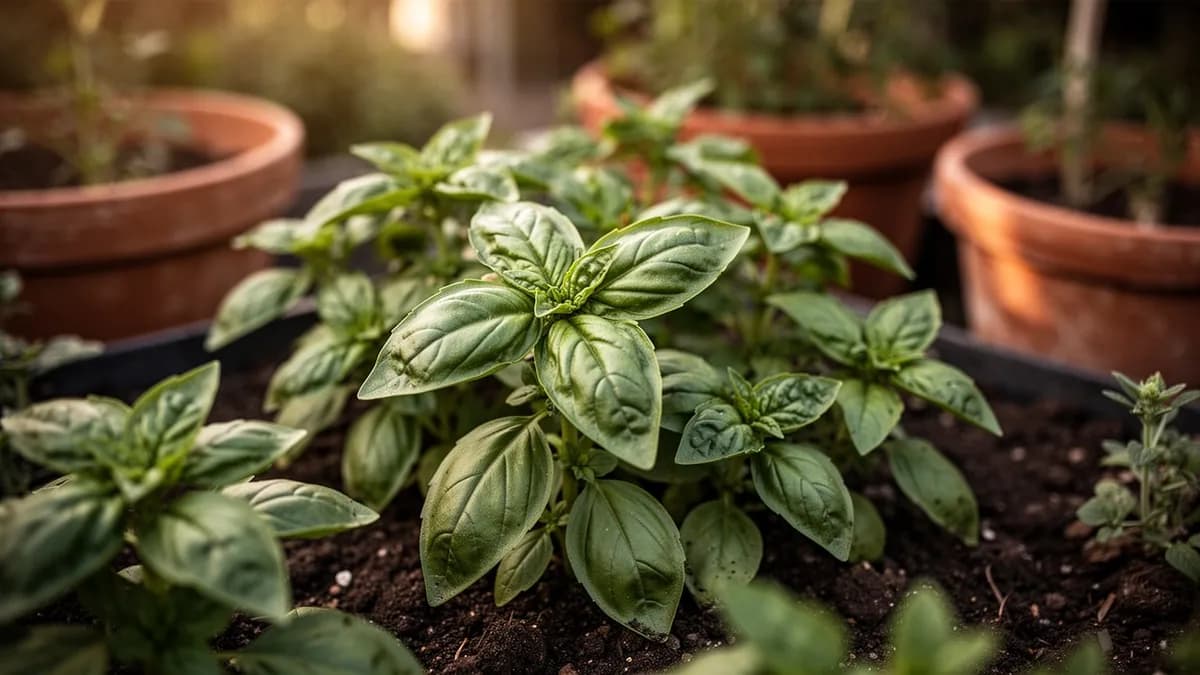
Perilla wächst gut neben anderen asiatischen Küchenpflanzen wie Knoblauchschnittlauch, Thai-Basilikum, Koriander und scharfen Paprika. Ihr aromatisches Laub kann einige häufige Gartenschädlinge abschrecken. Die grossen, attraktiven Blätter spenden leichten Schatten für niedrig wachsende Begleitkräuter. Vermeiden Sie die Pflanzung in der Nähe von Shiso, wenn Sie unterschiedliche Sorten erhalten möchten, da Kreuzbestäubung möglich ist. Perilla zusammen mit Paprikapflanzen ergibt eine praktische asiatische Kräutergartengruppe mit ähnlichen Wachstumsbedingungen.
Thailändisches Basilikum gehört daneben.
Altes Gärtnerwissen, geprüft an der echten Nachbartabelle von Perilla — teste jede Pflanze, die du anbaust.
Probiere Perilla direkt hier im Beet
Ein echtes Planer-Beet, Perilla steht schon drin. Tippe einen Begleiter an, platziere ihn und sieh, wie die Nachbarschaftsprüfung antwortet — grün für gute Nachbarn, rot bei Streit.


Passende Anbau-Ratgeber
Richtig düngen
Perilla gedeiht am besten in nährstoffreicher, feuchter, gut durchlässiger Erde mit einem pH-Wert von 5,5-6,5. Arbeiten Sie vor der Aussaat oder Pflanzung 5-8 cm Kompost in den Pflanzbereich ein. Düngen Sie alle 3 Wochen mit einem ausgewogenen Flüssigdünger oder Fischemulsion. Perilla ist ein stärkerer Zehrer als viele Kräuter, da die grossen Blätter erhebliche Nährstoffe für ihre volle Entwicklung benötigen. Verwenden Sie in Gefässen eine hochwertige Blumenerde und düngen Sie während der aktiven Wachstumsphase alle zwei Wochen. Mulchen Sie rund um die Pflanzen, um die Bodenfeuchtigkeit zu bewahren und Unkraut zu unterdrücken.
Ideale Temperatur
Winterhärtezone-Kompatibilität
Von der Saat zur Ernte, Schritt für Schritt
Samenkeimung
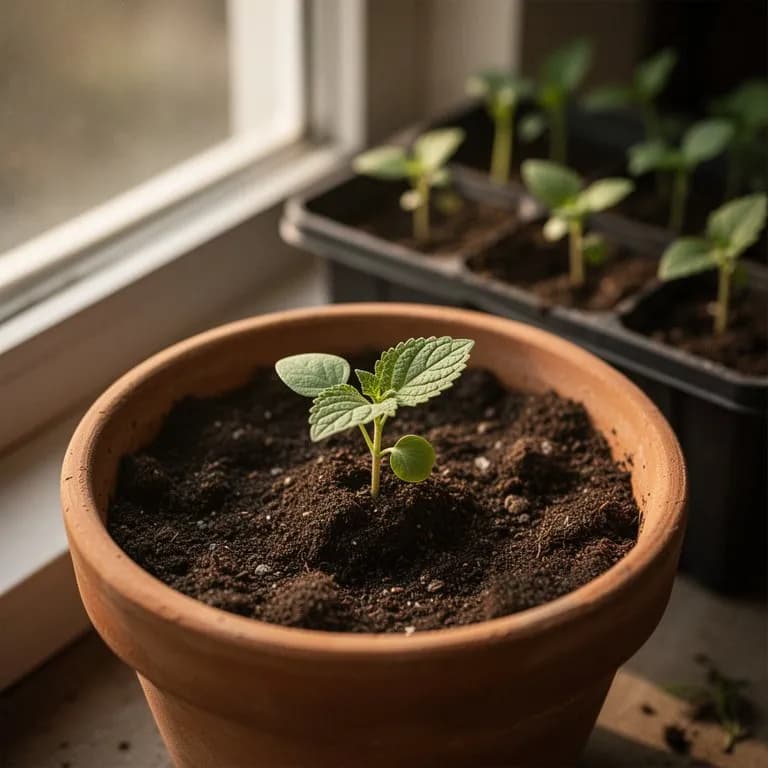
Perillasamen sind winzig (etwa 1 mm) und benötigen Licht zum Keimen — sie sollten auf der Oberfläche ausgesät und sanft in die Erde gedrückt, aber nicht bedeckt werden. Die Keimung ist langsam und ungleichmässig und dauert unter warmen Bedingungen typischerweise 7-14 Tage. Die Samen enthalten Keimhemmstoffe in ihrer Samenschale, die sich bei Licht- und Feuchtigkeitskontakt abbauen. Die Keimlinge erscheinen zunächst als ein Paar kleiner, runder Keimblätter, bevor die ersten echten gezahnten Blätter sichtbar werden.
Setzlingsentwicklung
Die ersten echten Blätter erscheinen mit den charakteristisch tief gezahnten Rändern, die Perilla von anderen Setzlingen unterscheiden. Purpurne Sorten beginnen bereits ab dem zweiten echten Blattpaar, Pigmentierung zu zeigen. Das Wachstum ist zunächst langsam, während sich das Wurzelsystem etabliert, beschleunigt sich dann merklich, sobald die Pflanzen 4-6 echte Blätter haben. Der für die Lippenblütlerfamilie typische vierkantige Stiel wird in dieser Phase sichtbar.
Vegetatives Wachstum
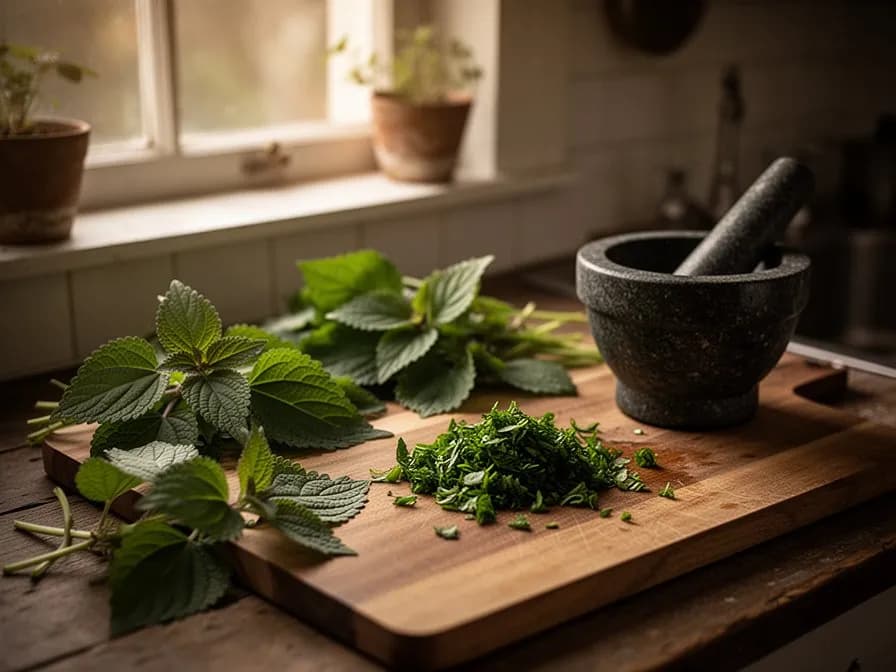
Die Pflanzen treten in eine schnelle Wachstumsphase ein und produzieren üppiges Laub an verzweigten vierkantigen Stielen, die 60-100 cm Höhe erreichen können. Die ätherischen Öle in den Blättern intensivieren sich bei warmem Wetter und erfüllen den Garten mit dem charakteristischen Perilla-Duft. Die Blätter erreichen ihre volle Grösse von 7-12 cm Länge und entwickeln in dieser Phase ihre tiefste Farbe und ihr stärkstes Aroma. Regelmässiges Ernten der Blattspitzen fördert einen buschigeren, kompakteren Wuchs mit verstärkter Seitenverzweigung.
Blütezeit
Wenn die Tageslänge im Spätsommer abnimmt, wechselt Perilla in den Blühmodus und bildet verlängerte Trauben kleiner röhrenförmiger Blüten in Weiss, Rosa oder Purpur. Die Blütenrispen können 10-20 cm lang werden und sind äusserst attraktiv für Bienen, Schmetterlinge und andere Bestäuber. Die Blüte signalisiert einen Rückgang der Blattqualität, da die Pflanze ihre Energie auf die Samenproduktion umlenkt, obwohl die unreifen Blütenknospen (Hojiso) selbst eine geschätzte Garnitur in der japanischen Küche sind.
Samenreife
Bestäubte Blüten entwickeln sich zu kleinen Nüsschen (Samen) innerhalb der bleibenden Kelche entlang der Blütenrispe. Jeder Kelch enthält vier winzige Samen, die sich allmählich verhärten und bei der Reife von grün nach braun verfärben. Die Blätter der Pflanze werden kleiner und weniger aromatisch, da alle Ressourcen in die Samenproduktion fliessen. Perilla ist ein äusserst produktiver Selbstaussäer — eine einzige Pflanze kann Tausende von Samen produzieren, die im folgenden Frühjahr bereitwillig aufgehen.
Streuen Sie die Samen auf die Oberfläche feuchter Anzuchterde und drücken Sie sie leicht an — bedecken Sie sie nicht mit Erde. Halten Sie sie mit einer Sprühflasche gleichmässig feucht und halten Sie Temperaturen von 20-25°C ein. Eine transparente Abdeckhaube oder Frischhaltefolie hilft, die Feuchtigkeit während der langsamen Keimphase zu bewahren. Bodenwärme durch eine Heizmatte beschleunigt die Keimung erheblich.
Perilla Monat für Monat pflegen
Was du jeden Monat für deine Perilla tun solltest
Oktober
Aktueller MonatErnten Sie reife Samenstände, indem Sie braune Blütenrispen abschneiden und sie in Papiertüten trocknen. Die Samen fallen von selbst aus den getrockneten Kelchen. Entfernen Sie in frostgefährdeten Gebieten verbrauchte Pflanzen und kompostieren Sie sie. Markieren Sie Stellen, an denen Samen gefallen sind, für freiwillige Sämlinge im nächsten Frühjahr.
Immer wissen, was jetzt im Garten zu tun ist
Eine E-Mail zum Monatsanfang: was du jetzt säen, pflanzen und anpacken solltest — für deine Perilla und alles, was drumherum wächst. Dazu ein kurzer Startkurs, der dich vor den klassischen Fehlern bewahrt.
- Was jetzt zu tun ist
- Passend zu deiner Saison
- Startkurs inklusive
Perilla ernten
Ernten Sie Perillablätter, sobald die Pflanzen mindestens 6 Blattpaare haben, typischerweise 40-50 Tage nach der Aussaat. Pflücken Sie einzelne grosse äussere Blätter am Stielansatz und lassen Sie das Wachstumszentrum und jüngere Blätter intakt. In der koreanischen Küche werden die Blätter in nahezu voller Grösse (7-12 cm Durchmesser) als Wickelblätter geerntet. Ernten Sie häufig, um die kontinuierliche Blattproduktion zu fördern. Die Blütenstände können ebenfalls für Pickles und Tees geerntet werden. Perillasamen werden nach dem Trocknen der Blütenstände geerntet und in der koreanischen Küche wegen ihres nussigen Öls verwendet.
angenommen, du pflanzt zu Beginn des Zeitraums — trage dein tatsächliches Datum ein
Ernte Perilla zügig, dann trägt die Pflanze weiter.
Lagerung & Konservierung
Frische Perillablätter sollten idealerweise innerhalb von 1-2 Tagen nach der Ernte verwendet werden. Lagern Sie gestapelte Blätter, eingewickelt in feuchte Küchentücher, bis zu einer Woche im Kühlschrank. In koreanischen Haushalten werden Perillablätter üblicherweise in Sojasauce, Sesamöl und Knoblauch eingelegt (Kkaennip Jangajji) und sind so monatelang im Kühlschrank haltbar. Blätter können eingefroren werden, werden aber beim Auftauen schlaff und eignen sich dann nur noch für gekochte Gerichte. Perillasamen werden getrocknet und zu Perillaöl gepresst oder ganz geröstet als nussiges Gewürz verwendet.
Was schiefgeht — und die Lösung
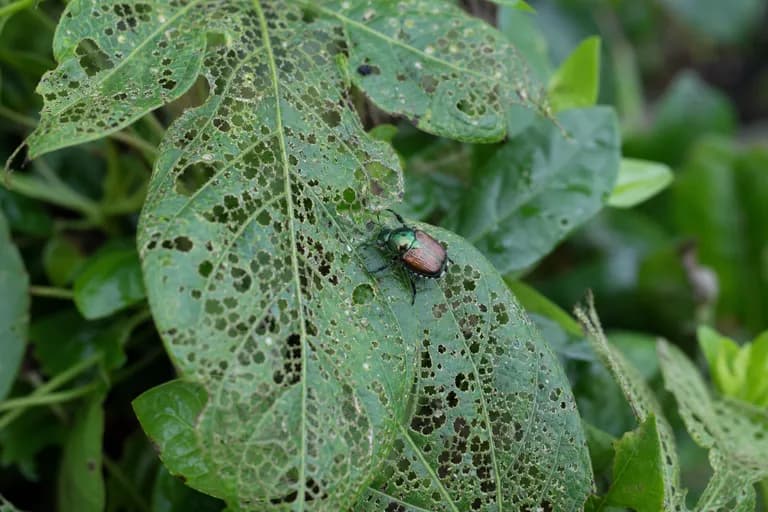
Japanischer Käfer
SchädlingLöcher und skelettierte Bereiche auf den Blättern, sichtbare schillernde grüne Käfer, die tagsüber fressen.
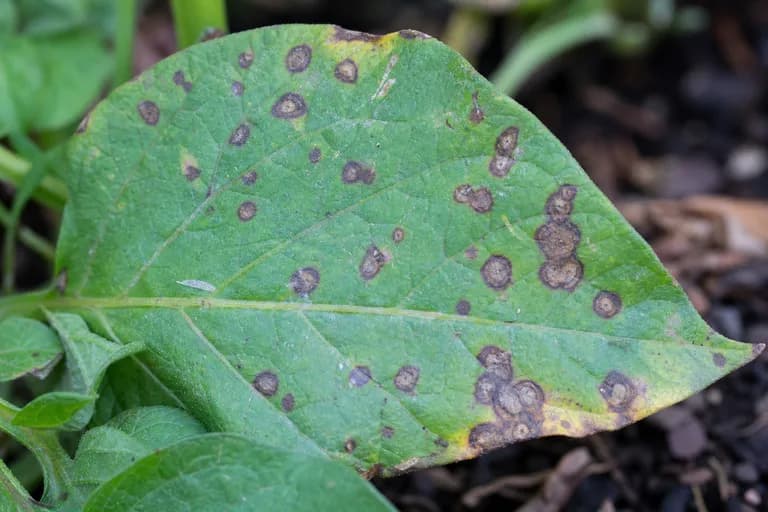
Blattfleckenkrankheit
KrankheitBraune oder dunkle kreisförmige Flecken auf den Blättern, fortschreitende Vergilbung, Blattfall bei hoher Luftfeuchtigkeit.
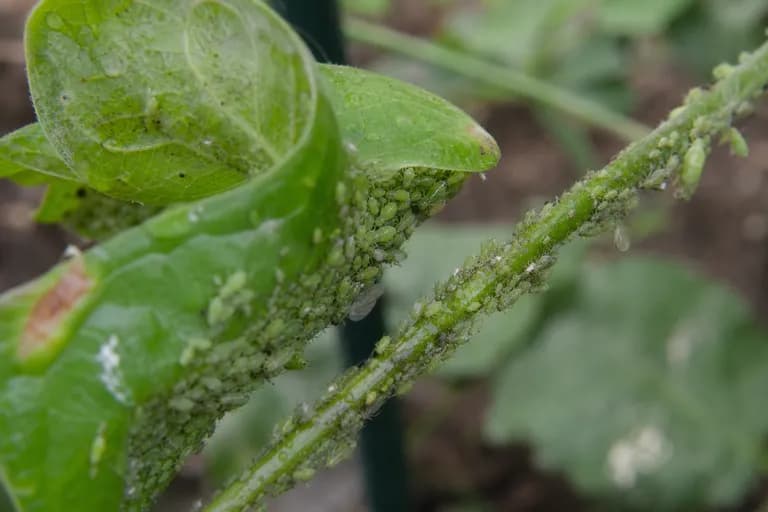
Blattläuse
SchädlingAnsammlungen kleiner grüner oder schwarzer Insekten an Neuaustrieben und Triebspitzen, eingerollte Blätter, klebriger Rückstand.
Fehlerbehebung bei häufigen Problemen
Aggressive Selbstaussaat ist das Hauptproblem; Perilla kann unter günstigen Bedingungen invasiv werden. Entfernen Sie Blütenstände, bevor die Samen reifen, oder kultivieren Sie die Pflanze in Gefässen. Die Keimung kann ohne Kältestratifikation langsam und ungleichmässig sein. Vergeilter Wuchs resultiert aus zu viel Schatten; bieten Sie mindestens 4-6 Stunden Sonne. Perilla wird manchmal mit Buntnessel oder Shiso verwechselt; stellen Sie sicher, dass Sie die richtige Art für die koreanische Küche haben. In sehr heissen Klimazonen können die Blätter bitter werden; sorgen Sie für Nachmittagsschatten und gleichmässige Feuchtigkeit.
Anbautipps
- Säen Sie Perillasamen auf der Oberfläche aus und bedecken Sie sie nicht mit Erde — sie sind lichtabhängige Keimer, die bei Verschüttung nicht aufgehen. Drücken Sie die Samen sanft auf feuchte Erde und halten Sie sie bis zur Keimung in 7-14 Tagen durch Besprühen gleichmässig feucht.
- Starten Sie die Aussaat drinnen, 6-8 Wochen vor dem letzten Frost, für die früheste Ernte. Perilla keimt langsam und ungleichmässig, säen Sie daher mehr Samen aus, als Sie meinen zu benötigen, und vereinzeln Sie auf die kräftigsten Setzlinge, sobald echte Blätter erscheinen.
- Knipsen Sie die Wachstumsspitzen regelmässig ab, sobald die Pflanzen 15-20 cm hoch sind, um die Verzweigung und buschigere, produktivere Pflanzen zu fördern. Ungeknipste Perilla neigt dazu, hoch und schlaksig zu wachsen mit weniger erntbaren Blättern.
- Kultivieren Sie Perilla im Halbschatten, wenn Sie in einem heissen Klima leben — die Blätter entwickeln bei Nachmittagsschatten ein besseres Aroma und leiden weniger unter Welkestress. In kühleren Klimazonen erzielt volle Sonne das beste Wachstum und die intensivste Blattfärbung bei purpurnen Sorten.
- Ernten Sie Blätter häufig, indem Sie von aussen nach innen pflücken und dabei immer mindestens 4-6 Blätter pro Stiel belassen. Regelmässiges Ernten regt neues Wachstum an und verzögert die Blüte, wodurch sich Ihr Erntefenster um mehrere Wochen verlängert.
- Achten Sie ab dem Spätsommer auf Blütenknospen an den Triebspitzen und knipsen Sie diese sofort ab, wenn Sie weiterhin Blätter ernten möchten. Sobald Perilla blüht, geht die Blattproduktion drastisch zurück und die verbleibenden Blätter werden kleiner und weniger aromatisch.
- Kontrollieren Sie die Selbstaussaat, indem Sie die meisten Blütenstiele entfernen, bevor die Samen reifen. Perilla ist ein äusserst produktiver Selbstaussäer — eine einzige Pflanze kann Tausende von Samen fallen lassen, die im folgenden Frühjahr kräftig keimen und potenziell unkrautartig werden können, wenn man sie nicht kontrolliert.
- Bauen Sie sowohl grüne als auch purpurne Sorten an, um die gesamte Bandbreite kulinarischer Möglichkeiten zu nutzen. Grüne Perilla (Oba) eignet sich am besten für den Frischverzehr, als Garnitur und für Tempura, während purpurne Perilla (Akajiso) unverzichtbar ist zum Färben eingelegter Pflaumen (Umeboshi) und zur Herstellung von lebhaftem Perillaessig.
- Pflanzen Sie Perilla in die Nähe von Tomaten, Paprika und Basilikum — sie teilen ähnliche Wachstumsbedingungen und ihr starker Duft kann bestimmte Insektenschädlinge abschrecken. Perilla ist mit ihren dramatischen Laubfarben auch ein attraktiver Begleiter im Ziergarten.
- Konservieren Sie überschüssige Blätter, indem Sie sie zwischen Backpapierlagen schichten und flach in Gefrierbeuteln einfrieren. Eingefrorene Perillablätter behalten viel von ihrem Aroma für 3-4 Monate und können direkt aus dem Gefrierfach in gekochten Gerichten, Pickles und Wickeln verwendet werden.
Bau deine beste Perilla an — und alles drumherum.
Starte heute kostenlos. Lege deine Beete an, setze deine Perilla ein und lass PlotMyGarden Timing, Abstände, Begleiter und Erinnerungen von der Saat bis zum Erntekorb übernehmen.
Finde deine Perilla
Koreanische Perilla (Kkaennip)
Grosse, breite, leicht behaarte grüne Blätter mit einem markanten Sesam-Minz-Aroma. Die Standardsorte für Wickelblätter in der koreanischen Küche.
Purpur-Perilla (Cha-jo-gi)
Eine purpurblättrige koreanische Sorte, die sowohl kulinarisch als auch medizinisch verwendet wird. Etwas kräftigeres Aroma als die grünen Sorten.
Deulkkae (Wilder Sesam)
Die koreanische Samensorte, die hauptsächlich wegen ihrer ölreichen Samen und nicht wegen der Blätter angebaut wird. Die Samen werden zu Perillaöl gepresst oder zu Pulver gemahlen und als Gewürz verwendet.
Frische Perillablätter (Shiso oder Kkaennip) kosten im asiatischen Lebensmittelgeschäft 3-6 € für eine kleine Packung mit 10-20 Blättern und 5-10 € pro Bund auf dem Wochenmarkt. Eine einzelne Samentüte für 2-4 € ergibt Dutzende von Pflanzen, die jeweils 100-150 Blätter über die Saison liefern — ein Gesamtwert von 50-150 € oder mehr zu Einzelhandelspreisen bei einer vernachlässigbaren Saatgutinvestition. Die Ersparnis ist bei purpurnem Shiso noch ausgeprägter, das frisch ausserhalb von Spezialgeschäften kaum erhältlich ist. Der eigene Anbau von Perilla garantiert zudem Zugang zu den frischesten, aromatischsten Blättern, die ihren zarten Duft nach kommerzieller Ernte und Transport schnell verlieren.
Schnelle Rezepte
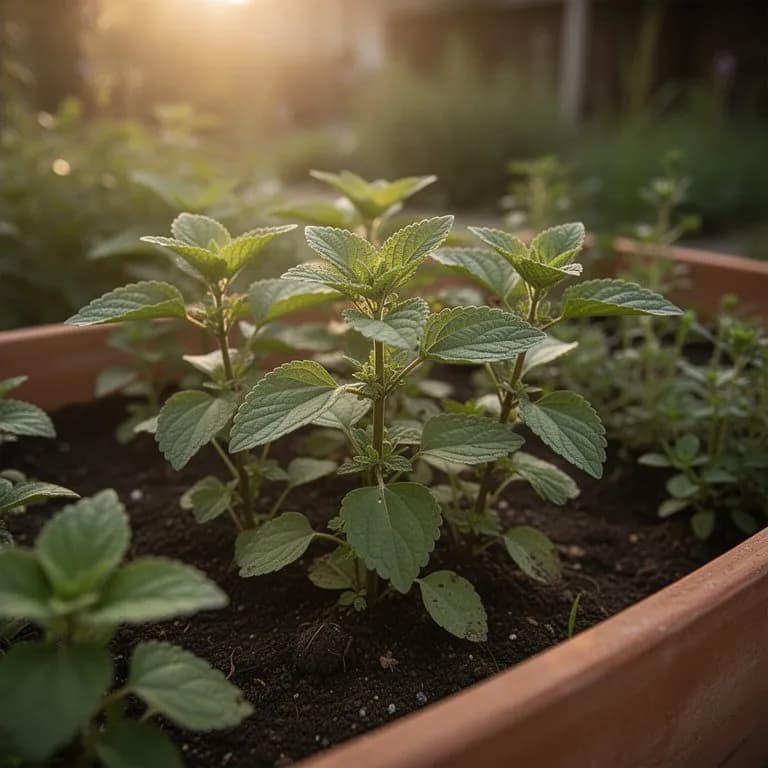
Koreanisch eingelegte Perillablätter (Kkaennip Jangajji)
20 Min. + 1 TagEin beliebtes koreanisches Banchan, bei dem frische Perillablätter mit einer würzig-süssen Sojasaucen-Marinade geschichtet und über Nacht eingelegt werden. Die Blätter werden zart und intensiv aromatisch, perfekt zum Einwickeln von Reis oder gegrilltem Fleisch. Dies ist wohl die beliebteste Art, Perillablätter in der koreanischen Hausmannskost zu geniessen.
9 ZutatenShiso-Tempura
25 Min.Knusprig in Tempurateig ausgebackene Perillablätter, die beim ersten Biss zerbrechen und das duftende Kraut im Inneren freigeben. Eine klassische japanische Vorspeise, die Shisos aromatische Qualitäten wunderbar zur Geltung bringt. Die grossen, flachen Blätter eignen sich perfekt für Tempura, da sie maximale knusprige Oberfläche mit einem zarten Kräuterkern bieten.
7 ZutatenPerilla-Pesto
10 Min.Ein lebhaftes Ost-West-Fusionspesto, das Basilikum durch Perillablätter für eine einzigartige aromatische Variante ersetzt. Das Anis-Zitrus-Minz-Aroma der Perilla ergibt ein Pesto, das hervorragend zu Sobanudeln, Reisschüsseln, gegrilltem Fisch oder klassischer Pasta passt. Verwendet geröstete Sesamkörner anstelle von Pinienkernen für ein asiatisch inspiriertes Geschmacksprofil.
8 ZutatenKulinarische Verwendung
Perillablätter sind in der koreanischen Küche als Ssam-Wickelblätter für gegrilltes Fleisch unverzichtbar, insbesondere für Samgyeopsal (Schweinebauch) und Galbi (kurze Rippen). Legen Sie frische Blätter zusammen mit Salat auf den Tisch, damit die Gäste Fleisch mit Reis und Beilagen darin einwickeln können. Legen Sie die Blätter in Sojasauce und Sesamöl für Kkaennip Jangajji ein. Verwenden Sie sie in Jeon (Pfannkuchen) und Bibimbap. Perillasamen werden geröstet und gemahlen als Suppengewürz verwendet oder zu Perillaöl gepresst, das in der koreanischen und japanischen Küche Verwendung findet.
Was drinsteckt
Gesundheitsvorteile
- Enthält aussergewöhnlich hohe Mengen an Rosmarinsäure, ein Polyphenol-Antioxidans mit klinisch erforschten antiallergischen und entzündungshemmenden Eigenschaften — Perillaextrakt wird in Japan und Korea weitverbreitet als natürliches Nahrungsergänzungsmittel zur Linderung saisonaler Allergiesymptome eingesetzt.
- Reich an Alpha-Linolensäure (ALA) aus Perillasamen, die pflanzliche Omega-3-Fettsäuren liefert, die die Herzgesundheit unterstützen, Entzündungen reduzieren und eine gesunde Gehirnfunktion fördern — Perillaöl enthält mehr ALA als fast jede andere pflanzliche Quelle.
- Liefert hervorragendes Vitamin A aus Beta-Carotin mit 5520 IE pro 100 g frischer Blätter (110% TW), unterstützt gesundes Sehen, die Funktion des Immunsystems und die Erneuerung der Hautzellen — besonders vorteilhaft bei regelmässigem Verzehr als Teil der täglichen Ernährung.
- Enthält Perillaldehyd und andere flüchtige Verbindungen, die natürliche antimikrobielle Aktivität gegen häufige lebensmittelbedingte Krankheitserreger zeigen, was ein Grund dafür ist, dass Perillablätter in der japanischen Küche traditionell neben rohem Fisch serviert werden — als weit mehr als nur eine Garnitur.
- Gute Quelle für Calcium aus der Nahrung mit 230 mg pro 100 g Blätter, trägt zur Knochengesundheit und Muskelfunktion bei — besonders wertvoll für Menschen, die sich pflanzenbasiert ernähren und möglicherweise begrenzte Calciumquellen haben.
- Reich an Luteolin, einem Flavonoid mit nachgewiesenen entzündungshemmenden Wirkungen in Forschungsstudien, das bei regelmässigem Verzehr als Teil einer abwechslungsreichen Ernährung dazu beitragen kann, die Immunantwort zu modulieren und oxidativen Stress im Körper zu reduzieren.
Woher Perilla stammt
Perilla (Perilla frutescens) stammt aus den Bergregionen Südostasiens, wobei ihr Ursprungszentrum von den Hochländern Indiens und Myanmars bis nach Südchina reicht. Wilde Perillapopulationen wachsen noch immer über dieses weite Gebiet verteilt und bieten einen reichen genetischen Pool, aus dem die Menschen der Antike die Pflanze domestizierten. Die frühesten Belege für den Perillaanbau stammen aus China, wo Samen an archäologischen Stätten gefunden wurden, die mindestens auf 500 v. Chr. datiert werden, obwohl die Pflanze wahrscheinlich schon Jahrtausende vor dem gezielten Anbau wild gesammelt wurde.
Das Kraut gelangte in den ersten Jahrhunderten des kulturellen Austauschs über See- und Landhandelsrouten nach Japan und Korea, und in beiden Ländern wurde es rasch eine unverzichtbare Küchen- und Heilpflanze. In Japan wurde Perilla — bekannt als Shiso — tief in der Küche verankert: als unverzichtbare Garnitur für Sashimi, als wichtiger Geschmacksgeber in Pickles und Tempura sowie als Färbemittel für Umeboshi (eingelegte Pflaumen). Die Japaner unterscheiden sorgfältig zwischen grüner Perilla (Aojiso/Oba), die als frisches Kraut und Wickelblatt verwendet wird, und roter Perilla (Akajiso), die hauptsächlich wegen ihres lebhaften Pigments beim Einlegen verwendet wird. In Korea folgte Perilla (Deulkkae/Kkaennip) einem eigenen kulinarischen Weg: Die grossen aromatischen Blätter werden als Wickel für gegrilltes Fleisch verwendet, als beliebte Banchan-Beilage eingelegt, und die Samen werden zu einem nussigen Speiseöl gepresst oder zu einem verdickenden Pulver für Suppen und Eintöpfe gemahlen.
In der traditionellen chinesischen Medizin wird Perilla seit Jahrhunderten zur Behandlung von Atemwegserkrankungen, Verdauungsbeschwerden und allergischen Reaktionen verschrieben. Moderne pharmakologische Forschung hat einige dieser traditionellen Anwendungen bestätigt und Rosmarinsäure sowie Luteolin als bioaktive Verbindungen mit messbaren entzündungshemmenden und antiallergischen Wirkungen identifiziert. Perillaöl erlangte im späten 20. Jahrhundert Aufmerksamkeit wegen seines bemerkenswert hohen Omega-3-Fettsäuregehalts, was den kommerziellen Anbau für den Nahrungsergänzungsmittelmarkt in Südkorea und Japan vorantrieb.
Perilla erreichte den Westen hauptsächlich durch asiatische Einwanderergemeinschaften, und während des grössten Teils des 20. Jahrhunderts war sie nur in asiatischen Lebensmittelgeschäften und Gärten bekannt. Der weltweite Boom der japanischen und koreanischen Küche seit den 2000er Jahren hat Perilla einem viel breiteren Publikum vorgestellt, und sie wird heute von abenteuerlustigen Gärtnern und spezialisierten Kräuterbetrieben in ganz Nordamerika, Europa und Australien angebaut. Ihre Pflegeleichtigkeit, ihr Selbstaussaat-Verhalten und ihr einzigartiger Geschmack stellen sicher, dass sich Perilla weiterhin weit über ihre alte asiatische Heimat hinaus verbreitet.
Perilla: Schon gewusst?
Faszinierende Fakten über Perilla
Perilla ist eine der wenigen Pflanzen, die erhebliche Mengen an Rosmarinsäure produziert, eine natürliche Verbindung, die wegen ihrer starken antiallergischen Eigenschaften erforscht wird. In Japan werden Perillaextrakt-Nahrungsergänzungsmittel weitverbreitet als natürliches Mittel gegen saisonalen Heuschnupfen und allergische Rhinitis verkauft.
Perilla: Fragen & Antworten
Wann sollte ich Perilla pflanzen?
Was sind gute Begleitpflanzen für Perilla?
In welchen Winterhärtezonen kann Perilla wachsen?
Wie viel Sonne braucht Perilla?
Welchen Abstand sollte ich zwischen Perilla lassen?
Welche Schädlinge und Krankheiten befallen Perilla?
Wie lagere ich Perilla nach der Ernte?
Was sind die besten Perilla-Sorten zum Anbauen?
Welchen Boden braucht Perilla?
Was ist der Unterschied zwischen Shiso und Perilla?
Ist Perilla für alle Menschen unbedenklich zu essen?
Warum keimen meine Perillasamen nicht?
Kann ich Perilla in Gefässen anbauen?
Wie verhindere ich, dass Perilla in meinem Garten invasiv wird?
Kann ich Perilla als Ersatz für Basilikum verwenden?
Du hast die Theorie gelesen. Jetzt baue sie auf Autopilot an.
Alles, was Perilla knifflig macht — das Timing, die Abstände, die Begleiter, das Erntefenster — genau das übernimmt PlotMyGarden für dich, für jede Pflanze im Garten.
Ein Plan, der dein Wetter kennt
Standort einmal festlegen. Aussaat-, Dünge- und Erntedaten rund um deinen echten letzten Frosttermin und die Live-Vorhersage — kein Raten mehr nach Saattüte.
Aus dem Abschnitt „Pflanzzeit“Beetplaner per Drag & Drop
Beete auf einem Raster gestalten. Jede Pflanze rastet im richtigen Abstand ein, und du siehst die ganze Saison, bevor du einen Cent für Saatgut ausgibst.
Aus dem Abschnitt „Anbau“Begleiter-Konflikte früh erkannt
Über 200 gute und schlechte Kombinationen werden beim Pflanzen live geprüft — so landet ein saisonruinierender Fehler nie in der Erde.
Aus dem Abschnitt „Begleiter“Erinnerungen, nach denen du wirklich handelst
„Gieß die Bohnen.“ „Heute ernten, bevor's umschlägt.“ Pünktlich, konkret und auf deine echten Pflanzen bezogen.
Aus dem Abschnitt „Ernte“Staffel-Aussaat, geplant
Sechs Wochen ernten statt sechs Tage? Die App verteilt deine Aussaaten automatisch und erinnert dich, wenn der nächste Satz fällig ist.
Aus dem Abschnitt „Pflanzzeit“Ein Verlauf, der schlauer wird
Jede protokollierte Ernte bringt der App deinen Garten bei. Der Plan fürs nächste Jahr startet bei dem, was in deinem Boden wirklich funktioniert hat.
Aus dem Abschnitt „Überblick“Pflanze diese neben Perilla
Weitere Küchenkräuter
Bau deine beste Perilla an — und alles drumherum.
Starte heute kostenlos. Lege deine Beete an, setze deine Perilla ein und lass PlotMyGarden Timing, Abstände, Begleiter und Erinnerungen von der Saat bis zum Erntekorb übernehmen.