Oro Blanco
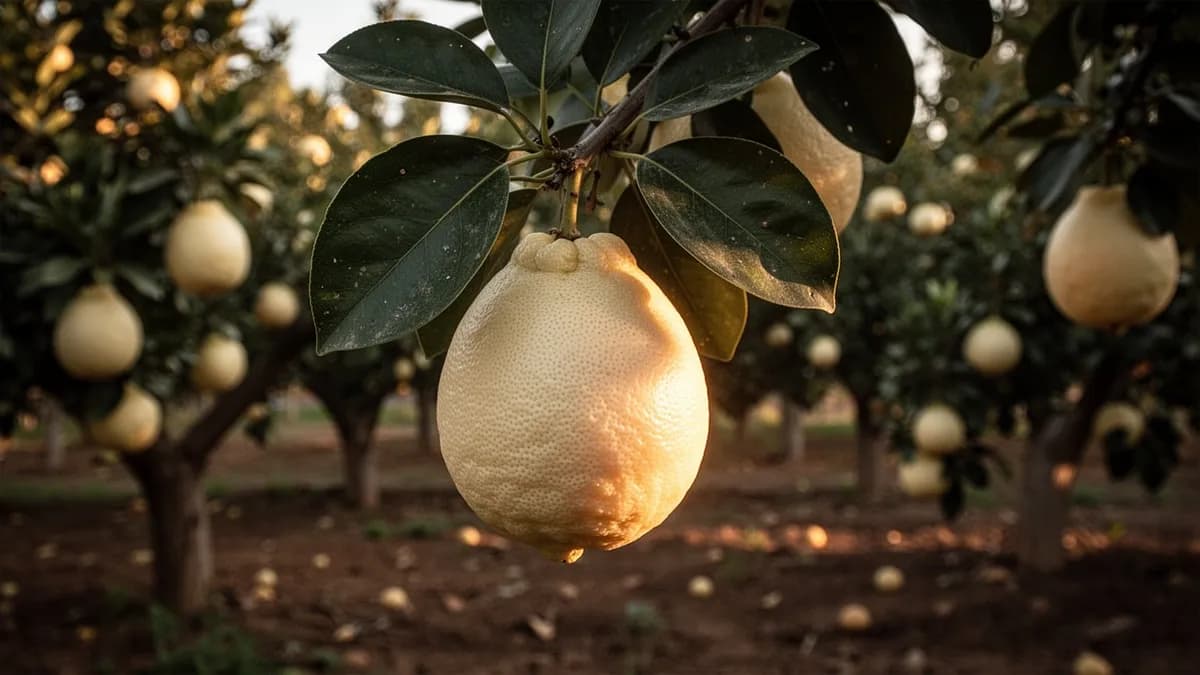
Eine Pomelo-Grapefruit-Hybride, die große, kernlose Früchte mit süßem, mildem Fruchtfleisch hervorbringt, dem die Bitterkeit herkömmlicher Grapefruits fehlt.





Auf dieser SeiteÜberblick
Oro Blanco im Überblick
Eine Pomelo-Grapefruit-Hybride, die große, kernlose Früchte mit süßem, mildem Fruchtfleisch hervorbringt, dem die Bitterkeit herkömmlicher Grapefruits fehlt. Oro Blanco ist eine ausgezeichnete Wahl für Gärtner, denen Grapefruit zu herb ist. Der Baum wächst mäßig kräftig und ist etwas kältetoleranter als Grapefruit.
Wann Oro Blanco pflanzen
Oro Blanco produziert wenige bis keine Samen, daher erfolgt die Vermehrung fast ausschließlich durch Veredelung. Edelreiser werden auf kompatible Unterlagen wie Carrizo-Citrange, C-35-Citrange oder Dreiblättrige Orange veredelt, abhängig von den Bodenbedingungen und der gewünschten Baumgröße. Veredelte Bäume beginnen in der Regel nach drei bis vier Jahren zu tragen. Wenn gelegentlich Samen gefunden werden, sind diese in der Regel nicht keimfähig oder bringen aufgrund der Hybridnatur der Sorte keine sortenechten Nachkommen hervor. Kaufen Sie veredelte Bäume von seriösen Zitrusbaumschulen für zuverlässige Ergebnisse.
Dein Oro Blanco-Jahr
Abgestimmt auf Zone 7 · typische Saison · Frost geht um den 2. Apr. und kehrt um den 1. Nov. zurück
Oro Blanco Mär – Apr pflanzen, Jan – Feb, Nov – Dez ernten. Beachte die Pflanzmethoden unten und wähle dein Klima für passende Zeiträume.
So baust du Oro Blanco an
Oro Blanco ist eine Pomelo-Grapefruit-Hybride, die an der University of California in Riverside entwickelt wurde. Der Baum erreicht eine moderate Größe von vier bis sechs Metern und benötigt volle Sonne mit warmen Temperaturen für die beste Fruchtqualität. Pflanzen Sie ihn an einem Standort mit guter Luftzirkulation, um das Frostrisiko zu minimieren, und halten Sie einen Abstand von mindestens dreieinhalb Metern zwischen den Bäumen ein. Der Baum benötigt erhebliche Wärmeeinheiten, um den süßen, milden Geschmack zu entwickeln, der ihn von gewöhnlicher Grapefruit unterscheidet.
Obwohl Oro Blanco etwas kältetoleranter ist als echte Grapefruit, benötigt er dennoch Schutz unter minus 3 Grad Celsius. Junge Bäume sind besonders empfindlich und sollten bei Kälteereignissen eingewickelt oder abgedeckt werden. In Grenzklimaten bietet das Pflanzen an einer nach Süden ausgerichteten Wand zusätzliche Wärme. Der Baum kann in sehr großen Kübeln gezogen werden, wobei Fruchtgröße und Ertrag im Vergleich zur Freilandpflanzung geringer ausfallen können.
Wässern Sie während der Wachstumsperiode tiefgründig und regelmäßig und reduzieren Sie die Häufigkeit im Winter. Oro Blanco profitiert von gleichmäßiger Feuchtigkeit während der Fruchtentwicklung, um Aufplatzen zu verhindern und saftiges Fruchtfleisch zu gewährleisten. Schneiden Sie den Baum so zurück, dass eine offene Krone entsteht, die Sonnenlicht bis zum inneren Fruchtholz durchlässt. Der Baum neigt dazu, nach der Etablierung schwere Ernten zu tragen, und ein Ausdünnen kann nötig sein, um die Fruchtgröße zu erhalten und Astschäden zu vermeiden.
Für Oro Blanco ist ein Beet von 120 × 240 cm zu klein
Oro Blanco braucht 350 cm Platz pro Pflanze. Der Planer hält diesen Abstand für dich ein — jede Pflanze, jedes Beet.
Die besten Nachbarn für Oro Blanco
Oro Blanco gedeiht gut neben anderen Grapefruit-Zitrusarten und Orangen, die ähnliche Kulturanforderungen haben. Stickstoff fixierende Bodendecker wie Weißklee, die unter der Krone gepflanzt werden, verbessern die Bodenfruchtbarkeit und halten die Feuchtigkeit. Beinwell und Schafgarbe dienen als Nährstoffsammler und locken Nützlinge an. Vermeiden Sie das Pflanzen in der Nähe von Gebäuden oder Bäumen, die die Krone beschatten, da Oro Blanco volle Sonne und Wärme für optimale Fruchtqualität benötigt. Duftende Kräuter wie Rosmarin und Salbei gedeihen gut in den sonnigen Bereichen rund um den Baum.
Grapefruit gehört daneben.
Altes Gärtnerwissen, geprüft an der echten Nachbartabelle von Oro Blanco — teste jede Pflanze, die du anbaust.
Probiere Oro Blanco direkt hier im Beet
Ein echtes Planer-Beet, Oro Blanco steht schon drin. Tippe einen Begleiter an, platziere ihn und sieh, wie die Nachbarschaftsprüfung antwortet — grün für gute Nachbarn, rot bei Streit.


Passende Anbau-Ratgeber
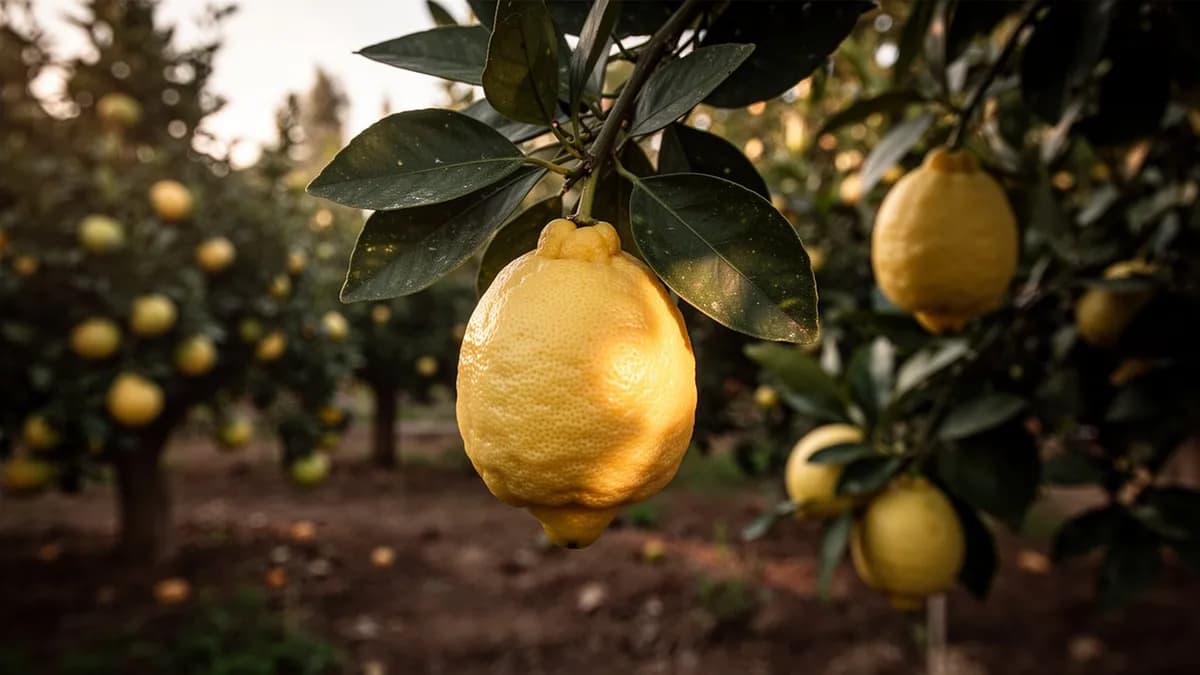
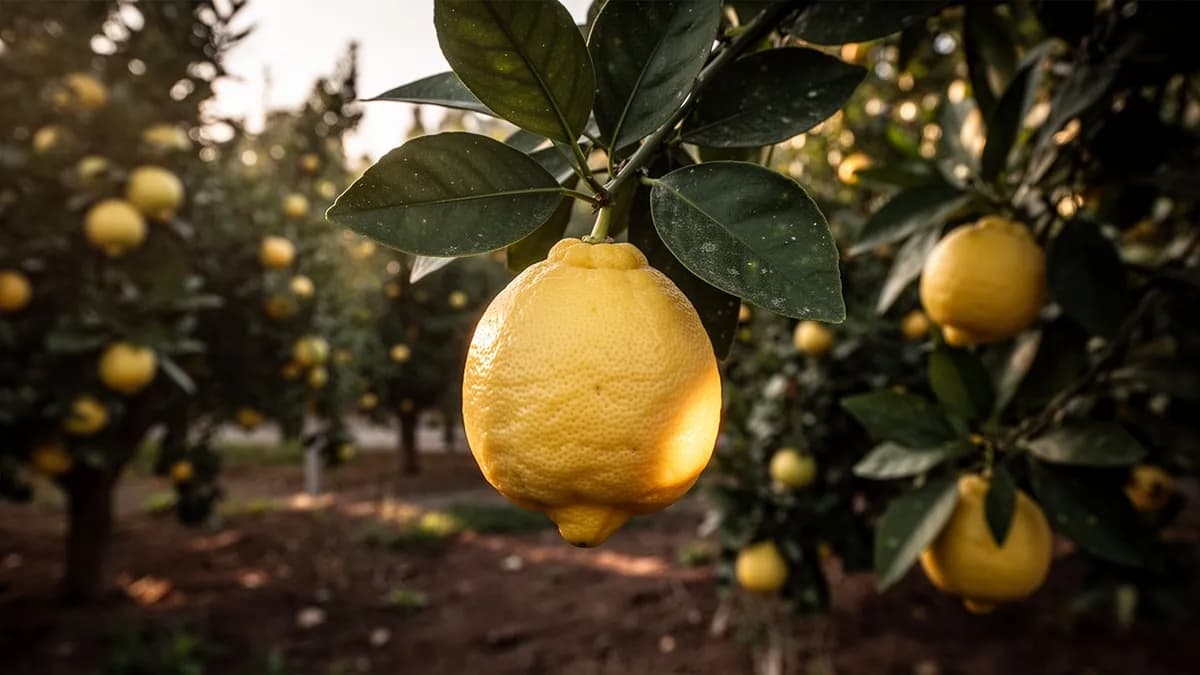
Richtig düngen
Oro Blanco gedeiht gut in tiefgründigem, gut durchlässigem Boden mit einem pH-Wert von 6,0 bis 7,0. Sandiger Lehm ist ideal, aber der Baum passt sich verschiedenen Bodenarten an, solange die Drainage ausreichend ist. Düngen Sie dreimal jährlich mit einem ausgewogenen Zitrusdünger und ergänzen Sie während der Fruchtentwicklung mit Kalium, um die Süße zu verbessern. Wenden Sie chelatiertes Eisen und Zink an, wenn Zwischenadern-Chlorose auftritt. Mulchen Sie mit organischem Material, um die Bodenfeuchtigkeit zu erhalten und die Wurzelzonentemperatur zu regulieren. Vermeiden Sie übermäßigen Stickstoff, der vegetatives Wachstum auf Kosten der Fruchtproduktion fördert.
Ideale Temperatur
Winterhärtezone-Kompatibilität
Von der Saat zur Ernte, Schritt für Schritt
Etablierung und Wurzelentwicklung
Frisch gepflanzte Oro-Blanco-Bäume widmen ihre Energie fast vollständig dem Aufbau eines starken Wurzelsystems, anstatt oberirdisch zu wachsen. Während dieser kritischen Phase breiten sich die Wurzeln nach außen und unten in den umgebenden Boden aus, verankern den Baum und entwickeln die Infrastruktur, die für jahrzehntelange Fruchtbildung nötig ist. Oberirdisch kann der junge Baum einige Blätter abwerfen, während er sich an den Pflanzstress anpasst, aber gesunder Neuaustrieb sollte innerhalb von sechs bis acht Wochen erscheinen.
Vegetatives Wachstum und Kronenaufbau
Sobald die Wurzeln etabliert sind, zeigt der Baum kräftiges vegetatives Wachstum und produziert während der wärmeren Monate mehrere Austriebsschübe neuer Triebe und Blätter. Oro-Blanco-Bäume haben von Natur aus einen abgerundeten, buschigen Wuchs und können in den ersten Jahren 30–60 cm Neuzuwachs pro Schub erreichen. Die glänzenden, tiefgrünen Blätter entwickeln sich in dieser Phase vollständig und bauen die Photosynthese-Kapazität auf, die zukünftige Ernten antreiben wird.
Erste Blüte und Fruchtansatz
Die meisten Oro-Blanco-Bäume beginnen im zweiten oder dritten Jahr zu blühen, mit einem Schub intensiv duftender weißer Blüten, die vom Spätwinter bis Mitte Frühling erscheinen. Die Blüten sind selbstfruchtbar und produzieren kernlose Früchte ohne Fremdbestäubung. Nicht alle Blüten setzen Frucht an, und der Baum wirft im späten Frühjahr und Frühsommer natürlicherweise viele kleine Fruchtansätze ab – ein normaler Vorgang, der es den verbleibenden Früchten ermöglicht, sich richtig zu entwickeln.
Fruchtentwicklung und Größenwachstum
Nach dem Fruchtansatz durchlaufen die Oro-Blanco-Fruchtansätze eine lange Entwicklungsphase von neun bis zwölf Monaten von der Blüte bis zur Ernte. Im Frühling und Sommer wächst die Frucht rasch an Größe, von kleinen grünen Kugeln zu sehr großen Exemplaren mit einer charakteristischen dicken, schwammigen weißen Albedo. Die Frucht bleibt bis weit in den Herbst hinein grünschalig und beginnt erst, ihre charakteristische blassgelb-grüne Farbe zu entwickeln, wenn die Temperaturen sinken und die Frucht der Reife nahekommt.
Reifung und Erntefenster
Oro-Blanco-Früchte reifen vom Spätherbst bis zum Winter, typischerweise von November bis Februar auf der Nordhalbkugel. Anders als viele Zitrussorten hält sich Oro Blanco nach der Reife für einen längeren Zeitraum gut am Baum und bietet Gärtnern ein großzügiges Erntefenster von zwei bis drei Monaten. Die Schale kann auch bei voller innerer Reife grünlich bleiben, daher ist eine Geschmacksprobe ein zuverlässigerer Reifeindikator als die Schalenfarbe allein.
Nachernte-Erholung und Ruhephase
Nach der Erntezeit im Spätwinter tritt der Baum in eine kurze Erholungsphase ein, bevor das neue Frühlingswachstum beginnt. Die Nährstoffreserven, die die Fruchtentwicklung unterstützt haben, werden über das Wurzelsystem wieder aufgefüllt, und der Baum bereitet sich auf seinen nächsten Blütenschub vor. Dieses kurze Zeitfenster zwischen dem Ende der Ernte und dem Beginn des Neuaustriebs ist die ideale Zeit für Rückschnitt und Formgebung.
Wässern Sie den frisch gepflanzten Baum in den ersten drei Monaten zwei- bis dreimal pro Woche tiefgründig und lassen Sie die Erde zwischen den Wassergaben leicht abtrocknen. Vermeiden Sie in den ersten sechs bis acht Wochen das Düngen, um Düngerschäden an neuen Feinwurzeln zu verhindern. Bringen Sie eine 7–10 cm dicke Schicht organischen Mulch in einem breiten Ring um den Baum auf und halten Sie ihn mindestens 15 cm vom Stamm entfernt, um Stammfäule zu vermeiden.
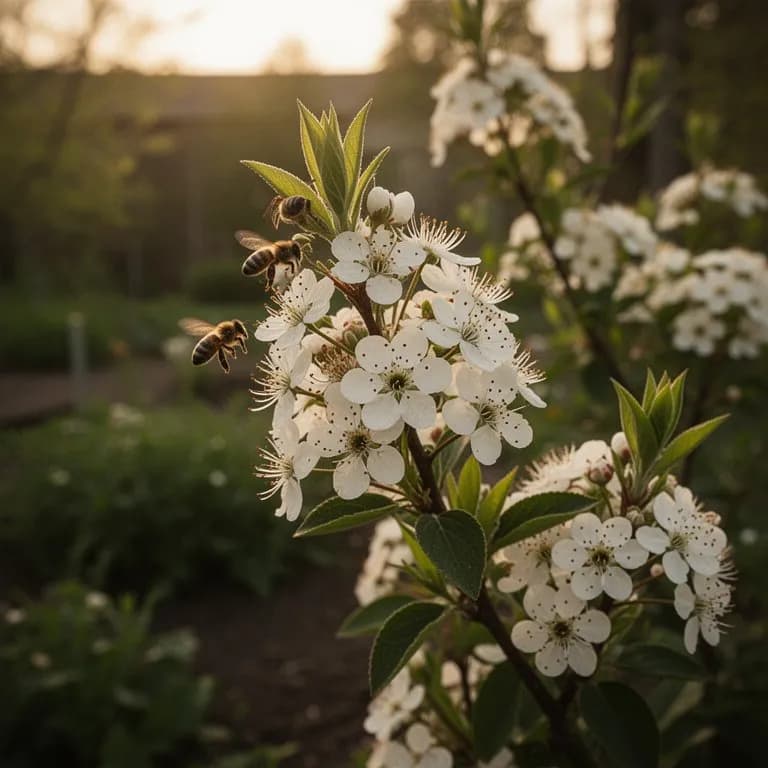
Oro Blanco Monat für Monat pflegen
Was du jeden Monat für deine Oro Blanco tun solltest
Oktober
Aktueller MonatDie Früchte nähern sich der Reife und die Schalenfarbe beginnt sich von Grün zu Blassgelb-Grün zu verändern. Beginnen Sie, die frühesten Früchte auf Süße zu probieren. Bereiten Sie Erntewerkzeuge vor, darunter saubere, scharfe Gartenscheren und gepolsterte Erntetaschen. Schützen Sie die Bäume vor frühen Frösten mit Gartenvlies oder tragbaren Abdeckungen, wenn die Temperaturen unter -2 °C zu fallen drohen.
Immer wissen, was jetzt im Garten zu tun ist
Eine E-Mail zum Monatsanfang: was du jetzt säen, pflanzen und anpacken solltest — für deine Oro Blanco und alles, was drumherum wächst. Dazu ein kurzer Startkurs, der dich vor den klassischen Fehlern bewahrt.
- Was jetzt zu tun ist
- Passend zu deiner Saison
- Startkurs inklusive
Oro Blanco ernten
Oro Blanco wird typischerweise von November bis Februar geerntet, wenn die Frucht ihre volle Größe erreicht hat und die Schale blassgrünlich-gelb wird. Anders als bei vielen Zitrusfrüchten kann die Schale auch bei voller Reife leicht grün bleiben, daher sollten Sie sich auf die Größe und eine leichte Nachgiebigkeit beim Drücken verlassen, um die Reife zu beurteilen. Probieren Sie eine Frucht, um die Süße zu bestätigen, bevor Sie die gesamte Ernte einbringen. Schneiden Sie die Früchte mit einer Gartenschere vom Baum, um ein Einreißen der Schale zu vermeiden. Die Frucht hält sich nach Erreichen der Reife mehrere Wochen gut am Baum, was eine verlängerte Ernte ermöglicht.
angenommen, du pflanzt zu Beginn des Zeitraums — trage dein tatsächliches Datum ein
Ernte Oro Blanco zügig, dann trägt die Pflanze weiter.
Lagerung & Konservierung
Frische Oro Blanco lagern außergewöhnlich gut und halten sich drei bis vier Wochen bei Zimmertemperatur und bis zu zwei Monate im Kühlschrank. Die dicke Schale schützt das Fruchtfleisch während der Lagerung. Der Saft kann ausgepresst und für ganzjährigen Genuss eingefroren werden, wobei die Qualität bis zu sechs Monate erhalten bleibt. Oro-Blanco-Segmente eignen sich hervorragend zum Einmachen in leichtem Sirup für Obstsalate und Desserts. Die milde, süße Schale kann kandiert werden, obwohl sie weniger aromatisch ist als traditionelle Zitronatzitronenschale. Marmelade aus Oro Blanco hat einen einzigartig milden, süßen Charakter.
Was schiefgeht — und die Lösung
Zitrus-Thripse
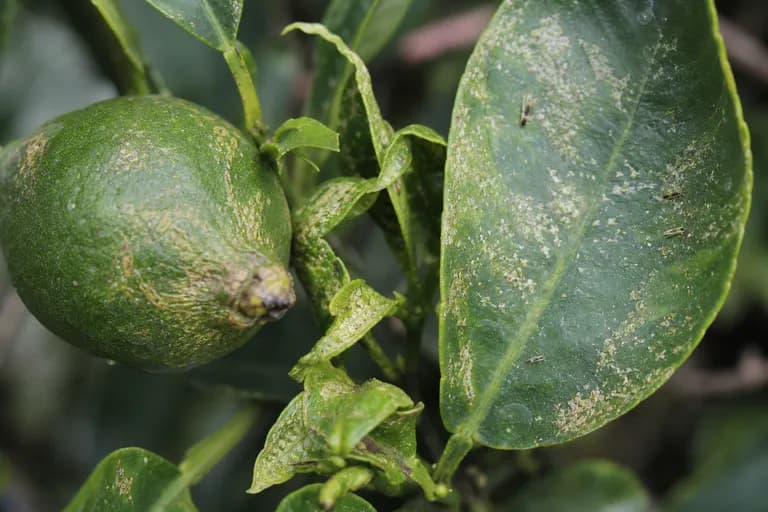
SchädlingSilbrige Narben und Ringmuster auf der Schale junger Früchte; verformte neue Blätter mit eingerollten Rändern.
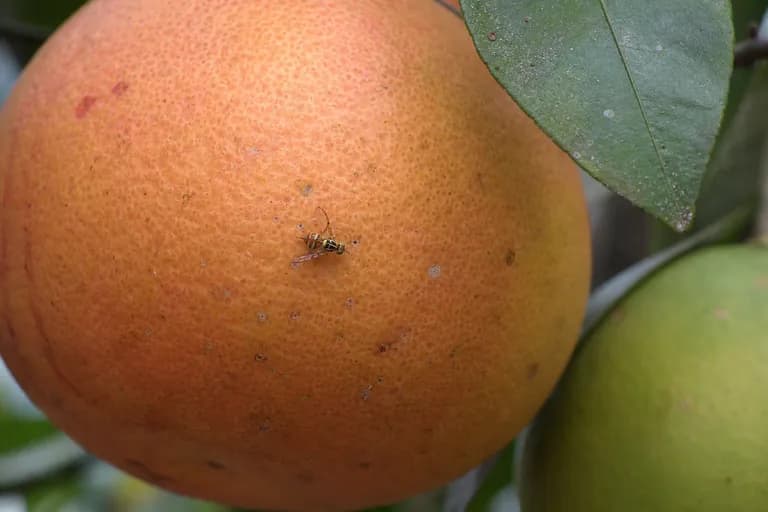
Karibische Fruchtfliege
SchädlingKleine Einstichstellen an reifenden Früchten; Larven, die durch das Fruchtfleisch tunneln und braune, matschige Stellen sowie vorzeitigen Fruchtfall verursachen.
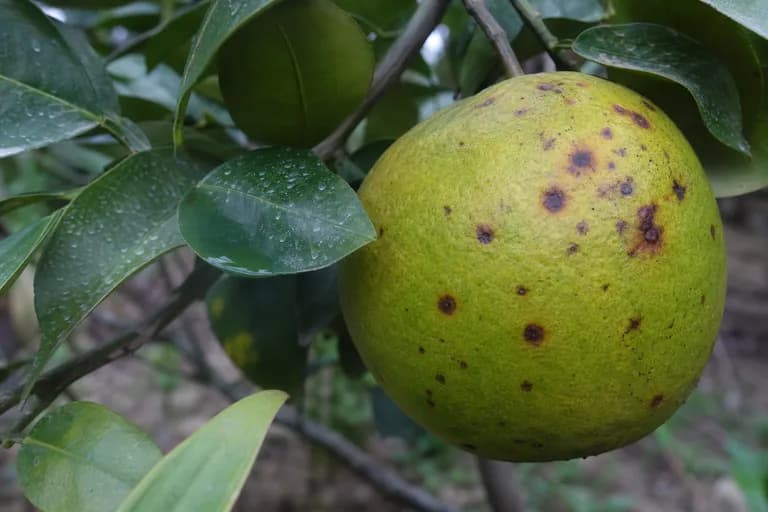
Zitrus-Schwarzfleckenkrankheit
KrankheitHarte, eingesunkene dunkle Flecken mit rotbraunen Rändern auf der Fruchtschale; es können sich erhabene schwarze Pyknidien im Zentrum der Läsionen entwickeln.
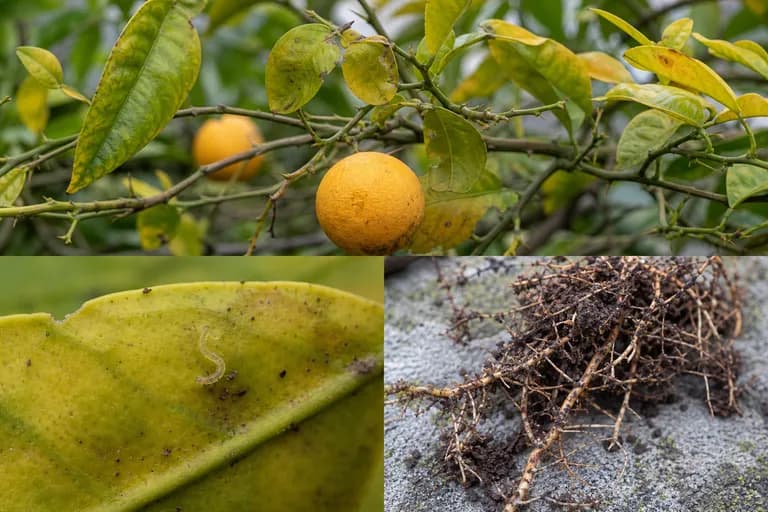
Zitrus-Nematode
KrankheitLangsamer Rückgang der Baumvitalität; kleine, spärliche Belaubung; reduzierte Fruchtgröße und Ertrag; sichtbare Gallen oder Läsionen an Feinwurzeln.
Fehlerbehebung bei häufigen Problemen
Oro Blanco benötigt erhebliche Sommerhitze, um volle Süße zu entwickeln, und Früchte, die in kühlen Küstenklimaten angebaut werden, können herb bleiben. Die dicke Schale kann die Frucht größer erscheinen lassen, als ihr tatsächlicher essbarer Anteil ist, was manche Erstanbauer enttäuscht. Der Baum neigt zur Alternanz, wenn die Ernten nicht gesteuert werden. Fruchtaufplatzen kann bei unregelmäßiger Bewässerung auftreten, besonders nach Regen, der auf eine Trockenperiode folgt. Junge Bäume können vier bis fünf Jahre brauchen, bevor sie eine nennenswerte Ernte tragen.
Anbautipps
- Pflanzen Sie Oro Blanco an der wärmsten, geschütztesten Stelle in Ihrem Garten, idealerweise an einer nach Süden oder Westen ausgerichteten Wand, die Wärme über Nacht absorbiert und abstrahlt, da diese zusätzliche Wärme in kühlen Winternächten die Fruchtsüße erheblich verbessert und das Risiko von Kälteschäden verringert
- Oro Blanco gedeiht am besten in gut durchlässigem, leicht saurem Boden mit einem pH-Wert zwischen 6,0 und 7,0. Wenn Ihr Boden schwerer Lehm ist, pflanzen Sie in ein Hochbeet oder auf einen großen Hügel, um Staunässe zu verhindern, die die häufigste Ursache für Wurzelfäule und Baumsterben bei Hauszitrus ist
- Lassen Sie kein Gras oder konkurrierenden Bodendecker innerhalb eines Meters vom Stamm wachsen. Zitruswurzeln sind Flachwurzler und werden von Rasengras ernsthaft verdrängt, das zudem Schädlinge und Krankheiten beherbergt. Halten Sie einen dauerhaft gemulchten Ring um jeden Baum
- Oro-Blanco-Bäume in Kübeln benötigen häufigere Bewässerung und Düngung als solche im Freiland, da Nährstoffe schnell aus Töpfen ausgewaschen werden. Verwenden Sie einen Topf mit mindestens 60 cm Durchmesser, gefüllt mit hochwertiger Zitrus-Spezialerde, und wässern Sie, wenn sich die oberen 3–4 cm des Substrats trocken anfühlen
- Wenn Ihr Oro-Blanco-Baum kleine oder geschmacklose Früchte produziert, sind die wahrscheinlichsten Ursachen unzureichende Bewässerung während der sommerlichen Fruchtwachstumsphase, übermäßige Stickstoffdüngung oder zu frühe Ernte vor vollständiger innerer Reife. Probieren Sie ab November regelmäßig, anstatt sich auf die Schalenfarbe als Reifeindikator zu verlassen
- Zitrusbäume profitieren stark von der Anwendung von Spurenelement-Ergänzungen einschließlich Zink, Mangan und Eisen, die in kultivierten Böden oft erschöpft sind oder bei falschem Boden-pH-Wert nicht verfügbar werden. Vergilbung zwischen den Blattadern an neuem Wachstum ist ein klassisches Zeichen für Spurenelementmangel, der gut auf Blattspritzung mit chelatierten Mikronährstoffen anspricht
- Schneiden Sie Oro Blanco zurückhaltend, da Zitrus Früchte an ausgereiftem Holz trägt und übermäßiger Rückschnitt den Ertrag mindert. Beschränken Sie den Schnitt auf das Entfernen toter oder sich kreuzender Äste, bodenberührender Schürzen und aller Triebe, die unterhalb der Veredelungsstelle austreiben, da es sich dabei um eine andere, minderwertige Sorte handelt
- Schützen Sie den Stamm und die unteren Äste junger Bäume in den ersten beiden Wintern, indem Sie sie an Nächten, in denen Temperaturen unter 0 °C prognostiziert sind, locker mit Gartenvlies oder Luftpolsterfolie umwickeln. Ein etablierter Baum kann kurzzeitige Kälte besser vertragen als ein junger Baum, dessen Rinde noch nicht vollständig ausgehärtet ist
- Fördern Sie Nützlinge, indem Sie Begleitblumen wie Duftsteinrich, Tagetes und Phacelia in der Nähe Ihrer Zitrusbäume pflanzen. Diese locken Schlupfwespen an, die Zitrusminiermotten, Zitrusblattflöhe und Blattlauspopulationen auf natürliche Weise kontrollieren, ganz ohne chemische Eingriffe
- Wässern Sie tiefgründig und selten statt flach und häufig. Oro-Blanco-Bäume entwickeln tiefere Wurzelsysteme, wenn sie dazu angeregt werden, nach Feuchtigkeit zu suchen, was sie widerstandsfähiger gegen Trockenheit macht. Ein einziges tiefes Durchdringen von 45–60 cm in den Boden alle 7–10 Tage im Sommer ist vorteilhafter als häufiges leichtes Besprühen
Bau deine beste Oro Blanco an — und alles drumherum.
Starte heute kostenlos. Lege deine Beete an, setze deine Oro Blanco ein und lass PlotMyGarden Timing, Abstände, Begleiter und Erinnerungen von der Saat bis zum Erntekorb übernehmen.
Finde deine Oro Blanco
Oro Blanco
Die ursprüngliche Züchtung der University of California, die große, kernlose, süße Früchte mit dicker Schale und blassgelb-grünem Fruchtfleisch hervorbringt.
Melogold
Eine Schwesterhybride aus demselben Zuchtprogramm, die etwas größere Früchte mit dünnerer Schale und ähnlich süßem, mildem Geschmack produziert.
Cocktail-Grapefruit
Eine verwandte Mandarinen-Pomelo-Hybride, die manchmal mit Oro Blanco gruppiert wird, mit süßerem, eher orangefarbenem Fruchtfleisch und leicht schälbarer Schale.
Fachgeschäfte und Gourmet-Lebensmittelläden verkaufen Oro-Blanco-Grapefruits für 3 € bis 6 € pro Frucht, wenn sie verfügbar sind, und selbst dann ist das Angebot saisonal und unbeständig. Ein einzelner etablierter Hausbaum, der 80 bis 150 Früchte pro Saison trägt, repräsentiert einen Einzelhandelswert von 240 € bis 900 € jährlich an eingesparten Lebensmittelkosten und amortisiert die Kosten eines Baumschulbaums innerhalb von ein bis zwei ertragreichen Saisons. Die außergewöhnliche Haltbarkeit am Baum bedeutet, dass Gärtner über Monate hinweg frische Spitzenqualität genießen, ohne Lagerkosten oder Verschwendung.
Schnelle Rezepte
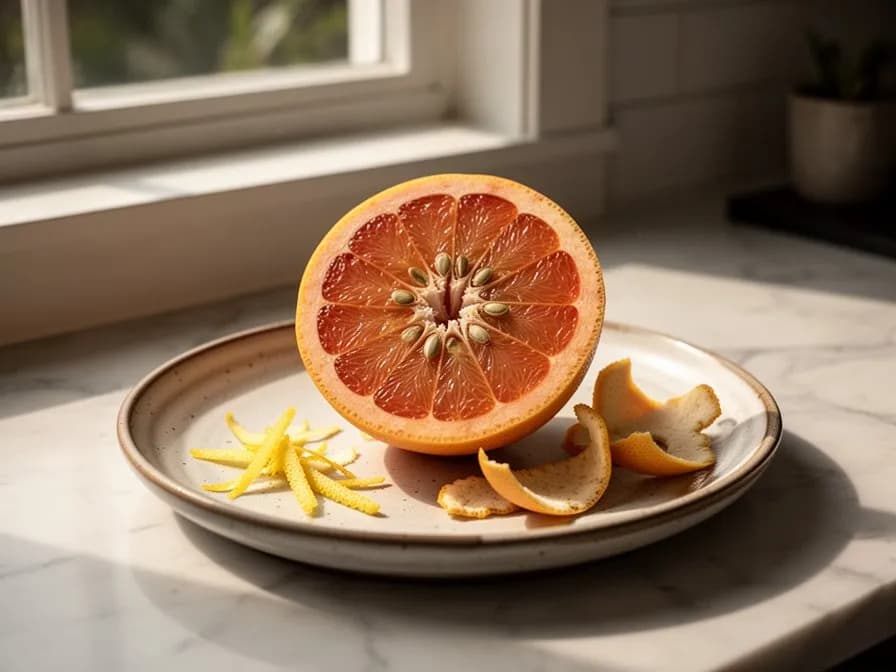
Oro-Blanco-Avocado-Wintersalat
15 Min.Ein lebhafter, erfrischender Salat, der die süß-herben Segmente frischer Oro Blanco mit butteriger Avocado und pfeffrigen Rucola-Blättern kombiniert. Der natürliche Fruchtsaft dient als Teil des Dressings – es braucht nur einen Schuss gutes Olivenöl und flockiges Meersalz, um ein Gericht zu vollenden, das den einzigartigen Geschmack selbst angebauter Winterzitrusfrüchte in Bestform feiert.
8 Zutaten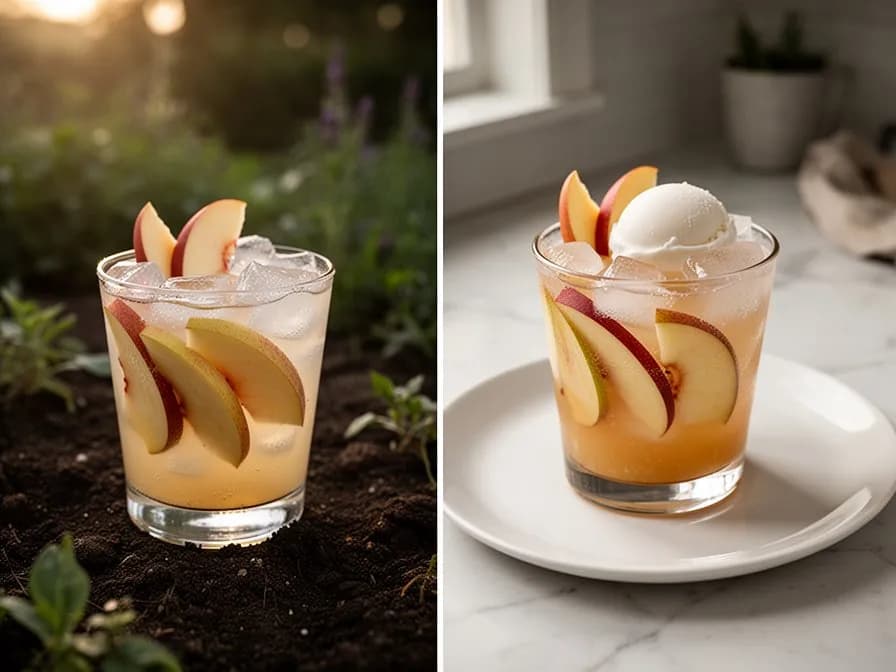
Frisch gepresster Oro-Blanco-Morgensaft
5 Min.Die einfachste und lohnendste Verwendung einer selbst angebauten Oro Blanco ist das tägliche frische Auspressen für einen Saft, der unvergleichlich süßer und nuancierter ist als alles, was kommerziell erhältlich ist. Da Oro Blanco nahezu kernlos ist und reichlich Saft hat, ergibt eine einzige große Frucht ein volles Glas Getränk, das nichts Weiteres benötigt, um perfekt zu sein.
5 ZutatenOro-Blanco-Curd
30 Min.Ein juwelengleicher, samtiger Curd aus dem Saft und der Schale frischer Oro-Blanco-Grapefruit. Das Ergebnis ist weniger herb und zarter blumig als klassischer Lemon Curd, mit einer sanften Zitrusbitterkeit, die ihn zu einer außergewöhnlichen Füllung für Tartes, einem Topping für Pavlova oder einfach großzügig auf warmem Toast verstrichen macht. Dieser Curd hält sich zwei Wochen im Kühlschrank.
6 ZutatenKulinarische Verwendung
Oro Blanco wird am besten frisch genossen, geschält und in Segmente geteilt, als süßere Alternative zu Grapefruit. Das milde Fruchtfleisch eignet sich hervorragend für Zitrussalate, kombiniert mit Avocado und Garnelen, oder als Frühstücksfrucht ohne zusätzlichen Zucker. Der Saft ergibt erfrischende Getränke und Cocktails mit einem sanften Zitruscharakter. Segmente können mit einer leichten Schicht braunem Zucker überbacken werden, um ein einfaches Dessert zu erhalten. Die Schale verleiht Backwaren und Vinaigrettes subtile, nicht-bittere Zitrusnoten.
Was drinsteckt
Gesundheitsvorteile
- Eine einzelne mittelgroße Oro-Blanco-Grapefruit liefert mehr als die gesamte empfohlene Tagesdosis an Vitamin C, bietet starke Immunsystemunterstützung und wirkt als potentes wasserlösliches Antioxidans, das freie Radikale im Körpergewebe neutralisiert
- Der hohe Flavonoidgehalt, insbesondere Hesperidin und Naringenin, wurde in mehreren klinischen Studien mit verbesserter arterieller Flexibilität, niedrigerem Blutdruck und reduziertem LDL-Cholesterin in Verbindung gebracht, was Oro Blanco zu einem echten herzunterstützenden Lebensmittel macht
- Anders als gewöhnliche Grapefruit enthält Oro Blanco sehr niedrige Gehalte an Naringin und Bergamottin, den Furanocumarinen, die Grapefruit-Medikamenten-Wechselwirkungen verursachen, was sie potenziell sicherer macht als herkömmliche Grapefruit für Personen, die bestimmte Medikamente einnehmen, obwohl ärztliche Beratung stets empfohlen wird
- Mit etwa 38 Kalorien pro 100 g und einem hohen Wassergehalt von über 88 % ist Oro Blanco ein außergewöhnlich sättigendes, kalorienarmes Lebensmittel, das sinnvoll zur täglichen Hydratation beiträgt und gleichzeitig ein gesundes Gewichtsmanagement unterstützt
- Die Kombination aus löslichen Ballaststoffen, Zitronensäure und natürlich vorkommenden Pflanzenenzymen in Oro Blanco unterstützt eine gesunde Verdauung, fördert einen regelmäßigen Stuhlgang und kann helfen, Blähungen und Beschwerden bei träger Verdauung zu reduzieren
- Oro Blanco ist eine reiche Quelle des Antioxidans Lycopin, ein Carotinoid, das häufiger mit Tomaten assoziiert wird und in der Forschung mit einem verringerten Prostatakrebsrisiko und verbesserten kardiovaskulären Ergebnissen bei regelmäßigem Verzehr im Rahmen einer abwechslungsreichen, pflanzenreichen Ernährung in Verbindung gebracht wurde
Woher Oro Blanco stammt
Die Oro-Blanco-Grapefruit ist ein relativer Neuling in der alten Welt der Zitrusfrüchte, doch ihre Züchtungsgeschichte ist ein faszinierendes Kapitel der Gartenbauwissenschaft des zwanzigsten Jahrhunderts. Die Sorte entstand durch ein gezieltes Hybridisierungsprogramm am Citrus Research Center der University of California in Riverside, das 1958 unter der Leitung von Dr. Richard Soost und James Cameron begann. Ihr Ziel war es, eine grapefruitartige Frucht mit reduzierter Bitterkeit und ohne Kerne zu entwickeln – Eigenschaften, die der traditionellen Grapefruitzüchtung lange verwehrt geblieben waren. Als Eltern wurden eine Pomelo (Citrus maxima) und eine hybride säurefreie Grapefruit gewählt, und nach Jahren der Selektion und Bewertung wurde ein vielversprechender Sämling identifiziert, der die gewünschte Süße, Kernlosigkeit und niedrige Säure aufwies.
Nach mehr als zwei Jahrzehnten der Beobachtung und Erprobung wurde Oro Blanco 1980 offiziell der Öffentlichkeit vorgestellt und repräsentierte über zwanzig Jahre geduldiger gartenbaulicher Arbeit. Der Name, der auf Spanisch ‚weißes Gold' bedeutet, wurde gewählt, um sowohl die blasse Farbe des Fruchtfleisches als auch den wahrgenommenen Wert dieser neuartigen Frucht zu würdigen. Die University of California in Riverside ließ die Sorte patentieren und lizenzierte sie an Zitrusanbauer in Kalifornien, Israel und anderen warmklimatischen Zitrusregionen.
Israel erwies sich als besonders begeistert von dieser neuen Sorte. Israelische Anbauer übernahmen Oro Blanco schnell und vermarkteten sie in ganz Europa unter dem Handelsnamen ‚Sweetie', einem Namen, der sowohl das Geschmacksprofil als auch die kommerzielle Attraktivität einfing. In den 1990er Jahren war Sweetie zu einer vertrauten Winterzitrusfrucht in europäischen Supermärkten geworden und machte Millionen von Verbrauchern mit der süßeren, weniger herben Art des Essens bekannt, die Oro Blanco bietet.
In Kaliforniens San Joaquin Valley und Coachella Valley expandierte die kommerzielle Oro-Blanco-Produktion in den 1980er und 1990er Jahren, obwohl sie im Vergleich zu den dominierenden Grapefruitsorten immer eine Nischenposition einnahm. Hobbygärtner und Spezialanbauer erkannten schnell den Zierwert des Baumes neben seiner Produktivität, da er große, auffällige Früchte und duftende Blüten an einem attraktiven, abgerundeten Baum hervorbringt. Heute wird Oro Blanco von Zitrus-Enthusiasten in den USDA-Winterhärtezonen 9 bis 11 angebaut und geschätzt für ihre Fähigkeit, ein Grapefruit-Erlebnis ohne die Bitterkeit zu liefern, die viele Menschen von dieser Frucht fernhält.
Oro Blanco: Schon gewusst?
Faszinierende Fakten über Oro Blanco
Oro Blanco, was auf Spanisch ‚weißes Gold' bedeutet, wurde 1958 an der University of California in Riverside von dem Gartenbauexperten Dr. Richard Soost und seinem Kollegen James Cameron entwickelt, die eine Pomelo mit einer kernhaltigen, säurefreien Grapefruit-Hybride kreuzten, um dieses süßere, kernlose Wunder zu schaffen.
Oro Blanco: Fragen & Antworten
Wann sollte ich Oro Blanco pflanzen?
Was sind gute Begleitpflanzen für Oro Blanco?
In welchen Winterhärtezonen kann Oro Blanco wachsen?
Wie viel Sonne braucht Oro Blanco?
Welchen Abstand sollte ich zwischen Oro Blanco lassen?
Welche Schädlinge und Krankheiten befallen Oro Blanco?
Wie lagere ich Oro Blanco nach der Ernte?
Was sind die besten Oro Blanco-Sorten zum Anbauen?
Welchen Boden braucht Oro Blanco?
Wie unterscheidet sich Oro Blanco von gewöhnlicher Grapefruit und warum ist sie süßer?
Wann ist der richtige Zeitpunkt, Oro Blanco zu ernten, und woran erkenne ich, ob sie reif ist?
Kann ich Oro Blanco im Kübel anbauen und wie groß muss der Topf sein?
Warum werden die Blätter meines Oro-Blanco-Baumes gelb?
Interagiert Oro Blanco mit Medikamenten wie gewöhnliche Grapefruit?
Wie viel Wasser braucht ein Oro-Blanco-Baum im Sommer?
Du hast die Theorie gelesen. Jetzt baue sie auf Autopilot an.
Alles, was Oro Blanco knifflig macht — das Timing, die Abstände, die Begleiter, das Erntefenster — genau das übernimmt PlotMyGarden für dich, für jede Pflanze im Garten.
Ein Plan, der dein Wetter kennt
Standort einmal festlegen. Aussaat-, Dünge- und Erntedaten rund um deinen echten letzten Frosttermin und die Live-Vorhersage — kein Raten mehr nach Saattüte.
Aus dem Abschnitt „Pflanzzeit“Beetplaner per Drag & Drop
Beete auf einem Raster gestalten. Jede Pflanze rastet im richtigen Abstand ein, und du siehst die ganze Saison, bevor du einen Cent für Saatgut ausgibst.
Aus dem Abschnitt „Anbau“Begleiter-Konflikte früh erkannt
Über 200 gute und schlechte Kombinationen werden beim Pflanzen live geprüft — so landet ein saisonruinierender Fehler nie in der Erde.
Aus dem Abschnitt „Begleiter“Erinnerungen, nach denen du wirklich handelst
„Gieß die Bohnen.“ „Heute ernten, bevor's umschlägt.“ Pünktlich, konkret und auf deine echten Pflanzen bezogen.
Aus dem Abschnitt „Ernte“Staffel-Aussaat, geplant
Sechs Wochen ernten statt sechs Tage? Die App verteilt deine Aussaaten automatisch und erinnert dich, wenn der nächste Satz fällig ist.
Aus dem Abschnitt „Pflanzzeit“Ein Verlauf, der schlauer wird
Jede protokollierte Ernte bringt der App deinen Garten bei. Der Plan fürs nächste Jahr startet bei dem, was in deinem Boden wirklich funktioniert hat.
Aus dem Abschnitt „Überblick“Pflanze diese neben Oro Blanco
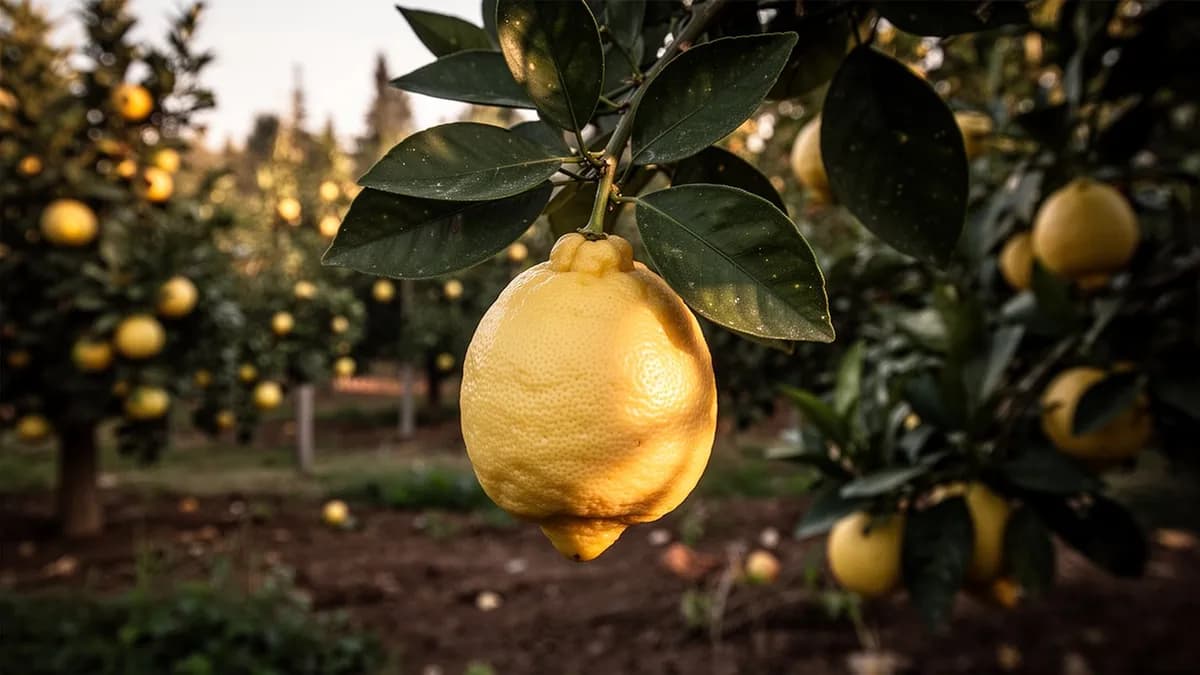
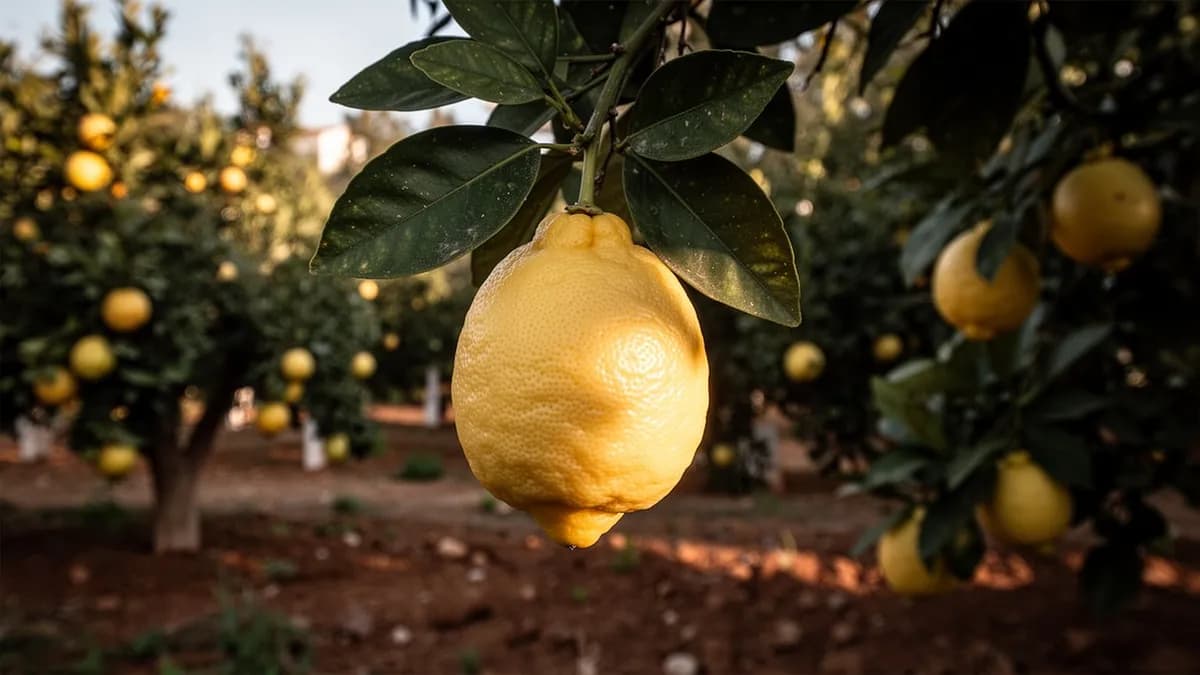
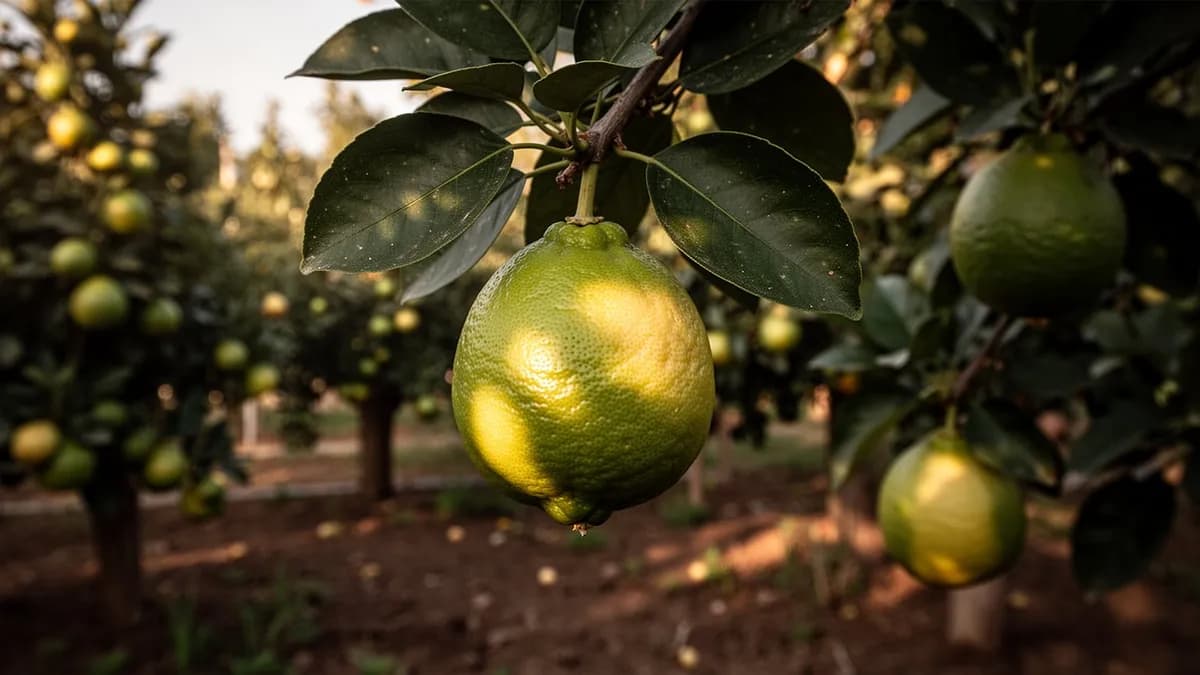
Weitere Zitrusfrüchte
Bau deine beste Oro Blanco an — und alles drumherum.
Starte heute kostenlos. Lege deine Beete an, setze deine Oro Blanco ein und lass PlotMyGarden Timing, Abstände, Begleiter und Erinnerungen von der Saat bis zum Erntekorb übernehmen.