Nagami Kumquat
typical season: not winter-hardy in zone 7 (needs 8–11) · grow it in a pot and bring it in for winter · plant Mar – May · set your climate
The most commonly grown kumquat, producing oval fruits with sweet rind and tart flesh that provide a delightful contrast when eaten whole.

On this pageOverview
Meet Nagami Kumquat
The most commonly grown kumquat, producing oval fruits with sweet rind and tart flesh that provide a delightful contrast when eaten whole. Nagami kumquats are prolific bearers and make excellent marmalade, candied peel, and kumquat liqueur. The compact, evergreen trees are highly ornamental and well-suited to container culture.
When to plant Nagami Kumquat
Nagami kumquat is easily grown from seed and frequently produces true-to-type offspring. Extract seeds from ripe fruit and plant immediately, as viability drops rapidly once seeds dry. Sow one centimeter deep in warm, moist seed-starting mix at 25 to 28 degrees Celsius. Germination occurs in two to four weeks. Seedlings grow slowly but steadily, typically bearing fruit within four to five years. For faster production, grafted trees on trifoliate orange rootstock fruit within two years and have improved cold hardiness. Cuttings taken in summer also root reliably with bottom heat.
Your Nagami Kumquat Year
Composed for Zone 7 · typical seasons · frost passes Apr 2, returns Nov 1
Plant Nagami Kumquat Mar – May, pick Jan – Feb, Nov – Dec. Check the planting methods below and set your climate to personalize these windows.

Picking Nagami Kumquat this season? Its next window opens Mar 1
One email a few days before it opens where you garden and one two weeks before it closes.
One email per milestone, never more than one a week. Unsubscribe with one tap. No account needed.
How to grow Nagami Kumquat
Nagami kumquat is the most widely cultivated kumquat species, growing as a compact evergreen tree or large shrub reaching two to four meters tall. It thrives in full sun and adapts well to a variety of growing conditions. Nagami is among the most cold-hardy citrus, tolerating temperatures down to about minus 7 degrees Celsius when dormant, though fruit and leaves may suffer damage in prolonged cold.
Plant in well-draining soil in a sunny, sheltered location. Nagami makes an excellent container specimen, thriving in pots as small as 30 centimeters in diameter for young trees, though larger containers produce more fruit. Water regularly during active growth, allowing slight drying between waterings. The tree's natural dormancy period in winter aids cold hardiness, so avoid fertilizing or encouraging growth during the cold months.
Nagami kumquat is a prolific bearer that can produce fruit within two to three years of planting. The tree blooms in late spring to early summer, with fruit ripening over a long season from late fall through winter. Prune lightly after harvest to maintain shape and remove any dead or crossing branches. The dense, glossy foliage and bright orange fruit make this an outstanding ornamental as well as a productive fruit tree.
Nagami Kumquat's best neighbours
Nagami kumquat grows well alongside other kumquat varieties and small citrus in mixed plantings or container collections. Low-growing Mediterranean herbs like thyme, lavender, and rosemary make excellent companions in sunny garden settings. Marigolds and sweet alyssum help attract beneficial insects and deter pests. The compact size allows integration into mixed borders and edible landscapes. Avoid planting in deep shade or near trees with aggressive root systems that compete for moisture and nutrients.
Kumquat belongs beside it.
Old growers' knowledge, checked against Nagami Kumquat's real companion table below — test any plant you're growing.
Related growing guides
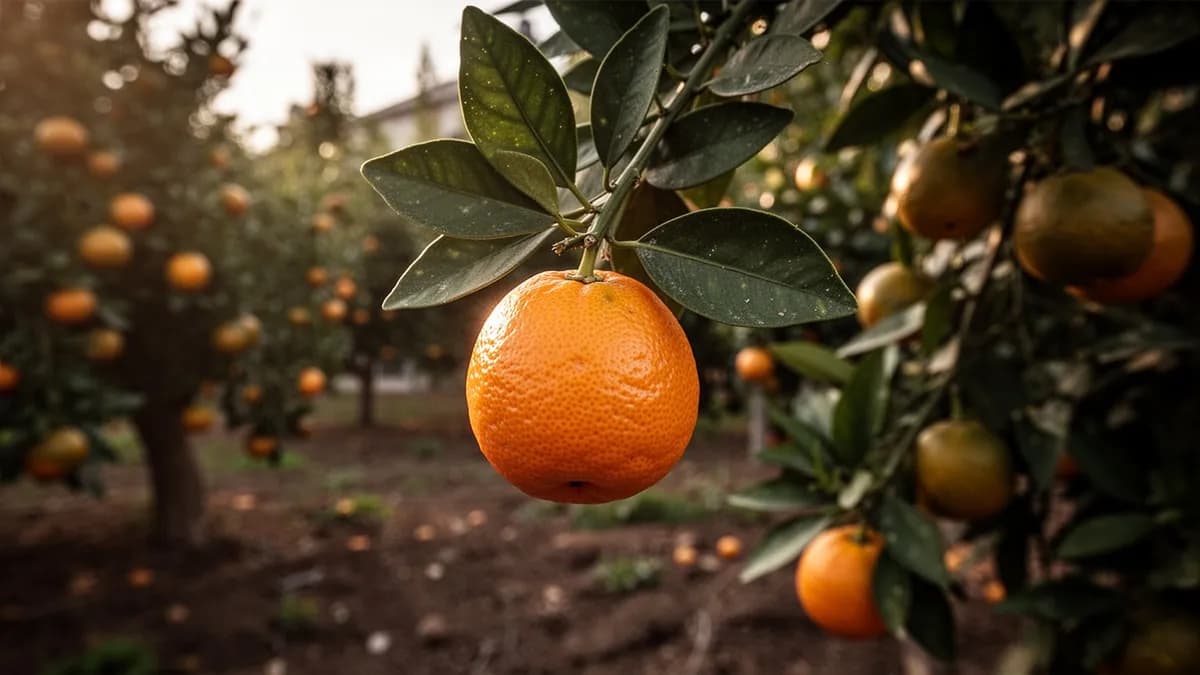
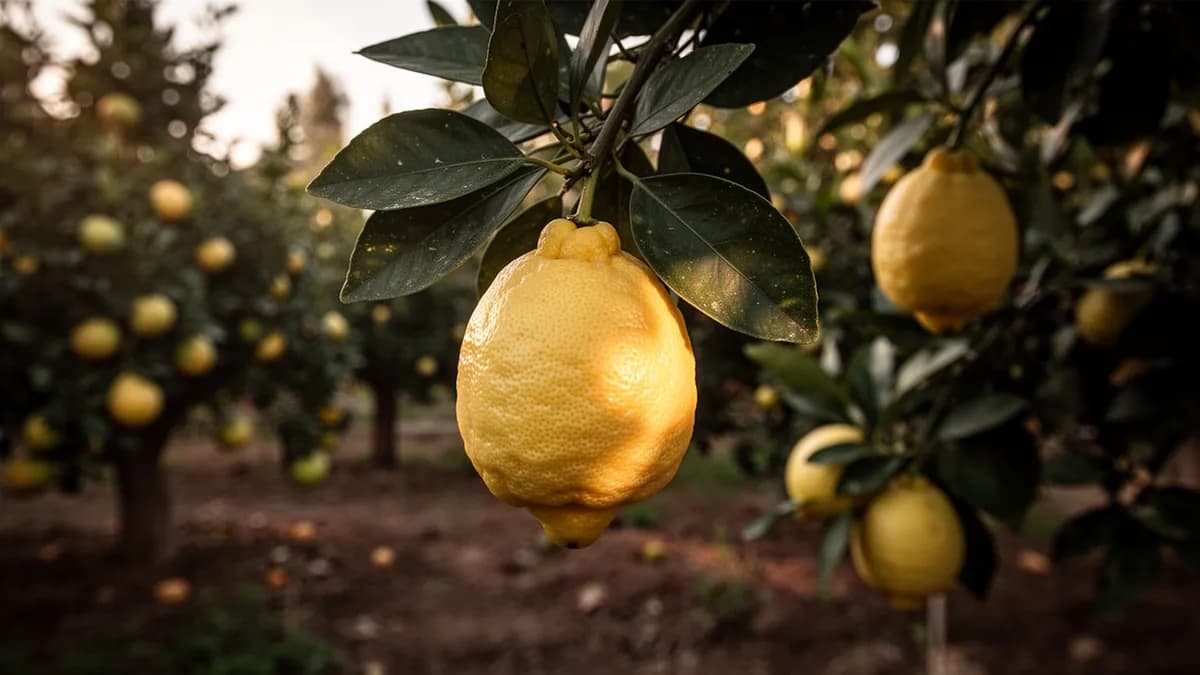
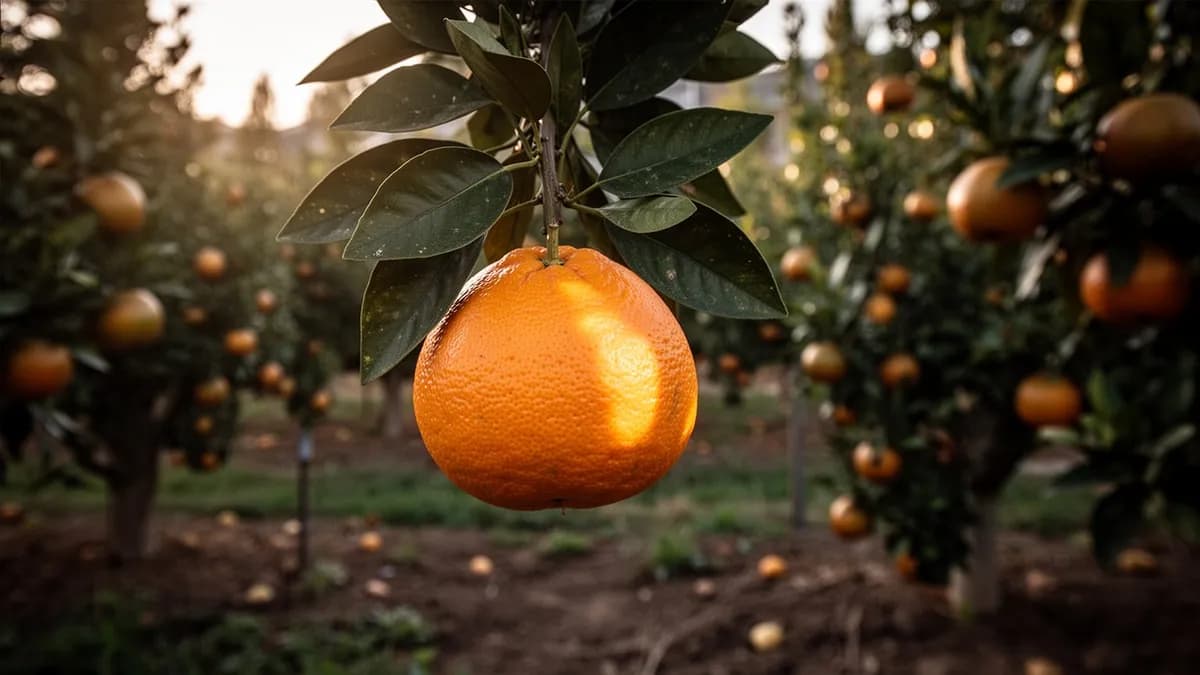
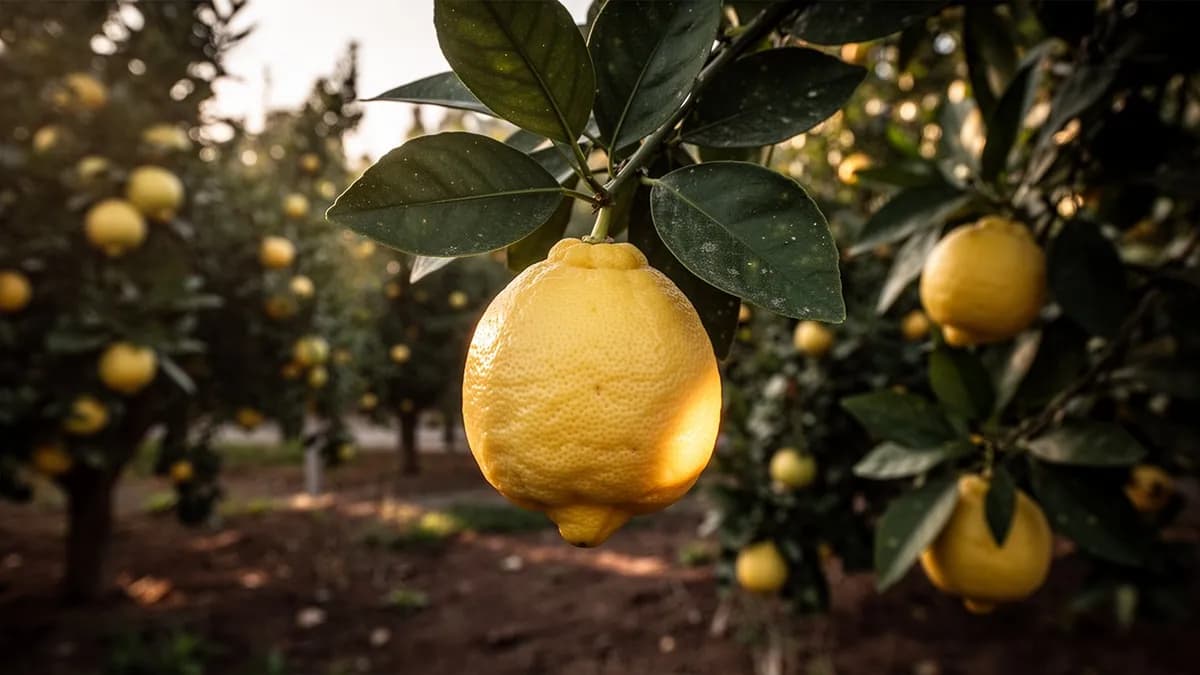
Feed it well
Nagami kumquat grows well in a range of well-draining soils with a pH of 5.5 to 7.0. For container culture, use a quality citrus potting mix with perlite or pumice for additional drainage. Feed every four to six weeks during the growing season with a balanced citrus fertilizer. Supplement with iron chelate and micronutrients if yellowing develops between leaf veins. Apply a light mulch of composted bark to conserve moisture and maintain soil health. Cease fertilization in late fall to allow the tree to enter dormancy naturally.
Ideal Temperature
Hardiness Zone Compatibility
From seed to harvest, stage by stage
Establishment
Newly planted Nagami kumquat trees focus energy on root establishment during the first season. Young trees from nurseries may drop some leaves in response to transplant stress, which is normal. Growth above ground is minimal as the root system expands to anchor the plant and explore the surrounding soil for water and nutrients.
Vegetative Growth
Once established, the tree begins producing new flushes of growth in spring and late summer. Branches extend and the characteristic glossy, dark green leaves develop their waxy cuticle. Established trees may produce scattered flowers in their first year but typically do not set a meaningful fruit crop until the second or third year.
First Flowering
Mature Nagami kumquats typically flower in late spring to early summer, producing clusters of small, intensely fragrant white blossoms at the leaf axils. The flowers are self-fertile, and even a single tree will set fruit without cross-pollination. The honeyed citrus scent of the blossoms is one of the most appealing features of container-grown trees.
Fruit Development
After pollination, small green fruitlets develop and slowly enlarge over the summer and autumn months. Fruit color transitions from deep green to yellow-orange and finally to the characteristic bright orange of fully ripe Nagami kumquats. This ripening process takes approximately 3-4 months from fruit set to full maturity.
Harvest
Nagami kumquats ripen from late autumn through winter, with peak harvest typically from late autumn to late winter depending on climate. A fully ripe fruit is uniformly bright orange, slightly soft to the touch, and the rind emits a strong citrus fragrance when lightly scratched. The harvest window is generous, as ripe fruits can remain on the tree for several weeks.
Post-Harvest Recovery
After the main harvest period, the tree enters a period of recovery and preparation for the next growth cycle. New vegetative flushes emerge in spring, and the tree begins producing flower buds for the following season. Proper post-harvest care directly influences the size and quality of the next year's crop.
Water deeply every 3-5 days during the first season, allowing the top few centimeters of soil to dry slightly between waterings. Do not fertilize for the first 6-8 weeks after planting to avoid burning tender new roots. Apply a 5-8 cm layer of mulch around the base, keeping it 10 cm clear of the trunk.

Caring for Nagami Kumquat month by month
What to do each month for your Nagami Kumquat
November
You are hereEarly harvest of the first fully orange kumquats. Begin harvesting as fruits reach full orange color and slight softness. Reduce watering for in-ground trees as temperatures cool and tree metabolism slows. Protect from frost events. Avoid heavy pruning during the harvest season.
Harvesting Nagami Kumquat
Nagami kumquats ripen from late autumn through late winter, turning deep orange when mature. Harvest by clipping or gently twisting fruit from the branch. The sweet-tart flavor profile develops best when the rind is fully orange and the fruit is slightly soft. Leaving fruit on the tree a week or two past full color often improves the balance between sweet rind and tart flesh. Unlike most citrus, kumquats are eaten whole, so sample a fruit to determine the ideal harvest timing for your taste. A mature tree can produce hundreds of fruits annually.
Storage & Preservation
Fresh Nagami kumquats keep for one to two weeks at room temperature and up to six weeks refrigerated in a sealed container. Their firm rind provides excellent natural protection during storage. Kumquats are ideal for preserving: candy them whole in sugar syrup, make traditional marmalade, or create kumquat liqueur by steeping in vodka or brandy with sugar. The fruit can be sliced and frozen for later use. Kumquat paste makes a unique condiment, and dried kumquat slices are a popular snack in many Asian cuisines.
What goes wrong — and the fix
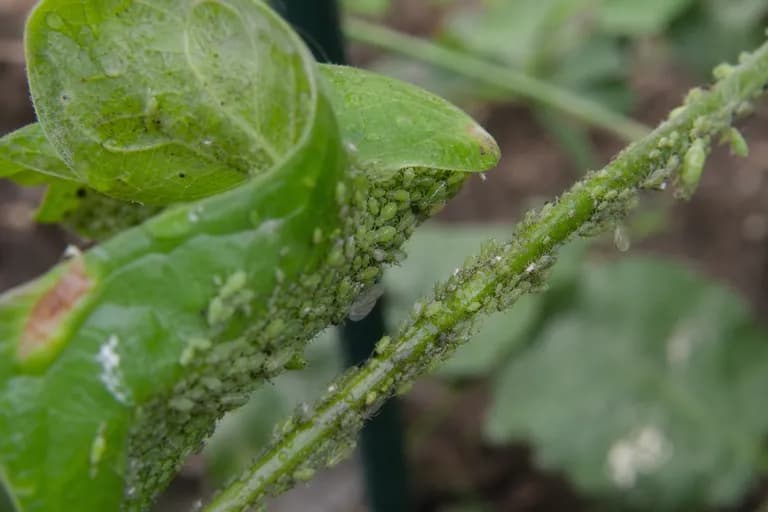
Aphids
PestClusters of small green, black, or brown insects on new growth; curled and distorted young leaves; sticky honeydew and sooty mold.
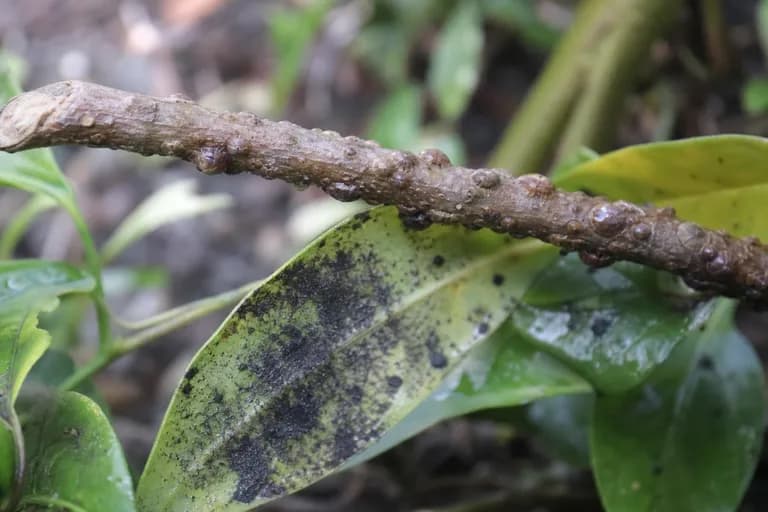
Scale Insects
PestSmall raised bumps on stems and leaves; sticky honeydew residue; sooty mold; gradual weakening of affected branches.
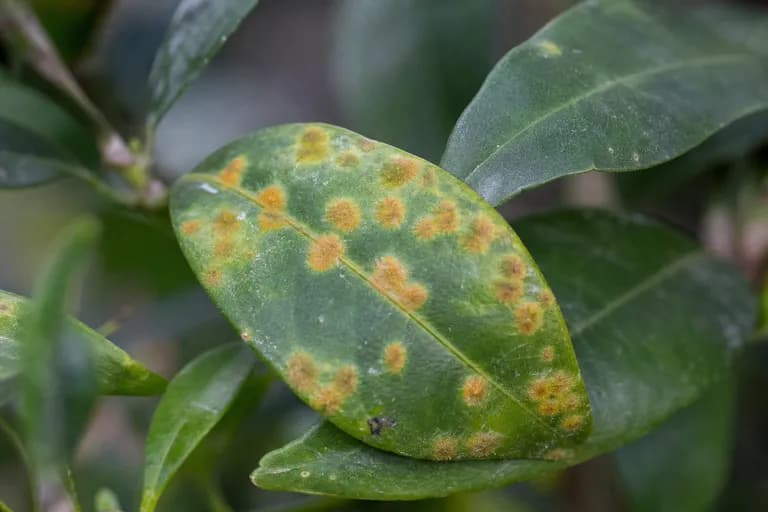
Algal Leaf Spot
DiseaseRaised, circular, orange-green spots on leaves, especially in humid conditions. Generally cosmetic but can reduce plant vigor if severe.
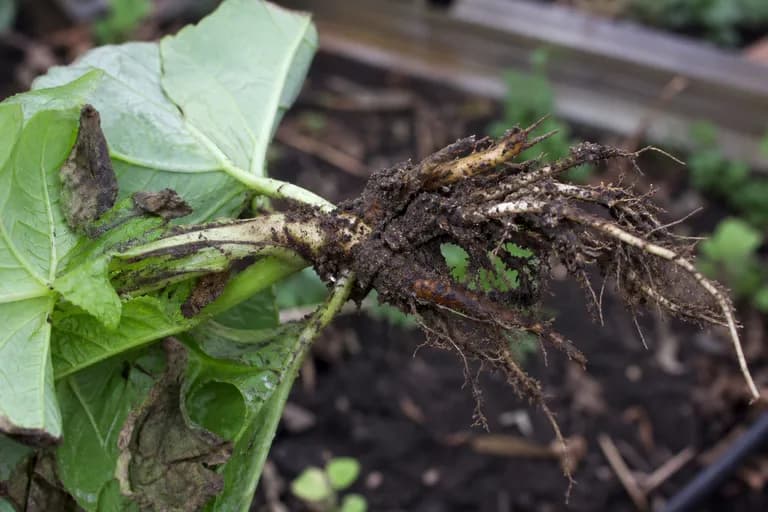
Root Rot
DiseaseYellowing leaves, wilting despite moist soil, dark and mushy roots, and general decline. Most common in overwatered container plants.
Troubleshooting Common Problems
Nagami kumquat is one of the easiest citrus to grow, but fruit drop during development can occur from inconsistent watering or temperature stress. Container plants brought indoors for winter often experience leaf drop due to reduced light and humidity; placing near a bright window facing the midday sun and misting regularly helps. The tree can become rootbound in containers, reducing fruiting, so repot every two to three years. Alternate bearing may develop if the tree is allowed to overproduce without thinning.
Growing Tips
- Plant Nagami kumquat in the sunniest location available — a minimum of 6 hours of direct sun is required for flowering and fruiting, but 8-10 hours produces noticeably heavier crops with better flavor development in the fruit.
- When growing in containers, choose a pot at least 50-60 cm in diameter with excellent drainage holes. Use a premium citrus-specific potting mix rather than general-purpose compost, as citrus requires the sharp drainage and slightly acidic pH that citrus mixes are formulated to provide.
- Kumquats enter a period of relative dormancy in winter that is important for flowering and fruiting. Container trees that are kept too warm indoors year-round may produce fewer flowers — a cool (7-13°C) but frost-free garage or shed with some light during the coldest months can improve flowering the following spring.
- Feed established kumquats three times per year using a granular slow-release citrus fertilizer: once in late winter as growth begins, once in late spring, and a final application in midsummer. Avoid feeding from late summer onward to prevent soft late-season growth that is vulnerable to frost damage.
- Watch for chlorosis — yellowing leaves with green veins — which is a common sign of iron or manganese deficiency in kumquats, especially when grown in alkaline soil or hard tap water. Treat with chelated iron applied as a foliar spray or soil drench, and periodically acidify container soil with diluted citric acid or sulfur.
- Kumquats rarely need heavy pruning and are best shaped lightly after harvest. Remove any dead or crossing branches and open up the center of the canopy for better air circulation and light penetration, but avoid removing more than 20% of the canopy in a single season.
- For container trees in cold climates, move plants indoors before temperatures drop below -4°C. Place near the brightest window available — ideally the one facing the midday sun — or under grow lights. The plants may drop some leaves in response to reduced light indoors, which is normal and temporary as long as they receive adequate light.
- Mulch around the base of in-ground trees with 8-10 cm of wood chip or straw mulch, keeping the mulch 15 cm away from the trunk. This conserves moisture, moderates soil temperature, suppresses weeds, and gradually enriches the soil as it breaks down — all of which directly benefit fruit production.
- Nagami kumquats are self-fertile, so a single tree will produce fruit without another tree for cross-pollination. However, planting two trees within proximity of each other has been observed to improve fruit set in some situations, particularly in areas with fewer pollinating insects.
Pick your Nagami Kumquat
Standard Nagami
The classic oval-fruited kumquat with sweet rind and tart flesh. Extremely prolific and the most widely available kumquat in nurseries.
Nordmann Seedless Nagami
A seedless sport of the standard Nagami, offering the same flavor and productivity without the inconvenience of seeds.
Marumi Kumquat
A closely related round kumquat sometimes classified separately, with slightly sweeter flesh and a more compact growth habit than Nagami.
Fukushu Kumquat
A Japanese selection with rounder, slightly larger fruit and a particularly sweet rind, sometimes considered a Nagami-Meiwa hybrid.
Fresh Nagami kumquats typically retail for $8-15 per kilogram at specialty grocers and farmers markets, when they are available at all — the short commercial season means they are often simply out of stock. A single mature kumquat tree in the ground can produce 15-25 kilograms of fruit per season, representing a potential retail value of $120-375 annually. Container trees typically yield 3-8 kilograms per season worth $25-120. Beyond the financial return, home-grown kumquats offer access to truly tree-ripened fruit at peak flavor, which is noticeably superior to the commercially harvested fruit picked slightly underripe for transport.
Quick recipes

Kumquat Marmalade
20 minutes prep, 45 minutes cookingA classic British-style marmalade that showcases the Nagami kumquat's extraordinary natural pectin content and brilliant orange color. Because kumquats are eaten whole, this marmalade uses the entire fruit including the flavorful rind, producing an intensely aromatic preserve with a beautiful sweet-tart balance. It requires no added pectin and sets beautifully with just fruit, water, and sugar.
5 ingredients
Kumquat-Glazed Roasted Duck Breast
15 minutes prep, 25 minutes cookingA sophisticated yet straightforward dish that uses fresh kumquats to create a glossy, intensely flavored glaze that cuts through the richness of duck breast with its sweet-tart acidity. The kumquat rind melts into the sauce during cooking, adding aromatic complexity and a beautiful golden-orange color. Pairs beautifully with roasted root vegetables or wilted greens.
8 ingredientsKumquat and Fennel Winter Salad
10 minutesA bright, crunchy winter salad that pairs the sweet-tart punch of fresh kumquats with the anise sweetness of thinly shaved fennel and the peppery bite of rocket. The kumquats are eaten whole and thinly sliced, providing bursts of citrus flavor throughout the salad. Dressed with a simple honey-lemon vinaigrette, this salad is a vivid celebration of winter produce at its best.
9 ingredientsCulinary Uses
Nagami kumquats are traditionally eaten whole for the delightful contrast between the sweet rind and tart flesh. They are the premier kumquat for marmalade, preserves, and candying. Sliced kumquats brighten winter salads, cheese boards, and grain bowls. They pair beautifully with duck, pork, and game. Kumquat syrup adds citrus complexity to cocktails and desserts. The zest enlivens baked goods, and kumquat chutney is an excellent condiment for curries and grilled meats.
What's inside
Health Benefits
- Among the richest sources of dietary fiber of any citrus fruit at 6.5g per 100g, supporting healthy digestion, feeding beneficial gut bacteria, and helping regulate blood sugar and cholesterol levels when the whole fruit is consumed
- Provides an outstanding dose of vitamin C, a powerful antioxidant that supports immune function, accelerates wound healing, enhances iron absorption from plant foods, and plays an essential role in collagen synthesis for skin and joint health
- The kumquat rind — which is consumed whole unlike other citrus — contains concentrated flavonoids including hesperidin and naringenin that have been studied for potential cardiovascular protective effects, including supporting healthy blood pressure and cholesterol levels
- Contains limonoids, a class of bioactive compounds found primarily in the edible rind and seeds of citrus fruits that have shown significant antioxidant, anti-inflammatory, and potential chemopreventive properties in laboratory and animal studies
- Rich in plant-based antioxidants that combat oxidative stress and free radical damage, which are associated with aging and the development of chronic diseases including cardiovascular disease, type 2 diabetes, and certain cancers
- Provides a useful contribution of calcium and magnesium relative to its small size, supporting bone density maintenance, muscle function, and nervous system health — nutrients that many people consume in insufficient quantities
Where Nagami Kumquat comes from
The Nagami kumquat (Citrus japonica, formerly Fortunella margarita) has a history stretching back over a millennium in East Asia, where it was first documented in Chinese literature during the Tang Dynasty around 1178 CE by Han Yen-chih in his seminal citrus treatise 'Chü lu.' The plant likely originated in the mountainous regions of southeastern China and was cultivated across Fujian, Zhejiang, and Guangdong provinces long before written records captured its existence. The name Nagami itself is Japanese in origin, distinguishing this oval-fruited variety from the round Meiwa and Marumi kumquats. For centuries, kumquats remained exclusively an East Asian fruit, prized both for their culinary versatility and their powerful symbolic association with good fortune and prosperity in Chinese culture. The trees were given as gifts during festivals and placed in homes and businesses to attract wealth.
The kumquat's journey to the Western world began in 1846 when Scottish plant hunter Robert Fortune, collecting specimens for the Royal Horticultural Society of London, brought the first kumquat plants from China to England. In recognition of this botanical introduction, the genus was named Fortunella in his honor, a designation that persisted for over a century before modern molecular taxonomy reclassified kumquats within the Citrus genus. From England, kumquats spread rapidly through European botanical gardens and were subsequently introduced to North America, first appearing in Florida nurseries in the late 19th century.
California's citrus industry adopted the Nagami as a specialty crop in the early 20th century, and it gained particular popularity as a decorative and edible landscape plant in warm-climate gardens. Today, Nagami kumquats are cultivated commercially in the United States (primarily California and Florida), China, Japan, Taiwan, Greece, Israel, and Brazil. They have experienced a significant resurgence in popularity as the farm-to-table movement and home gardening trends have driven interest in unusual edible ornamentals that are as beautiful in the landscape as they are productive in the kitchen.
Nagami Kumquat: did you know?
Fascinating facts about Nagami Kumquat
Nagami kumquat is the only citrus fruit that is traditionally eaten whole — the skin is sweet while the flesh is tart, so eating the entire fruit provides a remarkable flavor contrast in a single bite.
Nagami Kumquat questions, answered
When should I plant Nagami Kumquat?
What are good companion plants for Nagami Kumquat?
What hardiness zones can Nagami Kumquat grow in?
How much sun does Nagami Kumquat need?
How far apart should I space Nagami Kumquat?
What pests and diseases affect Nagami Kumquat?
How do I store Nagami Kumquat after harvest?
What are the best Nagami Kumquat varieties to grow?
What soil does Nagami Kumquat need?
Can Nagami kumquats survive frost and cold winters?
How do I know when my Nagami kumquats are ripe and ready to pick?
My kumquat tree has flowers but is not setting fruit — what is wrong?
How do I eat a kumquat — do I peel it first?
Is Nagami kumquat the same as a mandarin or a small orange?
How long does it take for a Nagami kumquat tree to produce fruit?
Plant these alongside Nagami Kumquat
More Citrus
Grow your best Nagami Kumquat yet — and everything around it.
Start a free plan today. Lay out your beds, drop in your Nagami Kumquat, and let PlotMyGarden handle the timing, spacing, companions and reminders from seed to harvest basket.
