Mexican Oregano
Not related to Mediterranean oregano, this New World shrub has a brighter, more citrusy flavor essential to authentic Mexican and Tex-Mex cuisine.





On this pageOverview
Meet Mexican Oregano
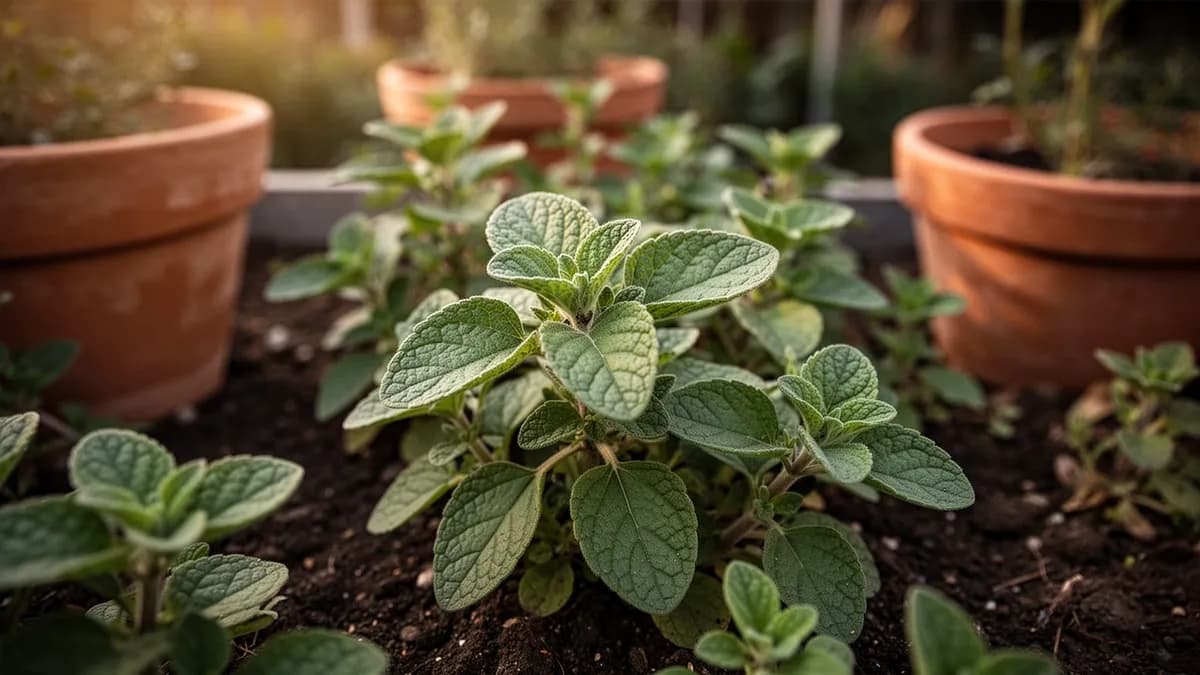
Not related to Mediterranean oregano, this New World shrub has a brighter, more citrusy flavor essential to authentic Mexican and Tex-Mex cuisine. Mexican oregano pairs better with cumin, chili peppers, and lime than its European counterpart. Grow in hot, dry conditions and bring containers indoors before frost in temperate climates.
When to plant Mexican Oregano
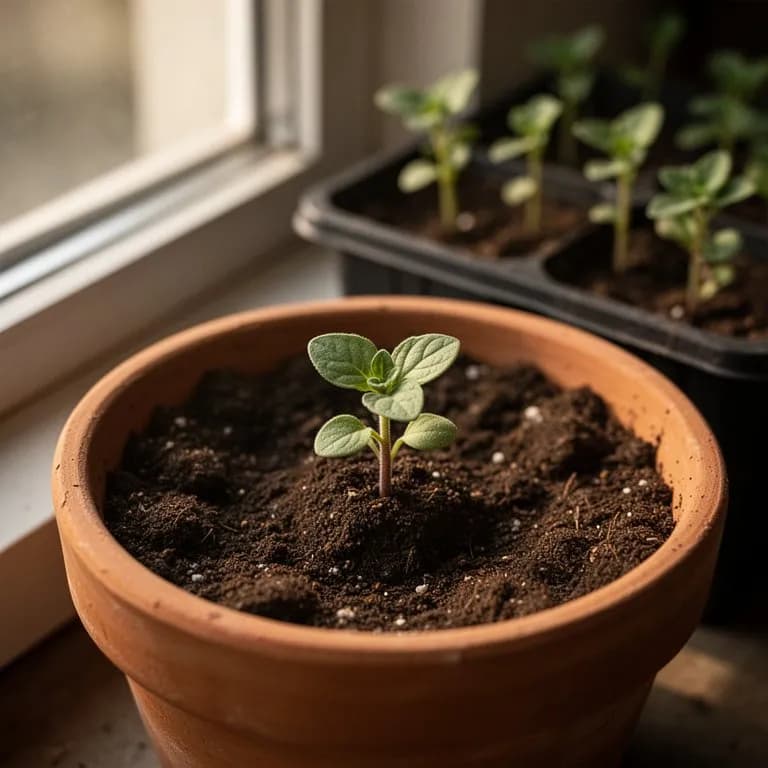
Mexican oregano can be started from seed, though it germinates slowly and erratically. Sow tiny seeds on the surface of moist seed-starting mix and press gently without covering, as seeds need light to germinate. Maintain temperatures of 70 to 75 degrees Fahrenheit and keep consistently moist. Germination takes 2 to 4 weeks. Seedlings grow slowly and should not be transplanted outdoors until well-established and night temperatures consistently exceed 50 degrees. Semi-hardwood cuttings taken in late summer root in 4 to 6 weeks and produce faster results than seed.
Your Mexican Oregano Year
Composed for Zone 7 · typical seasons · frost passes Apr 2, returns Nov 1
Plant Mexican Oregano Apr – May, pick May – Oct. Check the planting methods below and set your climate to personalize these windows.
How to grow Mexican Oregano
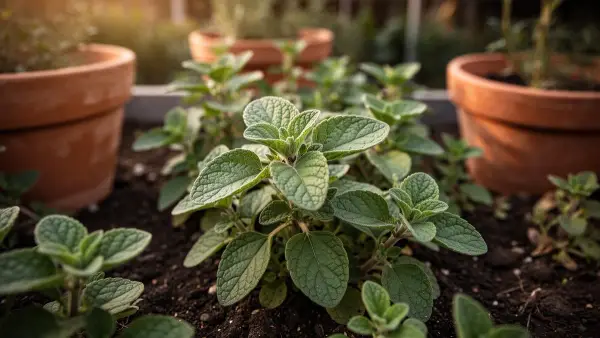
Mexican oregano is not a true oregano but a member of the verbena family, with a distinctly different flavor profile featuring bright citrus and licorice notes that pair perfectly with Latin American cuisines. In its native habitat from the southwestern US through Central America, it grows as a woody shrub reaching 3 to 5 feet tall. In temperate climates, grow in containers that can be moved indoors before frost.
Plant in full sun with well-drained, sandy or gravelly soil with a pH of 6.0 to 8.0. Mexican oregano thrives in hot, dry conditions and suffers in humid, wet environments. Space plants 18 to 24 inches apart in the ground or use one plant per 12-inch container. Water sparingly once established; this herb actually develops stronger flavor when somewhat drought-stressed.
Prune regularly to maintain bushy growth and prevent legginess. In spring, cut back the previous year's growth by one-third to encourage fresh branching. Harvest leaves throughout the growing season. The small white to pale yellow flowers attract pollinators and have a mild version of the same flavor as the leaves. Container plants should be brought indoors to a sunny window before night temperatures drop below 40 degrees Fahrenheit.
10 plants fit a 4 × 8 ft bed
Each Mexican Oregano wants 45 cm of elbow room. The planner keeps that spacing for you — every plant, every bed.
Mexican Oregano's best neighbours
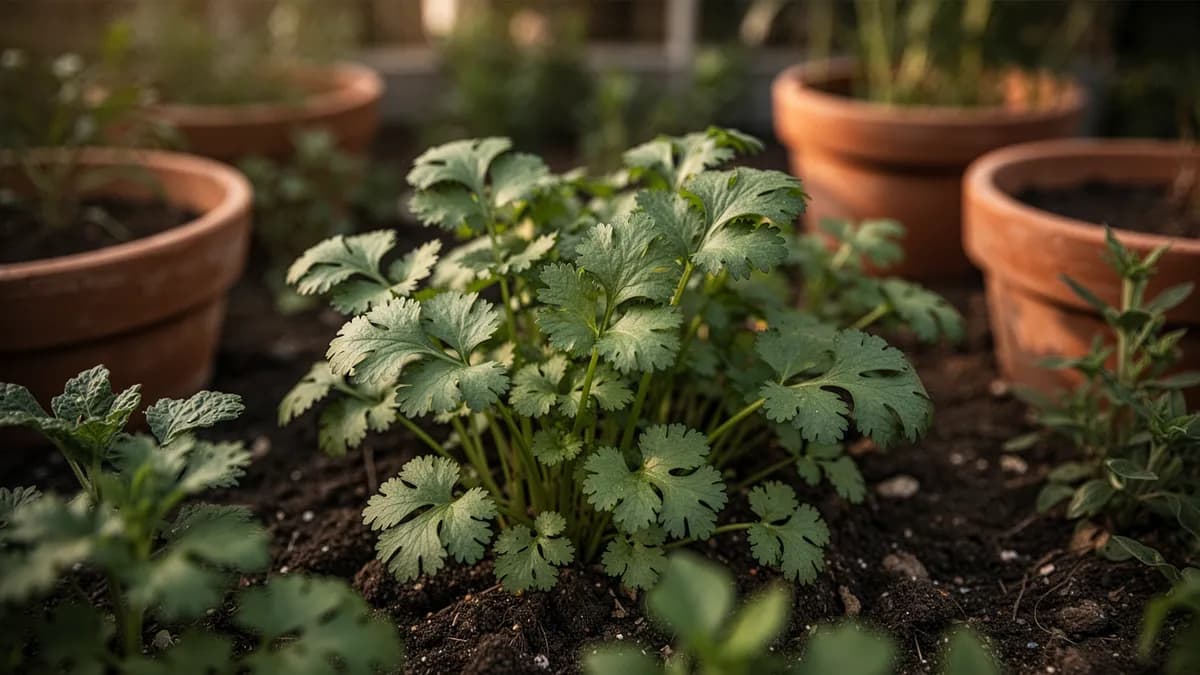
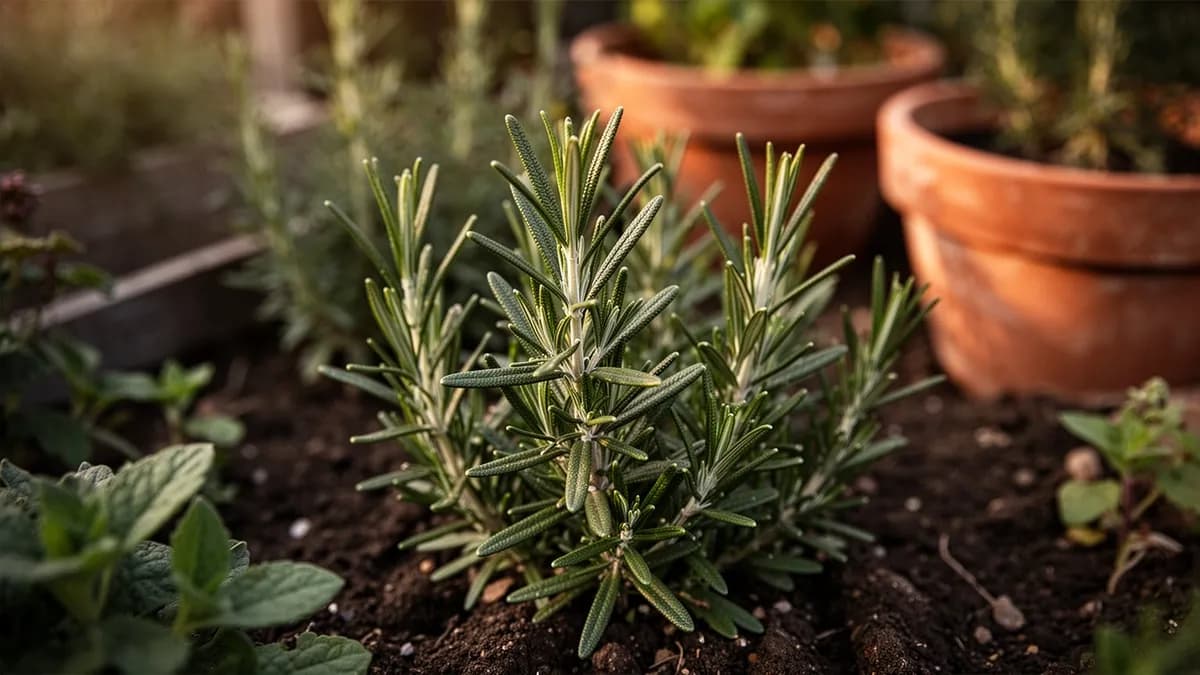
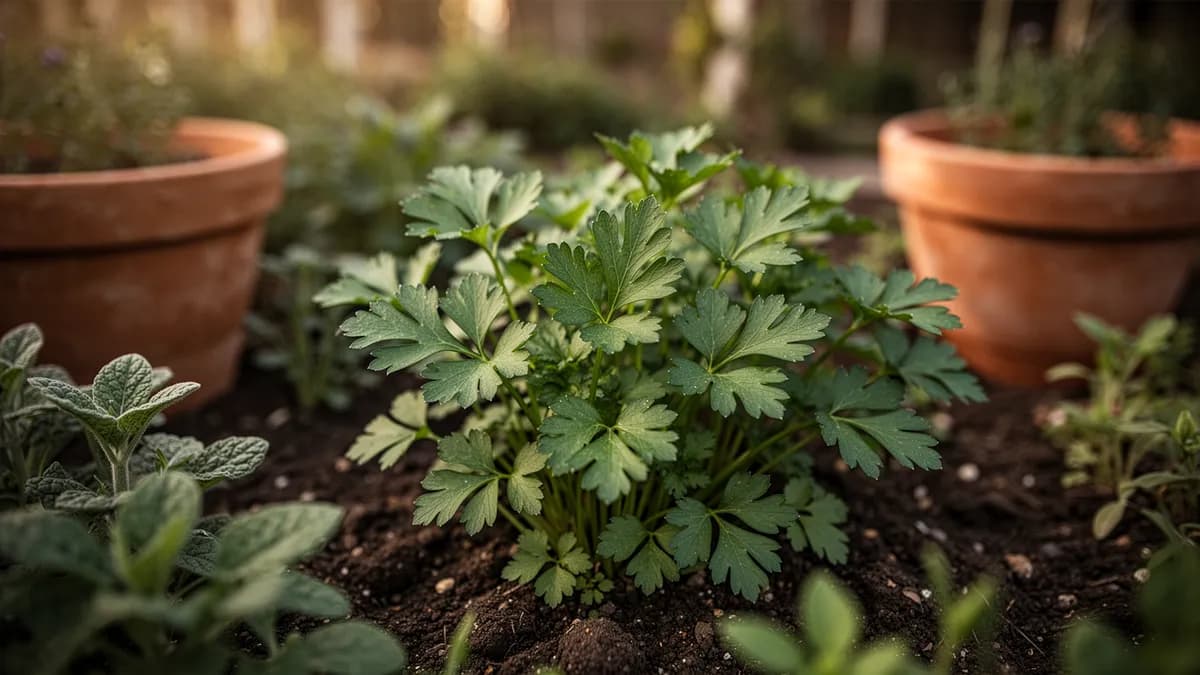
Mexican oregano pairs well with other drought-tolerant, sun-loving herbs including rosemary, thyme, and lavender. In a Southwestern-themed herb garden, grow alongside epazote, cilantro, and Mexican mint marigold. Keep away from moisture-loving herbs like mint, cilantro, and parsley that require very different growing conditions. The small flowers attract beneficial pollinators and predatory wasps to the garden.
Cilantro belongs beside it.
Old growers' knowledge, checked against Mexican Oregano's real companion table below — test any plant you're growing.
Try Mexican Oregano in a bed — right here
A real planner bed with Mexican Oregano already in it. Tap a companion to place it and watch the pairing checks answer — green for good neighbours, red for a clash.


Related growing guides
Feed it well
Mexican oregano demands well-drained, lean soil. Rich, moist soil produces lush growth with diluted flavor. Use sandy or gravelly soil amended with perlite for container culture. A pH of 6.0 to 8.0 is acceptable, and the plant tolerates slightly alkaline conditions. Fertilize sparingly, if at all; a light application of balanced fertilizer once in spring is sufficient. Excessive fertilization reduces the essential oil content that gives the herb its distinctive flavor. In containers, use a cactus or succulent potting mix for ideal drainage.
Ideal Temperature
Hardiness Zone Compatibility
From seed to harvest, stage by stage
Seed Germination
Tiny seeds are surface-sown or barely covered with a thin layer of fine vermiculite, as they require light to germinate. Under warm conditions of 21-27°C (70-80°F), the first delicate seedlings emerge in 7-14 days. Germination can be erratic, so sowing extra seeds ensures adequate plant numbers.
Seedling Development
Seedlings develop their first pairs of true leaves, which are small, oval, and slightly fuzzy to the touch. Growth is slow at this stage as the root system establishes. The stems begin to lignify at the base, hinting at the plant's woody, shrubby mature form. Seedlings are frost-sensitive and require protected conditions.
Vegetative Growth
The plant enters a phase of vigorous branching and leaf production. Stems become increasingly woody at the base while new green growth pushes outward and upward. Leaves grow larger and develop their characteristic velvety texture and intense aroma. The plant begins forming its bushy, rounded shrub shape.
Flowering
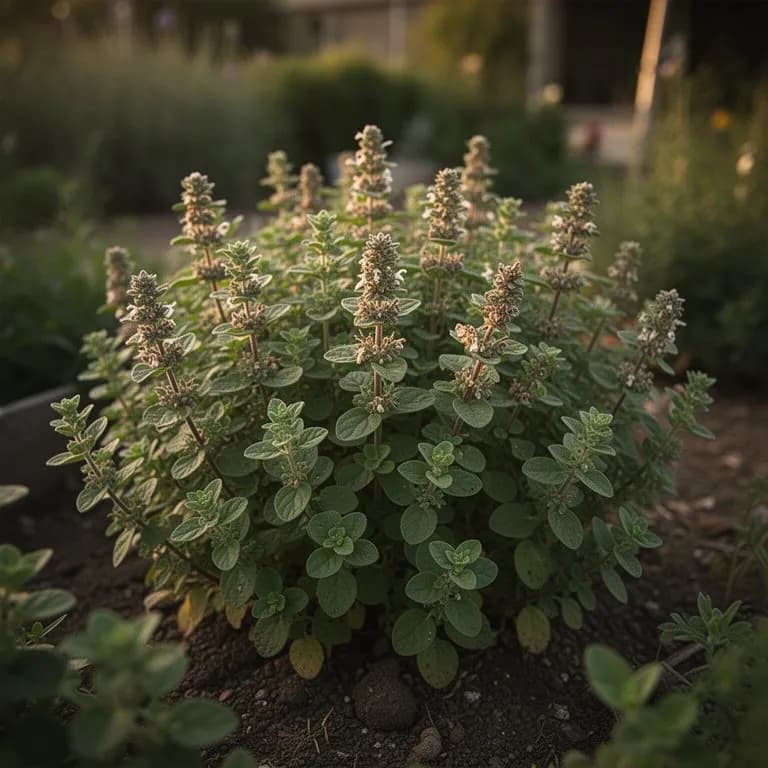
Small tubular flowers appear in clusters at the branch tips, ranging from white to pale yellow with delicate nectar guides. The flowers are highly attractive to bees, butterflies, and hummingbirds. Leaf flavor reaches peak intensity just before and during early flowering as essential oil concentrations are highest.
Mature Shrub
In frost-free zones, Mexican oregano matures into a semi-evergreen woody shrub 1-1.5 meters tall and wide. The lower stems become distinctly woody while upper growth remains herbaceous and leafy. The plant may go semi-dormant during cool winter months, dropping some leaves before flushing with new growth in spring.
Harvest and Drying
Leaves can be harvested continuously once the plant is well established and at least 15-20 cm tall. The best-quality dried oregano comes from stems cut just before or during early flowering, when the volatile oil content peaks. Stems are bundled and hung upside down in a warm, dry, well-ventilated area.
Press seeds gently onto the surface of moist, well-drained seed-starting mix. Do not bury them deeply — they need light exposure for germination. Use a misting bottle to keep the surface consistently moist without dislodging the tiny seeds. Cover trays with clear plastic to maintain humidity until sprouts appear.
Caring for Mexican Oregano month by month
What to do each month for your Mexican Oregano
October
You are hereIn zones 8 and below, move container plants indoors to a bright windowsill or under grow lights. Apply a thick gravel or bark mulch around the base of in-ground plants in zone 9 to protect roots from cold snaps. Reduce watering as growth slows.
Know exactly what to do in your garden — every month
One email at the start of each month: what to sow, plant, and tackle right now — for your Mexican Oregano and everything growing around it. Plus a short starter course that helps you dodge the classic mistakes.
- What to do, right now
- Matched to your season
- Starter course included
Harvesting Mexican Oregano
Harvest Mexican oregano leaves throughout the growing season by pinching stem tips or cutting individual branches. The flavor is most intense just before flowering, so time major harvests accordingly. Cut stems 4 to 6 inches long and strip the leaves for fresh use or drying. For the strongest dried flavor, harvest on a dry morning after the dew has evaporated. Both flowers and leaves are usable in cooking, with flowers having a milder flavor.
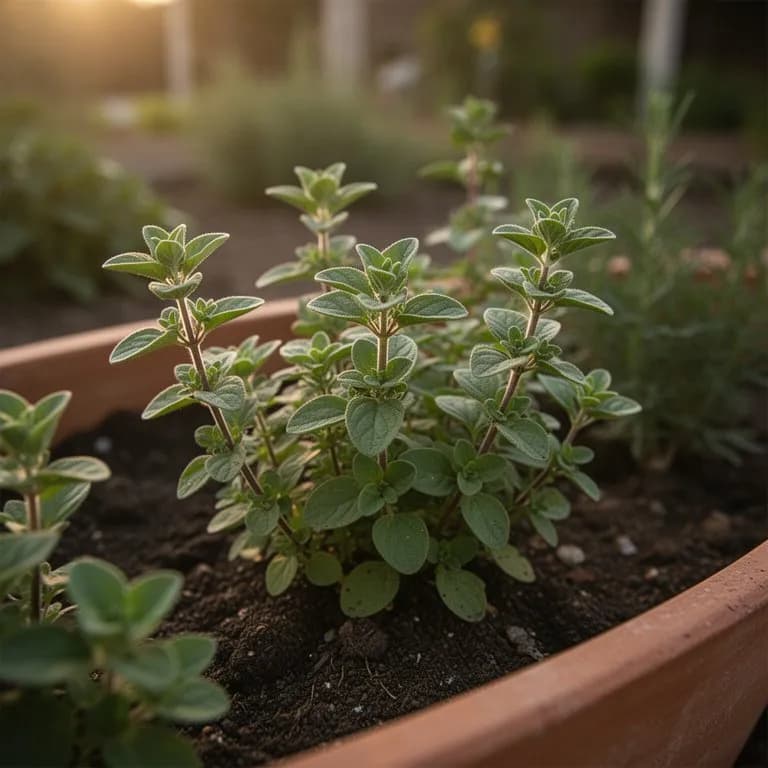
assuming you plant when the window opens — set your real date
Pick Mexican Oregano promptly and the plant keeps producing.
Storage & Preservation
Fresh Mexican oregano leaves store in the refrigerator for 5 to 7 days wrapped in slightly damp paper towels inside a sealed bag. For drying, hang small bundles upside down in a warm, dark, well-ventilated area for 1 to 2 weeks. Alternatively, spread leaves on screens or dehydrate at 95 degrees Fahrenheit. Store dried leaves in airtight glass jars away from light and heat, where they retain excellent flavor for up to 2 years. Dried Mexican oregano is actually more common and preferred in traditional cooking than the fresh form.
What goes wrong — and the fix
Root Rot
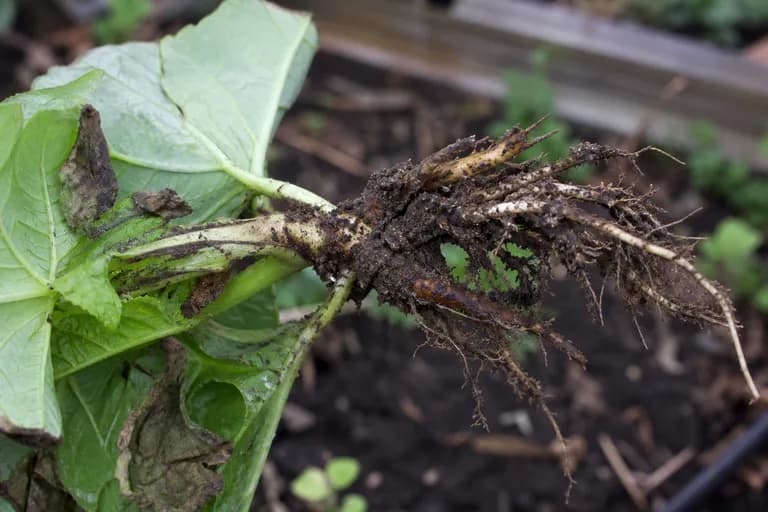
DiseaseYellowing leaves, wilting, and mushy brown roots. Usually fatal in waterlogged conditions. Most common in containers with poor drainage or during wet winters.
Whiteflies
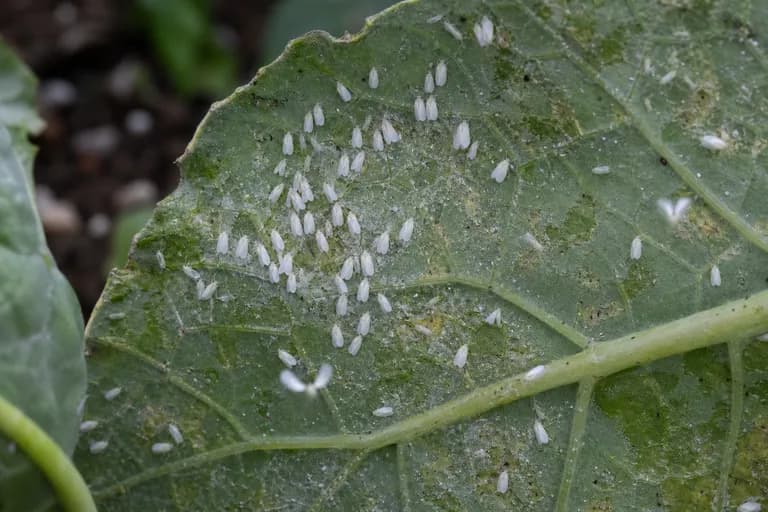
PestTiny white flying insects on leaf undersides that scatter when disturbed. Leaves become stippled, yellow, and may develop sticky honeydew and sooty mold.
Troubleshooting Common Problems
Overwatering is the most common cause of Mexican oregano failure. This desert-adapted herb rots quickly in wet, heavy soil. Cold sensitivity limits outdoor cultivation to zones 9 through 12; in colder areas, container culture with winter protection is essential. Indoor plants often become leggy from insufficient light; provide the sunniest window possible or supplement with grow lights. Root-bound container plants may decline; repot annually in spring. The plant loses many leaves in winter even indoors, which is normal dormancy behavior.
Growing Tips
- Choose the sunniest, hottest spot in your garden — Mexican oregano evolved in desert conditions and performs best with 8 or more hours of direct sunlight daily. A south-facing wall that radiates heat is ideal, mimicking the rocky hillsides of its native habitat.
- Ensure excellent drainage above all else. Mexican oregano will tolerate poor, sandy, or rocky soil but will quickly die in waterlogged conditions. Amend heavy clay soil with coarse sand, perlite, or gravel to improve drainage, or plant in raised beds filled with gritty, fast-draining mix.
- Water deeply but infrequently once the plant is established. Allow the soil to dry out completely between waterings. Overwatering is the most common cause of failure with this drought-adapted species — when in doubt, do not water.
- In zones below 9, grow Mexican oregano in large containers (at least 30 cm / 12 inches in diameter) so you can move the plant indoors before the first frost. Use a terracotta pot with drainage holes and a gritty, cactus-type potting mix.
- Pinch growing tips regularly during the active growing season to encourage dense, bushy growth. Without pinching, plants tend to become leggy and open. Each pinching also provides a small harvest of fresh leaves for the kitchen.
- Do not over-fertilize — excess nutrients, especially nitrogen, produce lush foliage with reduced essential oil content and weaker flavor. A light feeding with balanced fertilizer once or twice during the growing season is sufficient. In poor soil, a top-dressing of compost in spring provides all the nutrition needed.
- Propagate new plants from semi-hardwood stem cuttings taken in late summer. Cut 10-15 cm stems, strip the lower leaves, dip in rooting hormone, and place in moist perlite under a humidity dome. Roots typically form in 3-5 weeks. This method produces plants faster and more reliably than growing from seed.
- Harvest stems for drying in the morning after the dew has evaporated, when essential oil concentrations are highest. The best-quality dried oregano comes from stems cut just as flower buds begin to form but before they fully open.
- Prune established plants hard — by up to one-third — in late winter or early spring to rejuvenate growth and prevent the plant from becoming too woody and unproductive. Mexican oregano responds well to aggressive pruning and will flush with vigorous new aromatic growth.
- Watch for whiteflies and spider mites, which are the most common pests on Mexican oregano, especially on indoor or greenhouse plants. Spray with a strong jet of water to dislodge pests, or use insecticidal soap or neem oil for persistent infestations. Good air circulation helps prevent problems.
Grow your best Mexican Oregano yet — and everything around it.
Start a free plan today. Lay out your beds, drop in your Mexican Oregano, and let PlotMyGarden handle the timing, spacing, companions and reminders from seed to harvest basket.
Pick your Mexican Oregano
Lippia graveolens (Common Mexican Oregano)
The standard species with strong citrus-oregano flavor. Woody shrub habit. Most commonly available at Latin American markets. The benchmark variety for authentic Mexican cooking.
Poliomintha longiflora (Mexican Oregano)
A different species also sold as Mexican oregano with showier purple tubular flowers. Slightly sweeter flavor with more floral notes. Excellent ornamental value alongside culinary use.
Dried Mexican oregano sells for $6-15 per ounce at specialty spice shops and Latin American markets, making it significantly more expensive than common Mediterranean oregano. A single well-maintained plant produces enough fresh and dried leaves to supply an active kitchen for an entire year, easily yielding 200-400g of dried herb — worth $35-90 at retail prices. Since the plant is perennial in zones 9-12 and can live for many years, one $4-6 plant or packet of seeds provides a decade or more of harvests. Container-grown plants in cooler zones also produce generous harvests throughout the warm months.
Quick recipes
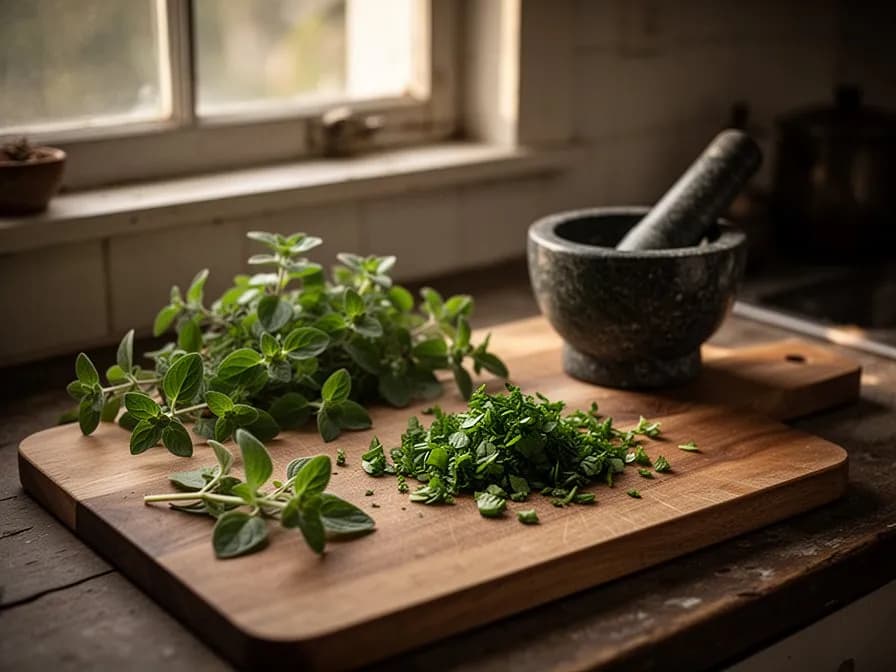
Authentic Tex-Mex Chili Seasoning Blend
5 minA robust homemade chili powder blend built on the bold citrusy backbone of Mexican oregano. This all-purpose seasoning mix brings authentic depth to chili con carne, tacos, enchiladas, and any Southwestern-inspired dish. Make a large batch and store in an airtight jar for months of flavor.
8 ingredientsMexican Oregano Herbal Tea (Té de Orégano)
10 minA soothing traditional herbal tea used across Mexico and Central America for centuries to calm upset stomachs, ease coughs, and promote relaxation. The warm, slightly peppery infusion has a mellow, herbaceous flavor with subtle citrus notes that can be softened with honey and a squeeze of fresh lime.
5 ingredientsPozole Verde Seasoning Paste
15 minA vibrant green seasoning paste featuring Mexican oregano, tomatillos, and roasted chilis that forms the aromatic foundation of pozole verde — Mexico's beloved hominy and pork stew. The paste can also be used as a marinade for grilled chicken or stirred into soups and rice dishes.
8 ingredientsCulinary Uses
Mexican oregano is essential in authentic Mexican and Tex-Mex cooking, where it brings a brighter, more citrusy flavor than Mediterranean oregano. Use in chili con carne, salsa, mole sauces, enchilada sauce, pozole, and black bean dishes. It pairs beautifully with cumin, chili peppers, lime, and garlic. Sprinkle dried leaves over refried beans, quesadillas, and tacos. The herb also features in Caribbean jerk seasonings and Central American pipian sauces. Substitute at a 1:1 ratio for Mediterranean oregano in Latin recipes.
What's inside
Health Benefits
- Contains high concentrations of carvacrol, a phenolic compound with potent antimicrobial properties that studies have shown to be effective against common foodborne pathogens including Salmonella, E. coli, and Listeria — supporting its traditional use as a food preservative.
- Rich in thymol and rosmarinic acid, powerful antioxidant compounds that help neutralize free radicals and reduce oxidative stress — Mexican oregano essential oil has shown higher antioxidant activity than Mediterranean oregano in several comparative studies.
- Traditionally used across Mexico and Central America as a digestive aid, brewed as a tea to relieve bloating, indigestion, nausea, and intestinal cramps — modern research supports its antispasmodic effects on smooth muscle tissue.
- Contains anti-inflammatory compounds that may help reduce inflammation markers in the body, with preliminary research suggesting potential benefits for conditions involving chronic low-grade inflammation.
- Used in traditional folk medicine as an expectorant and respiratory aid for coughs, bronchitis, and congestion — the volatile oils carvacrol and thymol help thin mucus secretions and open airways when inhaled as steam or consumed as tea.
- Emerging research indicates that Mexican oregano extracts may have mild hypoglycemic effects, potentially helping to regulate blood sugar levels after meals — though more clinical studies are needed to confirm this benefit in humans.
Where Mexican Oregano comes from
Mexican oregano (Lippia graveolens) is native to the arid and semi-arid regions of Mexico, Guatemala, and the southwestern United States. Unlike its culinary namesake Mediterranean oregano (Origanum vulgare), Mexican oregano belongs to the verbena family (Verbenaceae) and evolved its aromatic, oregano-like flavor entirely independently — a remarkable example of convergent evolution driven by similar ecological pressures in hot, dry environments.
Indigenous peoples of Mesoamerica were using Lippia graveolens long before European contact. The Aztecs and other pre-Columbian civilizations valued the herb both as a culinary spice and as a medicinal plant. They incorporated it into sauces, stews, and ceremonial foods, and used it medicinally to treat respiratory infections, stomach ailments, and fevers. When Spanish conquistadors arrived in the 16th century, they recognized the herb's similarity to European oregano and adopted the name, though the two plants share no botanical kinship.
Throughout the colonial period and into the modern era, Mexican oregano remained an essential ingredient in the developing cuisine of Mexico. It became inseparable from dishes like chili con carne, pozole, enchilada sauces, and the complex mole sauces of Oaxaca and Puebla. As Tex-Mex cuisine spread across the United States in the 20th century, demand for authentic Mexican oregano grew beyond its traditional range. Today, the Chihuahuan Desert region of northern Mexico remains the primary source of commercially traded Mexican oregano, where rural communities continue the centuries-old practice of wild-harvesting the herb from native shrublands.
In recent decades, Mexican oregano has attracted scientific attention for its essential oil composition, particularly its high concentrations of carvacrol and thymol — compounds with demonstrated antimicrobial, antifungal, and antioxidant properties. This research has spurred growing interest in cultivating the plant both for culinary use and for potential applications in natural food preservation. Home gardeners in warm climates are increasingly discovering Mexican oregano as a beautiful, fragrant, drought-tolerant landscape shrub that provides year-round harvests of one of the most distinctive herbs in the Americas.
Mexican Oregano: did you know?
Fascinating facts about Mexican Oregano
Despite sharing the name 'oregano,' Mexican oregano (Lippia graveolens) is not related to Mediterranean oregano (Origanum vulgare) at all — it belongs to the verbena family (Verbenaceae), while true oregano is in the mint family (Lamiaceae). They developed similar flavors through convergent evolution.
Mexican Oregano questions, answered
When should I plant Mexican Oregano?
What are good companion plants for Mexican Oregano?
What hardiness zones can Mexican Oregano grow in?
How much sun does Mexican Oregano need?
How far apart should I space Mexican Oregano?
What pests and diseases affect Mexican Oregano?
How do I store Mexican Oregano after harvest?
What are the best Mexican Oregano varieties to grow?
What soil does Mexican Oregano need?
Is Mexican oregano the same as regular oregano?
Can I grow Mexican oregano in a cold climate?
How do I dry and store Mexican oregano?
What dishes should I use Mexican oregano in?
Why does my Mexican oregano have weak flavor?
How long does a Mexican oregano plant live?
You just read the theory. Now grow it on autopilot.
Everything that makes Mexican Oregano fiddly — the timing, the spacing, the companions, the harvest window — is exactly what PlotMyGarden handles for you, for every plant in your garden.
A plan that knows your weather
Set your location once. Get sow, feed and harvest dates built around your real last-frost date and live forecast — no more guessing from a generic seed packet.
From the “When to plant” sectionDrag-and-drop bed planner
Design beds on a grid. Every plant snaps to its proper spacing, and you can see your whole season laid out before you spend a cent on seed.
From the “Growing guide” sectionCompanion conflicts, caught early
200+ good-and-bad pairings checked live as you plant — so a season-wrecking mistake never makes it into the ground.
From the “Companions” sectionReminders you'll actually act on
“Water the beans.” “Pick today before it turns.” Timely, specific, and tied to the plants you're really growing.
From the “Harvest” sectionSuccession, scheduled
Want a harvest for six weeks, not six days? It spaces your sowings automatically and reminds you when each new block is due.
From the “When to plant” sectionA record that gets smarter
Every harvest you log teaches it your garden. Next year's plan starts from what actually worked in your soil, not a textbook's.
From the “Overview” sectionPlant these alongside Mexican Oregano
More Culinary Herbs
Grow your best Mexican Oregano yet — and everything around it.
Start a free plan today. Lay out your beds, drop in your Mexican Oregano, and let PlotMyGarden handle the timing, spacing, companions and reminders from seed to harvest basket.