Meiwa-Kumquat
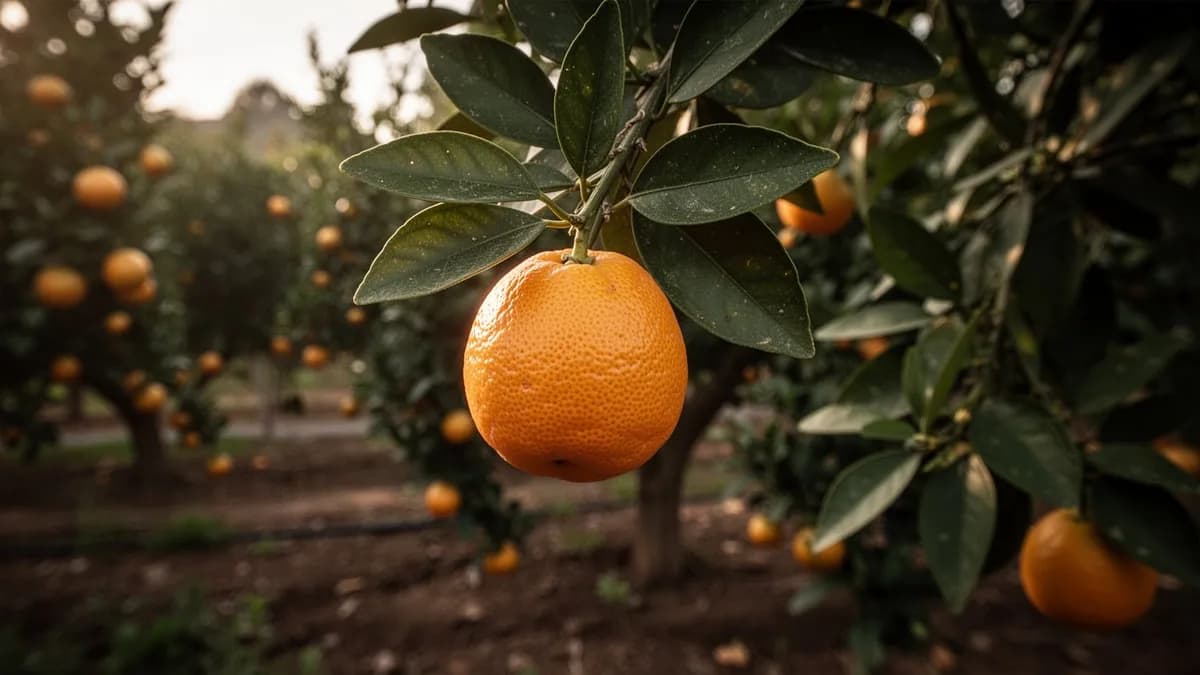
Gilt als die süßeste Kumquat-Sorte und bringt runde Früchte mit dicker, zuckriger Schale und mildem, nahezu kernlosem Fruchtfleisch hervor, die im Ganzen gegessen werden.





Auf dieser SeiteÜberblick
Meiwa-Kumquat im Überblick
Gilt als die süßeste Kumquat-Sorte und bringt runde Früchte mit dicker, zuckriger Schale und mildem, nahezu kernlosem Fruchtfleisch hervor, die im Ganzen gegessen werden. Meiwa-Kumquats sind kompakte, dekorative Bäume, die sich ideal für die Kübelkultur und Terrassengärten eignen. Sie gehören zu den frosthärtesten Zitrusgewächsen und vertragen kurzzeitige Temperaturen bis etwa minus vier Grad Celsius.
Wann Meiwa-Kumquat pflanzen
Meiwa-Kumquats können aus Samen gezogen werden, und Sämlinge bringen oft sortenechte Früchte hervor. Frische Samen sofort aussäen, da Kumquat-Samen schnell ihre Keimfähigkeit verlieren. Einen Zentimeter tief in warme, feuchte Anzuchterde bei 25 bis 28 Grad Celsius säen. Die Keimung dauert zwei bis vier Wochen. Sämlinge wachsen langsam und können vier bis sechs Jahre bis zur ersten Frucht benötigen. Für eine schnellere Produktion veredelte Bäume kaufen oder durch Halbholzstecklinge im Spätsommer mit Bewurzelungshormon und Bodenwärme vermehren.
Dein Meiwa-Kumquat-Jahr
Abgestimmt auf Zone 7 · typische Saison · Frost geht um den 2. Apr. und kehrt um den 1. Nov. zurück
Meiwa-Kumquat Mär – Mai pflanzen, Jan – Mär, Dez ernten. Beachte die Pflanzmethoden unten und wähle dein Klima für passende Zeiträume.
So baust du Meiwa-Kumquat an
Die Meiwa-Kumquat ist ein kompakter, langsam wachsender immergrüner Baum, der eineinhalb bis drei Meter hoch wird und damit eine der besten Zitrusarten für die Kübelkultur und kleine Gärten ist. Sie bevorzugt volle Sonne und verträgt ein breiteres Temperaturspektrum als die meisten Zitrusgewächse, wobei sie im Ruhezustand kurzzeitige Temperaturen bis etwa minus 5 Grad Celsius übersteht. Pflanzen Sie den Baum an einem gut durchlässigen, sonnigen und geschützten Standort.
Für die Kübelkultur verwenden Sie einen Topf mit mindestens 40 Zentimetern Durchmesser und hervorragender Drainage. Ein hochwertiges Zitrus-Substrat mit Perlit-Beimischung eignet sich gut. Gießen Sie während der Wachstumsperiode regelmäßig und lassen Sie die oberste Erdschicht zwischen den Wassergaben abtrocknen. Im Winter weniger gießen, aber eine gewisse Feuchtigkeit beibehalten. Die Meiwa-Kumquat tritt im Winter in eine Ruhephase ein, die ihre Frosthärte tatsächlich verbessert.
Düngen Sie während der Wachstumsperiode alle vier bis sechs Wochen mit einem ausgewogenen Zitrusdünger. Der Baum hat eine dichte, abgerundete Krone, die nur minimalen Schnitt erfordert – lediglich totes Holz entfernen und die Form erhalten. Die Meiwa-Kumquat ist selbstfruchtbar und benötigt keinen Bestäuber, obwohl Bienen, die die duftenden Frühlingsblüten besuchen, den Fruchtansatz verbessern. Der Baum ist ganzjährig dekorativ mit glänzend dunkelgrünen Blättern, weißen Blüten und leuchtend orangen Winterfrüchten.
Für Meiwa-Kumquat ist ein Beet von 120 × 240 cm zu klein
Meiwa-Kumquat braucht 150 cm Platz pro Pflanze. Der Planer hält diesen Abstand für dich ein — jede Pflanze, jedes Beet.
Die besten Nachbarn für Meiwa-Kumquat
Die Meiwa-Kumquat eignet sich gut in gemischten Kübelgruppen mit anderen kleinen Zitrusgewächsen wie Calamondin und Limequat. Im Gartenbereich zusammen mit niedrig wachsenden Kräutern wie Thymian, Oregano und Kamille pflanzen, die ähnliche Bedingungen vertragen. In der Nähe gepflanzte Tagetes und Kapuzinerkresse helfen, Blattläuse und Weiße Fliegen fernzuhalten. Die kompakte Größe macht sie geeignet für essbare Heckenpflanzungen mit anderen Fruchtgehölzen wie Heidelbeeren und Zwerg-Granatäpfeln. Nicht in der Nähe großer, schattenspendender Bäume pflanzen.
Kumquat gehört daneben.
Altes Gärtnerwissen, geprüft an der echten Nachbartabelle von Meiwa-Kumquat — teste jede Pflanze, die du anbaust.
Probiere Meiwa-Kumquat direkt hier im Beet
Ein echtes Planer-Beet, Meiwa-Kumquat steht schon drin. Tippe einen Begleiter an, platziere ihn und sieh, wie die Nachbarschaftsprüfung antwortet — grün für gute Nachbarn, rot bei Streit.


Passende Anbau-Ratgeber
Richtig düngen
Die Meiwa-Kumquat gedeiht am besten in gut durchlässiger, leicht saurer Erde mit einem pH-Wert von 5,5 bis 6,5. Für die Kübelkultur ein hochwertiges Zitrus-Substrat mit zusätzlichem Perlit für die Drainage verwenden. Von Frühjahr bis Frühherbst alle vier bis sechs Wochen mit einem ausgewogenen Zitrusdünger düngen. Bei Aufhellung zwischen den Blattadern chelatiertes Eisen ergänzen. Ein- bis zweimal jährlich Bittersalz für die Magnesiumversorgung ausbringen. Mit kompostierter Kiefernrinde mulchen, um Bodensäure und Feuchtigkeit zu erhalten. Düngung im Winter während der Ruhephase reduzieren.
Ideale Temperatur
Winterhärtezone-Kompatibilität
Von der Saat zur Ernte, Schritt für Schritt
Etablierung und Wurzelentwicklung
Nach dem Pflanzen richtet die Meiwa-Kumquat den Großteil ihrer Energie unter die Erde und baut das Wurzelsystem auf, das jahrzehntelange Fruchtproduktion tragen wird. Sichtbares oberirdisches Wachstum ist in dieser Phase minimal, was völlig normal ist und nicht mit schlechtem Gesundheitszustand verwechselt werden sollte. Der Baum ist damit beschäftigt, feine Feinwurzeln auszubilden und sich mit nützlichen Mykorrhizapilzen im Boden zu verbinden. Ausreichendes Gießen ohne Staunässe ist entscheidend, da Kumquats in dieser frühen Phase sowohl auf Trockenstress als auch auf Wurzelerstickung empfindlich reagieren.
Vegetatives Wachstum und Kronenaufbau
Der Baum leitet nun seine Energie in die Bildung des dichten, glänzenden Laubes, das Meiwa-Kumquats auch außerhalb der Fruchtzeit als Zierbäume auszeichnet. Mehrere Triebschübe neuen Wachstums entstehen im Frühjahr und Frühsommer, wobei junge Blätter zunächst hellgrün-limettenfarbig erscheinen, bevor sie zu einem tiefen, wachsartigen Dunkelgrün aushärten. Der Baum entwickelt in dieser Phase seinen charakteristisch kompakten, abgerundeten Habitus. Leichter Rückschnitt kann zur Kronenformung eingesetzt werden und fördert eine buschige Struktur mit mehreren Verzweigungspunkten, die schließlich Früchte tragen werden.
Erste Blüte
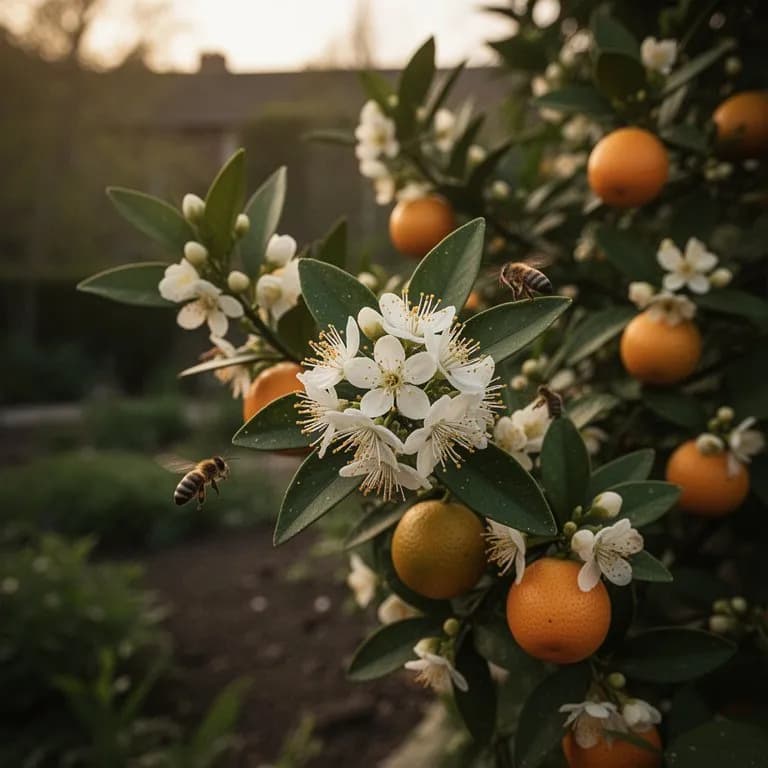
Meiwa-Kumquats bringen in der Regel im zweiten oder dritten Jahr ihren ersten Blütenflor hervor, der im späten Frühjahr von Ende Mai bis Juni auf der Nordhalbkugel erscheint. Die kleinen, wachsartigen, weißen, fünfblättrigen Blüten erscheinen in Büscheln an Blattachseln und verströmen einen außergewöhnlich intensiven süßen Duft, der eine ganze Terrasse oder einen Raum parfümieren kann. Kumquats sind weitgehend selbstfruchtbar, sodass ein einzelner Baum auch ohne Bestäuberpartner Früchte ansetzt, obwohl nahestehende Bäume oder sogar das Übertragen von Pollen zwischen Blüten mit einem weichen Pinsel den Fruchtansatz verbessern.
Fruchtentwicklung und Größenzunahme
Nach erfolgreicher Bestäubung bilden sich winzige grüne Fruchtansätze an der Basis jeder verblühten Blüte und beginnen eine langsame, stetige Wachstumskurve. Meiwa-Kumquats entwickeln sich langsamer als die meisten anderen Zitrusfrüchte und benötigen 4–6 Monate vom Fruchtansatz bis zur vollen Reife. Die Fruchtansätze durchlaufen mehrere Stadien: winzige grüne Kügelchen, größere grüne Oliven, dann allmähliches Abrunden und Verdicken der Schale, wenn sie sich der Reife nähern. Eine der attraktivsten Eigenschaften der Meiwa-Kumquat ist, dass sie reife Früchte mehrere Monate am Baum halten kann, ohne dass diese wesentlich abfallen oder sich verschlechtern, was das Erntefenster verlängert.
Reifung und Ernte
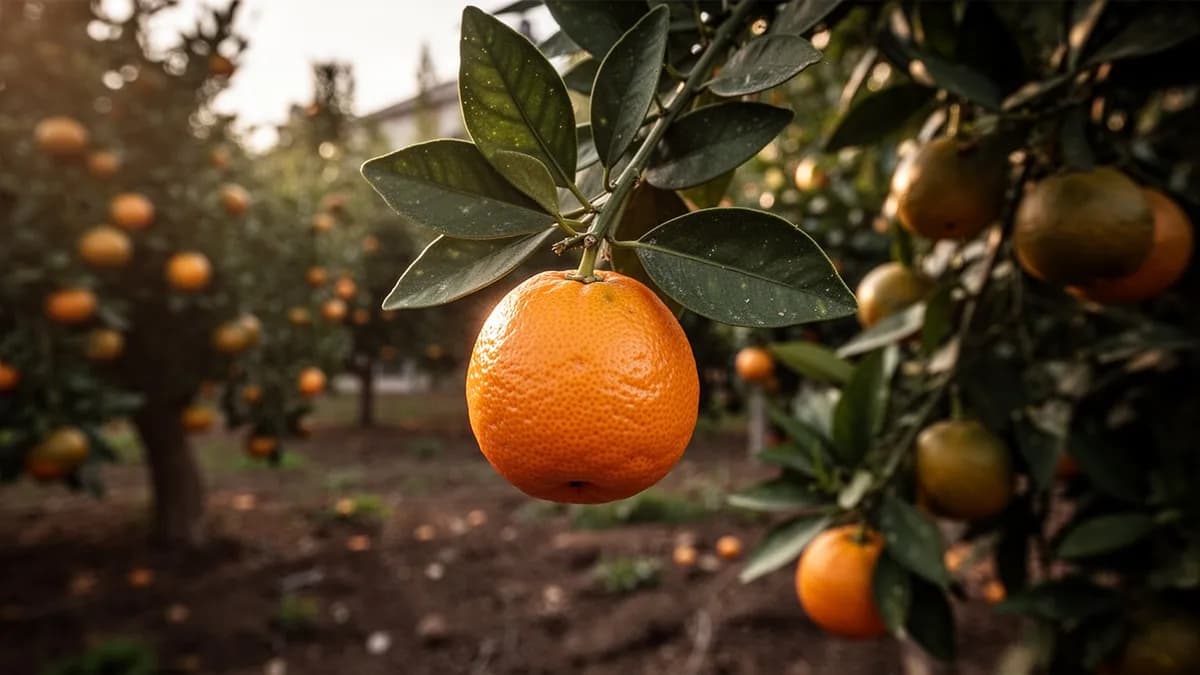
Meiwa-Kumquats reifen von Grün über Gelborange zu einem tiefen, glänzenden Goldorange, das volle Reife signalisiert – auf der Nordhalbkugel typischerweise von November bis März. Die reifende Schale entwickelt ihre charakteristisch dicke, süße Außenschicht, während das Innere mild-säuerlich bleibt – ein Geschmackskontrast, der in der Zitrusfamilie einzigartig ist. Früchte, die vollständig orange sind und bei sanftem Druck ganz leicht nachgeben, befinden sich auf dem Höhepunkt der Süße. Die lange Haltbarkeit am Baum bedeutet, dass Sie über Wochen hinweg progressiv ernten können, wobei Sie jedes Mal nur die reifsten Früchte auswählen.
Ruhephase nach der Ernte und Erholung
Nach Abschluss der Erntesaison tritt die Meiwa-Kumquat in eine kurze Ruhephase ein, in der sich der Baum von den für die Fruchtbildung aufgewendeten Ressourcen erholt und sich auf den nächsten Zyklus vorbereitet. Die Wachstumsaktivität verlangsamt sich und der Baum kann vorübergehend weniger vital wirken. Dies ist das optimale Zeitfenster für Formschnitt, Umtopfen von Kübelexemplaren und die Auffrischung der Bodennährstoffe in Vorbereitung auf den nächsten Frühjahrsaustrieb. Wird die Pflege nach der Ernte vernachlässigt, führt dies oft zu verminderter Vitalität und einem geringeren nachfolgenden Fruchtertrag.
Frisch gepflanzte Bäume in den ersten 4–6 Wochen alle 2–3 Tage gießen, dann auf ein- bis zweimal wöchentlich reduzieren, wenn sich die Wurzeln etabliert haben. Eine 7 cm dicke Mulchschicht um die Basis legen, wobei 10 cm rund um den Stamm frei bleiben. In den ersten 8 Wochen nicht düngen, um Wurzelverbrennungen am sich entwickelnden System zu vermeiden.
Meiwa-Kumquat Monat für Monat pflegen
Was du jeden Monat für deine Meiwa-Kumquat tun solltest
Oktober
Aktueller MonatWenn die Nächte kühler werden, zeigen sich an den am stärksten exponierten Früchten die ersten Farbwechsel von Grün zu Orange. Weiter gießen, aber die Häufigkeit mit sinkenden Temperaturen leicht reduzieren. Die letzte Herbstdüngung der Saison mit einer stickstoffarmen, kaliumreichen Formel ausbringen, um das Wachstum abzuhärten und die Reifung zu unterstützen. Kübelbäume an eine geschützte Südwand stellen oder in ein frostfreies Gewächshaus bringen, wenn Frost vorhergesagt wird.
Immer wissen, was jetzt im Garten zu tun ist
Eine E-Mail zum Monatsanfang: was du jetzt säen, pflanzen und anpacken solltest — für deine Meiwa-Kumquat und alles, was drumherum wächst. Dazu ein kurzer Startkurs, der dich vor den klassischen Fehlern bewahrt.
- Was jetzt zu tun ist
- Passend zu deiner Saison
- Startkurs inklusive
Meiwa-Kumquat ernten
Meiwa-Kumquats sind von Dezember bis März erntereif, wenn die Frucht vollständig tiefgoldorange gefärbt ist und sich bei sanftem Drücken leicht nachgibt. Die Frucht ist dafür gedacht, im Ganzen mit Schale gegessen zu werden – ernten Sie daher, wenn die Schale am süßesten ist, indem Sie eine Probefrucht kosten. Schneiden oder drehen Sie die Frucht vorsichtig vom Stiel ab. Wenn die Früchte einige Wochen nach der vollen Färbung am Baum verbleiben, nimmt die Süße oft noch zu. Ein reifer Kübelbaum kann pro Saison mehrere Dutzend bis über hundert Früchte hervorbringen.
angenommen, du pflanzt zu Beginn des Zeitraums — trage dein tatsächliches Datum ein
Ernte Meiwa-Kumquat zügig, dann trägt die Pflanze weiter.
Lagerung & Konservierung
Frische Meiwa-Kumquats halten bei Raumtemperatur ein bis zwei Wochen und im Kühlschrank bis zu einem Monat. Die dicke Schale schützt das Fruchtfleisch während der Lagerung. Zur längeren Haltbarmachung können Kumquats im Ganzen kandiert werden, indem sie in Zuckersirup geköchelt werden – so entsteht eine köstliche Süßigkeit, die monatelang haltbar ist. Aus ihnen lässt sich auch hervorragende Marmelade, Konfitüre und Kumquat-Likör herstellen. Ganze Früchte können eingefroren und später zum Kochen und für Cocktails verwendet werden. Meiwa-Kumquats lassen sich auch in Salz einlegen, ähnlich wie eingelegte Zitronen, für herzhafte Anwendungen.
Was schiefgeht — und die Lösung
Zitrus-Schmierlaus
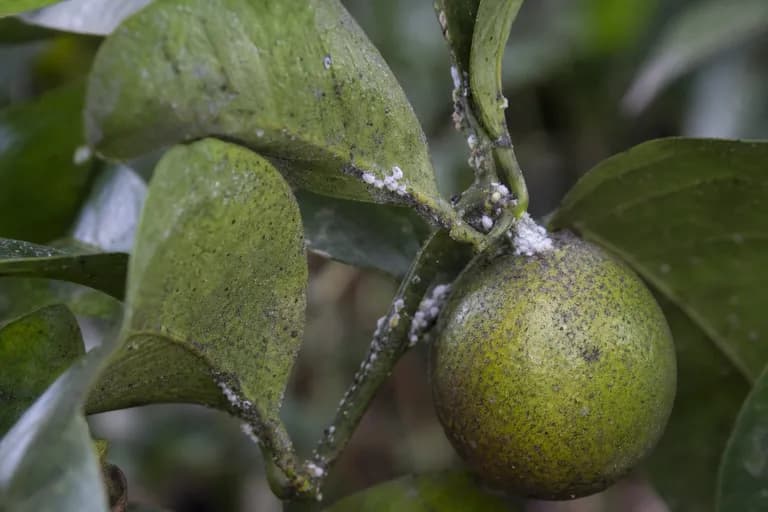
SchädlingWeiße, watteartige Ansammlungen an Blattachseln und Fruchtstielen; klebriger Honigtau; Rußtau auf Blattoberflächen.
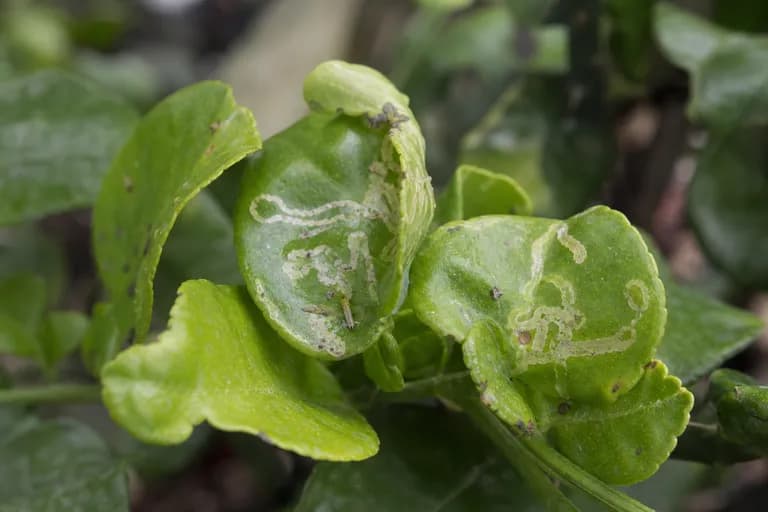
Zitrus-Minierfliege
SchädlingSchlangenförmige, silbrige Fraßgänge in jungen Blättern; verformte, eingerollte Neutriebe, die die allgemeine Pflanzenvitalität beeinträchtigen können.
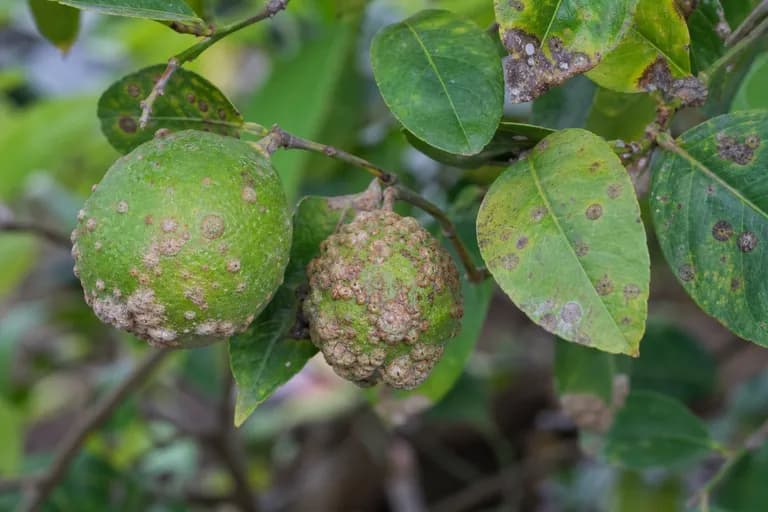
Zitrus-Schorf
KrankheitErhabene, korkige, warzenartige Flecken auf der Fruchtschale, Blättern und jungen Trieben. Befallene Früchte können verformt sein, bleiben aber essbar.
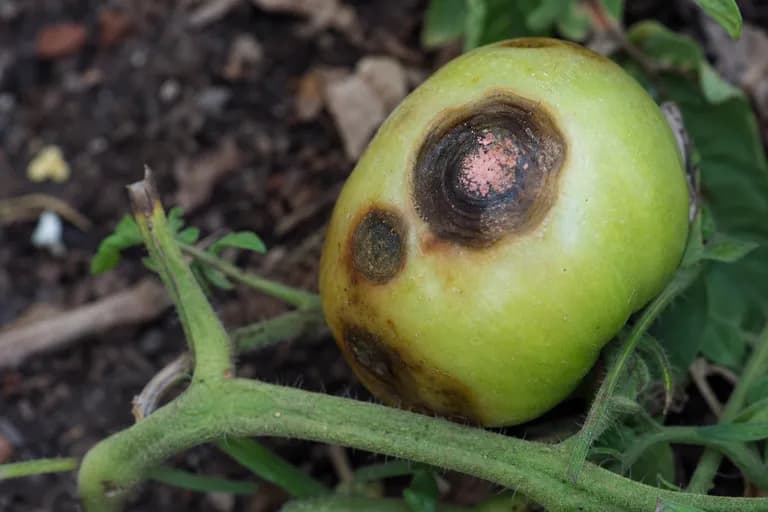
Anthraknose
KrankheitDunkle, eingesunkene Flecken auf Früchten und braune Läsionen an Blättern und Trieben; kann während feuchter Perioden Triebsterben und Blattfall verursachen.
Fehlerbehebung bei häufigen Problemen
Die Meiwa-Kumquat gehört zu den am einfachsten zu ziehenden Zitrusgewächsen, aber häufige Probleme umfassen Blattfall, wenn Pflanzen zu abrupt zwischen Innen- und Außenbedingungen gewechselt werden. Schrittweises Akklimatisieren über ein bis zwei Wochen beugt dem vor. Übermäßiges Gießen in Kübeln ist die häufigste Ursache für den Verfall und führt zu Wurzelfäule. Bei sehr starkem Frost kann selbst diese frostharte Kumquat Äste verlieren, daher ist Schutz unter minus 7 Grad Celsius angebracht. Der Fruchtansatz kann in den ersten Jahren nach dem Pflanzen oder Umtopfen gering ausfallen.
Anbautipps
- Einen Standort wählen, der mindestens 6 Stunden direkte Sonneneinstrahlung täglich erhält – 8 Stunden oder mehr ergeben deutlich süßere Früchte mit intensiver gefärbter Schale. In Klimazonen mit sehr heißen Sommern kann leichter Nachmittagsschatten Sonnenbrand an den Früchten verhindern und dennoch ausreichend Photosynthese für eine gute Zuckerentwicklung ermöglichen.
- Meiwa-Kumquats gehören zu den besten Zitrusbäumen für die Kübelkultur. Einen Topf mit mindestens 45 cm (18 Zoll) Durchmesser und mehreren Abflusslöchern wählen und ein hochwertiges, gut durchlässiges Zitrus-Substrat verwenden anstatt herkömmlicher Universalerde, die zu viel Feuchtigkeit speichert und zu Wurzelfäule führt.
- Kübel-Kumquats vom frühen Frühjahr bis Spätsommer alle 3–4 Wochen mit einem speziellen flüssigen Zitrusdünger versorgen, dann im Herbst auf eine kaliumreiche, stickstoffarme Formel umsteigen, um die Fruchtreifung zu unterstützen und weiches Wachstum zu vermeiden, das frostanfällig ist. Freilandbäume profitieren von einem Langzeit-Zitrusgranulat im Frühjahr und erneut im Hochsommer.
- Kumquats reagieren sehr empfindlich auf Staunässe und Wurzelfäule. Immer sicherstellen, dass Kübel freie Drainage haben, und die oberen 2–3 cm des Substrats zwischen den Wassergaben abtrocknen lassen. Die häufigste Todesursache bei Kumquats im Kübel ist Überwässerung, besonders im Winter, wenn der Wasserbedarf des Baumes gering ist.
- In Klimazonen, in denen die Temperaturen unter -5 °C fallen, Kübelbäume vor dem ersten starken Frost an das hellste verfügbare Fenster oder in ein beheiztes Gewächshaus ins Haus holen. Kumquats vertragen kühlere Innentemperaturen besser als die meisten Zitrusgewächse und profitieren tatsächlich von einer kühlen, hellen Winterruhe, die das Holz abhärtet und die Fruchtqualität der nächsten Saison verbessert.
- Schildläuse sind der häufigste Schädling bei Kumquats und erscheinen als kleine braune oder weiße seepockenartige Erhebungen an Stämmen und Blattunterseiten. Frühen Befall behandeln, indem betroffene Stellen mit einem in Alkohol getauchten Wattestäbchen abgewischt werden, und bei stärkerem Befall ein zertifiziertes biologisches Paraffinölspray an einem milden Tag bei Temperaturen zwischen 10–25 °C auftragen.
- Kumquats blühen am neuen Wachstum der aktuellen Saison, daher fördert leichter Rückschnitt nach der Ernte die Bildung frischer Triebe, die die Blüten der nächsten Saison tragen werden. Starken Rückschnitt vermeiden, der die Blüte verzögert und den Ertrag des Folgejahres reduziert. Den Rückschnitt nach der Ernte auf maximal ein Drittel des Gesamtwachstums begrenzen.
- Wenn Ihre Kumquat reichlich blüht, aber wenig Frucht ansetzt, versuchen Sie Handbestäubung, indem Sie mit einem kleinen, weichen Künstlerpinsel Pollen zwischen den Blüten übertragen. Obwohl Meiwa-Kumquats weitgehend selbstfruchtbar sind, profitieren Bäume in Innenräumen und in Umgebungen mit wenigen Bestäubern erheblich von diesem einfachen Eingriff, der den Fruchtansatz dramatisch erhöhen kann.
- Chlorose – Vergilbung der Blätter bei grün bleibenden Blattadern – ist ein häufiger Nährstoffmangel bei Kumquats, verursacht durch unzureichendes Eisen, Mangan oder Magnesium. Behandeln durch Auftragen eines zitrusspezifischen Mikronährstoff-Blattsprays und Korrektur des Boden-pH-Werts, wenn er über 7,0 liegt, da alkalische Bedingungen Mikronährstoffe festlegen, selbst wenn sie im Boden vorhanden sind.
- Die Früchte ihre volle tiefgoldorange Farbe entwickeln lassen, bevor geerntet wird, da Meiwa-Kumquats in der Schale noch lange nach dem augenscheinlichen Reifegrad Süße entwickeln. Verkosten ist der zuverlässigste Reifeindikator – die Schale sollte deutlich süß und aromatisch sein, und die Frucht sollte bei sanftem Daumendruck ganz leicht nachgeben, wenn sie perfekt reif ist.
Bau deine beste Meiwa-Kumquat an — und alles drumherum.
Starte heute kostenlos. Lege deine Beete an, setze deine Meiwa-Kumquat ein und lass PlotMyGarden Timing, Abstände, Begleiter und Erinnerungen von der Saat bis zum Erntekorb übernehmen.
Finde deine Meiwa-Kumquat
Standard-Meiwa
Die häufigste Form, die runde, süße Früchte mit dicker, zuckriger Schale und nahezu kernlosem Fruchtfleisch hervorbringt. Kompakter, dekorativer Wuchs.
Großrunde Meiwa
Eine Selektion mit etwas größeren Früchten als die Standardform, mit dem gleichen süßen Geschmack und hervorragender Kübeleignung.
Centennial Variegata Kumquat
Eine auffällige panaschierte Form mit grün-gelb gestreiften Früchten und cremeweiß geränderten Blättern, die süße Früchte an einem kompakten Zierbaum hervorbringt.
Ein einzelner reifer Meiwa-Kumquatbaum produziert jährlich 3–7 kg Früchte, was etwa 25–60 € an frischen Kumquats zu Fachhandelspreisen von 8–12 € pro kg entspricht. Jungbäume sind für 25–60 € in Baumschulen erhältlich und beginnen innerhalb von 2–3 Jahren bedeutende Ernten zu liefern, wobei sie im 5.–7. Jahr die volle Produktivität erreichen. Kübelgezogene Kumquats erfordern minimale laufende Kosten außer Zitrusdünger und Substrat, was sie über ihre 20–40 Jahre lange produktive Lebensdauer außergewöhnlich kosteneffektiv macht. Eigener Anbau bietet zudem Zugang zu vollständig baumgereiften Früchten – im Supermarkt verkaufte Kumquats werden typischerweise unreif geerntet und entwickeln nie die volle Süße, die erreichbar ist, wenn sie bis zum tiefen Orangeton am Baum belassen werden.
Schnelle Rezepte
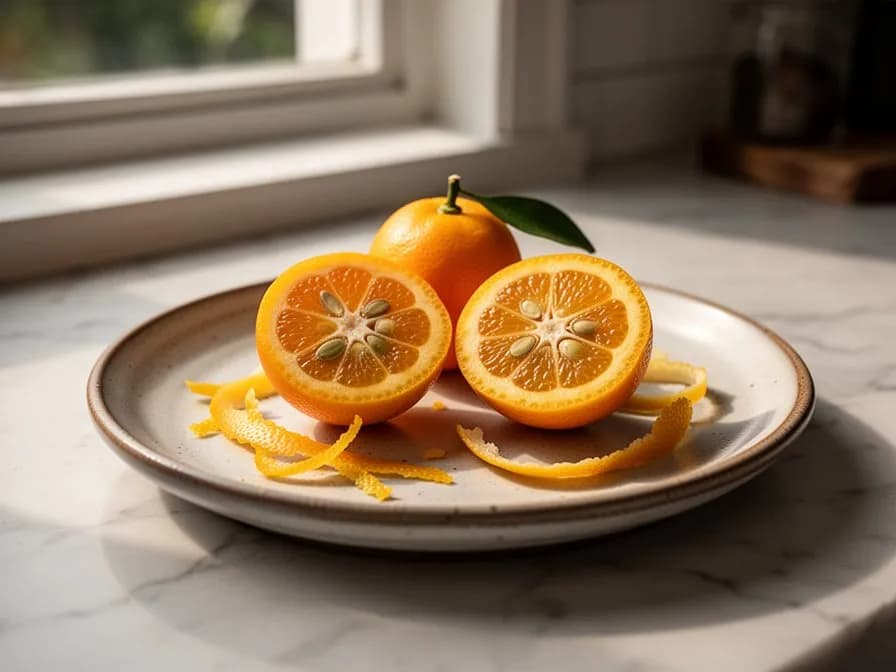
Kumquat-Marmelade
20 Min. Vorbereitung, 1 Stunde KochenEine juwelenglänzende Marmelade, die die volle süß-herbe Komplexität frischer Meiwa-Kumquats in einem streichfähigen Aufstrich einfängt. Da die ganze Frucht einschließlich der Schale verwendet wird, ist der natürliche Pektingehalt hoch genug, damit diese Marmelade ohne handelsübliches Geliermittel wunderbar geliert. Das Ergebnis ist zarter und süßer als traditionelle Orangenmarmelade, mit einer charakteristischen blumigen Note durch die aromatischen Schalenöle der Kumquat.
6 Zutaten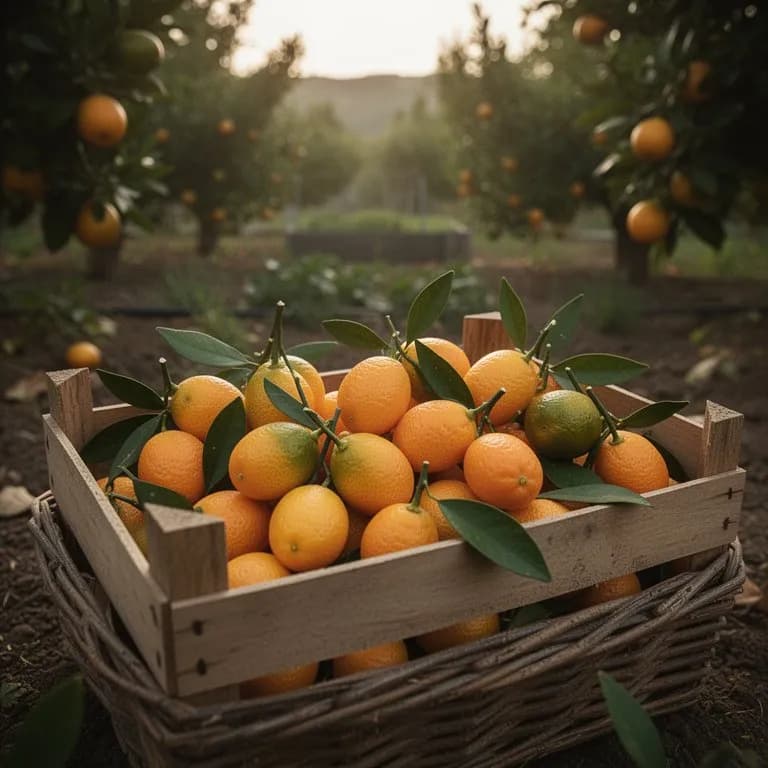
Kumquat-Honig-Glasur für Brathähnchen
15 Min.Eine lebhafte süß-herbe Glasur, die ein einfaches Brathähnchen in etwas Außergewöhnliches verwandelt. Der hohe natürliche Pektingehalt in der Kumquatschale lässt die Glasur im Ofen wunderbar karamellisieren und erzeugt eine lackierte Mahagoni-Oberfläche auf der Haut, während der säuerliche Saft die Reichhaltigkeit des Fleisches durchbricht. Diese Glasur passt ebenso gut zu Entenbrust, Schweinefilet oder gebratenem Lachs.
8 ZutatenMeiwa-Kumquat Agua Fresca
10 Min.Ein erfrischendes und wunderschön gefärbtes Agua Fresca im mexikanischen Stil, das den einzigartigen süß-herben Charakter der Meiwa-Kumquat zur Geltung bringt. Da die ganze Frucht mit Schale und allem püriert wird, hat das resultierende Getränk ein komplexes Zitrusaroma von den aromatischen Schalenölen, das es weitaus interessanter macht als einfacher Orangensaft. Es hat eine atemberaubende goldorange Farbe und benötigt dank der natürlich süßen Schale nur sehr wenig zusätzlichen Zucker.
7 ZutatenKulinarische Verwendung
Meiwa-Kumquats werden am besten frisch und im Ganzen gegessen – die gesamte Frucht in den Mund stecken und den Geschmacksburst der süßen Schale genießen, gefolgt vom milden, saftigen Fruchtfleisch. Sie ergeben hervorragende Marmelade und kandierte Früchte. In Scheiben geschnittene Kumquats verleihen Salaten, Getreideschalen und Käseplatten leuchtende Aromen und Farbe. Sie harmonieren wunderbar mit dunkler Schokolade, Honig und Nüssen. Kumquat-Kompott oder -Chutney ergänzt gebratenes Geflügel und Schweinefleisch hervorragend.
Was drinsteckt
Gesundheitsvorteile
- Liefert eine außergewöhnliche Vitamin-C-Dosis pro Portion – 73 % des empfohlenen Tageswerts pro 100 g – und macht Kumquats zu einer der konzentriertesten Vollnahrungsquellen dieses immununterstützenden, kollagenaufbauenden Antioxidans-Vitamins, die von Obstbäumen im Hausgarten verfügbar sind
- Die essbare Schale liefert einen ungewöhnlich hohen Ballaststoffgehalt von 6,5 g pro 100 g, einschließlich löslichem Pektin, das nützliche Darmbakterien ernährt, gesunde Cholesterinwerte unterstützt und die Glukoseaufnahme verlangsamt, um gleichmäßige Energie und verbesserte Insulinsensitivität zu fördern
- Reich an Flavonoidverbindungen, die in der leuchtend orangen Schale konzentriert sind, darunter Hesperidin und Naringenin, die in klinischen Studien nachweislich Marker systemischer Entzündungen reduzieren, die Endothelgesundheit unterstützen und die LDL-Cholesterin-Oxidation senken
- Liefert bemerkenswerte Mengen an Kalzium und Magnesium aus der essbaren Schale – Nährstoffe, die für die Knochendichteerhaltung, Nervensignalübertragung, Muskelkontraktion und den Herzrhythmus entscheidend sind und in der modernen Ernährung oft zu wenig aufgenommen werden
- Enthält die Carotinoid-Antioxidantien Lutein und Zeaxanthin, die besonders in der tieforange pigmentierten Schale konzentriert sind, sich in der Netzhaut anreichern und nachweislich das Risiko einer altersbedingten Makuladegeneration und von Grauem Star verringern
- Die ätherischen Öle in der Kumquatschale, insbesondere Limonen und Alpha-Pinen, haben in Laboruntersuchungen antimikrobielle Eigenschaften gezeigt und können zur Atemwegsgesundheit und Stimmungsverbesserung beim Einatmen beitragen, was den traditionellen Einsatz der Kumquat in der ostasiatischen Kräutermedizin bei Atemwegsbeschwerden unterstützt
Woher Meiwa-Kumquat stammt
Die Meiwa-Kumquat (Fortunella crassifolia) ist eines der weniger bekannten, aber lohnendsten Mitglieder der Kumquat-Familie, einer kleinen Gattung von Zitrus-verwandten Bäumen, die in Süd- und Ostasien beheimatet sind. Die Ursprünge der Kumquat reichen bis nach Südchina zurück, wo die Frucht bereits im 12. Jahrhundert n. Chr. in der alten chinesischen Literatur erscheint, in Texten aus der Song-Dynastie-Periode. Jahrhundertelang wurden Kumquats hauptsächlich in der Provinz Guangdong und in ganz Fujian angebaut, Regionen, in denen das subtropische Klima die beste Fruchtqualität hervorbrachte. Die Pflanzen verbreiteten sich allmählich über Handelsrouten in ganz Ost- und Südostasien, erreichten Japan mindestens im 17. Jahrhundert und wurden dort als Zier- und Nutzgartenbäume besonders geschätzt. Die Meiwa-Sorte speziell entstand vermutlich als natürliche Hybride oder ausgelesener Kultivar in China, bevor sie von japanischen Gartenbauern in der Meiji-Ära verfeinert und popularisiert wurde. Der Name Meiwa leitet sich von einem Bezirk in Japan ab, der mit dem Anbau und der Verbreitung der Sorte verbunden ist. Das europäische Bewusstsein für Kumquats kam dramatisch später als bei ihren asiatischen Pendants. Erst durch die außergewöhnliche Pflanzensammelexpedition des schottischen Botanikers Robert Fortune im Jahr 1846 – der gleichzeitig seine berühmte verdeckte Entnahme von Teepflanzen aus China für die Britische Ostindien-Kompanie durchführte – wurden Kumquats formal in die westliche Botanik eingeführt. Fortune schickte lebende Exemplare an die Royal Horticultural Society in London, wo sie vom Botaniker George Bentham klassifiziert und in eine neue Gattung, Fortunella, eingeordnet wurden, benannt zu Ehren Fortunes. Diese Gattungsbezeichnung spiegelte die Ansicht wider, dass Kumquats sich hinreichend von echten Citrus unterschieden, um eine eigene Klassifizierung zu rechtfertigen – eine Position, die von Botanikern in den folgenden anderthalb Jahrhunderten debattiert und revidiert wurde. Moderne genetische Analysen ordnen Kumquats innerhalb der breiteren Citrus-Linie ein, bestätigen aber ihre eigenständige Evolutionsgeschichte. Von Europa aus verbreiteten sich Kumquats in der zweiten Hälfte des 19. Jahrhunderts nach Amerika, wo sie insbesondere in Kalifornien und Florida ein willkommenes Zuhause fanden und sich gut an das mediterrane bzw. subtropische Klima anpassten. Amerikanische Gartenbauer bevorzugten die Meiwa-Sorte wegen ihrer überlegenen Süße im Vergleich zur häufigeren Nagami-Kumquat, und sie wurde allmählich zur bevorzugten Sorte für Hobbygärtner im gesamten Sonnengürtel. Heute werden Meiwa-Kumquats kommerziell in China, Japan, Taiwan, Israel, Brasilien und den Vereinigten Staaten angebaut und weltweit sowohl als produktive Nutzpflanzen als auch als eine der dekorativsten aller kultivierten Zitrusbäume geschätzt.
Meiwa-Kumquat: Schon gewusst?
Faszinierende Fakten über Meiwa-Kumquat
Der Name Kumquat leitet sich vom kantonesischen Wort gam gwat ab, was goldene Mandarine oder goldene Orange bedeutet. Europäische Botaniker lernten die Frucht im 19. Jahrhundert über kantonesische Händler kennen und behielten den Namen in verschiedenen Transliterationen bei, woraus sich das heute international gebräuchliche Wort entwickelte.
Meiwa-Kumquat: Fragen & Antworten
Wann sollte ich Meiwa-Kumquat pflanzen?
Was sind gute Begleitpflanzen für Meiwa-Kumquat?
In welchen Winterhärtezonen kann Meiwa-Kumquat wachsen?
Wie viel Sonne braucht Meiwa-Kumquat?
Welchen Abstand sollte ich zwischen Meiwa-Kumquat lassen?
Welche Schädlinge und Krankheiten befallen Meiwa-Kumquat?
Wie lagere ich Meiwa-Kumquat nach der Ernte?
Was sind die besten Meiwa-Kumquat-Sorten zum Anbauen?
Welchen Boden braucht Meiwa-Kumquat?
Kann ich einen Meiwa-Kumquatbaum ganzjährig drinnen anbauen?
Warum werden die Blätter meiner Kumquat gelb und fallen ab?
Woran erkenne ich, wann meine Meiwa-Kumquats reif genug zum Pflücken sind?
Wie oft sollte ich meine Kübel-Kumquat umtopfen, und welches Substrat sollte ich verwenden?
Ist die Meiwa-Kumquat die beste Kumquat-Sorte für den Heimanbau?
Können Kumquatbäume Frost vertragen, und wie schütze ich sie?
Du hast die Theorie gelesen. Jetzt baue sie auf Autopilot an.
Alles, was Meiwa-Kumquat knifflig macht — das Timing, die Abstände, die Begleiter, das Erntefenster — genau das übernimmt PlotMyGarden für dich, für jede Pflanze im Garten.
Ein Plan, der dein Wetter kennt
Standort einmal festlegen. Aussaat-, Dünge- und Erntedaten rund um deinen echten letzten Frosttermin und die Live-Vorhersage — kein Raten mehr nach Saattüte.
Aus dem Abschnitt „Pflanzzeit“Beetplaner per Drag & Drop
Beete auf einem Raster gestalten. Jede Pflanze rastet im richtigen Abstand ein, und du siehst die ganze Saison, bevor du einen Cent für Saatgut ausgibst.
Aus dem Abschnitt „Anbau“Begleiter-Konflikte früh erkannt
Über 200 gute und schlechte Kombinationen werden beim Pflanzen live geprüft — so landet ein saisonruinierender Fehler nie in der Erde.
Aus dem Abschnitt „Begleiter“Erinnerungen, nach denen du wirklich handelst
„Gieß die Bohnen.“ „Heute ernten, bevor's umschlägt.“ Pünktlich, konkret und auf deine echten Pflanzen bezogen.
Aus dem Abschnitt „Ernte“Staffel-Aussaat, geplant
Sechs Wochen ernten statt sechs Tage? Die App verteilt deine Aussaaten automatisch und erinnert dich, wenn der nächste Satz fällig ist.
Aus dem Abschnitt „Pflanzzeit“Ein Verlauf, der schlauer wird
Jede protokollierte Ernte bringt der App deinen Garten bei. Der Plan fürs nächste Jahr startet bei dem, was in deinem Boden wirklich funktioniert hat.
Aus dem Abschnitt „Überblick“Pflanze diese neben Meiwa-Kumquat
Weitere Zitrusfrüchte
Bau deine beste Meiwa-Kumquat an — und alles drumherum.
Starte heute kostenlos. Lege deine Beete an, setze deine Meiwa-Kumquat ein und lass PlotMyGarden Timing, Abstände, Begleiter und Erinnerungen von der Saat bis zum Erntekorb übernehmen.