Epazote
Ein scharfes mexikanisches Kraut, das traditionell zu schwarzen Bohnen gegeben wird, um Blähungen zu reduzieren und einen kräftigen, medizinisch-kräuterartigen Geschmack zu verleihen.





Auf dieser SeiteÜberblick
Epazote im Überblick
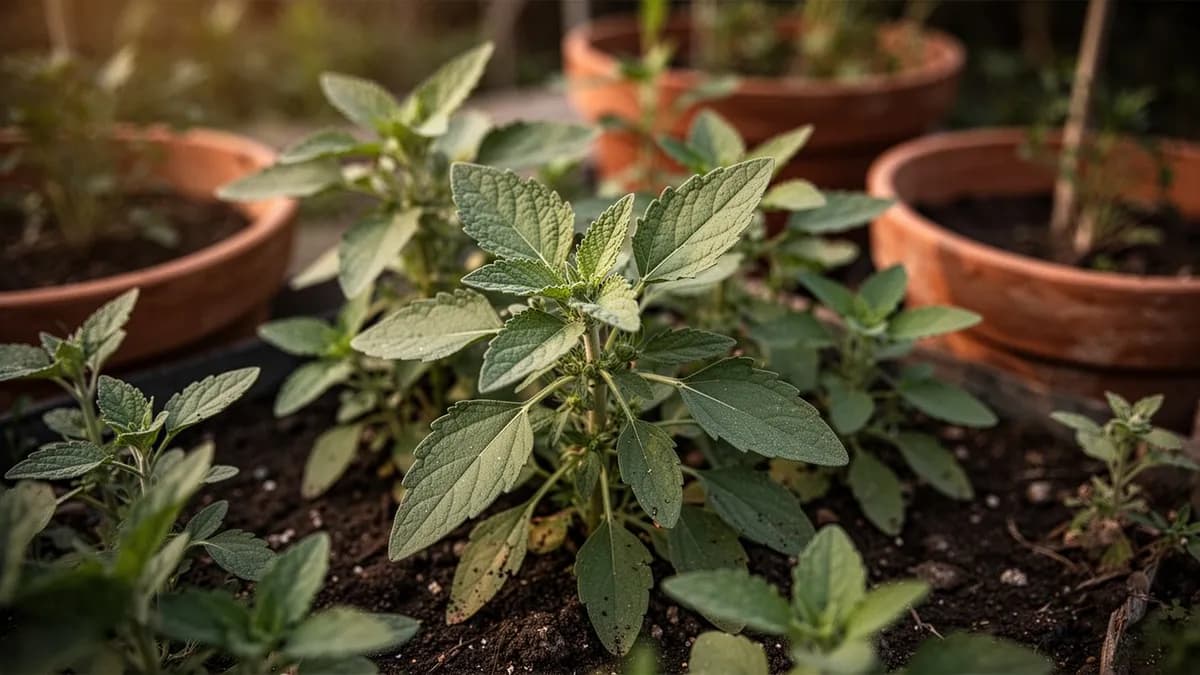
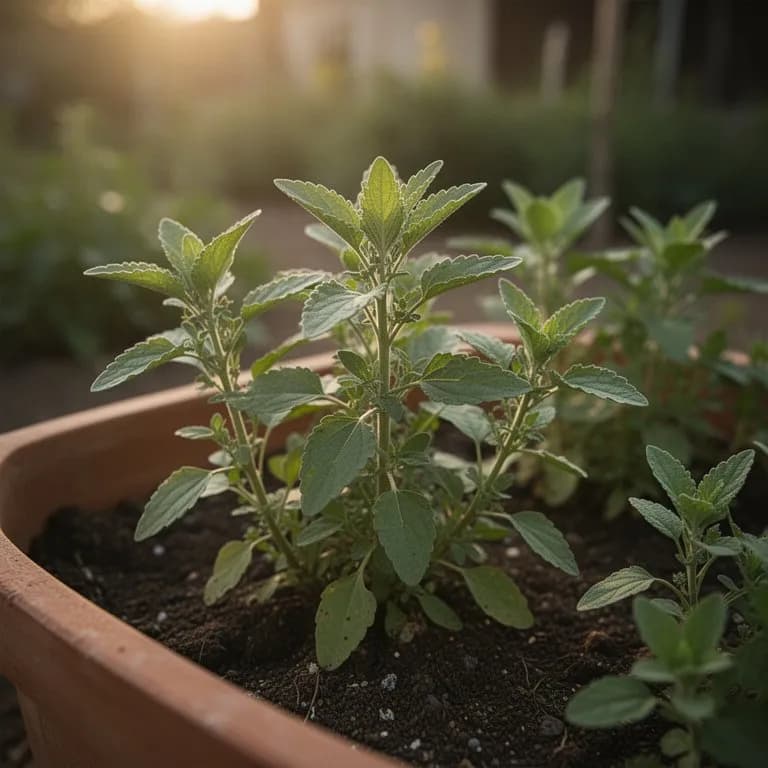
Ein scharfes mexikanisches Kraut, das traditionell zu schwarzen Bohnen gegeben wird, um Blähungen zu reduzieren und einen kräftigen, medizinisch-kräuterartigen Geschmack zu verleihen. Epazote hat einen starken, gewöhnungsbedürftigen Geschmack und sollte beim Kochen sparsam verwendet werden. Die Pflanze sät sich aggressiv selbst aus und kann unkrautartig werden, daher vor der Samenbildung ernten oder in Behältern anbauen.
Wann Epazote pflanzen
Streuen Sie winzige Epazote-Samen nach dem letzten Frost direkt auf die feuchte Bodenoberfläche und drücken Sie sie leicht an, ohne sie zu bedecken, da sie Licht zum Keimen benötigen. Die Samen keimen in 7-14 Tagen bei Bodentemperaturen von 18-24°C. Vereinzeln Sie die Sämlinge auf 30-45 cm Abstand. Die Vorkultur im Haus ist möglich, aber selten notwendig, da Epazote so schnell aus Direktsaat wächst. Wenn Sie drinnen vorziehen, säen Sie 4-6 Wochen vor dem letzten Frost auf der Oberfläche feuchter Aussaaterde aus. Pikieren Sie vorsichtig, da die Sämlinge empfindlich sind. Selbst ausgesäte Freiwillige erscheinen oft von den Pflanzen des Vorjahres.
Dein Epazote-Jahr
Abgestimmt auf Zone 7 · typische Saison · Frost geht um den 2. Apr. und kehrt um den 1. Nov. zurück
Epazote Apr – Jun pflanzen, Jun – Sep ernten. Beachte die Pflanzmethoden unten und wähle dein Klima für passende Zeiträume.
So baust du Epazote an
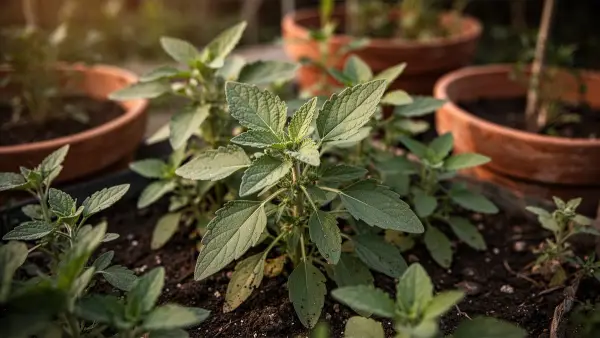
Epazote (Dysphania ambrosioides) ist ein kräftiges einjähriges Kraut, das in Mittelamerika und Mexiko beheimatet ist und unter heißen Bedingungen gedeiht, wo viele andere Kräuter Schwierigkeiten haben. Säen Sie die Samen nach dem letzten Frost direkt ins Freiland, wenn sich der Boden auf mindestens 18°C erwärmt hat. Streuen Sie die winzigen Samen auf die Bodenoberfläche und drücken Sie sie leicht an, ohne sie zu bedecken, da sie Licht zum Keimen benötigen. Die Samen keimen in 7-14 Tagen.
Pflanzen Sie in voller Sonne mit gut durchlässigem, durchschnittlichem bis kargem Boden. Epazote gedeiht tatsächlich unter mageren Bedingungen und wird in nährstoffreichem Boden übermäßig üppig und unkrautartig. Setzen Sie die Pflanzen im Abstand von 30-45 cm, oder vereinzeln Sie auf diesen Abstand, wenn die Sämlinge auflaufen. Einmal etabliert, ist Epazote äußerst trockenheitsverträglich und benötigt minimale Pflege.
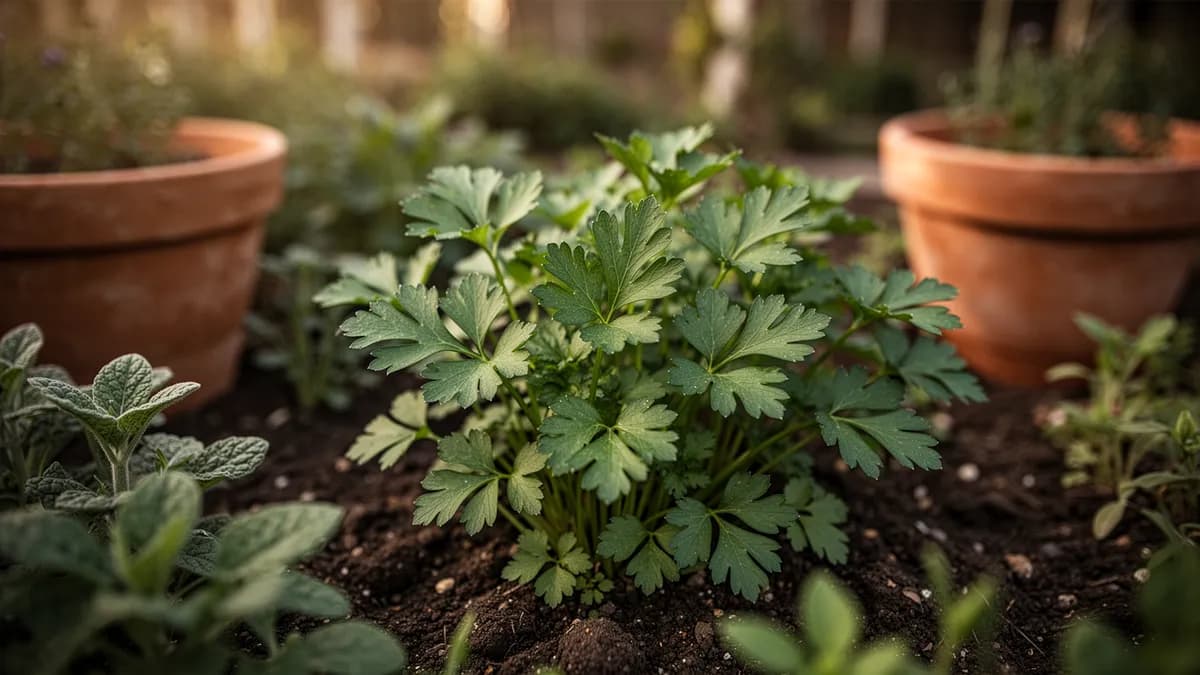
Die Pflanze wächst schnell auf 60-120 cm Höhe und beginnt innerhalb weniger Wochen nach der Keimung, ihre scharfen, gezähnten Blätter zu produzieren. Epazote sät sich reichlich selbst aus und kann invasiv werden, wenn man es zur Samenreife kommen lässt. Entfernen Sie Blütenstände, bevor sie reifen, um unerwünschte Ausbreitung zu verhindern. In milden Klimazonen (Zonen 8-11) kann Epazote als kurzlebige Staude überwintern. Kultivieren Sie es in Behältern, um seine aggressive Ausbreitungsneigung einzudämmen.
32 Pflanzen passen in ein Beet von 120 × 240 cm
Epazote braucht 30 cm Platz pro Pflanze. Der Planer hält diesen Abstand für dich ein — jede Pflanze, jedes Beet.
Die besten Nachbarn für Epazote
Die starken ätherischen Öle von Epazote machen es zu einem natürlichen Schädlingsabwehrmittel im Garten. Pflanzen Sie es in einer traditionellen Milpa-inspirierten Bepflanzung neben Bohnen, Kürbis und Mais. Der scharfe Duft kann bestimmte Käfer, Blattläuse und andere häufige Gemüseschädlinge abwehren. Epazote wächst gut neben anderen wärmeliebenden Kräutern wie Koriander und Paprika. Sein kräftiges Wachstum kann kleinere Begleitpflanzen überwältigen, daher geben Sie ihm ausreichend Platz. Vermeiden Sie die Pflanzung dort, wo seine Selbstaussaat in der Nähe sorgfältig gepflegter Beete problematisch wäre.
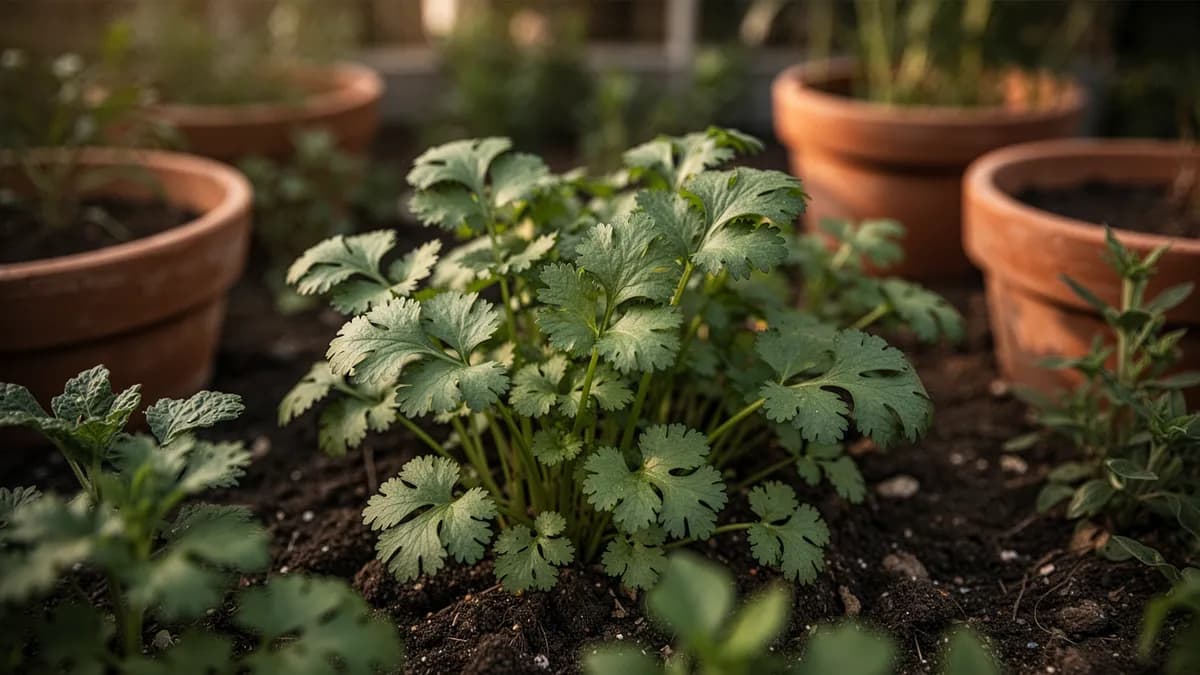
Koriander gehört daneben.
Altes Gärtnerwissen, geprüft an der echten Nachbartabelle von Epazote — teste jede Pflanze, die du anbaust.
Probiere Epazote direkt hier im Beet
Ein echtes Planer-Beet, Epazote steht schon drin. Tippe einen Begleiter an, platziere ihn und sieh, wie die Nachbarschaftsprüfung antwortet — grün für gute Nachbarn, rot bei Streit.


Passende Anbau-Ratgeber
Richtig düngen
Epazote gedeiht in kargem bis durchschnittlichem, gut durchlässigem Boden und entwickelt sich in reichem, stark gedüngtem Boden tatsächlich schlechter. Ein pH-Wert von 6,0-7,5 ist akzeptabel. Verbessern Sie den Boden nicht mit Kompost und düngen Sie nicht regelmäßig, da dies übermäßiges Wachstum mit vermindertem Gehalt an ätherischen Ölen erzeugt. Wenn der Boden extrem karg und sandig ist, reicht eine einmalige leichte Gabe von Volldünger bei der Pflanzung aus. In Behältern verwenden Sie eine einfache Pflanzerde ohne zugesetzten Dünger. Epazote ist eines der am einfachsten anzubauenden Kräuter in vernachlässigten Gartenecken.
Ideale Temperatur
Winterhärtezone-Kompatibilität
Von der Saat zur Ernte, Schritt für Schritt
Samenkeimung
Epazote-Samen sind extrem klein — staubfein — und benötigen Licht zum Keimen. Die Samen werden auf feuchten Boden gestreut und sanft angedrückt, ohne sie zu bedecken. Unter warmen Bedingungen (20-25°C) erscheinen die ersten fadenartigen Sämlinge in 7-14 Tagen. Die Keimung kann unregelmäßig sein, daher großzügig aussäen, um einen ausreichenden Bestand zu gewährleisten.
Sämlingsentwicklung
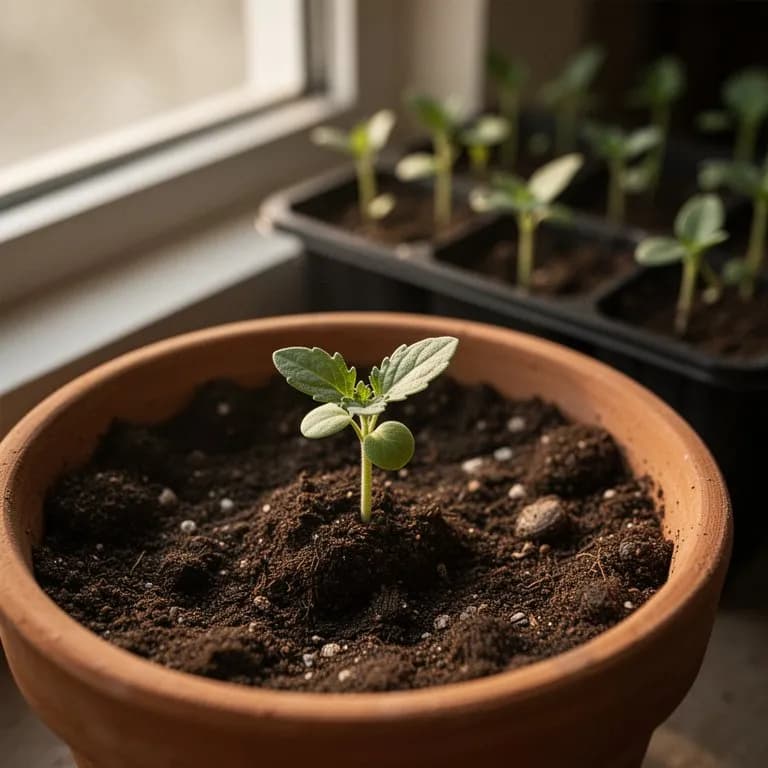
Die ersten echten Blätter sind klein, schmal und leicht gezähnt — sie zeigen bereits den charakteristischen gezähnten Rand des reifen Laubes. Sämlinge wachsen zunächst langsam und sind bei übermäßig nassen Bedingungen anfällig für Umfallkrankheit. Nach 4-5 Wochen beginnt sich der Stängel zu verdicken und die ersten Seitentriebe erscheinen an der Basis.
Vegetatives Wachstum
Epazote tritt in eine Phase schnellen Höhen- und Seitenwachstums ein und bildet rasch eine buschige Pflanze von 40-80 cm Höhe mit stark aromatischem Laub. Die Blätter werden größer, tiefer gezähnt und beim Berühren oder Zerreiben intensiv duftend. Dies ist das beste Erntefenster — Blattgeschmack und Konzentration ätherischer Öle sind kurz vor der Blütenbildung am höchsten.
Blüte
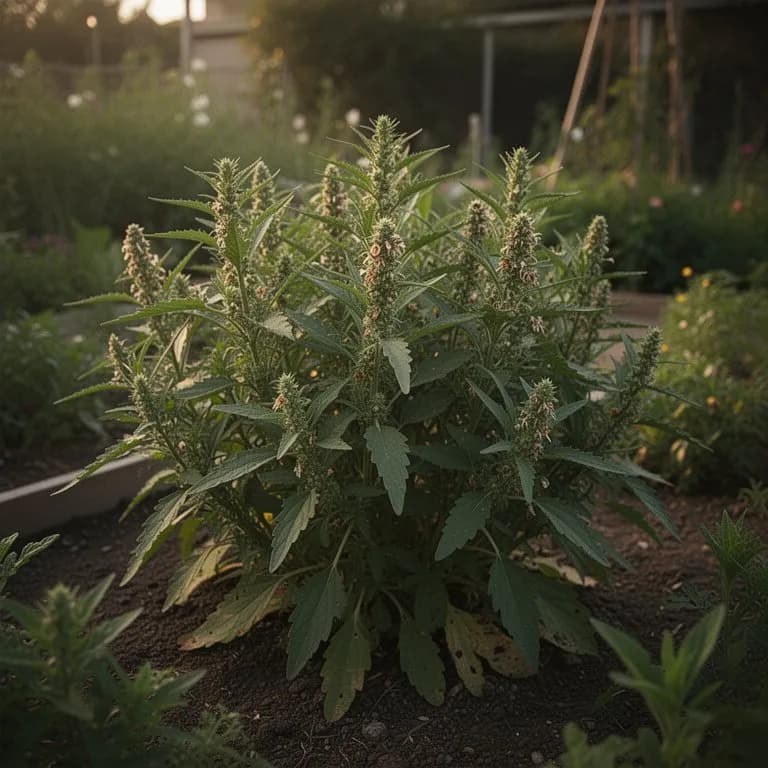
Lange, schlanke Blütenstände entwickeln sich an den Triebspitzen und tragen winzige unscheinbare grüne Blüten in dichten Büscheln entlang des Blütenstands. Epazote ist windbestäubt und jeder Blütenstand produziert enorme Mengen winziger Samen. Die Blüte signalisiert eine Geschmacksveränderung — die Blätter werden bitterer und schärfer — obwohl sie zum Kochen weiterhin verwendbar bleiben.
Samenreife und Absterben
Samen reifen entlang der Blütenstände und verfärben sich von Grün zu Dunkelbraun oder Schwarz, wenn sie reifen. Jede Pflanze kann Zehntausende von Samen produzieren. Untere Blätter beginnen sich gelb zu verfärben und abzufallen, während die Pflanze ihre Energie in die Samenproduktion leitet. In frostfreien Klimazonen kann die Pflanze als kurzlebige Staude weiterbestehen; in gemäßigten Zonen stirbt sie beim ersten starken Frost ab.
Bedecken Sie die Samen nicht mit Erde — sie brauchen Licht zum Keimen. Besprühen Sie die Oberfläche täglich, um sie gleichmäßig feucht zu halten, ohne die winzigen Samen wegzuspülen. Eine durchsichtige Feuchtigkeitshaube oder Frischhaltefolie über dem Topf verbessert die Keimrate erheblich, indem gleichmäßige Feuchtigkeit aufrechterhalten wird.
Epazote Monat für Monat pflegen
Was du jeden Monat für deine Epazote tun solltest
Oktober
Aktueller MonatIn Zonen 8 und darunter führen Sie die letzten Ernten durch, bevor Frost die Pflanzen abtötet. Topfen Sie eine kleine Pflanze ein und bringen Sie sie an ein sonniges Fensterbrett ins Haus für frische Winterblätter. In frostfreien Zonen kann Epazote als kurzlebige Staude durch Herbst und Winter weiterwachsen.
Immer wissen, was jetzt im Garten zu tun ist
Eine E-Mail zum Monatsanfang: was du jetzt säen, pflanzen und anpacken solltest — für deine Epazote und alles, was drumherum wächst. Dazu ein kurzer Startkurs, der dich vor den klassischen Fehlern bewahrt.
- Was jetzt zu tun ist
- Passend zu deiner Saison
- Startkurs inklusive
Epazote ernten
Ernten Sie Epazote-Blätter, sobald die Pflanzen 30 cm Höhe erreichen, in der Regel 45-55 Tage nach der Aussaat. Pflücken Sie einzelne junge Blätter von den Stängelspitzen, die den besten Geschmack haben, oder schneiden Sie ganze Stängelspitzen ab, um die Verzweigung zu fördern. Junge Blätter haben einen angenehmeren Geschmack als alte, zähe Blätter. Ernten Sie vor der Blüte, da der Geschmack überwältigend stark und bitter wird, sobald die Blüte beginnt. Verwenden Sie Epazote sparsam; einige wenige Blätter pro Topf Bohnen sind ausreichend. Die gesamte oberirdische Pflanze kann vor dem ersten Frost zum Trocknen geerntet werden.
angenommen, du pflanzt zu Beginn des Zeitraums — trage dein tatsächliches Datum ein
Ernte Epazote zügig, dann trägt die Pflanze weiter.
Lagerung & Konservierung
Verwenden Sie Epazote wann immer möglich frisch für den besten Geschmack. Lagern Sie frische Stängel in einem Glas Wasser bei Raumtemperatur für 2-3 Tage, oder wickeln Sie sie in feuchtes Küchenpapier und kühlen Sie sie bis zu einer Woche. Epazote lässt sich gut trocknen: Hängen Sie kleine Bündel kopfüber an einem warmen, gut belüfteten Ort für 1-2 Wochen auf. Getrocknetes Epazote behält erstaunlich viel Geschmack. Lagern Sie getrocknete Blätter in luftdichten Gläsern lichtgeschützt. Gefrorenes Epazote konserviert ebenfalls gut; hacken und in kleinen Portionen einfrieren.
Was schiefgeht — und die Lösung
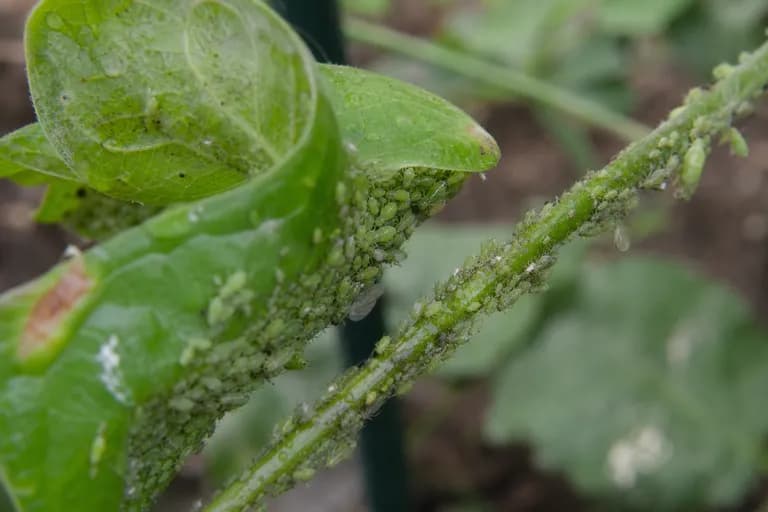
Blattläuse
SchädlingAnsammlungen kleiner Insekten an Stängelspitzen und Blütenständen, klebriger Honigtau, verformter Neuaustrieb.
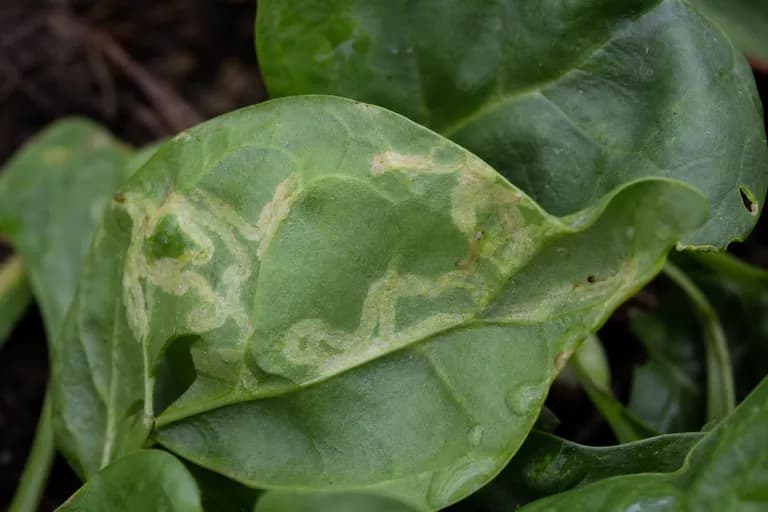
Minierfliegen
SchädlingGewundene weiße oder hellbraune Fraßgänge in den Blättern sichtbar, kleine Fliegen schwirren in der Nähe der Pflanzen.
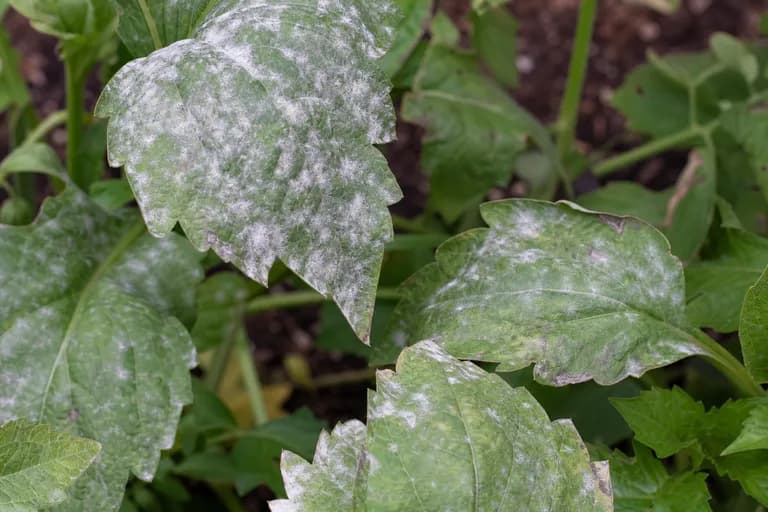
Echter Mehltau
KrankheitWeißer, pudriger Belag auf älteren Blättern, besonders bei feuchten Bedingungen spät in der Saison.
Fehlerbehebung bei häufigen Problemen
Die größte Herausforderung bei Epazote ist seine aggressive Selbstaussaat, die es im Garten invasiv machen kann. Entfernen Sie Blütenstände, bevor sich Samen bilden, oder kultivieren Sie es in Behältern. Übermäßig nährstoffreicher Boden erzeugt große, üppige Pflanzen mit schwächerem Geschmack. Der starke, medizinische Duft ist gewöhnungsbedürftig; neue Anbauer sollten es sparsam verwenden, bis sie die richtige Menge kennengelernt haben. In warmen Klimazonen kann Epazote ganzjährig wachsen und zu einem hartnäckigen Unkraut werden. Pflanzen werden ohne volle Sonneneinstrahlung langbeinig.
Anbautipps
- Säen Sie Epazote-Samen auf der Oberfläche aus und bedecken Sie sie nicht mit Erde. Die Samen sind winzig und benötigen Licht zum Keimen — sie sanft auf feuchten Boden zu drücken und regelmäßig zu besprühen ist die richtige Technik. Selbst leichtes Bedecken der Samen mit Erde verringert die Keimrate drastisch.
- Bauen Sie Epazote in Behältern an, um seine aggressive Selbstaussaat zu kontrollieren. Eine einzelne Pflanze in einem 25-30 cm Topf liefert reichlich Ernte und verhindert gleichzeitig, dass die Tausende von Samen, die sie produziert, Ihren gesamten Garten besiedeln. Stellen Sie Behälter auf eine gepflasterte Fläche, um entkommene Samen aufzufangen.
- Pflanzen Sie Epazote in voller Sonne für den besten Geschmack und die höchste Konzentration ätherischer Öle. Obwohl die Pflanze Halbschatten verträgt, entwickeln in voller Sonne gewachsene Blätter den stärksten, authentischsten Geschmack, den mexikanische Rezepte erfordern. Mindestens 6 Stunden direkte Sonneneinstrahlung täglich sind ideal.
- Gießen Sie sparsam, sobald die Pflanzen etabliert sind. Epazote stammt aus trockenen und halbtrockenen Regionen und entwickelt unter leicht trockenen Bedingungen tatsächlich einen intensiveren Geschmack. Übergießen erzeugt üppiges, aber fades Laub und erhöht das Risiko von Wurzelfäule und Pilzkrankheiten.
- Knipsen Sie Wachstumsspitzen regelmäßig während der Saison, um buschiges, verzweigtes Wachstum zu fördern und die Blüte zu verzögern. Jede geknipste Spitze produziert zwei neue Triebe, was die Anzahl erntefähiger Stängelspitzen verdoppelt. Dies hält die Pflanzen auch kompakt und verhindert, dass sie hoch und langbeinig werden.
- Ernten Sie vor der Blüte für den mildesten, vielseitigsten Geschmack. Sobald Epazote zu blühen beginnt, werden die Blätter intensiver scharf und leicht bitter. Zum Kochen werden Blätter vor der Blüte bevorzugt — obwohl manche Köche den stärkeren Geschmack der Blätter im Blühstadium in kräftigen Bohnengerichten schätzen.
- Entfernen Sie Blütenstände umgehend, es sei denn, Sie möchten, dass sich die Pflanze selbst aussät. Eine einzelne Epazote-Pflanze kann über 100.000 Samen produzieren, und freiwillige Sämlinge werden im folgenden Frühjahr überall im Garten erscheinen. Das Entfernen verblühter Blüten ist die wichtigste Pflegemaßnahme zur Verhinderung unerwünschter Ausbreitung.
- Trocknen Sie überschüssige Blätter für den Wintergebrauch, indem Sie kleine Bündel an einem warmen, gut belüfteten Ort ohne direkte Sonneneinstrahlung aufhängen. Richtig getrocknetes Epazote behält seinen Geschmack bemerkenswert gut für 6-12 Monate. Streifen Sie getrocknete Blätter von den Stängeln und lagern Sie sie in luftdichten Glasgläsern in einem dunklen Schrank.
- Bringen Sie vor dem ersten Frost eine kleine Topfpflanze ins Haus für frische Winterblätter. Stellen Sie sie auf das sonnigste verfügbare Fensterbrett und gießen Sie sparsam. Zimmerpflanzen wachsen langsamer, produzieren aber bei ausreichend Licht den ganzen Winter über erntefähige Blätter.
- Setzen Sie Epazote als Begleitpflanze neben Bohnen und Kürbis — sein starker Duft kann helfen, bestimmte Insektenschädlinge wie Blattläuse und Kürbiskäfer abzuwehren. In der traditionellen mexikanischen Milpa-Gartenbau wurden aromatische Kräuter wie Epazote neben den Hauptkulturen Mais, Bohnen und Kürbis angebaut.
Bau deine beste Epazote an — und alles drumherum.
Starte heute kostenlos. Lege deine Beete an, setze deine Epazote ein und lass PlotMyGarden Timing, Abstände, Begleiter und Erinnerungen von der Saat bis zum Erntekorb übernehmen.
Finde deine Epazote
Gewöhnliches Epazote
Die Standard-Küchenform mit stark duftenden, gezähnten grünen Blättern. Die Sorte, die in der traditionellen mexikanischen Küche verwendet wird.
Rotes Epazote
Eine Form mit rötlich-violetten Stängeln und leicht unterschiedlichen Geschmacksnoten. Wird manchmal sowohl als Zierpflanze als auch in der Küche verwendet.
Ambrosia (Mexikanischer Tee)
Eine eng verwandte Sorte, die historisch für Kräutertee verwendet wurde. Milderer Geschmack als Standard-Epazote, mehr für Getränke als zum Kochen verwendet.
Frisches Epazote ist außerhalb lateinamerikanischer Spezialitätenmärkte schwer zu finden und kostet typischerweise 3-5 € pro kleinem Bund, wenn verfügbar. Getrocknetes Epazote wird in Feinkost-Gewürzläden für 6-12 € pro 30g verkauft. Ein einzelnes Samentütchen für 2-3 € ergibt mehrere Pflanzen, die eine ganze Saison frische Blätter plus genug getrocknetes Kraut für den Winter liefern — eine Ersparnis von 30-60 € oder mehr pro Jahr bei regelmäßigem mexikanischen Kochen. Da Epazote sich so reichlich selbst aussät, müssen Sie nach dem ersten Jahr möglicherweise nie wieder Samen kaufen, was den Anbau auf Dauer praktisch kostenlos macht.
Schnelle Rezepte
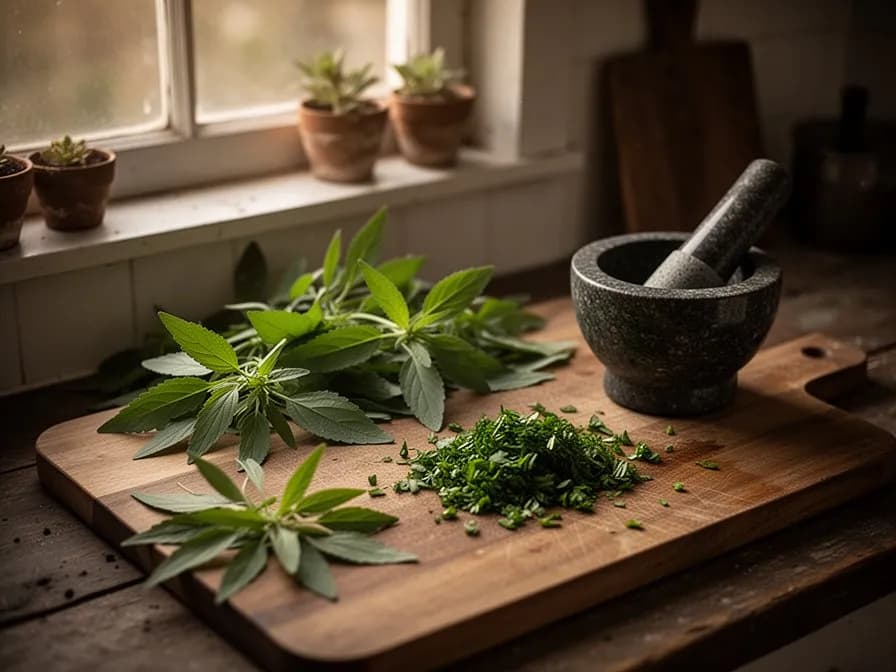
Frijoles Negros con Epazote (Schwarze Bohnen mit Epazote)
90 Min.Die klassischste und wesentlichste Verwendung von Epazote in der mexikanischen Küche — getrocknete schwarze Bohnen, langsam mit einem großzügigen Zweig frischem Epazote köchelnd gekocht, bis sie cremig und tiefgründig aromatisch sind. Das Kraut durchdringt die Bohnen mit seinem unverwechselbaren erdigen, leicht zitrusartigen Aroma und gilt traditionell als verdauungsfördernd.
7 ZutatenQuesadillas con Epazote y Queso Oaxaca
15 Min.Ein beliebtes mexikanisches Straßenessen — warme Maistortillas gefüllt mit fadenziehend schmelzendem Oaxaca-Käse und gehacktem frischem Epazote, auf einem Comal goldbraun gebacken, bis der Käse zu duftenden Fäden schmilzt. Das kräftige, scharfe Aroma von Epazote durchdringt den reichhaltigen Käse perfekt.
5 ZutatenSopa de Elote con Epazote (Maissuppe mit Epazote)
35 Min.Eine seidige mexikanische Maissuppe, bereichert mit der kräuterartigen Komplexität von frischem Epazote. Süße Maiskörner werden mit Brühe und Sahne püriert und dann mit Epazote-Blättern geköchelt, die eine erdige Tiefe verleihen, die mit keinem anderen Kraut zu erreichen ist. Serviert mit zerbröseltem Queso Fresco obenauf.
8 ZutatenKulinarische Verwendung
Epazote wird am traditionellsten in mexikanischen Gerichten mit schwarzen Bohnen verwendet, wo es während des Kochens hinzugefügt wird, um die Verdaulichkeit zu verbessern und seinen charakteristischen scharfen Geschmack zu verleihen. Verwenden Sie 1-2 frische Blätter pro Topf Bohnen und entfernen Sie sie vor dem Servieren. Fügen Sie es Quesadillas, Tamales, Enchilada-Soße und Mole hinzu. Epazote wird auch in mittelamerikanischen Suppen und Eintöpfen verwendet. Kochen Sie Epazote immer mit, anstatt es roh zu verwenden, da Hitze seinen intensiven Geschmack mildert. Verwenden Sie es sehr sparsam, bis Sie mit seiner Intensität vertraut sind.
Was drinsteckt
Gesundheitsvorteile
- Äußerst reich an Vitamin A mit über 100% des Tageswertes pro 100g frischer Blätter, liefert Beta-Carotin, das gesundes Sehen, Immunfunktion und Zellwachstum unterstützt — was Epazote zu einem der Vitamin-A-reichsten Küchenkräuter überhaupt macht.
- Enthält bedeutende Mengen an Calcium (275mg pro 100g), das bei regelmäßigem Verzehr als Küchenkraut einen wichtigen Beitrag zur täglichen Calciumaufnahme für die Knochengesundheit leistet — besonders wertvoll in traditionellen Ernährungsweisen, die möglicherweise arm an Milchprodukten sind.
- Die traditionelle mexikanische Kräuterheilkunde verwendet Epazote seit Jahrhunderten als Karminativum — eine Substanz, die Darmgase und Blähungen lindert — weshalb es klassisch mit Bohnen und anderen blähenden Lebensmitteln in der mexikanischen Küche kombiniert wird.
- Die ätherischen Öle in Epazote, insbesondere Ascaridol und Carvacol, haben in Laborstudien antimikrobielle und antimykotische Eigenschaften gezeigt, was die traditionelle Verwendung des Krauts als Verdauungshilfe und Darmreiniger unterstützt.
- Liefert eine bedeutende Eisenquelle (1,9mg pro 100g), was besonders in der traditionellen mexikanischen Ernährung relevant ist, wo Epazote regelmäßig zusammen mit eisenabsorptionsfördernden Lebensmitteln wie Tomaten, Chilischoten und Vitamin-C-reichem Limettensaft verzehrt wird.
- Enthält entzündungshemmende Verbindungen, die traditionelle Heiler zur Herstellung von Umschlägen und Tees gegen Hautreizungen, Insektenstiche und leichte Atembeschwerden verwendet haben — obwohl die moderne medizinische Anwendung immer mit einem Arzt besprochen werden sollte.
Woher Epazote stammt
Epazote (Dysphania ambrosioides, früher Chenopodium ambrosioides) ist im südlichen Mexiko, in Mittelamerika und im nördlichen Südamerika beheimatet, wo es seit Tausenden von Jahren sowohl als Küchenkraut als auch als Heilpflanze verwendet wird. Die Azteken und Maya kultivierten Epazote ausgiebig, und sein Nahuatl-Name ‚Epazotl' — oft übersetzt als ‚Stinktier-Schweiß' in Anspielung auf sein intensives Aroma — wurde während der Kolonialzeit ins Spanische übernommen und bleibt bis heute der Standardname für das Kraut. Vorkolumbische indigene Völker schätzten die Pflanze nicht nur als Würzmittel für Bohnen, Tamales und Eintöpfe, sondern auch als Heilmittel gegen Darmparasiten und Verdauungsbeschwerden.
Nach der spanischen Eroberung verbreitete sich Epazote über die tropischen und subtropischen Gebiete Amerikas und gelangte schließlich über koloniale Handelsrouten nach Europa, Afrika und Asien. Anders als viele Kräuter und Gewürze der Neuen Welt, die weltweit begeistert aufgenommen wurden — wie Chilischoten, Vanille und Piment —, begrenzte Epazotes intensiv scharfer, harziger Geschmack seine Verbreitung außerhalb der mexikanischen und mittelamerikanischen Küche. In Europa wurde es hauptsächlich als Heilpflanze und nicht als Küchenkraut angebaut, und sein ätherisches Öl (Chenopodiumöl) wurde zu einem wichtigen pharmazeutischen Produkt zur Behandlung von Darmwürmern bis weit ins 20. Jahrhundert hinein.
In Mexiko blieb Epazote über alle sozialen Schichten und Regionen hinweg ein unverzichtbares Küchenkraut. Es wurde untrennbar mit der Zubereitung schwarzer Bohnen verbunden, bei der ein im Topf mitgekochter Zweig als ebenso wichtig wie Salz gilt. Das Kraut spielt auch eine herausragende Rolle in Quesadillas, Tamales, Mole Verde, Chilaquiles und zahllosen regionalen Gerichten von Oaxaca bis Yucatán. Mexikanische Einwanderer brachten ihre Liebe zum Epazote in die Vereinigten Staaten, wo es heute in vielen südlichen Bundesstaaten wild wächst und zunehmend in lateinamerikanischen Lebensmittelgeschäften und auf Bauernmärkten erhältlich ist.
Heute erlebt Epazote eine Renaissance, da das weltweite Interesse an authentischer mexikanischer Küche über Tex-Mex-Adaptionen hinauswächst. Köche und Gastronomieschreiber entdecken dieses uralte Kraut wieder und stellen es einem neuen Publikum vor, das seinen kräftigen, unersetzlichen Geschmack zu schätzen weiß. Für Hobbygärtner ist Epazote bemerkenswert einfach anzubauen — fast zu einfach, angesichts seiner üppigen Selbstaussaat —, was es zum idealen Kraut für alle macht, die regelmäßig mexikanisch kochen und den authentischen Geschmack suchen, den getrocknete oder Ersatzkräuter einfach nicht bieten können.
Epazote: Schon gewusst?
Faszinierende Fakten über Epazote
Der botanische Name von Epazote, Dysphania ambrosioides, verweist wörtlich auf die Speise der Götter (Ambrosia), doch sein gebräuchlicher Name in Nahuatl — ‚Epazotl' — übersetzt sich ungefähr als ‚Stinktier-Schweiß', was das kraftvoll scharfe, Liebe-oder-Hass-Aroma des Krauts widerspiegelt, das im Pflanzenreich völlig einzigartig ist.
Epazote: Fragen & Antworten
Wann sollte ich Epazote pflanzen?
Was sind gute Begleitpflanzen für Epazote?
In welchen Winterhärtezonen kann Epazote wachsen?
Wie viel Sonne braucht Epazote?
Welchen Abstand sollte ich zwischen Epazote lassen?
Welche Schädlinge und Krankheiten befallen Epazote?
Wie lagere ich Epazote nach der Ernte?
Was sind die besten Epazote-Sorten zum Anbauen?
Welchen Boden braucht Epazote?
Wie schmeckt Epazote und gibt es einen Ersatz?
Ist Epazote in normalen Küchenmengen sicher zu essen?
Warum sät sich Epazote so aggressiv selbst aus und wie kann ich es kontrollieren?
Kann ich Epazote ganzjährig drinnen anbauen?
Wann ist der beste Zeitpunkt, um Epazote für maximalen Geschmack zu ernten?
Wie verwende ich Epazote beim Kochen über schwarze Bohnen hinaus?
Du hast die Theorie gelesen. Jetzt baue sie auf Autopilot an.
Alles, was Epazote knifflig macht — das Timing, die Abstände, die Begleiter, das Erntefenster — genau das übernimmt PlotMyGarden für dich, für jede Pflanze im Garten.
Ein Plan, der dein Wetter kennt
Standort einmal festlegen. Aussaat-, Dünge- und Erntedaten rund um deinen echten letzten Frosttermin und die Live-Vorhersage — kein Raten mehr nach Saattüte.
Aus dem Abschnitt „Pflanzzeit“Beetplaner per Drag & Drop
Beete auf einem Raster gestalten. Jede Pflanze rastet im richtigen Abstand ein, und du siehst die ganze Saison, bevor du einen Cent für Saatgut ausgibst.
Aus dem Abschnitt „Anbau“Begleiter-Konflikte früh erkannt
Über 200 gute und schlechte Kombinationen werden beim Pflanzen live geprüft — so landet ein saisonruinierender Fehler nie in der Erde.
Aus dem Abschnitt „Begleiter“Erinnerungen, nach denen du wirklich handelst
„Gieß die Bohnen.“ „Heute ernten, bevor's umschlägt.“ Pünktlich, konkret und auf deine echten Pflanzen bezogen.
Aus dem Abschnitt „Ernte“Staffel-Aussaat, geplant
Sechs Wochen ernten statt sechs Tage? Die App verteilt deine Aussaaten automatisch und erinnert dich, wenn der nächste Satz fällig ist.
Aus dem Abschnitt „Pflanzzeit“Ein Verlauf, der schlauer wird
Jede protokollierte Ernte bringt der App deinen Garten bei. Der Plan fürs nächste Jahr startet bei dem, was in deinem Boden wirklich funktioniert hat.
Aus dem Abschnitt „Überblick“Pflanze diese neben Epazote
Weitere Küchenkräuter
Bau deine beste Epazote an — und alles drumherum.
Starte heute kostenlos. Lege deine Beete an, setze deine Epazote ein und lass PlotMyGarden Timing, Abstände, Begleiter und Erinnerungen von der Saat bis zum Erntekorb übernehmen.