Mano de Buda
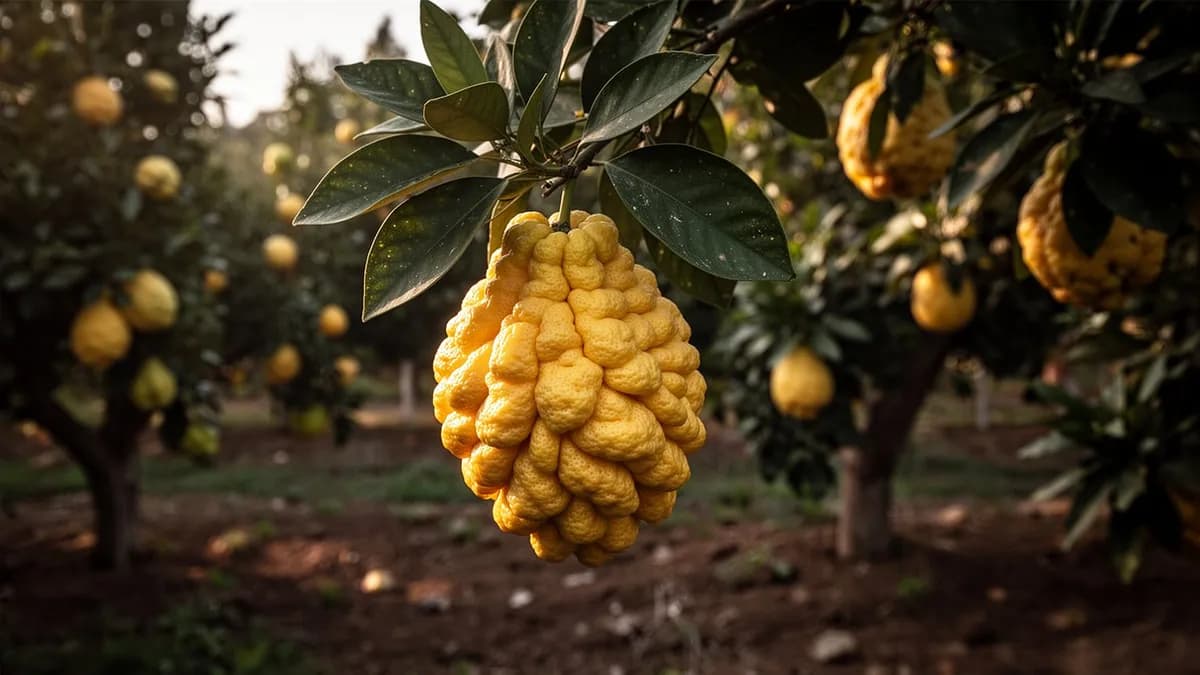
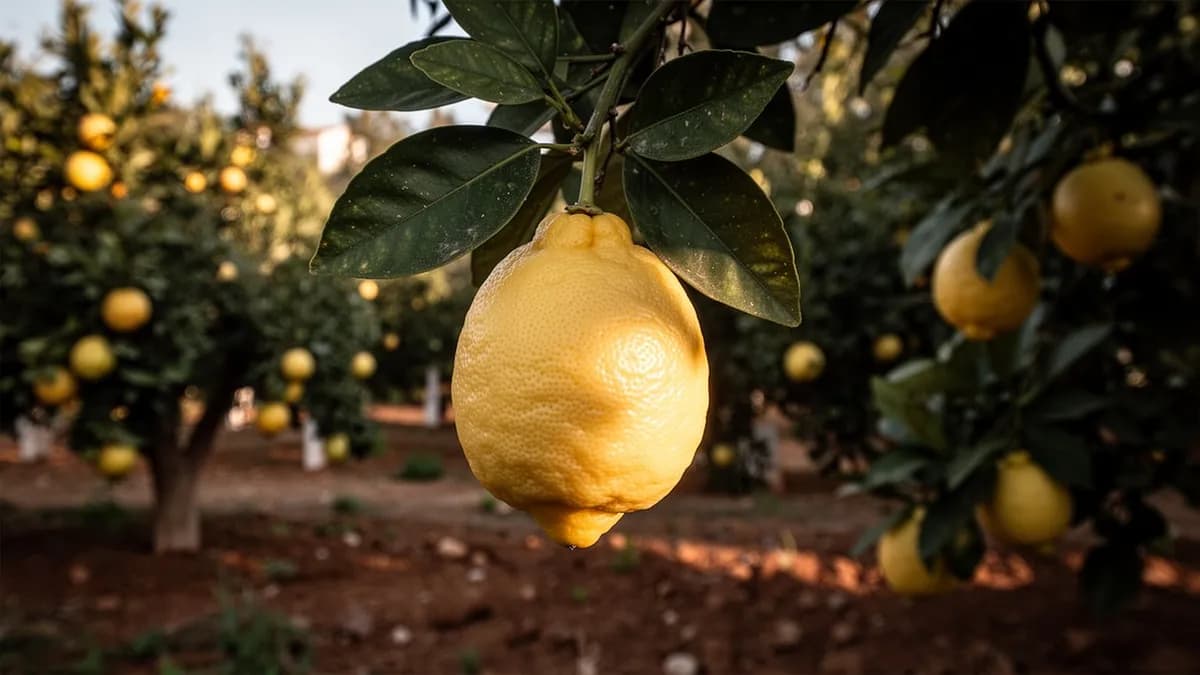
Una variedad espectacular de cítrico con segmentos en forma de dedos que irradian desde la base y que está formada únicamente por una cáscara y una parte blanca fragante, sin zumo ni pulpa.





En esta páginaResumen
Conoce Mano de Buda
Una variedad espectacular de cítrico con segmentos en forma de dedos que irradian desde la base y que está formada únicamente por una cáscara y una parte blanca fragante, sin zumo ni pulpa. Su piel, intensamente aromática, se usa para hornear, infusionar vodka y perfumar el hogar de forma natural. La mano de Buda es una excelente planta de maceta y da fruto de manera fiable en zonas cálidas y sin heladas.
Cuándo plantar Mano de Buda
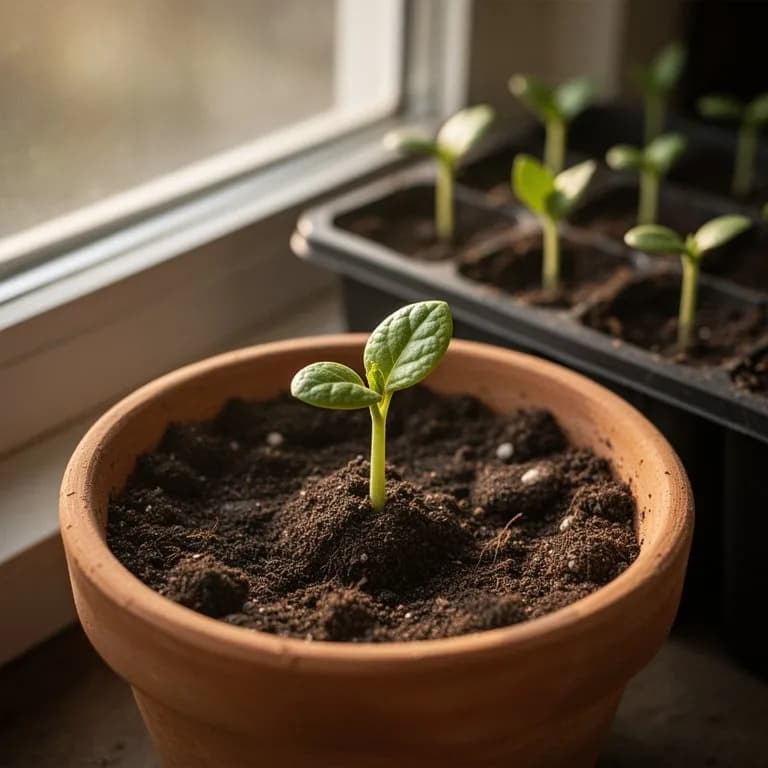
La Mano de Buda puede propagarse por semilla, aunque con mayor frecuencia se cultiva a partir de esquejes o injertos. Si dispone de semillas, plántelas frescas en un sustrato húmedo y cálido, a 25-30 °C, a una profundidad de uno o dos centímetros. La germinación tarda de tres a seis semanas. Las plantas nacidas de semilla maduran lentamente y pueden necesitar seis años o más para fructificar. Los esquejes semileñosos tomados a finales del verano enraízan bien con calor de fondo y hormona de enraizamiento. El injerto sobre naranja amarga o limón volkameriano como portainjerto da plantas fructíferas en dos o tres años.
Tu año de Mano de Buda
Ajustado a Zona 7 · temporada típica · la helada se va hacia el 2 abr y vuelve hacia el 1 nov
Planta Mano de Buda Mar – May y cosecha Oct – Dic. Consulta los métodos de plantación y elige tu clima para adaptar los periodos.
Cómo cultivar Mano de Buda
La mano de Buda es un cítrico ornamental y culinario muy llamativo que crece como árbol pequeño o arbusto grande, y en maceta suele alcanzar entre dos y tres metros de altura. Necesita pleno sol, temperaturas cálidas y protección frente a las heladas. Plántela en una ubicación resguardada, orientada al sur, en el microclima más cálido disponible, o cultívela solo en contenedor para poder moverla al interior cuando haga frío.
El árbol es sensible a las heladas y sufre daños por debajo de unos 3 °C. Para el cultivo en maceta, use una maceta grande con excelente drenaje y un sustrato cítrico de calidad. Riegue de forma uniforme durante la temporada de crecimiento y deje que los primeros centímetros del sustrato se sequen ligeramente entre riegos. Reduzca el riego en invierno, pero nunca deje que el cepellón se seque por completo. Mantenga la humedad alrededor de las plantas de interior mediante pulverizaciones regulares o una bandeja con guijarros.
Abone de primavera a comienzos de otoño cada cuatro a seis semanas con un fertilizante equilibrado para cítricos. El árbol florece varias veces al año con flores fragantes blanco violáceas que se desarrollan en las características frutas con forma de dedos. Pode ligeramente para conservar la forma y elimine las ramas muertas o que se crucen. El árbol tiene menos espinas que el cidro estándar, lo que facilita su cuidado. Los frutos tardan varios meses en desarrollarse por completo y deben permanecer en el árbol hasta que los dedos empiecen a separarse y la piel se vuelva de un amarillo vivo.
Para Mano de Buda un bancal de 120 × 240 cm se queda corto
Cada Mano de Buda pide 250 cm de margen. El planificador guarda ese marco por ti — cada planta, cada bancal.
Los mejores vecinos de Mano de Buda
La Mano de Buda prospera junto a otros cítricos sensibles al frío, como el limón Meyer y la lima makrut, en una colección de macetas que puede agruparse para lograr un efecto estético y protección invernal compartida. Las hierbas fragantes como la lavanda, la verbena de limón y los geranios perfumados complementan sus cualidades aromáticas. El granado enano y la higuera son compañeros atractivos para climas cálidos. Evite el exceso de plantas en maceta, ya que una buena circulación de aire es esencial para prevenir problemas fúngicos.
Limón va a su lado.
Saber de huerto de siempre, cotejado con la tabla real de Mano de Buda — prueba cualquier planta que cultives.
Prueba Mano de Buda en un bancal, aquí mismo
Un bancal real del planificador con Mano de Buda ya plantado. Toca una planta compañera para colocarla y mira cómo responde la comprobación de vecinos: verde para buenos vecinos, rojo si hay conflicto.


Guías de cultivo relacionadas
Abónalo bien
La Mano de Buda necesita un suelo bien drenado y ligeramente ácido, con un pH de 5.5 a 6.5. Para el cultivo en contenedor, use un sustrato cítrico de calidad enriquecido con perlita o piedra pómez adicional. Durante la temporada de crecimiento, abone una vez al mes con un fertilizante equilibrado para cítricos y cambie a una fórmula baja en nitrógeno durante el desarrollo del fruto para mejorar el aroma de la cáscara. Añada sulfato de magnesio dos veces al año y aplique fertilizantes foliares con micronutrientes que contengan hierro, zinc y manganeso. Evite los suelos arcillosos pesados y las condiciones alcalinas, que provocan clorosis y un crecimiento deficiente.
Temperatura ideal
Compatibilidad de zonas de rusticidad
De la semilla a la cosecha, etapa por etapa
Establecimiento a partir de planta de vivero
El cidro Mano de Buda casi siempre se inicia a partir de una planta de vivero injertada o de un esqueje, en lugar de semillas, ya que el fruto contiene muy pocas semillas viables y las plantas nacidas de semilla rara vez conservan el tipo. Durante la fase de establecimiento, el árbol concentra su energía en desarrollar un sistema radicular estable en su nueva ubicación. El follaje puede caer ligeramente mientras la planta se adapta a su entorno antes de reanudar un crecimiento vigoroso.
Crecimiento vegetativo
Una vez establecida, la mano de Buda comienza a emitir brotes vigorosos de nuevo crecimiento. Las ramas se alargan y desarrollan las hojas oscuras, brillantes y lanceoladas características de los cítricos. En las ramas jóvenes aparecen espinas. El árbol crece con relativa rapidez en climas cálidos, añade 30-60 cm por año y empieza a formar la estructura de ramas que sostendrá la futura producción de frutos.
Primera floración
Los cítricos Mano de Buda injertados suelen florecer por primera vez entre uno y dos años después de la plantación. Las flores aparecen en racimos y son muy fragantes, con pétalos blancos y el envés distintivamente teñido de púrpura. En climas cálidos y libres de heladas, la floración puede producirse varias veces al año, aunque el principal brote suele ocurrir en primavera. Las flores son autofértiles, pero se benefician de la visita de abejas o de la polinización manual en interiores.
Desarrollo del fruto
Tras una polinización exitosa, los lóbulos en forma de dedos de la mano de Buda comienzan a alargarse desde la base del fruto en desarrollo. El fruto joven es de color verde intenso y los segmentos individuales están muy apretados. En los meses siguientes, los dedos se extienden y se abren gradualmente hasta la forma clásica de mano o puño cerrado, y la piel pasa de verde a amarilla a medida que madura. La cáscara se engrosa y los aceites aromáticos de la capa externa se intensifican de forma notable.
Maduración y cosecha
El cidro Mano de Buda está listo para cosechar cuando la cáscara se vuelve completamente amarillo dorado y desprende una fragancia intensa y compleja con notas de limón, flores y vainilla. A diferencia de la mayoría de las frutas, la mano de Buda casi no contiene jugo ni pulpa: está compuesta casi por completo de una médula blanca, no amarga, y de una piel aromática. El fruto puede permanecer en el árbol una o dos semanas después del cambio completo de color sin deteriorarse. Los árboles maduros, en condiciones ideales, pueden producir 10-30 frutos por temporada.
Descanso y renovación poscosecha
Tras la cosecha principal, el árbol entra en un periodo de reposo relativo antes de producir nuevo crecimiento vegetativo y, potencialmente, otra floración. En climas cálidos, el árbol puede volver a florecer pocas semanas después de la cosecha. Este es un buen momento para realizar una poda ligera que dé forma a la copa, elimine ramas débiles o dañadas y reponga los nutrientes del suelo con una capa de compost o un fertilizante cítrico de liberación lenta.
Planta en un suelo bien drenado y ligeramente ácido, en un contenedor o en un lugar en tierra que reciba al menos 6-8 horas de sol directo. Riega a fondo al plantar y luego espera a que los 3-5 cm superiores del suelo se sequen un poco antes de volver a regar. No abones durante las primeras 4-6 semanas para evitar estrés en las raíces recién establecidas.
Cuidar Mano de Buda mes a mes
Qué hacer cada mes para tu Mano de Buda
Octubre
Mes actualEn muchas zonas comienza la maduración real del fruto. Proteja la planta de las noches frías. Si está en maceta, esté listo para moverla al interior cuando bajen las temperaturas.
Ten claro qué hacer en tu huerto, cada mes
Un correo al empezar cada mes: qué sembrar, plantar y hacer ahora mismo — para tu Mano de Buda y todo lo que crece alrededor. Más un breve curso inicial para esquivar los errores clásicos.
- Qué hacer ahora mismo
- Ajustado a tu temporada
- Curso inicial incluido
Cosechar Mano de Buda
Los frutos de Mano de Buda están listos para cosechar cuando los dedos empiezan a separarse de la base central, la piel se vuelve de un amarillo dorado brillante y la fruta desprende un aroma cítrico dulce e intenso. Esto suele ocurrir desde finales de otoño hasta el invierno. Corte el fruto del árbol con tijeras de podar, dejando un pequeño rabillo. No espere a que el fruto empiece a secarse o a que los dedos se arruguen, porque la mayor intensidad aromática y la mejor calidad de la cáscara se dan justo cuando el fruto alcanza su color completo. Cada árbol suele producir entre cinco y quince frutos por temporada.
se supone que plantas al comenzar el periodo — indica tu fecha real
Cuando los dedos empiezan a separarse de la base central, la piel se vuelve amarillo dorado brillante y el fruto desprende un aroma cítrico dulce e intenso; normalmente desde finales de otoño hasta el invierno.
Almacenamiento y conservación
La Mano de Buda fresca se conserva una o dos semanas a temperatura ambiente, donde además sirve como ambientador natural. En el refrigerador dura hasta cuatro semanas. Como la fruta no tiene zumo ni pulpa, su conservación se centra en la cáscara aromática y la parte blanca interior. La piel puede rallarse finamente y congelarse en porciones pequeñas, o secarse. El fruto entero puede cortarse en láminas y confitarse en almíbar. El vodka de Mano de Buda se prepara infusionando los dedos cortados en alcohol durante dos a cuatro semanas. La cáscara también da lugar a una sal o un azúcar cítricos intensamente fragantes.
Qué falla — y cómo solucionarlo
Cochinillas
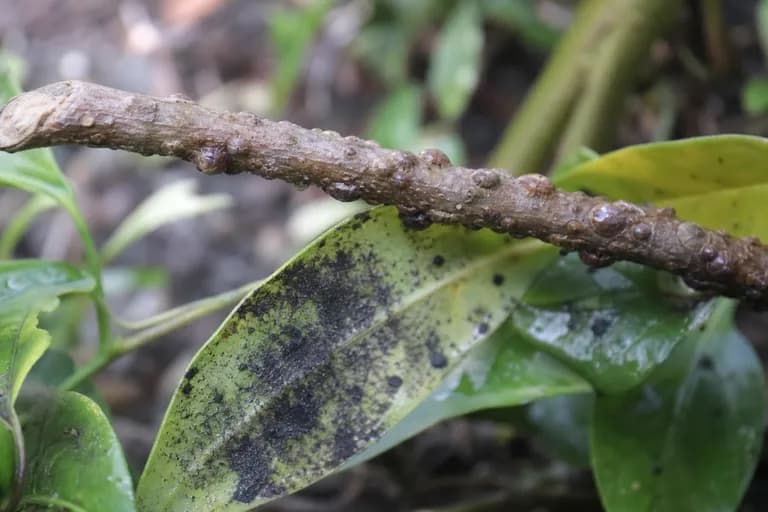
PlagaProtuberancias marrones duras o blandas en tallos y nervaduras; melaza pegajosa; fumagina; declive gradual de la planta con infestaciones intensas.
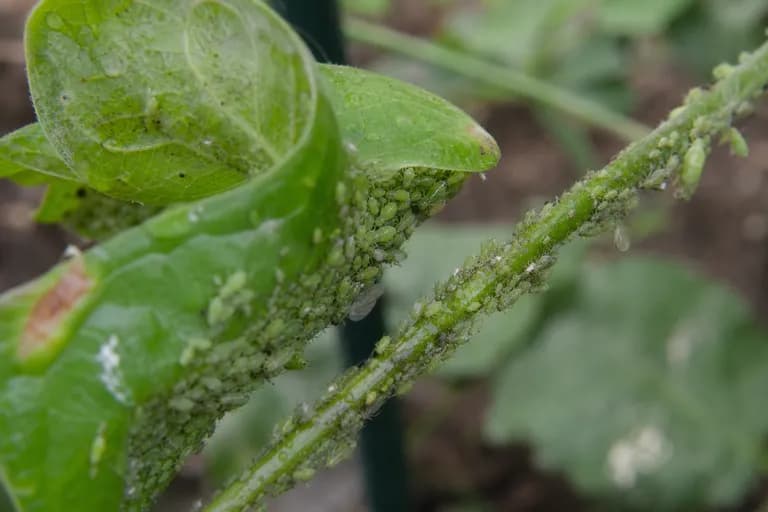
Pulgones
PlagaColonias de pequeños insectos verdes o negros en los brotes tiernos; hojas jóvenes enrolladas y deformadas; melaza pegajosa.
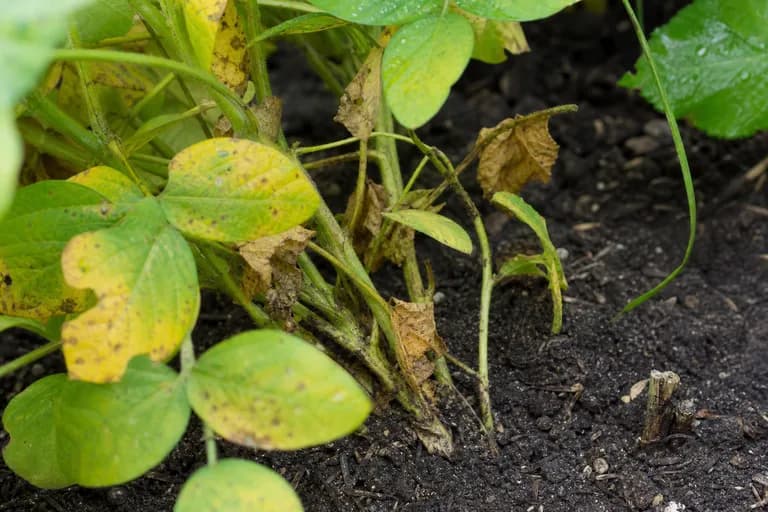
Podredumbre de raíces por Phytophthora
EnfermedadMarchitez pese a que el suelo tiene suficiente humedad; amarilleo de las hojas; raíces oscuras y blandas; declive gradual de las ramas.
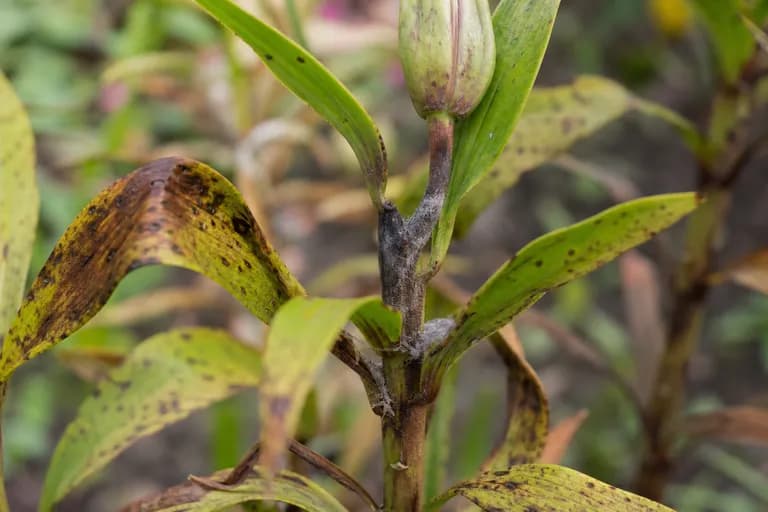
Botritis
EnfermedadMoho gris sobre las flores y los frutos en desarrollo, especialmente con tiempo fresco y húmedo. Puede provocar caída de flores y reducir el cuajado.
Solución de problemas comunes
La Mano de Buda es extremadamente sensible al frío y puede morir si se expone siquiera brevemente a una helada. El invierno en interior suele provocar caída de hojas por la poca luz y la baja humedad, aunque las plantas sanas suelen recuperarse en primavera. La forma inusual del fruto resulta desconocida para muchos jardineros, que pueden cosechar demasiado pronto o demasiado tarde. El exceso de riego en maceta es una causa frecuente de podredumbre de raíces. El árbol puede establecerse con lentitud y quizá no dé fruto hasta el tercer o cuarto año. Los vientos fuertes pueden dañar los delicados segmentos en forma de dedos.
Consejos de cultivo
- Si la cultiva en maceta, elija el recipiente más grande posible desde el principio. La Mano de Buda prefiere raíces cómodas y un drenaje excelente, así que una maceta amplia le dará estabilidad y mejor producción.
- No retire demasiadas hojas al podar. La planta necesita suficiente follaje para alimentar los frutos durante los largos meses de desarrollo.
- En zonas frías, piense en la Mano de Buda como una planta de verano al aire libre y de invierno en interior. Una transición gradual entre ambos ambientes reduce mucho la caída de hojas.
- Si el fruto tarda en amarillear, no se precipite a cosechar. El mejor aroma aparece cuando la piel está completamente coloreada y los dedos empiezan a abrirse.
- Las hojas y ramas nuevas son sensibles al estrés por cambios bruscos. Mantenga el riego estable y evite moverla a menudo mientras se recupera del trasplante.
- La luz intensa es esencial para que la planta mantenga un porte compacto y una floración regular. Una ventana soleada o un patio protegido marcan una gran diferencia.
- Recorte ligeramente después de la cosecha o a comienzos de primavera para abrir la copa y mejorar la ventilación.
- Si quiere usar la fruta para ambientar la casa, deje uno o dos frutos maduros en una estancia fresca y luminosa; su perfume puede durar bastante tiempo.
- Las plantas injertadas suelen dar mejores resultados que las nacidas de semilla, sobre todo si busca una producción más rápida y predecible.
- No confunda el color verde de una fruta aún inmadura con falta de calidad. En esta planta, la madurez verdadera se reconoce mejor por el aroma y por la separación de los dedos.
Cultiva tu mejor Mano de Buda — y todo lo que la rodea.
Empieza un plan gratis hoy. Diseña tus bancales, coloca tu Mano de Buda y deja que PlotMyGarden gestione el momento, el espaciado, las asociaciones y los recordatorios de la semilla a la cesta.
Elige tu Mano de Buda
Mano de Buda estándar
La forma más extendida, con dedos alargados y bien abiertos y una cáscara dorada de aroma muy intenso.
Dedo de Buda
Una forma parcialmente cerrada, en la que los dedos quedan más juntos, a veces preferida para fines ornamentales.
Mano de Buda enana
Una selección compacta que apenas alcanza uno o dos metros, ideal para cultivar en maceta en terrazas e invernaderos.
Una planta injertada de Mano de Buda suele costar entre 25 y 60 USD en un vivero especializado, y un ejemplar bien cuidado puede producir frutos perfumados durante muchos años. Dado que la fruta fresca y de buena calidad suele ser difícil de encontrar fuera de tiendas especializadas, cultivar la suya propia permite ahorrar dinero y acceder a una cosecha mucho más fresca. Si usa el fruto para ralladura, cáscara confitada, azúcar aromatizado o infusiones, el valor culinario y decorativo compensa con rapidez el coste inicial de la planta y la maceta.
Recetas rápidas
Vodka infusionado con Mano de Buda
10 minutos + 2 a 4 semanas de infusiónUna infusión aromática sencilla que convierte la piel de Mano de Buda en un licor fragante, brillante y muy cítrico. Perfecto para cócteles o para regalar en una botella bonita.
4 ingredientesCáscara confitada de Mano de Buda
20 minutos de preparación, 1 a 2 horas de cocciónUn dulce clásico en el que la piel se cuece lentamente en almíbar hasta quedar transparente, suave y muy perfumada. Ideal para acompañar café, té o una tabla de postres.
5 ingredientesAzúcar cítrico con Mano de Buda
10 minutosUn azúcar perfumado muy útil para repostería, infusiones y cócteles. Basta una pequeña cantidad para aportar un aroma cítrico floral muy elegante.
3 ingredientesUsos culinarios
La cáscara de Mano de Buda se aprecia por su aroma cítrico, intenso y dulce, sin el amargor de otros cítricos. Ralle la piel en repostería, risottos y platos de pescado. Los dedos cortados en láminas finas dan lugar a una elegante cáscara confitada. La fruta aporta un aroma extraordinario al vodka, al gin y a siropes sencillos. También puede cortarse en rodajas para decorar ensaladas y aportar sabor. La cáscara mezclada con sal o azúcar se convierte en un condimento muy versátil.
Qué contiene
Beneficios para la salud
- La Mano de Buda aporta una fragancia cítrica intensa que puede hacer más atractivas preparaciones con poca azúcar o poca grasa.
- Su cáscara contiene compuestos aromáticos estudiados por su actividad antioxidante y su uso tradicional en preparaciones perfumadas.
- El aroma de la fruta y la piel puede resultar estimulante y agradable en cocina, repostería y bebidas.
- Su valor principal es culinario y aromático, no tanto energético, por lo que puede usarse para dar mucho sabor con muy pocas calorías.
- Las preparaciones con la piel pueden aportar algo de vitamina C y compuestos vegetales beneficiosos, sobre todo cuando se usa fresca.
- Como ambientador natural, el fruto entero puede perfumar una habitación sin necesidad de productos artificiales.
De dónde viene Mano de Buda
La Mano de Buda, Citrus medica var. sarcodactylis, procede de las tradiciones hortícolas del sur y el este de Asia, donde el cidro se ha cultivado durante siglos como fruta, planta ritual y objeto ornamental. Su forma inusual, con segmentos que recuerdan dedos, la convirtió pronto en una fruta asociada al simbolismo religioso y al buen augurio. En regiones budistas, se ofrecía en templos y altares domésticos como signo de prosperidad, longevidad y felicidad.
A lo largo del tiempo, la planta se difundió por rutas comerciales y jardines de colección como una de las formas más singulares de Citrus medica. A diferencia de otros cítricos cultivados principalmente por su zumo, la Mano de Buda se valoró por la fragancia de su piel y por la belleza escultórica del fruto. Esa doble condición ornamental y culinaria la convirtió en una presencia habitual en huertos cálidos, patios protegidos y colecciones de cítricos de aficionados.
Hoy sigue siendo apreciada tanto en Asia como en jardines especializados de todo el mundo. Su cultivo en maceta la ha hecho accesible incluso en climas donde no podría sobrevivir al aire libre todo el año, y su aspecto tan poco común la mantiene como una de las frutas cítricas más distintivas y memorables.
Mano de Buda: ¿sabías que?
Datos fascinantes sobre Mano de Buda
La Mano de Buda no tiene pulpa ni zumo como otras frutas cítricas; su valor está en la cáscara y la parte blanca fragante.
Mano de Buda: preguntas frecuentes
¿Cuándo debo plantar Mano de Buda?
¿Cuáles son buenas plantas acompañantes para Mano de Buda?
¿En qué zonas de rusticidad puede crecer Mano de Buda?
¿Cuánto sol necesita Mano de Buda?
¿A qué distancia debo espaciar Mano de Buda?
¿Qué plagas y enfermedades afectan a Mano de Buda?
¿Cómo almaceno Mano de Buda después de la cosecha?
¿Cuáles son las mejores variedades de Mano de Buda para cultivar?
¿Qué suelo necesita Mano de Buda?
¿Se come la Mano de Buda como una naranja?
¿Por qué mi planta pierde hojas en invierno?
¿Puedo dejarla fuera todo el año?
¿La Mano de Buda necesita otra planta para dar fruto?
¿Qué parte es la más aromática?
Acabas de leer la teoría. Ahora cultívala en piloto automático.
Todo lo que hace que Mano de Buda sea delicado — el momento, el espaciado, las asociaciones, la ventana de cosecha — es justo lo que PlotMyGarden resuelve por ti, para cada planta de tu huerto.
Un plan que conoce tu clima
Indica tu ubicación una vez. Recibe fechas de siembra, abonado y cosecha basadas en tu última helada real y el pronóstico en vivo — sin adivinar con un sobre genérico.
De la sección “Cuándo plantar”Planificador de bancales de arrastrar y soltar
Diseña bancales sobre una cuadrícula. Cada planta encaja con su espaciado correcto y ves toda la temporada antes de gastar un céntimo en semillas.
De la sección “Cultivo”Conflictos de asociación, detectados a tiempo
Más de 200 buenas y malas combinaciones comprobadas en vivo mientras plantas — para que un error que arruine la temporada nunca llegue a la tierra.
De la sección “Asociaciones”Recordatorios que sí vas a seguir
“Riega las judías.” “Recoge hoy antes de que se pase.” Oportunos, concretos y ligados a las plantas que de verdad cultivas.
De la sección “Cosecha”Escalonado, programado
¿Quieres cosechar seis semanas en vez de seis días? Reparte tus siembras automáticamente y te avisa cuando toca el siguiente lote.
De la sección “Cuándo plantar”Un registro que se vuelve más listo
Cada cosecha que registras le enseña tu huerto. El plan del año que viene parte de lo que de verdad funcionó en tu suelo, no en un manual.
De la sección “Resumen”Planta estos junto a Mano de Buda
Más Cítricos
Cultiva tu mejor Mano de Buda — y todo lo que la rodea.
Empieza un plan gratis hoy. Diseña tus bancales, coloca tu Mano de Buda y deja que PlotMyGarden gestione el momento, el espaciado, las asociaciones y los recordatorios de la semilla a la cesta.