Napoletano Basil
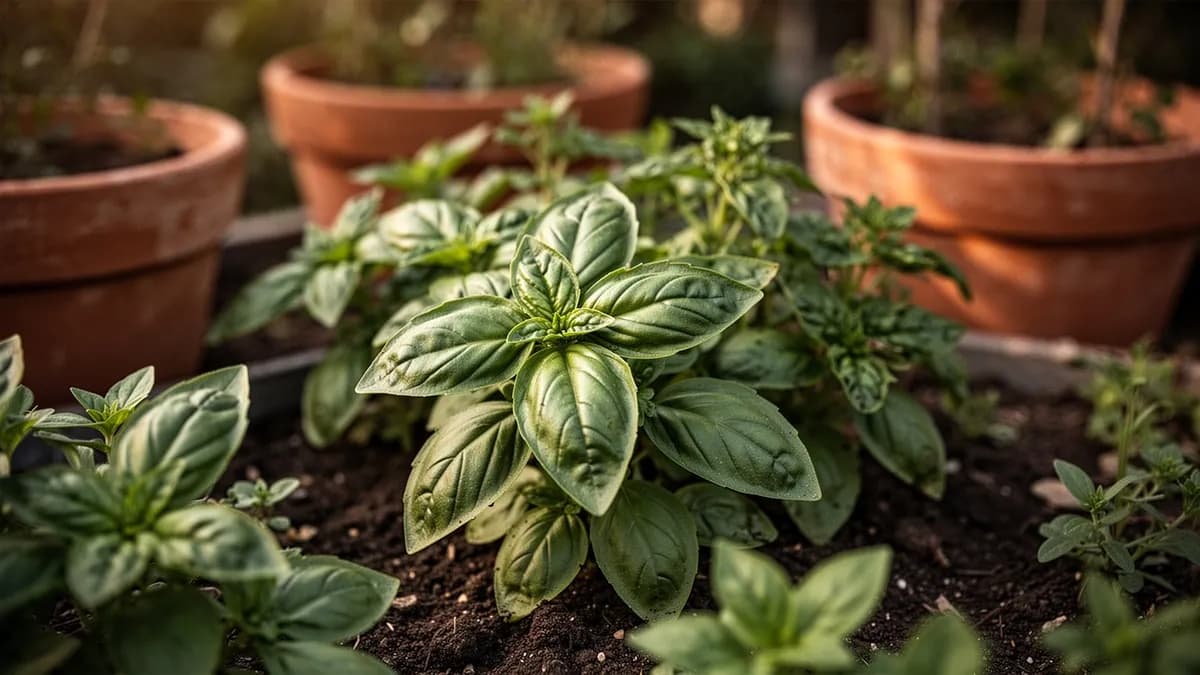
An Italian heirloom basil with exceptionally large, crinkled lettuce-like leaves that can reach 4 inches across.





On this pageOverview
Meet Napoletano Basil
An Italian heirloom basil with exceptionally large, crinkled lettuce-like leaves that can reach 4 inches across. Napoletano is prized for wrapping around fresh mozzarella in caprese and for making large-batch pesto. Grow in full sun with consistent moisture and pinch flowers early to keep the oversized foliage tender and productive.
When to plant Napoletano Basil
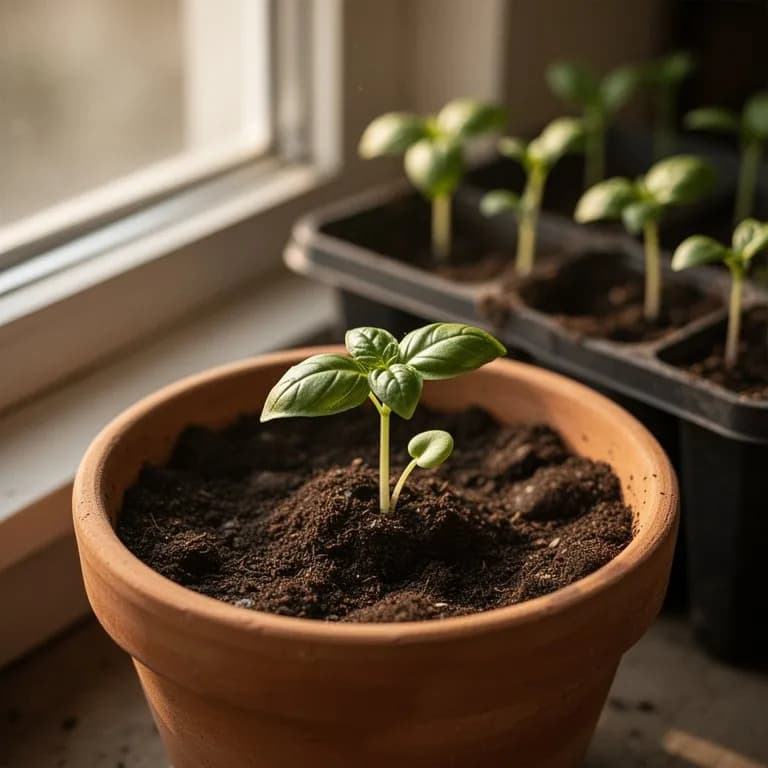
Sow Napoletano basil seeds indoors 6 to 8 weeks before the last frost. Press seeds onto the surface of warm, moist seed-starting mix; they need light to germinate. Maintain soil temperature of 70 to 75 degrees using a heat mat if necessary. Germination occurs in 5 to 10 days. Thin to the strongest seedling per cell. Grow under strong lights to prevent legginess. Harden off gradually over 7 to 10 days before transplanting outdoors when nighttime temperatures consistently exceed 50 degrees Fahrenheit.
Your Napoletano Basil Year
Composed for Zone 7 · typical seasons · frost passes Apr 2, returns Nov 1
Plant Napoletano Basil Apr – Jun, pick Jun – Sep. Check the planting methods below and set your climate to personalize these windows.
How to grow Napoletano Basil
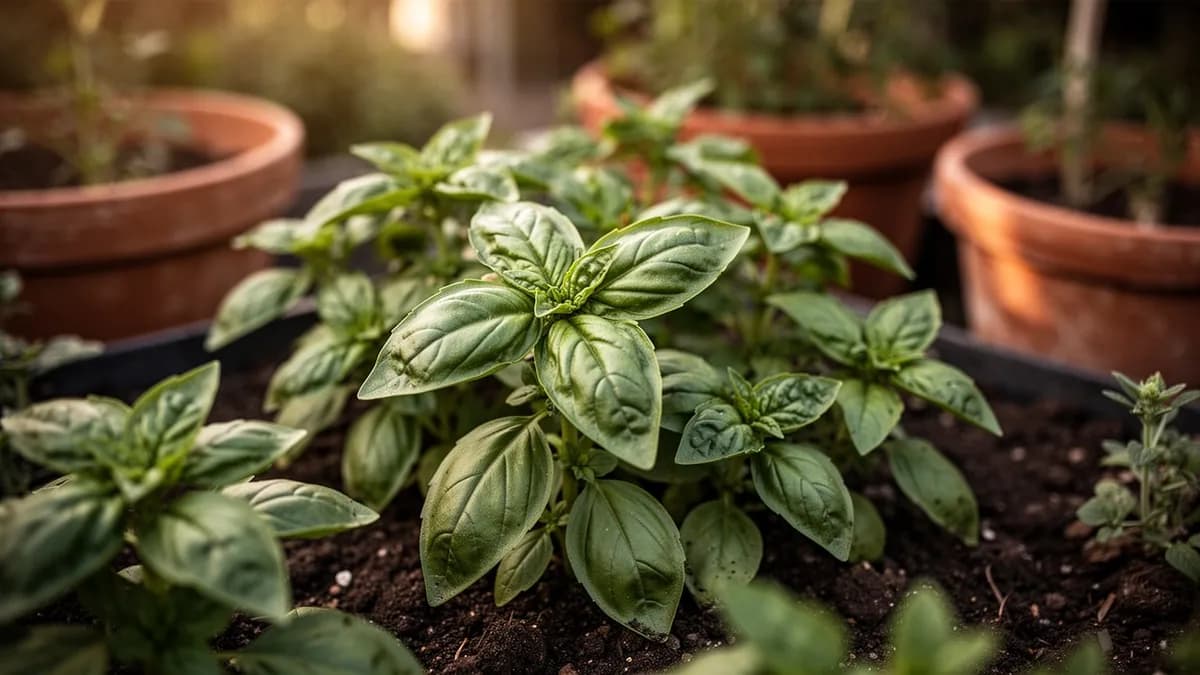
Napoletano basil is a magnificent Italian heirloom variety producing oversized, crinkled lettuce-like leaves that can span 4 to 5 inches across, making it one of the largest-leaved basil cultivars available. The enormous leaves are perfect for wrapping mozzarella in caprese salad and for making large-batch pesto with fewer leaves to pick. Grow in full sun with rich, well-drained soil with a pH of 6.0 to 7.0.
Start seeds indoors 6 to 8 weeks before the last frost by sowing on the surface of warm, moist seed-starting mix. Basil needs warmth of 70 to 75 degrees for germination, which occurs in 5 to 10 days. Transplant outdoors only after nighttime temperatures consistently exceed 50 degrees. Space plants 12 to 18 inches apart.
Keep soil consistently moist but never waterlogged. Mulch around plants to conserve moisture and suppress weeds. Pinch flower buds as soon as they appear to maintain leaf production and prevent bitter flavor development. Harvest frequently from the top to encourage bushy lateral growth. Feed every 2 to 3 weeks with a balanced liquid fertilizer during active growth. Napoletano can also be grown in large containers at least 12 inches in diameter.
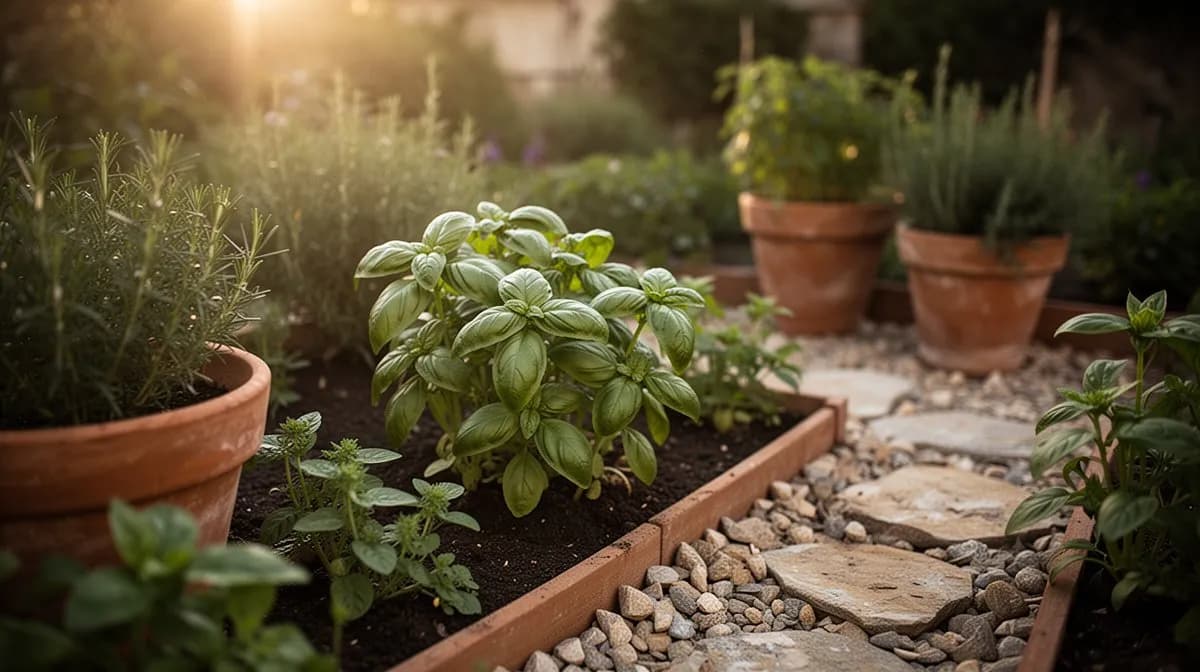
32 plants fit a 4 × 8 ft bed
Each Napoletano Basil wants 30 cm of elbow room. The planner keeps that spacing for you — every plant, every bed.
Napoletano Basil's best neighbours
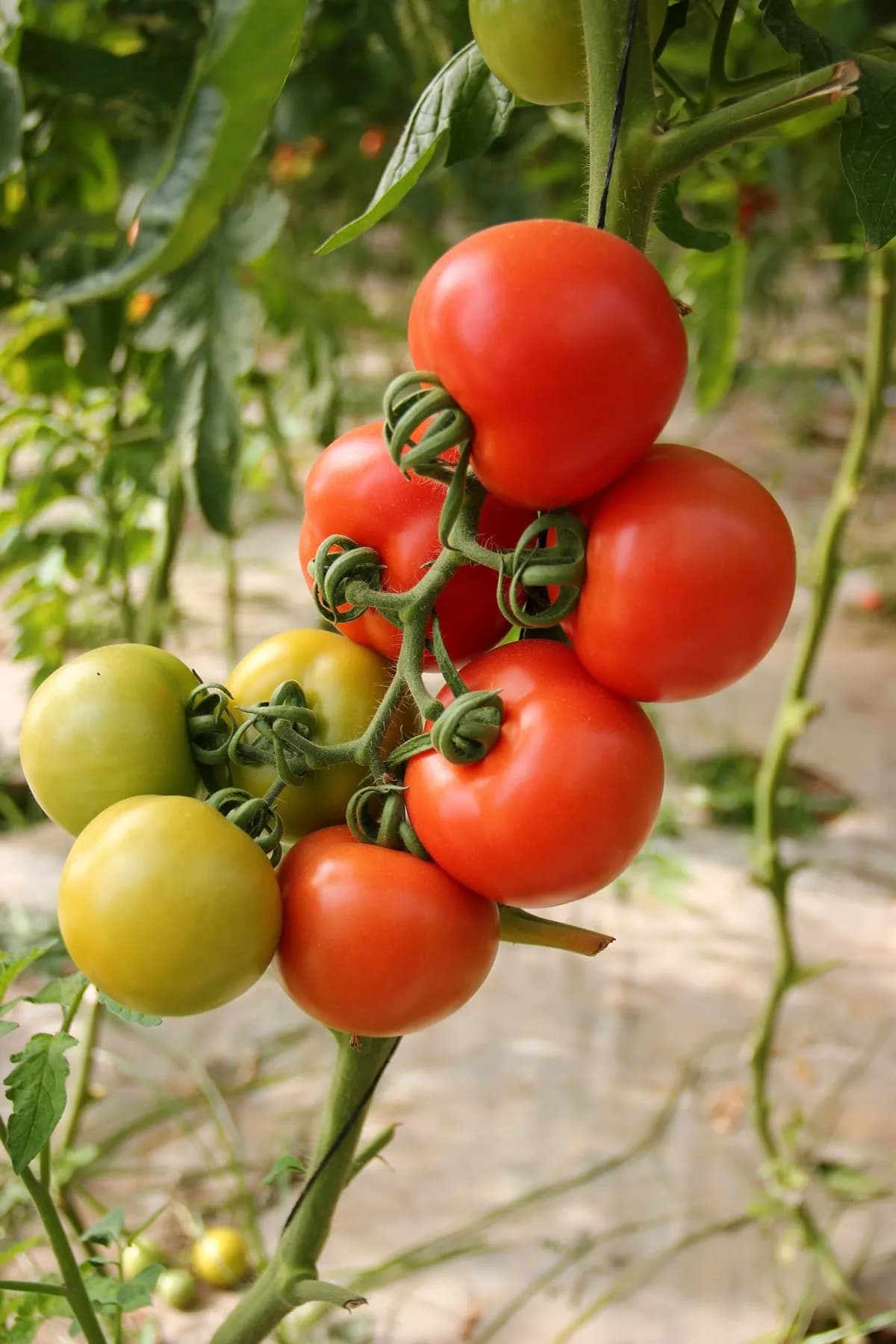
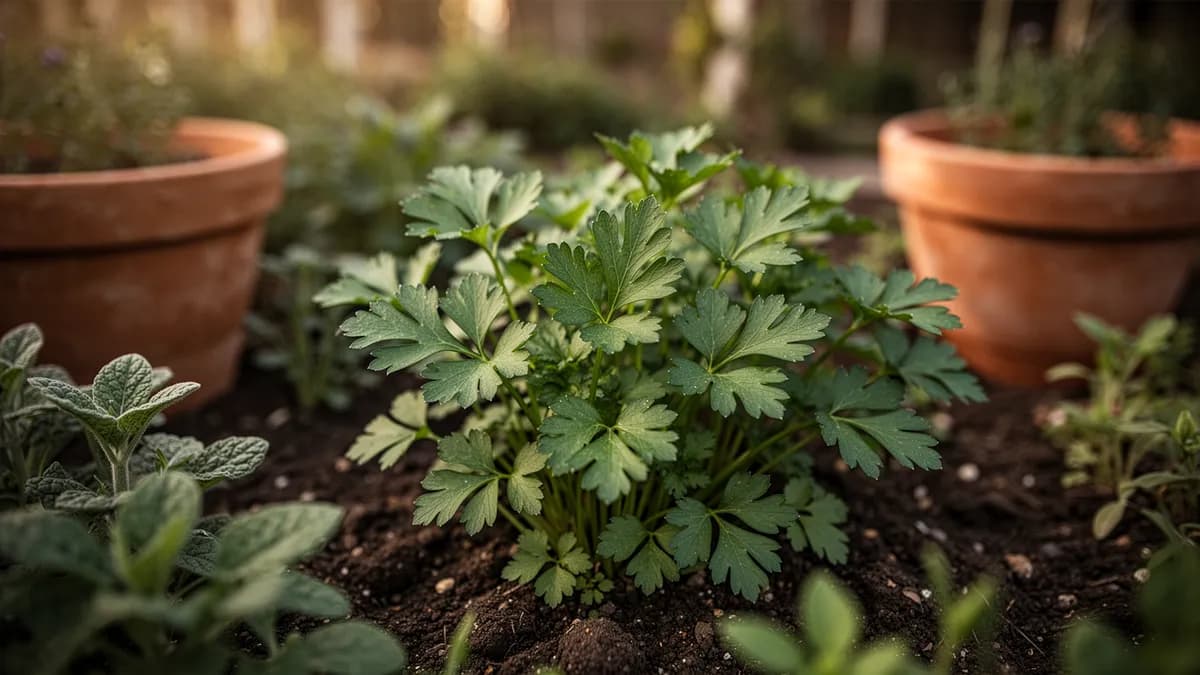
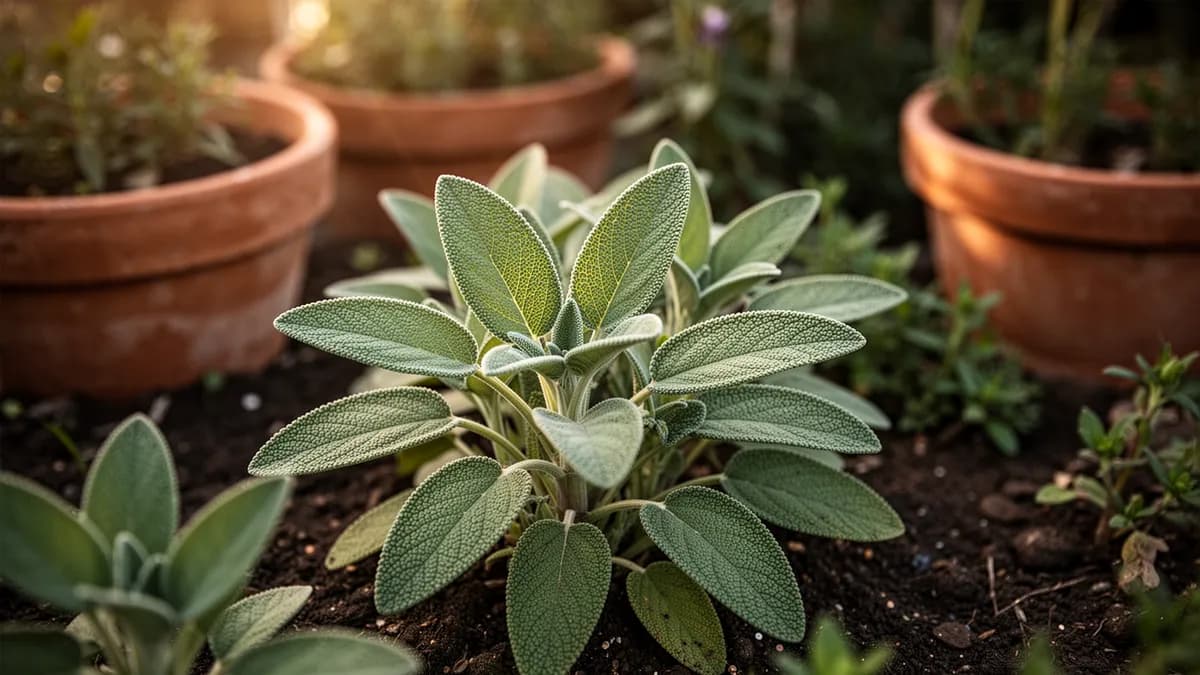
Napoletano basil is a classic companion for tomatoes in both the garden and the kitchen. The strong aroma is reputed to repel aphids, whiteflies, and hornworms from nearby tomato plants. Plant alongside peppers, eggplant, and other nightshades. Pair with oregano and parsley in a dedicated Italian herb garden. Avoid planting near sage and rosemary, which prefer drier conditions.
Tomato belongs beside it. Sage doesn't.
Old growers' knowledge, checked against Napoletano Basil's real companion table below — test any plant you're growing.
Try Napoletano Basil in a bed — right here
A real planner bed with Napoletano Basil already in it. Tap a companion to place it and watch the pairing checks answer — green for good neighbours, red for a clash.


Related growing guides
Feed it well
Napoletano basil thrives in rich, moist, well-drained soil with a pH of 6.0 to 7.0. Amend garden soil generously with compost before planting. Feed every 2 to 3 weeks with a balanced liquid fertilizer or fish emulsion during active growth. The large leaves require ample nitrogen for vigorous production. Container plants need more frequent feeding, every 1 to 2 weeks. Avoid over-fertilizing late in the season, which promotes soft growth vulnerable to disease.
Ideal Temperature
Hardiness Zone Compatibility
From seed to harvest, stage by stage
Seed Germination
Napoletano basil seeds are small and dark, requiring warm soil temperatures of 20-25°C (68-77°F) for reliable germination. When moistened, the seeds develop a gelatinous coating that helps anchor them to the soil surface. Cotyledon leaves emerge within 5-10 days as a pair of small, rounded, bright green leaves.
Seedling Development
The first pairs of true leaves appear, already showing the larger-than-average leaf size that distinguishes Napoletano from standard sweet basil. The stem begins to thicken and the seedling establishes a compact root system. Growth is slow at this stage and the young plants are sensitive to cold drafts and overwatering.
Vegetative Growth
Rapid leaf production begins as the plant develops multiple side branches in response to earlier pinching. The characteristic large, slightly blistered (bolloso) leaves expand to 8-12 cm in length, considerably larger than Genovese basil. The plant takes on a bushy, dome-shaped habit reaching 30-40 cm tall. Aromatic oil production intensifies, and leaves become highly fragrant when brushed.
Peak Harvest
The plant reaches its maximum size of 40-60 cm tall and wide, with dozens of large, aromatic leaves ready for continuous harvesting. Essential oil concentration peaks just before the flower buds begin to swell, making this the optimal window for the most intensely flavored leaves. A well-maintained plant can produce prolifically for 6-8 weeks during this stage.
Flowering and Seed Set
If not continuously pinched, the plant sends up white flower spikes from the terminal growing points. Once flowering begins, leaf production slows significantly, leaves become smaller, and flavor changes as the plant redirects energy toward seed production. The white flowers are attractive to bees and other pollinators. Seeds mature inside the spent flower calyxes about 4-6 weeks after bloom.
Sow seeds shallowly, covering with no more than 3mm of fine soil or vermiculite. Bottom heat from a seed mat dramatically improves germination speed and uniformity. Keep the soil consistently moist but never waterlogged — basil seeds rot easily in cold, wet conditions. Do not start too early; wait until nighttime temperatures stay above 12°C (54°F).
Caring for Napoletano Basil month by month
What to do each month for your Napoletano Basil
October
You are hereFinal outdoor harvests in most zones before frost. Strip all remaining leaves for preserving — freeze in olive oil, blend into pesto, or layer with salt. Take 10 cm stem cuttings and root them in water to grow as houseplants through winter. Pull spent plants and compost them.
Know exactly what to do in your garden — every month
One email at the start of each month: what to sow, plant, and tackle right now — for your Napoletano Basil and everything growing around it. Plus a short starter course that helps you dodge the classic mistakes.
- What to do, right now
- Matched to your season
- Starter course included
Harvesting Napoletano Basil
Begin harvesting Napoletano basil when plants have 6 to 8 sets of leaves by pinching the top 2 to 3 leaf pairs from each stem. This encourages branching and bushier growth. The large leaves are easy to harvest individually for fresh use. For pesto, harvest larger quantities in the morning after dew has dried but before the heat of the day. Harvest the entire plant before the first frost, as basil blackens immediately with cold exposure. A single Napoletano plant can yield a cup or more of packed leaves per week during peak season.
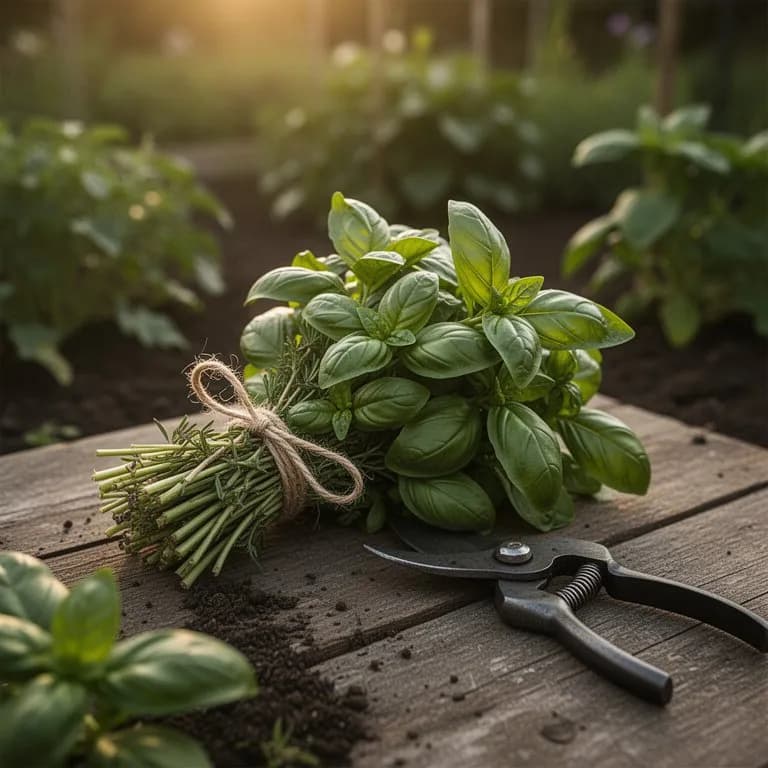
assuming you plant when the window opens — set your real date
Pick Napoletano Basil promptly and the plant keeps producing.
Storage & Preservation
Fresh Napoletano basil stores best at room temperature in a glass of water on the counter, not in the refrigerator, which causes leaf blackening. Change water daily and it will stay fresh for a week or more. For long-term preservation, make pesto and freeze in ice cube trays. Leaves can also be layered in olive oil in jars and frozen. Drying Napoletano basil is less ideal due to the thick, fleshy leaves, but it can be done in a dehydrator at 95 degrees. Flash-freezing individual leaves on baking sheets preserves color and flavor for several months.
What goes wrong — and the fix
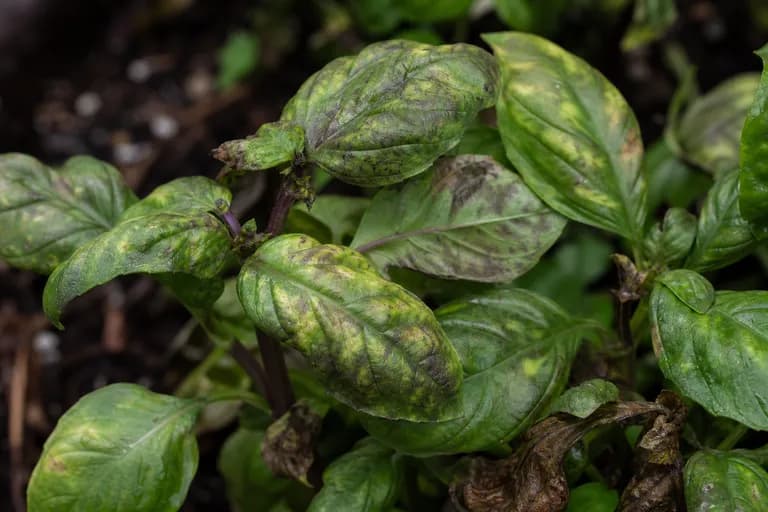
Basil Downy Mildew
DiseaseYellowing between leaf veins on upper surfaces with corresponding gray-purple fuzzy growth on undersides. Leaves brown and drop. Spreads rapidly in humid conditions.
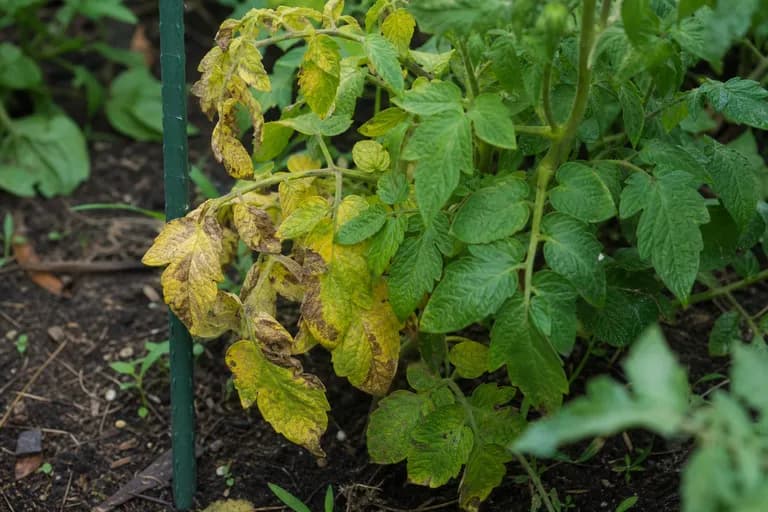
Fusarium Wilt
DiseaseBrown streaking in stems, wilting of individual branches progressing to the whole plant. Stunted growth and yellowing leaves. Common in warm, moist soil.
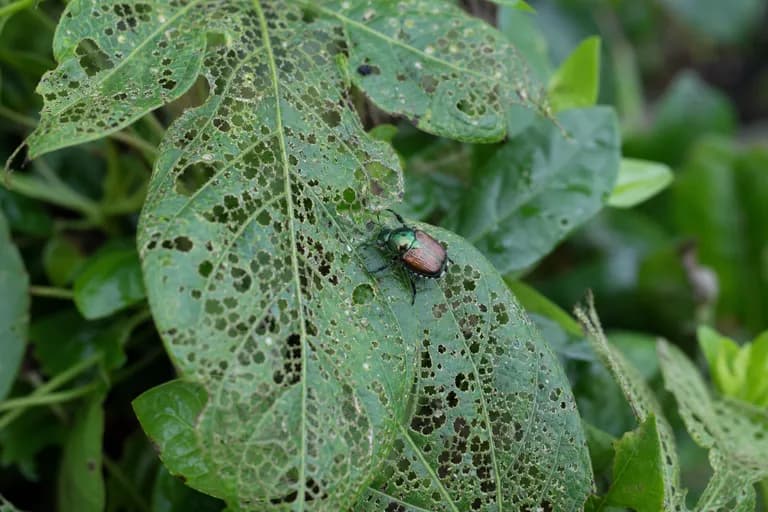
Japanese Beetles
PestMetallic green-copper beetles skeletonize large leaves, eating between veins and leaving lace-like remnants. Most active June through August.
Troubleshooting Common Problems
Basil downy mildew has become the most serious threat to all basil varieties in recent years, and Napoletano's large, dense leaves can trap humidity that promotes the disease. Good air circulation is essential. Cold sensitivity means a single touch of frost destroys the plant. The large leaves wilt dramatically in drought, though they usually recover quickly with watering. Bolting in hot weather causes bitter flavor; pinch flowers immediately. Japanese beetles and slugs are attracted to the tender large leaves.
Growing Tips
- Pinch early and often — this is the single most important technique for Napoletano basil. When the plant has 3 pairs of true leaves, pinch the stem just above the second pair. This forces two side branches, each of which should be pinched again at 3 pairs, creating a bushy plant with 8+ growing tips instead of a single tall stem.
- Never transplant Napoletano basil outdoors until nighttime temperatures are consistently above 12°C (54°F). Cold soil and cool nights cause permanent stunting and yellowing that the plant never fully recovers from, even if warm weather arrives later.
- Water at the base of the plant in the morning, never overhead. Wet basil leaves are highly susceptible to downy mildew (Peronospora belbahrii), a devastating disease that has become the most serious threat to basil worldwide. Good air circulation between plants also helps prevent it.
- Grow Napoletano basil alongside tomatoes — this classic Italian companion planting is backed by both tradition and garden science. The basil may help repel certain tomato pests including aphids and whiteflies, and both plants share identical sun, water, and soil requirements.
- Harvest entire stems rather than individual leaves. Cut stems just above a leaf node, and two new branches will grow from that point. Plucking individual leaves damages the plant and is far less productive than strategic stem cutting.
- Never let Napoletano basil flower if you want continued leaf production. Flowering triggers a hormonal shift that makes leaves smaller, tougher, and less aromatic. Check daily during midsummer and pinch off any emerging flower buds immediately.
- Feed with a nitrogen-rich organic fertilizer every two weeks during peak growing season. Basil is a moderately heavy feeder, and Napoletano's large leaves demand more nutrients than smaller-leaved varieties. Fish emulsion, compost tea, or dilute seaweed extract all work well.
- Preserve the harvest by freezing rather than drying. Blend fresh leaves with olive oil and freeze in ice cube trays for instant pesto bases and pasta sauce additions all winter. Alternatively, layer whole leaves between sheets of wax paper and freeze flat — they crumble easily into dishes straight from the freezer.
- Start a second succession sowing 4-6 weeks after the first planting to extend the harvest season. The first planting may decline by late summer due to disease pressure or heat stress, and a fresh batch of plants ensures uninterrupted supply through early autumn.
- Grow at least one plant in a large container (30 cm or wider) near the kitchen door. Container-grown Napoletano basil can be moved to catch optimal sunlight, brought indoors during unexpected cold snaps, and provides instant access to fresh leaves while cooking.
Grow your best Napoletano Basil yet — and everything around it.
Start a free plan today. Lay out your beds, drop in your Napoletano Basil, and let PlotMyGarden handle the timing, spacing, companions and reminders from seed to harvest basket.
Pick your Napoletano Basil
Napoletano Standard
The classic Italian heirloom with enormous crinkled leaves up to 5 inches across. Slow to bolt in hot weather. Sweet, complex basil flavor ideal for pesto and caprese.
Mammoth Basil
A similar large-leaved type with slightly smoother texture. Even faster growing with comparable leaf size. Good alternative if Napoletano seed is unavailable.
Fresh basil is one of the most expensive herbs at retail, typically costing $3-5 for a small 30g supermarket clamshell or $2-4 for a cut bunch that wilts within days. A single Napoletano basil plant produces 400-600g over the season — equivalent to 13-20 store-bought packages worth $40-100 at retail prices. A $3 seed packet contains enough seeds to grow 50-100 plants. Growing 4-6 plants for a household costs under $5 in seeds and soil yet produces basil worth $160-600 at grocery store prices, making it one of the highest-return crops for any home garden.
Quick recipes
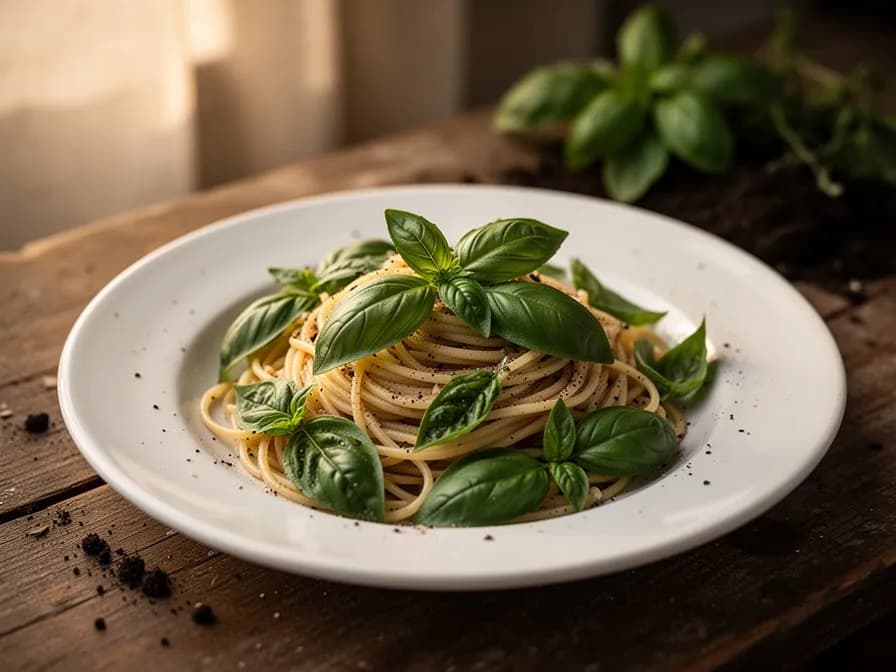
Classic Napoletano Pesto
15 minAn authentic Italian pesto made with the large, fragrant leaves of Napoletano basil. The oversized leaves produce a generous yield with less stemming, and their robust flavor stands up beautifully to the garlic, pine nuts, and aged Parmigiano-Reggiano in this traditional Ligurian sauce.
7 ingredientsInsalata Caprese with Napoletano Basil
10 minThe quintessential Italian summer salad elevated by the use of whole Napoletano basil leaves, which are large enough to fully cover each slice of mozzarella. The simplicity of this dish means the quality of each ingredient matters enormously — use the best tomatoes, freshest mozzarella, and just-picked basil.
6 ingredientsBasil-Wrapped Mozzarella Bites
15 minAn elegant appetizer that showcases the large leaf size of Napoletano basil. Fresh mozzarella balls are wrapped in whole basil leaves, drizzled with olive oil, and finished with a touch of chili flake and lemon zest. Perfect for summer entertaining with minimal effort.
7 ingredientsCulinary Uses
Napoletano basil is the premier variety for Italian pesto Genovese, as the large leaves make quick work of harvesting enough for a batch. The oversized leaves are perfect for wrapping fresh mozzarella in insalata caprese and for lining plates as edible garnish. Layer whole leaves on pizza, in panini, and on bruschetta. The sweet, complex flavor with hints of anise and clove is classic Italian. Use torn leaves in pasta sauces, Margherita pizza, and fresh tomato salads. Infuse into olive oil or vinegar for Italian-style dressings.
What's inside
Health Benefits
- Rich in eugenol, a natural compound with potent anti-inflammatory properties that may help reduce swelling and discomfort when consumed regularly as part of a varied diet.
- Excellent source of vitamin K, providing over 300% of the daily value per 100g — essential for proper blood clotting and supporting healthy bone density and calcium metabolism.
- Contains rosmarinic acid, a polyphenolic compound studied for its antioxidant effects that may help protect cells from oxidative stress and support the body's natural defense systems.
- Provides meaningful amounts of iron (3.17mg per 100g) and manganese (1.15mg per 100g), trace minerals critical for oxygen transport in the blood and enzyme function throughout the body.
- The essential oils in basil — including linalool and citronellol — have demonstrated antimicrobial properties in research settings and have been used in traditional medicine for digestive support for centuries.
- High in beta-carotene and other carotenoids that function as antioxidants and are converted by the body into vitamin A, supporting eye health, immune function, and healthy skin cell renewal.
Where Napoletano Basil comes from
Napoletano basil (Ocimum basilicum 'Napoletano') is a traditional Italian cultivar that originated in the Campania region of southern Italy, centered around the city of Naples. It belongs to the large-leaved group of sweet basils, sometimes referred to as 'lattuga' (lettuce leaf) basil due to the remarkable size and slightly crinkled, cupped texture of its foliage. While all cultivated basil traces its ancestry to tropical regions of central Africa and Southeast Asia, the Napoletano variety was selected and refined over centuries by Italian gardeners who prized its oversized leaves, intense fragrance, and sweetness for use in the regional cuisine of Campania.
Basil arrived in the Mediterranean basin via ancient trade routes, likely reaching Greece and southern Italy by at least the 3rd century BCE. The ancient Romans cultivated basil extensively and spread it throughout their empire, but it was in the warm, sun-drenched gardens of southern Italy that the large-leaved Napoletano type was gradually developed through careful selection. Neapolitan gardeners favored plants with the biggest, most aromatic leaves — ideal for wrapping around fresh mozzarella, layering into wood-fired pizza margherita, or pounding into sauces with pine nuts and olive oil.
By the Renaissance, basil had become deeply woven into the culture and folklore of Naples and southern Italy. It was grown on nearly every balcony and courtyard, associated with love, hospitality, and prosperity. The large-leaved Napoletano strain was distinguished from the smaller-leaved Genovese basil of Liguria, each region fiercely loyal to its own cultivar. In the 20th century, Italian immigrants brought Napoletano basil seeds to communities across North and South America, where the variety found new audiences among both Italian diaspora gardeners and chefs seeking authentic ingredients. Today, Napoletano basil is grown worldwide and remains the basil of choice in Neapolitan cuisine, valued for its generous leaf size that allows a single leaf to cover an entire slice of tomato or mozzarella in a caprese salad.
Napoletano Basil: did you know?
Fascinating facts about Napoletano Basil
Napoletano basil (also called Lettuce Leaf basil) produces some of the largest leaves of any basil variety — individual leaves can grow up to 12-13 cm long and 8 cm wide, roughly three times the size of standard Genovese basil leaves, making it look more like a small lettuce than a typical herb.
Napoletano Basil questions, answered
When should I plant Napoletano Basil?
What are good companion plants for Napoletano Basil?
What hardiness zones can Napoletano Basil grow in?
How much sun does Napoletano Basil need?
How far apart should I space Napoletano Basil?
What pests and diseases affect Napoletano Basil?
How do I store Napoletano Basil after harvest?
What are the best Napoletano Basil varieties to grow?
What soil does Napoletano Basil need?
What makes Napoletano basil different from Genovese basil?
Why are my Napoletano basil leaves turning black?
Can I grow Napoletano basil indoors year-round?
How do I make pesto with Napoletano basil that stays bright green?
How much basil does one Napoletano plant produce?
When should I harvest Napoletano basil for the best flavor?
You just read the theory. Now grow it on autopilot.
Everything that makes Napoletano Basil fiddly — the timing, the spacing, the companions, the harvest window — is exactly what PlotMyGarden handles for you, for every plant in your garden.
A plan that knows your weather
Set your location once. Get sow, feed and harvest dates built around your real last-frost date and live forecast — no more guessing from a generic seed packet.
From the “When to plant” sectionDrag-and-drop bed planner
Design beds on a grid. Every plant snaps to its proper spacing, and you can see your whole season laid out before you spend a cent on seed.
From the “Growing guide” sectionCompanion conflicts, caught early
200+ good-and-bad pairings checked live as you plant — so a season-wrecking mistake never makes it into the ground.
From the “Companions” sectionReminders you'll actually act on
“Water the beans.” “Pick today before it turns.” Timely, specific, and tied to the plants you're really growing.
From the “Harvest” sectionSuccession, scheduled
Want a harvest for six weeks, not six days? It spaces your sowings automatically and reminds you when each new block is due.
From the “When to plant” sectionA record that gets smarter
Every harvest you log teaches it your garden. Next year's plan starts from what actually worked in your soil, not a textbook's.
From the “Overview” sectionPlant these alongside Napoletano Basil
More Culinary Herbs
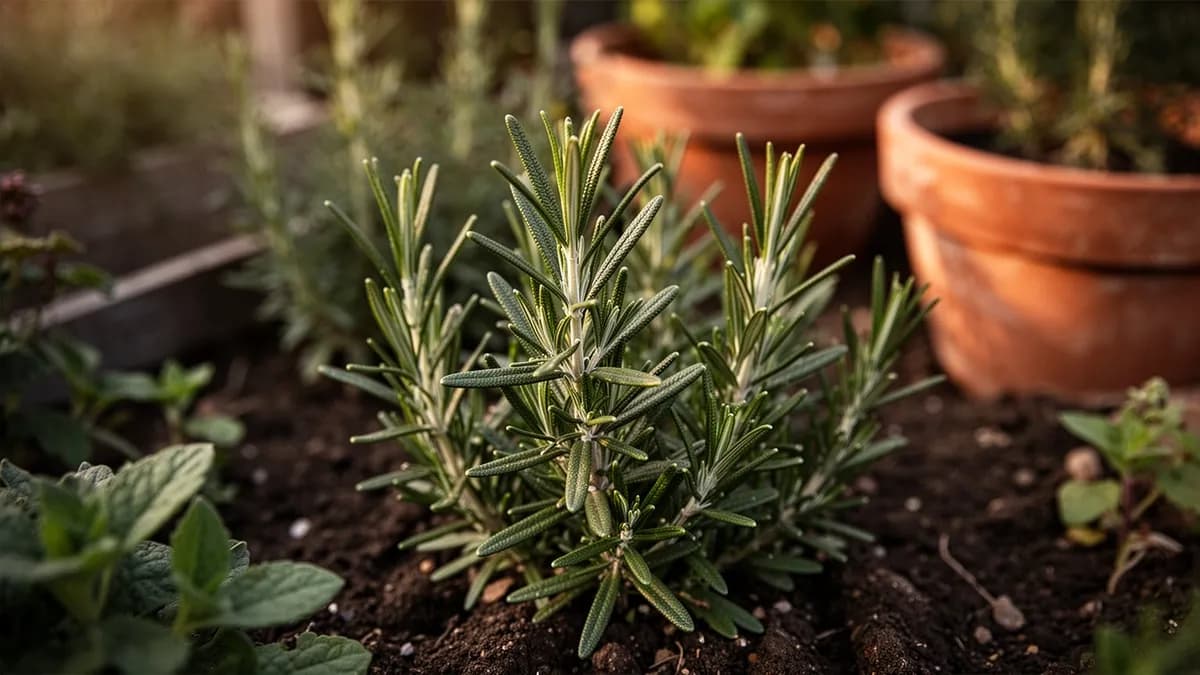
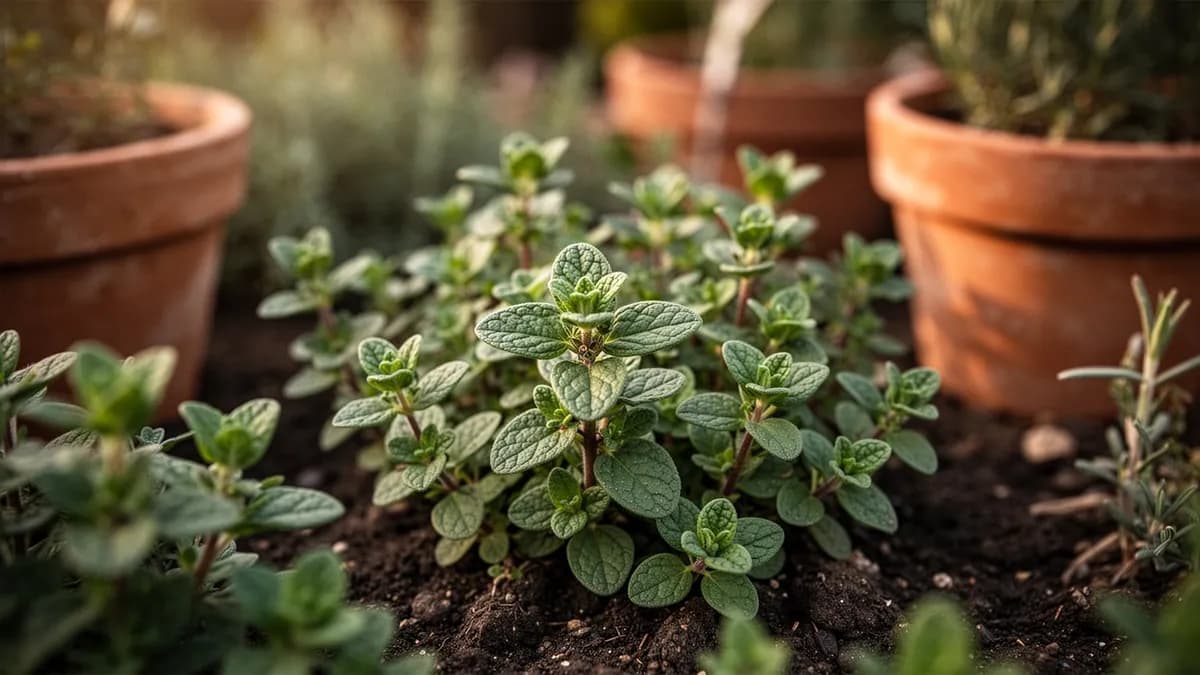
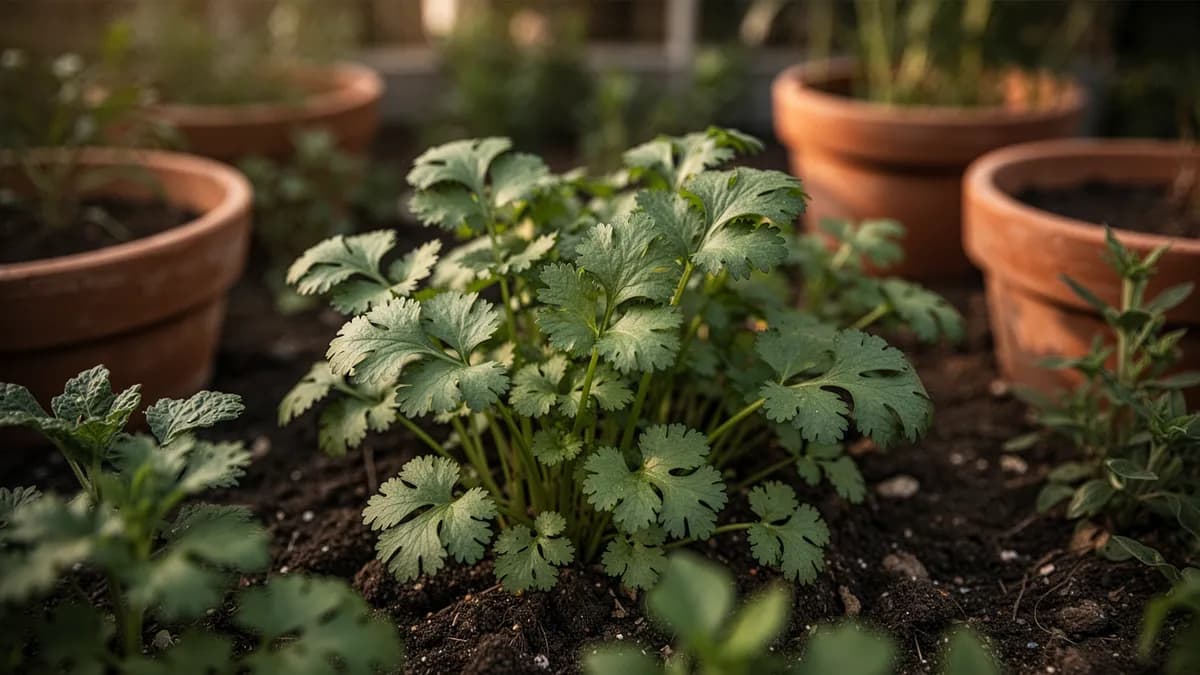
Keep Napoletano Basil away from these
Grow your best Napoletano Basil yet — and everything around it.
Start a free plan today. Lay out your beds, drop in your Napoletano Basil, and let PlotMyGarden handle the timing, spacing, companions and reminders from seed to harvest basket.