Ciprés Calvo
Una conífera caducifolia nativa de pantanos y llanuras aluviales, con un follaje plumoso que adquiere tonalidades de cobre rojizo antes de caer en otoño.






En esta páginaResumen
Conoce Ciprés Calvo
Una conífera caducifolia nativa de pantanos y llanuras aluviales, con un follaje plumoso que adquiere tonalidades de cobre rojizo antes de caer en otoño. El ciprés calvo desarrolla unas características protuberancias radiculares nudosas llamadas rodillas cuando crece cerca del agua, aunque también prospera sorprendentemente bien en suelos de jardín normales. Es uno de los árboles más tolerantes a las inundaciones y más resistentes a los huracanes disponibles, con un tronco abocelado que proporciona una estabilidad excepcional. La especie es extraordinariamente longeva, con algunos ejemplares que superan los mil años de edad.
Cuándo plantar Ciprés Calvo
Las semillas del ciprés calvo requieren una estratificación fría y húmeda de 90 días para romper la dormancia. Recoja las semillas de los conos en desintegración en otoño, limpie cualquier recubrimiento resinoso y colóquelas en arena o turba húmeda en el frigorífico durante todo el invierno. Siembre las semillas estratificadas en primavera en un sustrato constantemente húmedo para germinación, cubriéndolas apenas. La germinación se produce en 2 a 4 semanas a 21 grados Celsius. Mantenga las plántulas constantemente húmedas, ya que son sensibles a la desecación. Las plántulas crecen entre 30 y 45 cm en el primer año en condiciones favorables.
Tu año de Ciprés Calvo
Ajustado a Zona 7 · temporada típica · la helada se va hacia el 2 abr y vuelve hacia el 1 nov
Planta Ciprés Calvo Mar – Abr, Oct – Nov y cosecha —. Consulta los métodos de plantación y elige tu clima para adaptar los periodos.

Cómo cultivar Ciprés Calvo
Plante el ciprés calvo a pleno sol en un suelo húmedo a encharcado. Aunque se encuentra de forma natural en pantanos y llanuras aluviales, el ciprés calvo se adapta notablemente bien a suelos normales y bien drenados, e incluso tolera la sequía moderada una vez establecido. Espacie los árboles entre 9 y 15 metros según el efecto deseado. Plante ejemplares con cepellón o en contenedor en primavera, situando el cuello de raíz a nivel del suelo o ligeramente por encima.
Riegue generosamente durante las dos primeras temporadas de crecimiento, manteniendo el suelo constantemente húmedo. El ciprés calvo es una de las pocas coníferas que tolera el agua estancada y las inundaciones periódicas, lo que lo hace ideal para jardines de lluvia, bordes de estanques y zonas bajas. Aplique una capa de 7 a 10 cm de mantillo orgánico sobre la zona radicular. En terrenos elevados, proporcione riegos profundos durante los períodos secos prolongados para mantener el vigor.
Se necesita una poda mínima, limitada a la eliminación de ramas muertas y de cualquier líder competidor. El ciprés calvo desarrolla naturalmente una forma piramidal fuerte con un tronco central recto. Las características formaciones de rodillas solo se desarrollan en condiciones permanentemente húmedas o inundadas y pueden no aparecer en suelos de jardín normales. El follaje plumoso adquiere un hermoso tono cobrizo en otoño antes de caer, y las finas acículas se descomponen rápidamente.
Para Ciprés Calvo un bancal de 120 × 240 cm se queda corto
Cada Ciprés Calvo pide 900 cm de margen. El planificador guarda ese marco por ti — cada planta, cada bancal.
Los mejores vecinos de Ciprés Calvo
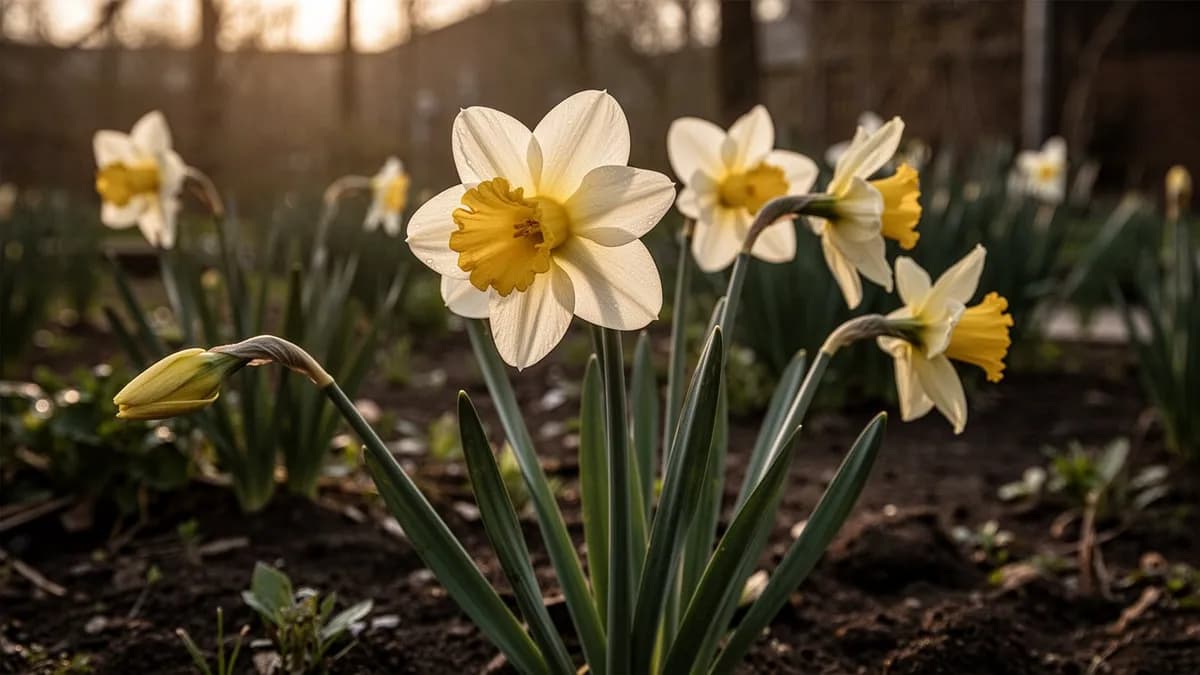
El ciprés calvo combina de forma natural con plantas amantes de la humedad como los iris, la flor cardenal, la eupatoria (Joe-Pye weed) y la asclepia de pantano en plantaciones de zonas húmedas. En suelos de jardín normales, las coberturas tolerantes a la sombra como los helechos, las hostas y la astilbe complementan la copa plumosa. La caída de acículas ácidas beneficia a las plantas compañeras acidófilas como las azaleas, los arándanos y los rododendros. Los narcisos y otros bulbos primaverales se naturalizan bien bajo la sombra ligera. Evite plantar directamente sobre la zona radicular abocelada, donde la competencia por el espacio y la humedad es intensa.
Narciso va a su lado.
Saber de huerto de siempre, cotejado con la tabla real de Ciprés Calvo — prueba cualquier planta que cultives.
Prueba Ciprés Calvo en un bancal, aquí mismo
Un bancal real del planificador con Ciprés Calvo ya plantado. Toca una planta compañera para colocarla y mira cómo responde la comprobación de vecinos: verde para buenos vecinos, rojo si hay conflicto.


Guías de cultivo relacionadas


Abónalo bien
El ciprés calvo crece de forma natural en suelos ácidos, húmedos a encharcados, con un pH de 5.0 a 6.5, pero se adapta bien a condiciones neutras y ligeramente alcalinas. Tolera suelos arcillosos, francos y arenosos por igual. Aplique un fertilizante acidificante, como una formulación diseñada para azaleas, a principios de primavera durante los primeros años. Los árboles maduros en suelos fértiles rara vez necesitan fertilización suplementaria. La clorosis férrica puede aparecer en suelos muy alcalinos, y se trata con aplicaciones de hierro quelatado y enmiendas de azufre para reducir el pH.
Temperatura ideal
Compatibilidad de zonas de rusticidad
De la semilla a la cosecha, etapa por etapa
Germinación y Emergencia de la Semilla
Las semillas del ciprés calvo requieren un período de estratificación fría y húmeda de 30 a 90 días para romper la dormancia. Una vez completada la estratificación y cuando la temperatura del suelo alcanza los 15-20 °C, la semilla se hincha y se abre, enviando una pálida radícula hacia el suelo húmedo. El arco del hipocótilo emerge y se endereza, arrastrando la cubierta de la semilla hacia arriba mientras el primer par de cotiledones se despliega. Las tasas de germinación son más altas en suelo mineral constantemente húmedo o en agua estancada somera de menos de 10 cm de profundidad.
Establecimiento de la Plántula
La joven plántula desarrolla su primer conjunto de acículas verdaderas — suaves, planas y dispuestas alternamente a lo largo de brotes verdes esbeltos en el característico patrón plumoso de dos hileras. Una fuerte raíz pivotante penetra rápidamente en el perfil del suelo mientras las raíces laterales comienzan a extenderse hacia el exterior. Las plántulas crecen entre 15 y 30 cm en su primera temporada de crecimiento en condiciones favorables. El tallo comienza a lignificarse desde la base hacia arriba, pasando de verde y herbáceo a leñoso.
Fase de Crecimiento Juvenil
Durante los primeros cinco años, el joven ciprés calvo desarrolla su forma piramidal característica, añadiendo entre 30 y 60 cm de altura por año en condiciones favorables. El tronco se engrosa y desarrolla los primeros indicios de corteza fibrosa. El sistema radicular se expande notablemente, con la raíz pivotante penetrando profundamente en el subsuelo húmedo y las raíces laterales extendiéndose hacia el exterior para anclar el tallo cada vez más alto. La arquitectura de las ramas se define más, con ramas horizontales a ligeramente ascendentes creando el clásico contorno cónico. La naturaleza caducifolia es evidente desde el primer año, con las acículas tornándose cobrizas en otoño y cayendo limpiamente.
Desarrollo Activo de la Copa
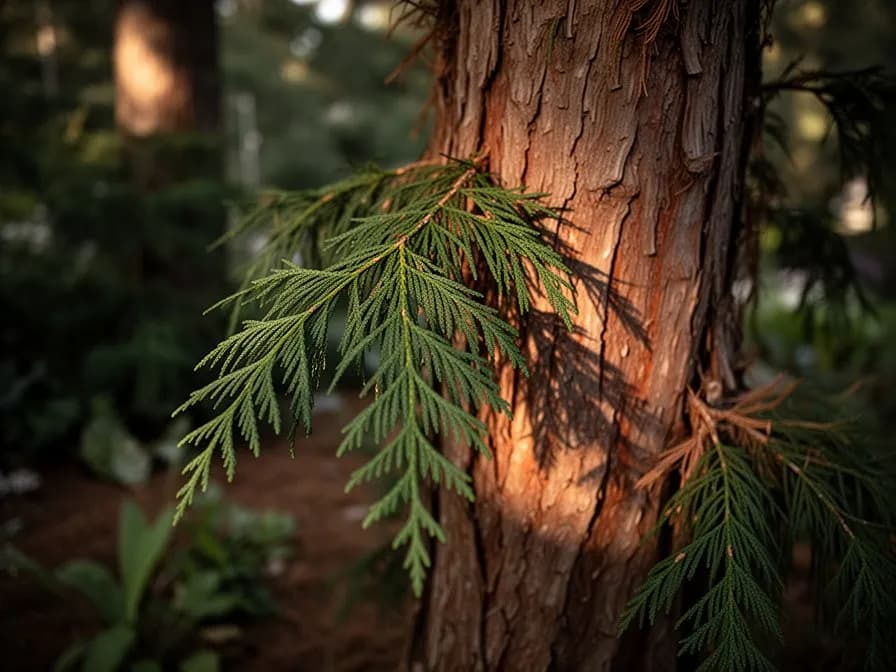
Entre los cinco y los veinte años, el ciprés calvo entra en un período de crecimiento vigoroso en altura y copa, añadiendo entre 45 y 75 cm por año y comenzando a desarrollar su copa madura y extendida. El tronco se ensancha notablemente en la base — este abocelamiento característico es una adaptación al crecimiento en suelos saturados, que proporciona estabilidad estructural en sustratos blandos. En terrenos húmedos, las primeras rodillas de ciprés (neumatóforos) pueden comenzar a emerger como protuberancias leñosas de las raíces laterales superficiales, apareciendo típicamente cuando el árbol alcanza entre 10 y 15 años de edad. La corteza madura hasta adquirir su característica textura fibrosa marrón rojiza.
Madurez Reproductiva
El ciprés calvo comienza típicamente a producir conos a los 20-30 años de edad aproximadamente. Las estructuras masculinas y femeninas aparecen en el mismo árbol — es monoico. A principios de primavera, los amentos masculinos péndulos se forman en racimos en las puntas de las ramas, liberando nubes de polen transportado por el viento. Los conos femeninos se desarrollan cerca de los extremos de las ramas como pequeñas esferas verdes de aproximadamente 2-3 cm de diámetro. Para el otoño, los conos maduran a un color pardo purpúreo y se deshacen sobre el árbol, liberando semillas de cáscara gruesa e irregular que son dispersadas por el agua y la fauna.
Ejemplar Maduro
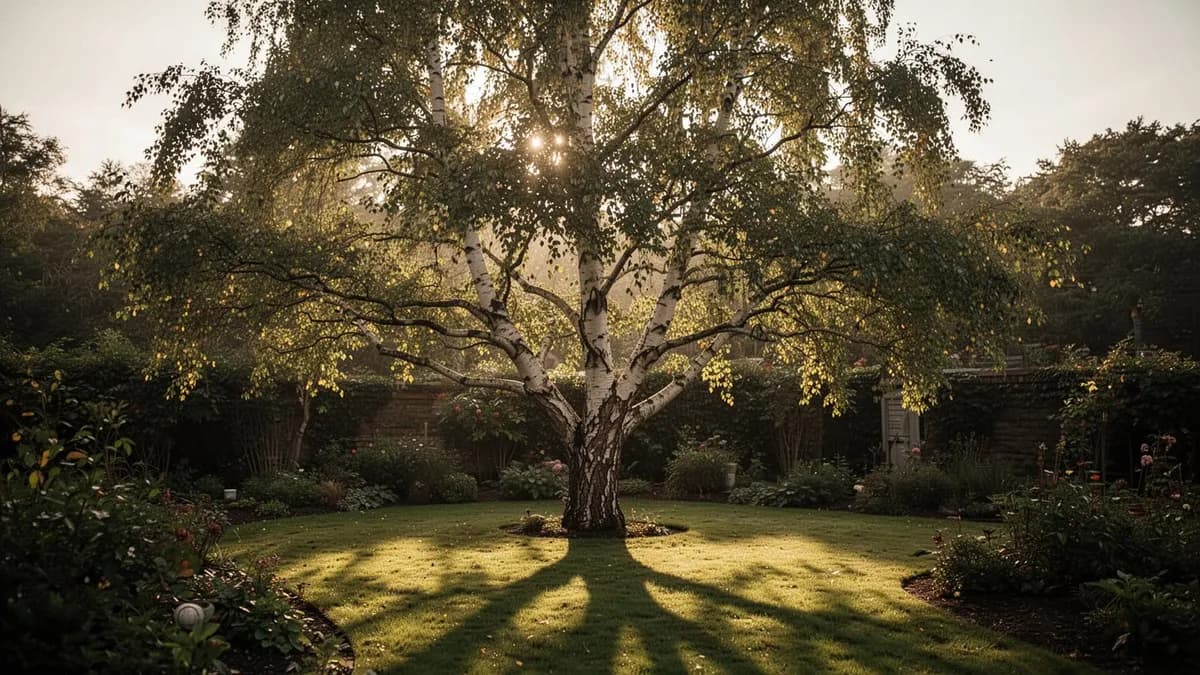
Un ciprés calvo plenamente maduro es una presencia imponente en el paisaje, alcanzando entre 20 y 40 metros de altura con un diámetro de tronco que a menudo supera un metro. La copa se ensancha desde su forma piramidal juvenil hacia una copa más abierta, extendida y de cima plana. La base abocelada puede volverse dramáticamente acampanada, particularmente en terrenos húmedos. Las rodillas de ciprés, si están presentes, pueden alcanzar alturas de 1-2 metros sobre la línea del agua o del suelo. Los ejemplares de crecimiento antiguo están documentados con más de 1.000 años de edad, y algunos árboles en Carolina del Norte han sido datados por carbono en más de 2.600 años, lo que convierte a Taxodium distichum en una de las especies arbóreas más longevas de la Tierra.
Caída Otoñal de Acículas y Dormancia
A medida que los días se acortan y las temperaturas descienden en otoño, el ciprés calvo experimenta su transición estacional más espectacular visualmente. Las suaves acículas plumosas pasan del verde al dorado pálido, luego al cobre intenso, rojizo y naranja quemado a lo largo de un período de tres a cuatro semanas. Este es uno de los despliegues de color otoñal más impresionantes de cualquier conífera, rivalizando con muchas especies caducifolias de hoja ancha. Después del pico de color, todo el complemento de acículas cae limpiamente de las ramillas, que a su vez se separan de las ramas principales. El árbol entra en plena dormancia como una silueta desnuda con un elegante patrón arquitectónico de ramificación.
Siembre las semillas estratificadas en bandejas con una mezcla franco-arenosa húmeda y manténgalas en un lugar cálido y luminoso a 20-25 °C. Mantenga una humedad constante: las semillas y plántulas de ciprés calvo son extremadamente intolerantes a la desecación durante esta fase crítica de establecimiento. Evite enterrar las semillas a más de 5 mm, ya que necesitan exposición a la luz para activar la germinación.
Cuidar Ciprés Calvo mes a mes
Qué hacer cada mes para tu Ciprés Calvo
Octubre
Mes actualEl despliegue completo de color otoñal está en su apogeo — las acículas del ciprés calvo se tornan de un cobre intenso, rojizo y naranja quemado. Las acículas y las pequeñas ramillas comienzan a caer. Este es un momento excelente para plantar cipreses calvos en contenedor, ya que el establecimiento radicular puede producirse antes de la dormancia invernal. Aplique una capa de compost alrededor de los árboles jóvenes para aislar las raíces de cara al invierno.
Ten claro qué hacer en tu huerto, cada mes
Un correo al empezar cada mes: qué sembrar, plantar y hacer ahora mismo — para tu Ciprés Calvo y todo lo que crece alrededor. Más un breve curso inicial para esquivar los errores clásicos.
- Qué hacer ahora mismo
- Ajustado a tu temporada
- Curso inicial incluido
Cosechar Ciprés Calvo
El ciprés calvo se cultiva por su valor ornamental y su madera, no por cosechas comestibles. Los conos verdes y redondos maduran a marrón en otoño y pueden recogerse para la extracción de semillas una vez que comienzan a desintegrarse en el árbol. La madera es excepcionalmente duradera y resistente a la putrefacción, históricamente denominada la madera eterna, y fue ampliamente cosechada para materiales de construcción. La madera de las rodillas se ha utilizado para artesanía y muebles. Las acículas caídas constituyen un excelente mantillo para plantas amantes de suelos ácidos.
se supone que plantas al comenzar el periodo — indica tu fecha real
Cosecha Ciprés Calvo a tiempo y la planta sigue produciendo.
Almacenamiento y conservación
Recoja los conos del ciprés calvo a principios de otoño cuando comiencen a tornarse marrones pero antes de que se desintegren. Almacene los conos en bolsas de papel en un lugar fresco y seco. Las semillas deben extraerse desmontando los conos y pueden conservarse en recipientes herméticos en el frigorífico hasta dos años. El duramen, naturalmente resistente a la putrefacción, se conserva indefinidamente y se ha recuperado en condiciones utilizables de troncos sumergidos en pantanos durante siglos. Las acículas caídas pueden compostarse o utilizarse directamente como mantillo acidificante.
Qué falla — y cómo solucionarlo
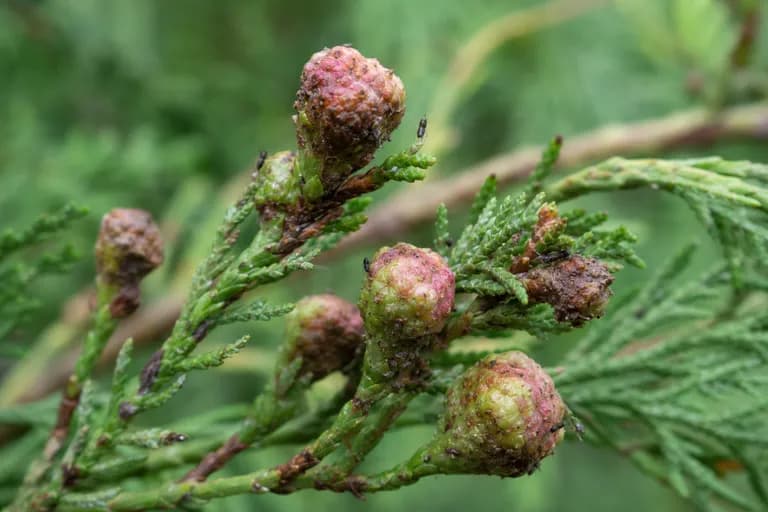
Mosquito de las Agallas del Ciprés (Cypress Twig Gall Midge)
PlagaSe forman pequeñas agallas redondeadas en las puntas de las ramas, causando un crecimiento hinchado y distorsionado. Las ramillas afectadas pueden adquirir forma de maza y el follaje se vuelve ralo en las ramas con agallas.
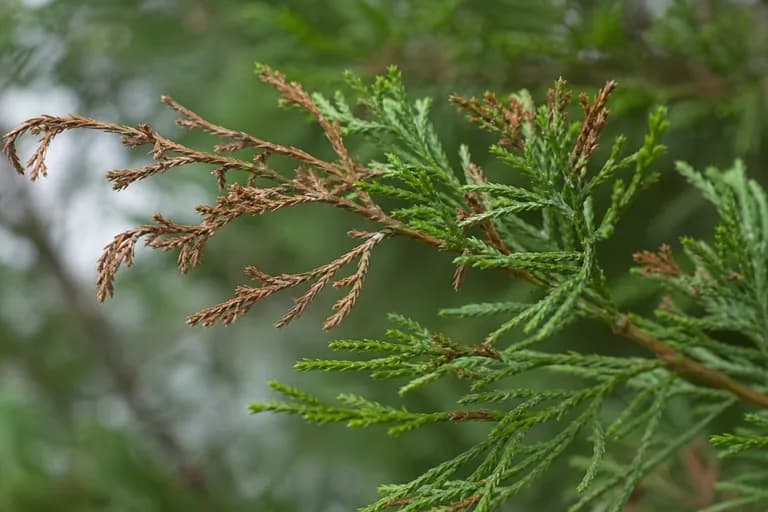
Tizón de Ramillas (Twig Blight)
EnfermedadLas puntas de ramas aleatorias se vuelven marrones y mueren desde el crecimiento terminal. Las ramillas muertas pueden permanecer adheridas al árbol, creando un aspecto antiestético entre el follaje verde.
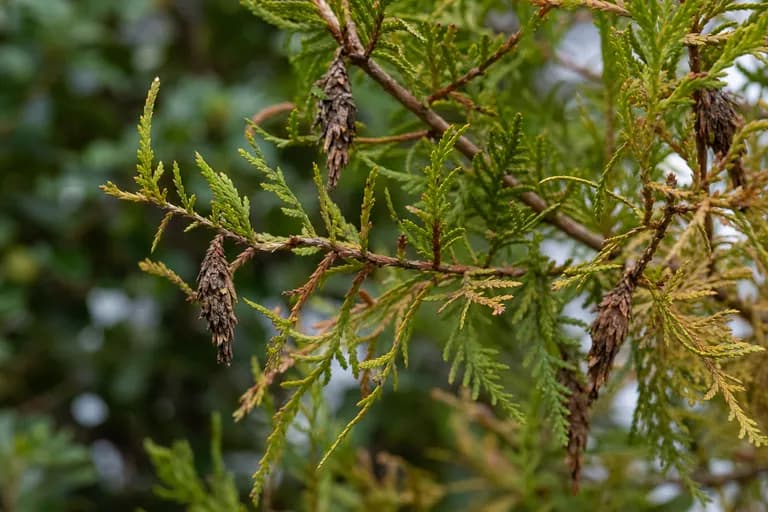
Oruga del Saco (Bagworm)
PlagaBolsas en forma de huso hechas de seda y fragmentos de follaje cuelgan de las ramas. Las larvas dentro de las bolsas se alimentan de las acículas, pudiendo defoliar ramas si las poblaciones son altas.
Solución de problemas comunes
La clorosis férrica, que causa el amarillamiento de las acículas, es el problema más frecuente cuando el ciprés calvo se planta en suelos alcalinos con un pH superior a 7.5. La naturaleza caducifolia sorprende a muchos propietarios, que asumen que todos los cipreses son perennes y se preocupan pensando que el árbol se está muriendo cuando pierde sus acículas en otoño. El desarrollo de rodillas en céspedes cercanos al agua puede interferir con el corte del césped. La base abocelada del tronco requiere espacio amplio y no debe plantarse cerca de cimientos o pavimento. Las raíces superficiales pueden desarrollarse en suelos compactados.
Consejos de cultivo
- Seleccione un lugar de plantación con pleno sol para un crecimiento óptimo — el ciprés calvo tolera la sombra ligera pero se vuelve delgado y desgarbado sin al menos seis horas de luz solar directa diaria. A pesar de su origen pantanoso, el árbol rinde excepcionalmente bien en suelos de jardín corrientes con niveles normales de humedad y no requiere agua estancada para prosperar.
- Plante el ciprés calvo a finales del invierno o principios de primavera mientras el árbol está en plena dormancia. Cave un hoyo de plantación del doble de ancho que el cepellón pero no más profundo que la altura del cepellón — plantar demasiado profundo es un error común que puede provocar pudrición del tronco y un establecimiento deficiente. El cuello de raíz debe ser visible a nivel del suelo o ligeramente por encima.
- Riegue los árboles recién plantados en profundidad una vez por semana durante las dos primeras temporadas de crecimiento, aportando entre 20 y 30 litros por aplicación. Una vez establecido, el ciprés calvo es notablemente tolerante a la sequía para una especie asociada a los pantanos y solo requiere riego suplementario durante sequías extremas o prolongadas.
- El ciprés calvo crece bien en una amplia gama de tipos de suelo, desde arcilla pesada hasta franco arenoso, y tolera condiciones tanto ácidas como moderadamente alcalinas (pH 4.5-8.0). Sin embargo, los árboles que crecen en suelos muy alcalinos (pH superior a 7.5) pueden desarrollar clorosis férrica — amarillamiento de las acículas con nervaduras verdes — que puede corregirse con aplicaciones de hierro quelatado o enmiendas de azufre.
- Evite podar el líder central de un ciprés calvo joven, ya que el árbol desarrolla naturalmente una excelente forma de tronco único. Pode únicamente para retirar ramas muertas, dañadas o cruzadas. El mejor momento para la poda es a finales del invierno mientras el árbol está en dormancia. Nunca descope un ciprés calvo — esto destruye su forma natural y crea un rebrote débil y propenso a la descomposición.
- Las rodillas de ciprés solo se desarrollarán en árboles que crecen en suelos permanentemente saturados o inundados. Si cultiva un ciprés calvo en un entorno de jardín normal con suelo bien drenado, el árbol prosperará pero no producirá rodillas. Si las rodillas aparecen en zonas de césped, no las corte — están conectadas al sistema radicular y cortarlas crea puntos de entrada para la descomposición.
- El ciprés calvo tiene muy pocos problemas de plagas o enfermedades. El más común es la oruga del saco, cuyas larvas construyen características bolsas en forma de huso de seda cubiertas con fragmentos de acículas. Retire manualmente las bolsas en invierno antes de que las orugas emerjan en primavera. El tizón de ramillas causado por el hongo Pestalotiopsis puede afectar al follaje durante períodos húmedos prolongados, pero rara vez es lo suficientemente grave como para justificar tratamiento.
- Utilice las acículas caídas del ciprés calvo como un mantillo acidificante gratuito y de alta calidad para arándanos, azaleas, rododendros y otras plantas acidófilas. Las acículas se descomponen lentamente, suprimen las malas hierbas eficazmente y reducen gradualmente el pH del suelo — siendo superiores a muchos productos de mantillo comerciales para especies acidófilas.
- Al seleccionar un lugar de plantación, tenga en cuenta el tamaño maduro del árbol — el ciprés calvo alcanza finalmente entre 20 y 40 metros de altura con una extensión de copa de 8 a 15 metros. Plante al menos a 8-10 metros de edificios, caminos de entrada e instalaciones subterráneas. Aunque el sistema radicular no es típicamente agresivo con cimientos o tuberías, el enorme tamaño de un ejemplar maduro requiere espacio adecuado.
- El ciprés calvo es un excelente árbol para jardines de lluvia, cunetas de infiltración, estanques de retención y otros elementos de gestión de aguas pluviales. Su capacidad para tolerar tanto inundaciones periódicas como condiciones secas lo hace especialmente adecuado para los ciclos alternos de humedad y sequía que experimentan estos paisajes ingenieriles. Plante en el punto más bajo del elemento donde se acumula el agua para máximo beneficio.
Cultiva tu mejor Ciprés Calvo — y todo lo que la rodea.
Empieza un plan gratis hoy. Diseña tus bancales, coloca tu Ciprés Calvo y deja que PlotMyGarden gestione el momento, el espaciado, las asociaciones y los recordatorios de la semilla a la cesta.
Elige tu Ciprés Calvo
Shawnee Brave
Una forma estrecha y columnar ideal para espacios reducidos y diseños formales. Desarrolla una silueta piramidal compacta que alcanza entre 15 y 18 metros de altura pero solo entre 4.5 y 6 metros de anchura.
Cascade Falls
Una forma llorona con ramas grácilmente péndulas que llegan hasta el suelo. Crea un ejemplar espectacular junto a elementos acuáticos. Típicamente injertado sobre un tronco estándar.
Peve Minaret
Un cultivar enano de crecimiento lento que alcanza solo entre 2.5 y 3.5 metros, con una forma piramidal compacta. Ideal para jardines pequeños y cultivo en contenedor, con un follaje fino y plumoso.
Ciprés de Moctezuma (Montezuma Cypress)
Taxodium mucronatum, una especie emparentada y semiperennifolia adecuada para las zonas 7 a 11. De mayor tamaño y crecimiento más rápido en climas cálidos, con algunos de los troncos más gruesos de todas las especies arbóreas.
Aunque el ciprés calvo no es una planta productora de alimentos, ofrece un valor financiero sustancial a largo plazo como árbol paisajístico. Un ciprés calvo maduro bien ubicado puede aumentar el valor de la propiedad residencial entre un 7 y un 15 % estimado, lo que se traduce en miles de euros de plusvalía añadida para una vivienda típica. Su densa copa proporciona una sombra estival significativa que puede reducir los costes de aire acondicionado doméstico entre un 15 y un 30 % cuando se planta en el lado sur u oeste de un edificio. La excepcional longevidad del árbol (500-2.000+ años) significa que una sola plantación proporciona un valor multigeneracional con un coste de mantenimiento prácticamente nulo una vez establecido. El ciprés calvo es también uno de los grandes árboles más resistentes al viento disponibles, con supervivencia documentada a huracanes de categoría 4, ahorrando potencialmente a los propietarios decenas de miles de euros en daños por tormentas en comparación con especies menos resilientes. Los programas municipales de gestión de aguas pluviales de varias ciudades de Estados Unidos ofrecen ahora descuentos o créditos fiscales por plantar cipreses calvos y otros árboles de gran copa en propiedades residenciales debido a sus beneficios documentados en la gestión de aguas pluviales.
Recetas rápidas
Bolsitas Aromáticas de Acículas de Ciprés Calvo
30 minutosLas acículas frescas del ciprés calvo poseen un aroma limpio, resinoso y ligeramente cítrico que las convierte en excelentes ingredientes para bolsitas aromáticas caseras. Recoja ramillas recién caídas en otoño cuando las acículas se estén tornando cobrizas, séquelas en un espacio cálido y aireado durante una o dos semanas, luego separe las acículas y empáquelas en pequeñas bolsas de muselina o algodón. Coloque las bolsitas en armarios, cajones o estantes de ropa de cama para un aroma natural de bosque que además ayuda a disuadir polillas e insectos. Las bolsitas conservan su fragancia durante tres a seis meses.
4 ingredientesEscultura de Jardín y Pedestal con Rodilla de Ciprés
2 horasLas rodillas de ciprés obtenidas éticamente o caídas de forma natural constituyen impresionantes esculturas orgánicas de jardín y pedestales para plantas. Seleccione una rodilla con una forma interesante, retire la corteza suelta y la tierra, y limpie a fondo con un cepillo de cerdas duras. Deje secar la madera completamente durante varias semanas en un lugar exterior protegido. Lije las zonas rugosas y aplique dos capas de aceite de tung o aceite de linaza crudo para realzar la rica veta dorada-marrón conservando los contornos naturales. El resultado es un pedestal único para plantas en maceta, un ornamento de jardín o una pieza de conversación de interior.
5 ingredientesMantillo de Acículas de Ciprés Calvo para Plantas Acidófilas
1 horaLas acículas caídas del ciprés calvo constituyen un mantillo de textura fina superior para plantas acidófilas como los arándanos, las azaleas, las camelias y los rododendros. Las acículas se descomponen lentamente, acidificando gradualmente el suelo mientras suprimen las malas hierbas y retienen la humedad. Recoja las acículas tras la caída otoñal, retirando ramitas grandes y restos. Aplique una capa de 5-8 cm de profundidad alrededor de la base de las plantas acidófilas, manteniendo el mantillo ligeramente separado de los tallos y troncos. Reponga anualmente con la caída fresca de acículas de cada otoño para un sistema de acolchado autosostenible.
4 ingredientesQué contiene
Beneficios para la salud
- Los bosques y ejemplares individuales de ciprés calvo funcionan como potentes purificadores del aire, filtrando partículas en suspensión, ozono troposférico, dióxido de azufre y óxidos de nitrógeno de la atmósfera — un solo ejemplar maduro puede eliminar un estimado de 15-25 kg de contaminantes atmosféricos anualmente, beneficiando directamente la salud respiratoria de las comunidades circundantes
- Los extensos sistemas radiculares y la capacidad de transpiración del ciprés calvo lo convierten en uno de los árboles más eficaces para la gestión natural de aguas pluviales y la mitigación de inundaciones, reduciendo el riesgo de lesiones relacionadas con inundaciones, daños materiales, brotes de enfermedades transmitidas por el agua y los impactos en la salud mental asociados a los eventos de inundación
- Los ecosistemas de humedales de ciprés calvo actúan como sistemas de filtración natural del agua, atrapando sedimentos, absorbiendo el exceso de nitrógeno y fósforo de la escorrentía agrícola y secuestrando metales pesados antes de que lleguen a las fuentes de agua potable — protegiendo la salud humana a escala de cuenca hidrográfica
- La exposición a entornos naturales que contienen grandes árboles como el ciprés calvo se ha asociado de forma consistente en investigaciones con niveles reducidos de cortisol, menor presión arterial, mejor estado de ánimo y función inmunitaria mejorada — un fenómeno conocido como baño de bosque o shinrin-yoku que es cada vez más reconocido por la medicina convencional
- El aceite esencial derivado del follaje y la madera de Taxodium distichum contiene terpenos bioactivos como alfa-pineno y cedrol que han demostrado propiedades antimicrobianas, antiinflamatorias y ansiolíticas en estudios farmacológicos preliminares, aunque las aplicaciones clínicas siguen bajo investigación
- Los cipreses calvos maduros proporcionan una sombra crucial que puede reducir la temperatura ambiente del aire entre 5 y 10 °C en sus inmediaciones durante el verano, ayudando a mitigar los efectos de la isla de calor urbana y reducir la incidencia de enfermedades relacionadas con el calor en las comunidades donde se plantan como árboles de calle y parque
De dónde viene Ciprés Calvo
El ciprés calvo (Taxodium distichum) es nativo del sureste de Estados Unidos y la región de la costa del Golfo, con un área de distribución natural que se extiende desde el sur de Delaware hacia el sur a lo largo de las llanuras costeras del Atlántico y del Golfo hasta el sur de Florida y el este de Texas, y hacia el norte a través del valle del río Misisipi hasta el sur de Indiana e Illinois. El género Taxodium es antiguo más allá de toda medida — los registros fósiles lo sitúan entre los árboles forestales dominantes del hemisferio norte durante el período Cretácico Tardío, hace más de 65 millones de años, cuando los bosques de Taxodium se extendían por lo que hoy es América del Norte, Europa, Groenlandia e incluso Siberia. A medida que el clima global se enfrió y secó a lo largo de los períodos Terciario y Cuaternario, el área de distribución se contrajo dramáticamente hacia las tierras bajas cálidas y húmedas del sureste de América del Norte y bolsas aisladas en México y Guatemala. Durante miles de años antes del contacto europeo, el ciprés calvo fue un árbol de inmenso significado práctico y cultural para los pueblos indígenas de las tierras boscosas del sureste. Los seminolas, choctaw, chickasaw y otras naciones utilizaban la madera resistente a la putrefacción para construir piraguas — algunas lo bastante grandes para transportar treinta personas — así como postes de construcción, objetos ceremoniales y medicina. Las tiras de corteza interior se tejían en cordaje y telas. Los colonos europeos reconocieron rápidamente las cualidades excepcionales de la madera de ciprés calvo, y la tala comercial de los vastos bosques pantanosos primarios comenzó en serio en el siglo XVIII. La madera era apreciada para tejas, revestimientos, tanques de agua, construcción de invernaderos, barcos y ataúdes — cualquier aplicación donde la resistencia a la humedad, la putrefacción y los insectos fuera primordial. A principios del siglo XX, la tala a escala industrial mediante embarcaciones de arrastre y ferrocarriles de vapor había devastado unas 700.000 hectáreas estimadas de bosques pantanosos primarios de ciprés calvo en todo el sur de Estados Unidos, reduciendo los bosques primigenios a una fracción de su extensión original. La conciencia conservacionista creció lentamente a lo largo de mediados del siglo XX, y los pantanos de ciprés calvo son ahora reconocidos como ecosistemas críticamente importantes para el hábitat de la fauna, la filtración del agua, el control de inundaciones y el secuestro de carbono. Hoy, Taxodium distichum se planta ampliamente no solo como especie de restauración en humedales degradados, sino como un árbol ornamental y de sombra excepcional en parques, campus y paisajes urbanos de regiones templadas de todo el mundo, valorado por su forma grácil, su espectacular color otoñal, su notable longevidad y su casi total ausencia de plagas y enfermedades.
Ciprés Calvo: ¿sabías que?
Datos fascinantes sobre Ciprés Calvo
El ciprés calvo es una de las muy pocas coníferas del mundo que es completamente caducifolia — pierde todas sus acículas cada otoño, lo que le valió el nombre de 'calvo' porque el árbol aparece pelado y desnudo durante todo el invierno, a diferencia de sus parientes coníferos perennes como los pinos y las piceas.
Ciprés Calvo: preguntas frecuentes
¿Cuándo debo plantar Ciprés Calvo?
¿Cuáles son buenas plantas acompañantes para Ciprés Calvo?
¿En qué zonas de rusticidad puede crecer Ciprés Calvo?
¿Cuánto sol necesita Ciprés Calvo?
¿A qué distancia debo espaciar Ciprés Calvo?
¿Qué plagas y enfermedades afectan a Ciprés Calvo?
¿Cómo almaceno Ciprés Calvo después de la cosecha?
¿Cuáles son las mejores variedades de Ciprés Calvo para cultivar?
¿Qué suelo necesita Ciprés Calvo?
¿Pueden las rodillas del ciprés calvo dañar mi césped, acera o cimientos?
¿Es el ciprés calvo verdaderamente caducifolio aunque sea una conífera?
¿Qué tan rápido crece el ciprés calvo y qué tamaño alcanzará?
¿Puedo cultivar ciprés calvo fuera del sureste de Estados Unidos?
¿Necesita el ciprés calvo crecer en agua o en condiciones pantanosas?
¿Qué debo hacer con todas las acículas caídas en otoño?
Acabas de leer la teoría. Ahora cultívala en piloto automático.
Todo lo que hace que Ciprés Calvo sea delicado — el momento, el espaciado, las asociaciones, la ventana de cosecha — es justo lo que PlotMyGarden resuelve por ti, para cada planta de tu huerto.
Un plan que conoce tu clima
Indica tu ubicación una vez. Recibe fechas de siembra, abonado y cosecha basadas en tu última helada real y el pronóstico en vivo — sin adivinar con un sobre genérico.
De la sección “Cuándo plantar”Planificador de bancales de arrastrar y soltar
Diseña bancales sobre una cuadrícula. Cada planta encaja con su espaciado correcto y ves toda la temporada antes de gastar un céntimo en semillas.
De la sección “Cultivo”Conflictos de asociación, detectados a tiempo
Más de 200 buenas y malas combinaciones comprobadas en vivo mientras plantas — para que un error que arruine la temporada nunca llegue a la tierra.
De la sección “Asociaciones”Recordatorios que sí vas a seguir
“Riega las judías.” “Recoge hoy antes de que se pase.” Oportunos, concretos y ligados a las plantas que de verdad cultivas.
De la sección “Cosecha”Escalonado, programado
¿Quieres cosechar seis semanas en vez de seis días? Reparte tus siembras automáticamente y te avisa cuando toca el siguiente lote.
De la sección “Cuándo plantar”Un registro que se vuelve más listo
Cada cosecha que registras le enseña tu huerto. El plan del año que viene parte de lo que de verdad funcionó en tu suelo, no en un manual.
De la sección “Resumen”Planta estos junto a Ciprés Calvo
Más Árboles de sombra
Cultiva tu mejor Ciprés Calvo — y todo lo que la rodea.
Empieza un plan gratis hoy. Diseña tus bancales, coloca tu Ciprés Calvo y deja que PlotMyGarden gestione el momento, el espaciado, las asociaciones y los recordatorios de la semilla a la cesta.