Orangequat
A satsuma mandarin and kumquat cross producing sweet, bell-shaped fruits with edible rind that can be eaten fresh or used in marmalade.





On this pageOverview
Meet Orangequat
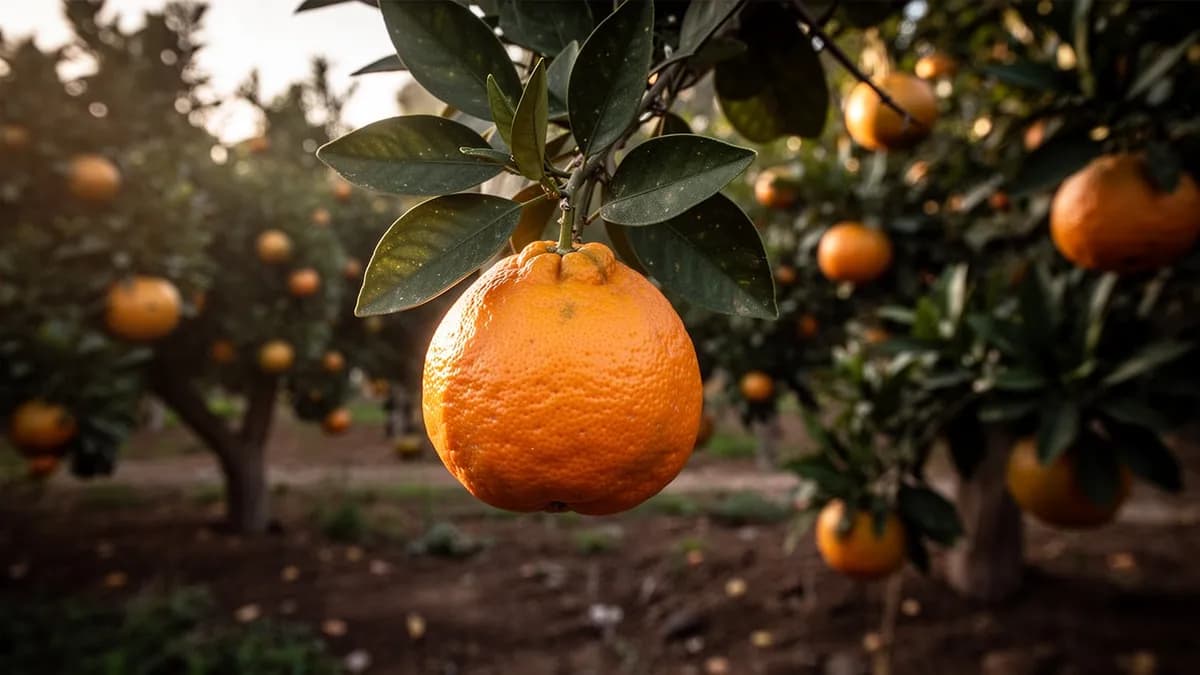
A satsuma mandarin and kumquat cross producing sweet, bell-shaped fruits with edible rind that can be eaten fresh or used in marmalade. Orangequats combine the sweetness of oranges with the cold-hardiness and compact habit of kumquats. They make attractive container specimens with fragrant blossoms and abundant winter fruit.
When to plant Orangequat
Orangequat can be grown from seed, though hybrid offspring may not be identical to the parent plant. Plant fresh seeds one centimeter deep in moist, warm seed-starting mix at 25 to 28 degrees Celsius. Germination takes two to four weeks. Seedlings grow at a moderate pace and may begin fruiting in four to six years. For guaranteed true-to-type plants, propagate by grafting budwood onto trifoliate orange or Flying Dragon rootstock. Semi-hardwood cuttings taken in late summer can also be rooted with rooting hormone and bottom heat.
Your Orangequat Year
Composed for Zone 7 · typical seasons · frost passes Apr 2, returns Nov 1
Plant Orangequat Mar – May, pick Jan – Feb, Dec. Check the planting methods below and set your climate to personalize these windows.

How to grow Orangequat
Orangequat is a hybrid between satsuma mandarin and Meiwa kumquat, created by Eugene May at the USDA in the early 1900s. The tree grows compactly to two to three meters, making it ideal for container culture and small gardens. It inherits good cold hardiness from its kumquat parent, tolerating temperatures down to about minus 6 degrees Celsius when dormant. Plant in full sun in well-draining soil with wind protection.
In borderline citrus climates, orangequat is an excellent choice for gardeners who want something sweeter than kumquat but hardier than mandarin. The tree performs well in containers, producing fruit reliably in pots as small as 35 centimeters in diameter, though larger containers yield better crops. Water consistently during active growth and reduce frequency in winter during dormancy.
Fertilize every four to six weeks from spring through early fall with a balanced citrus fertilizer. The tree produces fragrant white blossoms in spring, with fruit developing through fall and winter. Prune lightly after harvest to maintain shape and encourage productive new growth. Orangequat is self-fertile and bears generously once established, typically within two to three years of planting. The ornamental appeal of glossy foliage, fragrant flowers, and bright orange winter fruit makes it a standout patio plant.
Orangequat needs more room than a 4 × 8 ft bed gives
Each Orangequat wants 180 cm of elbow room. The planner keeps that spacing for you — every plant, every bed.
Orangequat's best neighbours
Orangequat grows well alongside other kumquat hybrids and compact citrus in container collections or edible gardens. Plant with low-growing herbs like thyme, chives, and parsley that share similar sun and water requirements. Strawberries make attractive ground cover companions beneath orangequat trees in mild climates. Marigolds and lavender help deter common pests. Avoid planting near large trees that cast shade, as orangequat requires full sun for best fruit development and sweetness.
Orange belongs beside it.
Old growers' knowledge, checked against Orangequat's real companion table below — test any plant you're growing.
Try Orangequat in a bed — right here
A real planner bed with Orangequat already in it. Tap a companion to place it and watch the pairing checks answer — green for good neighbours, red for a clash.


Related growing guides
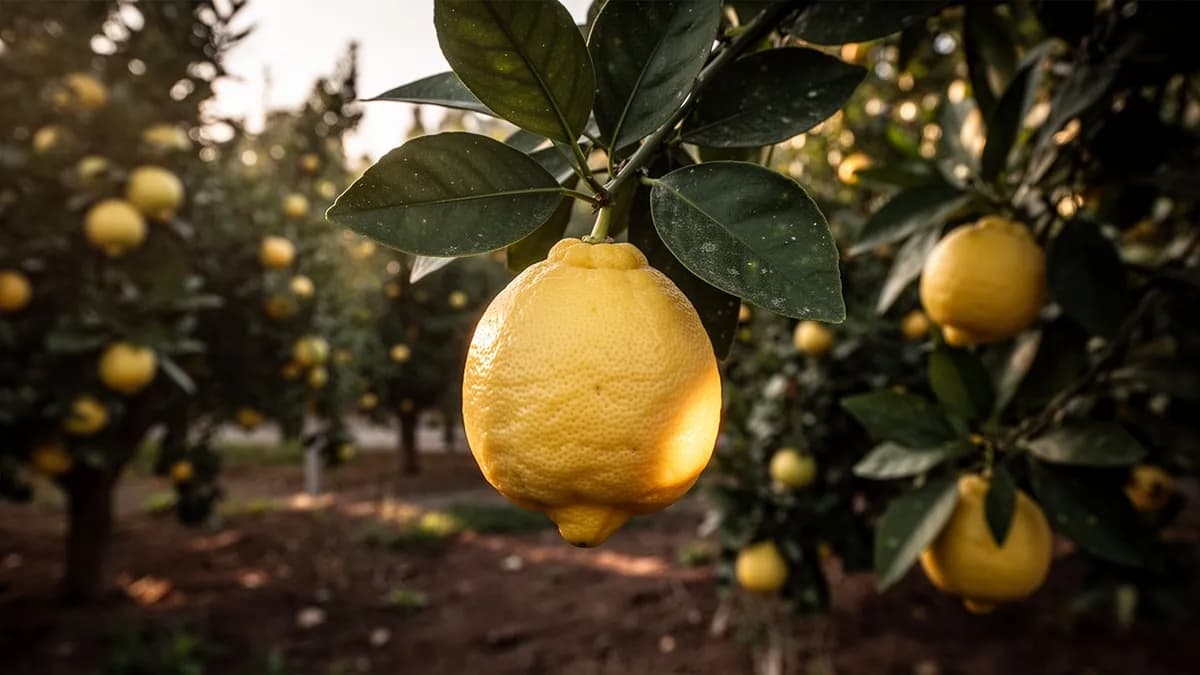
Feed it well
Orangequat grows best in well-draining, slightly acidic soil with a pH of 5.5 to 6.5. For containers, use a premium citrus potting mix with added perlite for improved drainage. Feed every four to six weeks during the growing season with a balanced citrus fertilizer containing micronutrients. Apply chelated iron if interveinal yellowing develops, which is common in alkaline soils. Supplement with Epsom salts once or twice per year for magnesium. Mulch lightly with composted bark and reduce feeding in winter.
Ideal Temperature
Hardiness Zone Compatibility
From seed to harvest, stage by stage
Establishment and Root Development
After planting or repotting, the orangequat focuses energy on establishing its root system in its new environment. Visible top growth is minimal during this phase, as the plant directs carbohydrates belowground to develop fine feeder roots capable of efficiently absorbing water and nutrients. Young plants may experience mild transplant stress, causing slight leaf curl or minor leaf drop, but recover quickly in the right conditions.
Vegetative Growth and Canopy Building
With a strong root system in place, the orangequat enters a period of active shoot growth, pushing multiple flushes of fresh foliage. Each growth flush produces glossy, aromatic leaves that contribute to the tree's dense, tidy appearance. During this phase, the plant builds the woody framework and leaf canopy it will rely on for years of productive fruiting. Young trees may produce a small number of flowers even in their first or second year.
Flowering
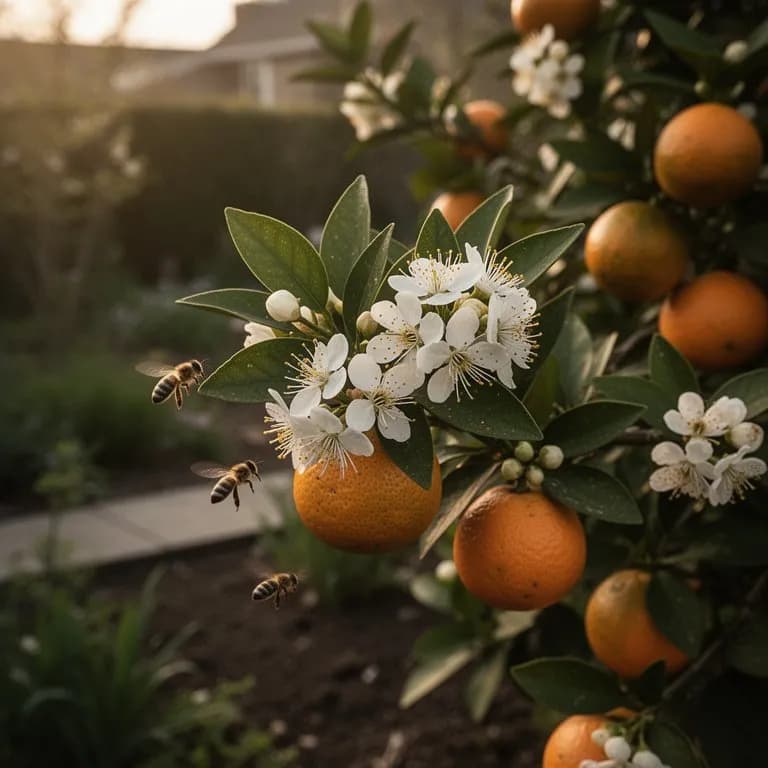
Mature orangequats are prolific bloomers, capable of producing multiple flushes of flower buds throughout the warmer months. Small clusters of five-petaled, waxy white flowers appear at the tips of new shoots, releasing an intense sweet citrus fragrance. The tree is largely self-fertile, meaning a single plant will set fruit without a pollination partner, though cross-pollination from another citrus nearby can improve fruit set.
Fruit Development and Sizing
Fertilized flowers give way to tiny green fruitlets that swell slowly over several months. The fruit transitions through green, yellow-green, and finally deep orange as it matures, growing to its characteristic rounded-oval shape. Because the tree blooms in multiple flushes, it is common to see fruit at different stages of development on the same plant simultaneously, making the orangequat an exceptionally ornamental fruiting tree.
Ripening and Harvest
The orangequat's skin deepens to a rich golden-orange and becomes fragrant as the fruit approaches full maturity. Unlike many citrus fruits that must be harvested promptly, orangequats can remain on the tree for several weeks after reaching full color without significant quality loss, allowing for a relaxed harvest window. Ripe fruit yields slightly to gentle thumb pressure and pulls away cleanly from the stem.
Post-Harvest Rest and Recovery
After the main harvest, the tree benefits from a period of reduced feeding and moderate watering to allow it to rebuild energy reserves before the next growth and flowering cycle. Older and crossing branches are easily identified now, making this an ideal time for any light corrective pruning to maintain the tree's compact shape and open center.
Plant in well-draining citrus mix and choose a site receiving at least 6-8 hours of direct sun. Water deeply when the top 3 cm of soil dries out, but never allow the roots to sit in standing water. Withhold fertilizer for the first 6-8 weeks to avoid stressing the developing root system. A light mulch over the root zone helps retain moisture and moderate soil temperature.
Caring for Orangequat month by month
What to do each month for your Orangequat
October
You are hereMove container plants indoors before the first frost, placing in the brightest available position. Apply a late-season slow-release citrus fertilizer granule to support the plant through winter. Complete harvest of any remaining fruit still on the tree before temperatures drop below 5°C. Continue watering, but reduce frequency as plant growth slows with shorter days.
Know exactly what to do in your garden — every month
One email at the start of each month: what to sow, plant, and tackle right now — for your Orangequat and everything growing around it. Plus a short starter course that helps you dodge the classic mistakes.
- What to do, right now
- Matched to your season
- Starter course included
Harvesting Orangequat
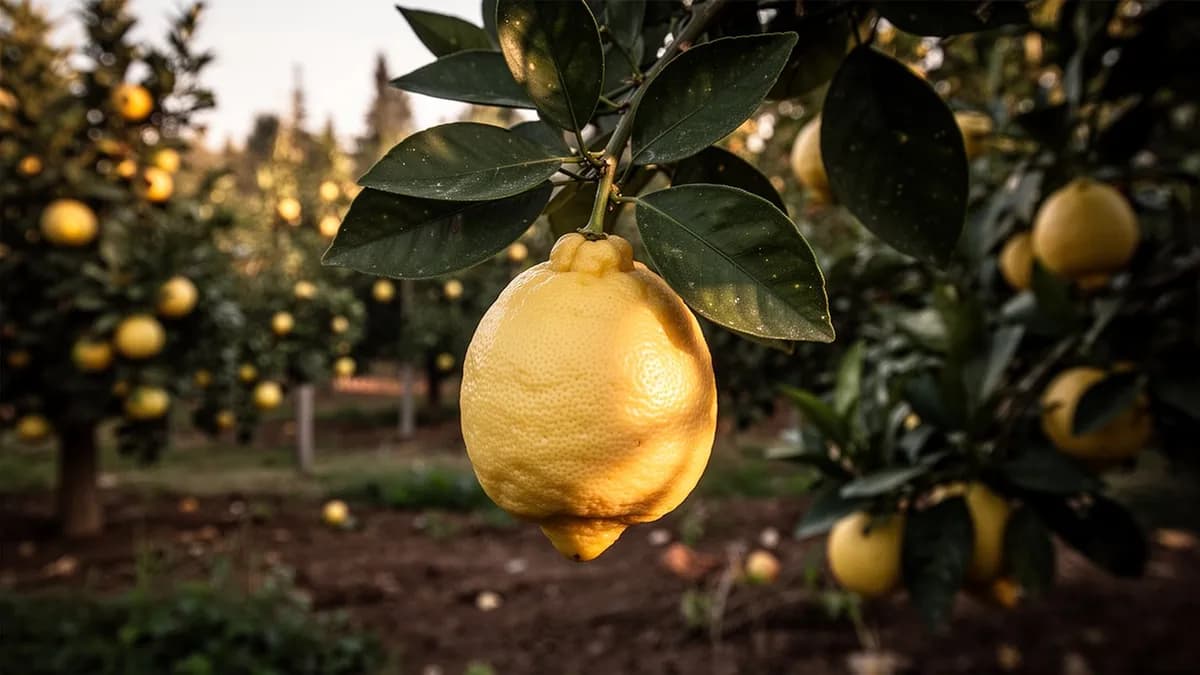
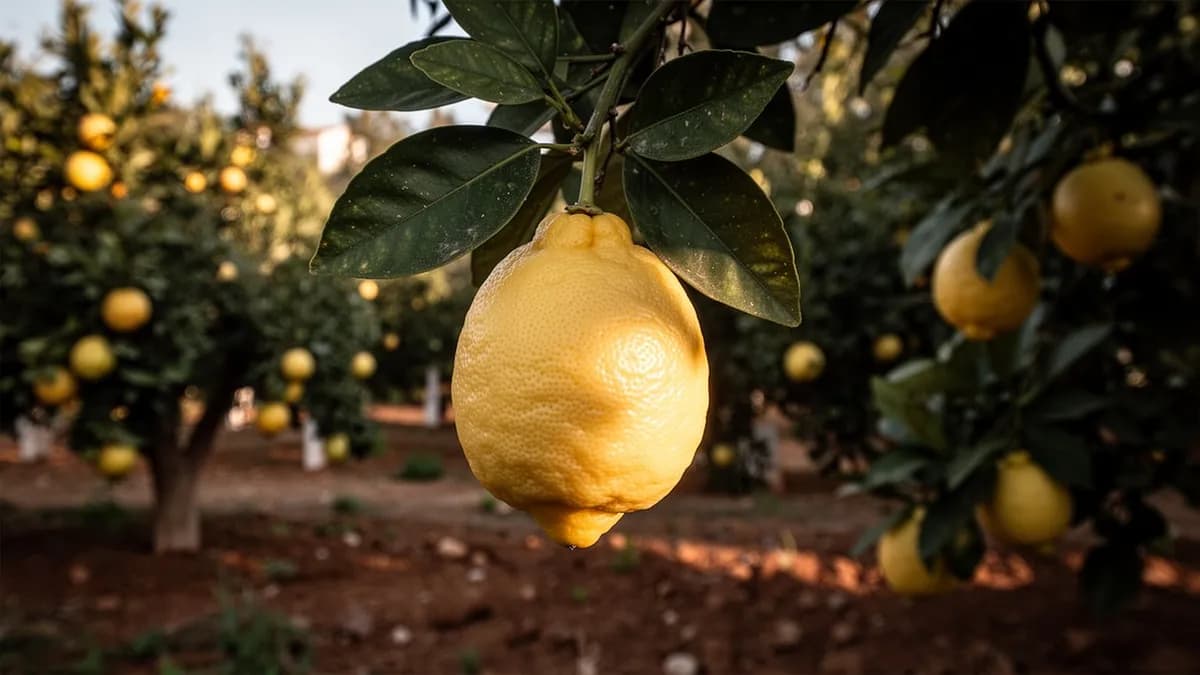
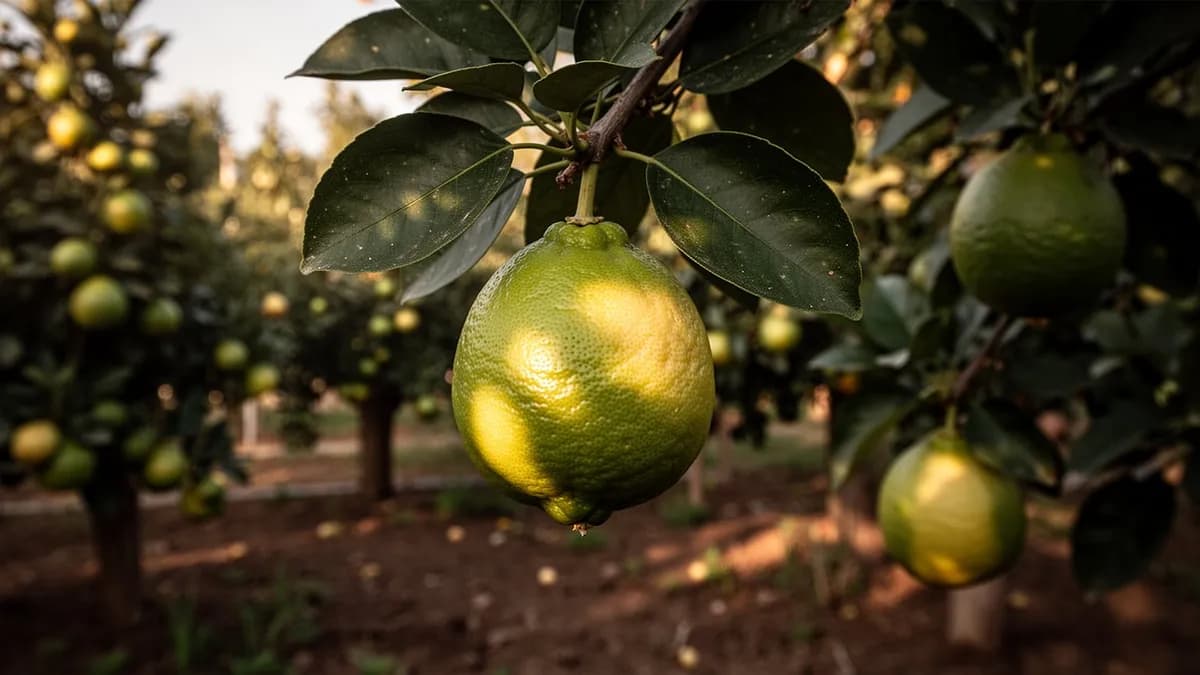
Orangequats ripen from December through February, turning deep orange when mature. The bell-shaped fruits are ready to harvest when they are fully colored, slightly soft, and release a sweet citrus fragrance. Like kumquats, orangequats are eaten whole, rind and all, with the sweet rind complementing the mildly tart flesh. Clip fruit from the branch with secateurs or twist gently. The fruit holds well on the tree for weeks after ripening, extending the harvest window. Taste-test to find the ideal balance of sweetness.
assuming you plant when the window opens — set your real date
Pick Orangequat promptly and the plant keeps producing.
Storage & Preservation
Fresh orangequats keep for one to two weeks at room temperature and up to a month when refrigerated. Their edible rind provides natural protection during storage. Orangequats make exceptional marmalade with a sweeter, more orange-like character than kumquat marmalade. They can be candied whole in sugar syrup, preserved in honey, or used to make a unique orangequat liqueur. The fruit freezes well whole for later use in cooking and beverages. Orangequat jam with vanilla bean is a particularly prized preserve.
What goes wrong — and the fix
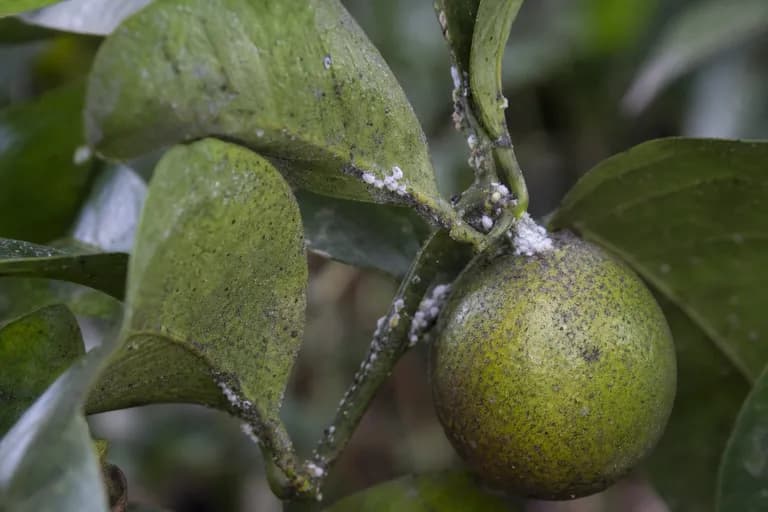
Citrus Mealybug
PestWhite, cottony masses in leaf axils, at branch junctions, and on fruit stems; sticky honeydew and sooty mold.
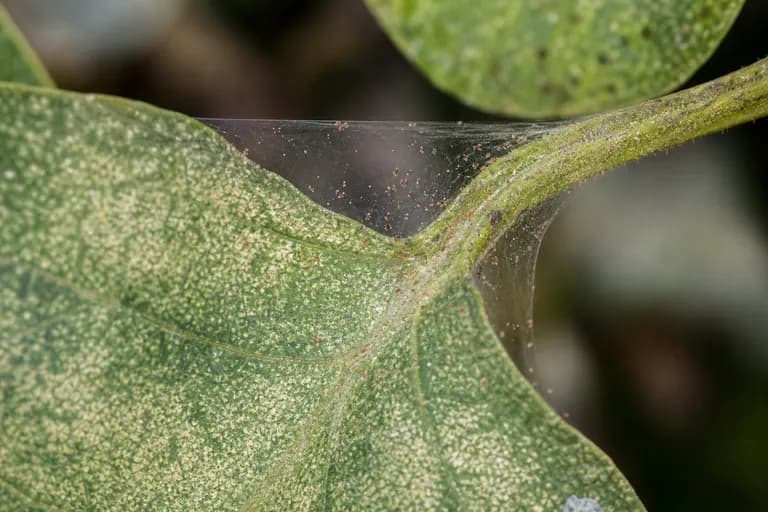
Spider Mites
PestFine stippling on leaf surfaces; tiny webs between leaves; yellowing and drop of affected foliage, especially in dry indoor conditions.
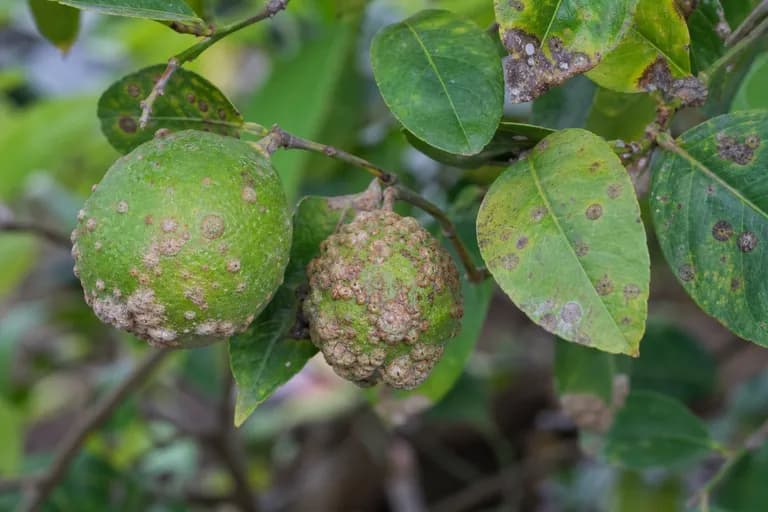
Citrus Scab
DiseaseRaised, corky, rough-textured spots on fruit, leaves, and young shoots. Fruit may be misshapen but remains edible.

Phytophthora Root Rot
DiseaseYellowing leaves, wilting despite adequate moisture, dark and mushy roots, and progressive decline of the tree.
Troubleshooting Common Problems
Orangequat can experience leaf drop when transitioning between indoor and outdoor environments, so acclimate gradually over one to two weeks. In containers, the tree may become rootbound after several years, causing reduced fruit size and yield; repot every two to three years. Overwatering is the most common cause of tree decline, leading to root rot. In regions with insufficient winter chill or summer heat, fruit quality may be suboptimal. The tree occasionally produces thorns on vigorous growth, which should be pruned away.
Growing Tips
- Plant orangequats in the sunniest position available, providing at least 6-8 hours of direct sunlight daily. Inadequate light is the single most common reason for poor flowering and minimal fruit production in home-grown citrus, particularly in container cultivation indoors or in conservatories.
- Use a purpose-formulated citrus and Mediterranean potting mix for container plants rather than general-purpose compost. Citrus mixes are specifically blended for superior drainage, correct pH between 5.5-6.5, and an open structure that prevents the compaction and waterlogging that can quickly cause root rot.
- Apply a dedicated citrus fertilizer rather than a general balanced feed. Citrus have specific requirements for iron, manganese, and zinc that general fertilizers often fail to meet. Deficiencies show up as yellowing between the leaf veins (interveinal chlorosis) on new growth and significantly reduce plant vigor and fruit production.
- Water consistently but never allow roots to sit in standing water. The golden rule for orangequats is to check the soil at a depth of 3 cm with your finger before watering, providing a thorough soaking only when the top layer has dried out. During winter, this interval may stretch to once every 10-14 days for container plants moved indoors.
- Repot container orangequats every two to three years into a pot only one size larger than the current container. Moving up too large a pot at once can leave excessive moist soil around the roots that promotes rot. Fresh potting mix supplies nutrients and improves drainage even if the pot size does not change.
- Prune orangequats lightly after harvest rather than undertaking heavy structural pruning, which can delay the next fruiting season. The goal of pruning is to maintain an open, well-ventilated canopy and remove any crossing, dead, or inward-facing branches. The compact natural habit of the orangequat means it rarely requires significant shaping.
- In climates where outdoor winters are too cold for year-round growing, begin acclimatizing the plant to indoor conditions in early autumn before any frost risk arrives. A sudden move from full outdoor sun to a dim indoor position causes significant leaf drop. Choose the brightest indoor spot available and supplement with a grow light if necessary.
- Mist the foliage of indoor overwintering orangequats every two to three days to counteract the dry air caused by home heating systems. Low humidity causes leaf edges to crisp and brown, increases susceptibility to spider mites, and stresses the plant during its most vulnerable period. Placing the pot on a tray filled with pebbles and water also raises local humidity without wetting the root zone.
- Mulch the root zone of outdoor orangequats with a 7-10 cm layer of organic material such as composted bark or woodchip, keeping the mulch 10 cm clear of the main trunk to prevent collar rot. Mulch conserves moisture during summer, moderates soil temperature, suppresses competing weeds, and slowly releases nutrients as it breaks down.
- Hand pollinate indoor-grown orangequats during flowering by transferring pollen between open flowers with a small, clean artist's paintbrush or a cotton swab used with a gentle dabbing motion. While orangequats are self-fertile, indoor conditions without access to foraging insects mean that hand pollination significantly improves fruit set and reduces the number of flowers that drop without setting.
Grow your best Orangequat yet — and everything around it.
Start a free plan today. Lay out your beds, drop in your Orangequat, and let PlotMyGarden handle the timing, spacing, companions and reminders from seed to harvest basket.
Pick your Orangequat
Nippon Orangequat
The most widely available variety, producing sweet, bell-shaped fruits with bright orange rind and compact, ornamental growth habit.
Indio Mandarinquat
A related mandarin-kumquat hybrid with slightly larger fruits and more mandarin-like flavor, sometimes grouped with orangequats.
Sunquat
A newer selection with particularly sweet fruits and improved cold tolerance, suited to container culture and borderline climates.
A single established orangequat tree or container plant typically produces 2-5 kg of fruit per season, fruit that is rarely found in supermarkets and commands premium prices of $15-25 per kilogram at specialty grocery stores and farmers markets when available. Beyond fresh eating, the harvest is readily preserved as marmalade, candied fruit, or cordial, extending the value of each crop significantly. When grown as a dual-purpose ornamental, the plant also eliminates the cost of purchasing fragrant potted citrus displays that garden centers sell for $60-150 per specimen.
Quick recipes

Orangequat Marmalade
30 minutes active (plus overnight maceration)A brilliantly colored, naturally sweet marmalade that requires no added pectin thanks to the abundance of natural pectin in the orangequat's peel and pith. Eaten whole, the entire fruit contributes its aromatic oils to a preserve that is less bitter than traditional Seville orange marmalade and requires significantly less added sugar. The result is a vibrant, spreadable preserve with a complex bittersweet citrus flavor and an almost jewel-like appearance in the jar.
6 ingredientsWhole Orangequat and Honey Salad Dressing
10 minutesA vibrant, all-natural citrus dressing made by blending whole orangequats including the peel, which delivers a sweeter and more complex flavor than standard orange juice-based dressings. The natural sweetness of the peel balances the tartness of the flesh and the acidity of the vinegar without needing much additional sweetener. This dressing is exceptional on bitter greens, grain salads, and roasted root vegetables.
8 ingredientsCandied Orangequats in Syrup
25 minutes active (plus 2 hours cooling)Slow-simmered in fragrant vanilla syrup until the peel turns translucent and jewel-like, candied whole orangequats are one of the most elegant and simple preserves a garden can produce. Eat them as a standalone confection, slice over yogurt or ice cream, use as a garnish for cocktails, or gift them in small jars for a handmade present that showcases the unique character of home-grown orangequats. The syrup itself becomes a delicious citrus cordial concentrate.
7 ingredientsCulinary Uses
Orangequats are best eaten fresh and whole, offering a sweet, orange-like flavor with edible rind. They make outstanding marmalade and preserves with a milder, sweeter character than traditional kumquat preserves. Sliced orangequats brighten winter salads and cheese plates. The fruit complements poultry and pork dishes as a glaze or chutney ingredient. Orangequats can be muddled into cocktails or infused into simple syrups. They pair especially well with chocolate, nuts, and warm spices like cinnamon.
What's inside
Health Benefits
- Eating orangequats whole with the peel delivers a uniquely comprehensive nutritional package that most citrus cannot match, with fiber, flavonoids, vitamin C, and essential oils consumed together rather than discarding the nutrient-dense peel
- The high hesperidin content in the peel has been linked in multiple clinical studies to improvements in blood vessel tone, reduction in systemic inflammation, and measurable benefits to circulation and cardiovascular health
- A significant source of vitamin C per serving, supporting the immune system's first-line defenses and aiding the body's natural production of collagen, which is essential for skin elasticity, wound healing, and joint cartilage integrity
- The combined soluble and insoluble fiber from the whole fruit feeds beneficial gut bacteria, promotes regular bowel movements, and contributes to the sense of sustained fullness that helps manage healthy body weight over time
- Citrus limonoids present in orangequat peel and flesh have been the subject of ongoing research examining their potential role in activating detoxification enzymes and supporting the liver's natural processing of environmental toxins
- The natural sugars in orangequats are accompanied by fiber, organic acids, and flavonoids that moderate the glycemic impact of the fruit, making it a nutritionally intelligent snack choice for those managing blood sugar levels compared to refined sugar alternatives
Where Orangequat comes from
The orangequat emerged from the pioneering citrus hybridization work carried out in the early twentieth century, most notably associated with the United States Department of Agriculture's citrus breeding programs that sought to expand the range of edible citrus into regions too cold for traditional varieties. The parentage of the orangequat brings together two distinct citrus lineages: the Satsuma mandarin, itself one of the hardiest of the true Citrus species originating in Japan where it has been cultivated for over four centuries, and the Meiwa kumquat, a round, sweet-skinned variety believed to have been cultivated in China for well over a thousand years before being introduced to Western horticulture by Scottish botanist Robert Fortune in the mid-1800s. The kumquat's extraordinary hardiness and its unique trait of bearing a sweet edible peel made it an obvious candidate for inclusion in cold-climate citrus breeding programs. The resulting orangequat hybrid largely succeeded in its goals, producing a compact, ornamental plant capable of tolerating temperatures well below freezing for short periods while bearing fruit that is considerably larger, juicier, and more accessible to Western palates than the parent kumquat. The orangequat gained popularity gradually through the mid-to-late twentieth century, finding favor with home gardeners and specialty growers in regions such as the Gulf Coast of the United States, the Mediterranean coast of Europe, parts of Australia, and warmer pockets of the British Isles where it could be grown in containers and moved under cover during the coldest months. Its appeal grew alongside rising interest in specialty citrus, artisan preserves, and kitchen gardening during the late twentieth and early twenty-first centuries. Today the orangequat occupies a devoted niche in the world of edible ornamentals, prized by growers who want a citrus plant that delivers visual drama through its seasons of flower and fruit, practical harvests suitable for fresh eating and preserving, and sufficient cold tolerance to survive where full-sized orange trees cannot. Plant breeders continue to select improved orangequat forms with enhanced sweetness, reduced seed count, and extended fruiting seasons, ensuring that this hybrid's story is still very much in progress.
Orangequat: did you know?
Fascinating facts about Orangequat
The orangequat is a hybrid between the Satsuma mandarin (Citrus unshiu) and the Meiwa kumquat (Fortunella crassifolia), combining the sweet peel of the kumquat with the juicier, more generous flesh of a small mandarin. It was developed in the early 20th century as part of a broader effort to create cold-hardy yet flavorful citrus cultivars.
Orangequat questions, answered
When should I plant Orangequat?
What are good companion plants for Orangequat?
What hardiness zones can Orangequat grow in?
How much sun does Orangequat need?
How far apart should I space Orangequat?
What pests and diseases affect Orangequat?
How do I store Orangequat after harvest?
What are the best Orangequat varieties to grow?
What soil does Orangequat need?
Can I grow an orangequat from seed, and will it come true to type?
Why are my orangequat leaves turning yellow?
How do I know when my orangequat fruit is ready to harvest?
Is the orangequat suitable for growing in a cold climate?
How is the orangequat different from a kumquat, and which should I grow?
Can orangequats be used in cooking and preserving, or are they mainly eaten fresh?
You just read the theory. Now grow it on autopilot.
Everything that makes Orangequat fiddly — the timing, the spacing, the companions, the harvest window — is exactly what PlotMyGarden handles for you, for every plant in your garden.
A plan that knows your weather
Set your location once. Get sow, feed and harvest dates built around your real last-frost date and live forecast — no more guessing from a generic seed packet.
From the “When to plant” sectionDrag-and-drop bed planner
Design beds on a grid. Every plant snaps to its proper spacing, and you can see your whole season laid out before you spend a cent on seed.
From the “Growing guide” sectionCompanion conflicts, caught early
200+ good-and-bad pairings checked live as you plant — so a season-wrecking mistake never makes it into the ground.
From the “Companions” sectionReminders you'll actually act on
“Water the beans.” “Pick today before it turns.” Timely, specific, and tied to the plants you're really growing.
From the “Harvest” sectionSuccession, scheduled
Want a harvest for six weeks, not six days? It spaces your sowings automatically and reminds you when each new block is due.
From the “When to plant” sectionA record that gets smarter
Every harvest you log teaches it your garden. Next year's plan starts from what actually worked in your soil, not a textbook's.
From the “Overview” sectionPlant these alongside Orangequat
More Citrus
Grow your best Orangequat yet — and everything around it.
Start a free plan today. Lay out your beds, drop in your Orangequat, and let PlotMyGarden handle the timing, spacing, companions and reminders from seed to harvest basket.