Etrog
A large, thick-skinned citrus fruit with minimal juice but an intensely fragrant rind, used ceremonially during the Jewish holiday of Sukkot.





On this pageOverview
Meet Etrog
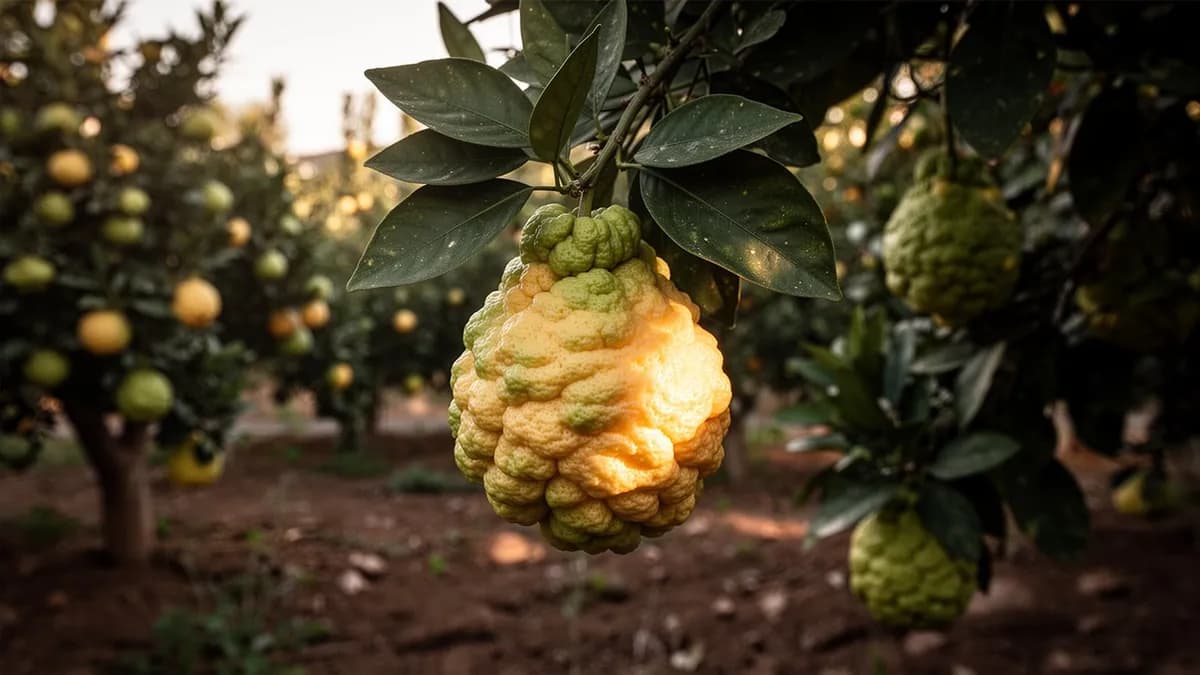
A large, thick-skinned citrus fruit with minimal juice but an intensely fragrant rind, used ceremonially during the Jewish holiday of Sukkot. The massive pith is candied into succade, a traditional confection in Mediterranean cuisine. Etrog trees are thorny and sensitive to cold, requiring protected growing conditions or container culture.
When to plant Etrog
Etrog can be grown from seed, but seedlings are extremely slow to mature and may take seven to ten years to produce fruit. Seeds are large and polyembryonic, often producing multiple seedlings per seed. Plant fresh seeds two centimeters deep in warm, moist seed-starting mix and maintain at 25 to 30 degrees Celsius. Germination typically takes three to five weeks. Grafting onto sour orange or Volkamer lemon rootstock is the preferred propagation method, reducing time to fruiting to three to four years. For ceremonial etrog production, select only grafted trees from certified sources.
Your Etrog Year
Composed for Zone 7 · typical seasons · frost passes Apr 2, returns Nov 1
Plant Etrog Mar – May, pick Sep – Oct. Check the planting methods below and set your climate to personalize these windows.
How to grow Etrog
Etrog is one of the original citrus species and among the most cold-sensitive, requiring temperatures consistently above 10 degrees Celsius for healthy growth. Plant in a warm, sheltered location with full sun and excellent drainage. The tree is naturally thorny and open-branched, reaching three to four meters in ideal conditions. In most climates, container culture is strongly recommended to allow winter protection.
For ceremonial use during Sukkot, the fruit must be unblemished, which requires careful attention to pest control and wind protection. Use windbreaks or grow in a sheltered courtyard to prevent thorn scratches on developing fruit. Consistent watering is important, as drought stress can cause fruit cracking and blemishes. Maintain even soil moisture without waterlogging.
Fertilize monthly during the growing season with a balanced citrus fertilizer. Prune minimally, focusing only on removing dead or damaged wood and maintaining an open canopy structure. The heavy thorns make careful handling essential. Etrog trees grown from seed can take seven or more years to fruit, so grafted trees are preferred. Container plants should be repotted every two to three years to prevent root binding.
Etrog needs more room than a 4 × 8 ft bed gives
Each Etrog wants 250 cm of elbow room. The planner keeps that spacing for you — every plant, every bed.
Etrog's best neighbours
Etrog benefits from companion planting with aromatic herbs like lavender, rosemary, and thyme, which can help repel certain pests and thrive in similar Mediterranean climate conditions. Low-growing ground covers like sweet alyssum attract beneficial insects that prey on citrus pests. Avoid planting near large trees that cast shade, as etrog requires full sun for best fruit development. In container settings, trailing herbs can be planted around the base to make efficient use of space.
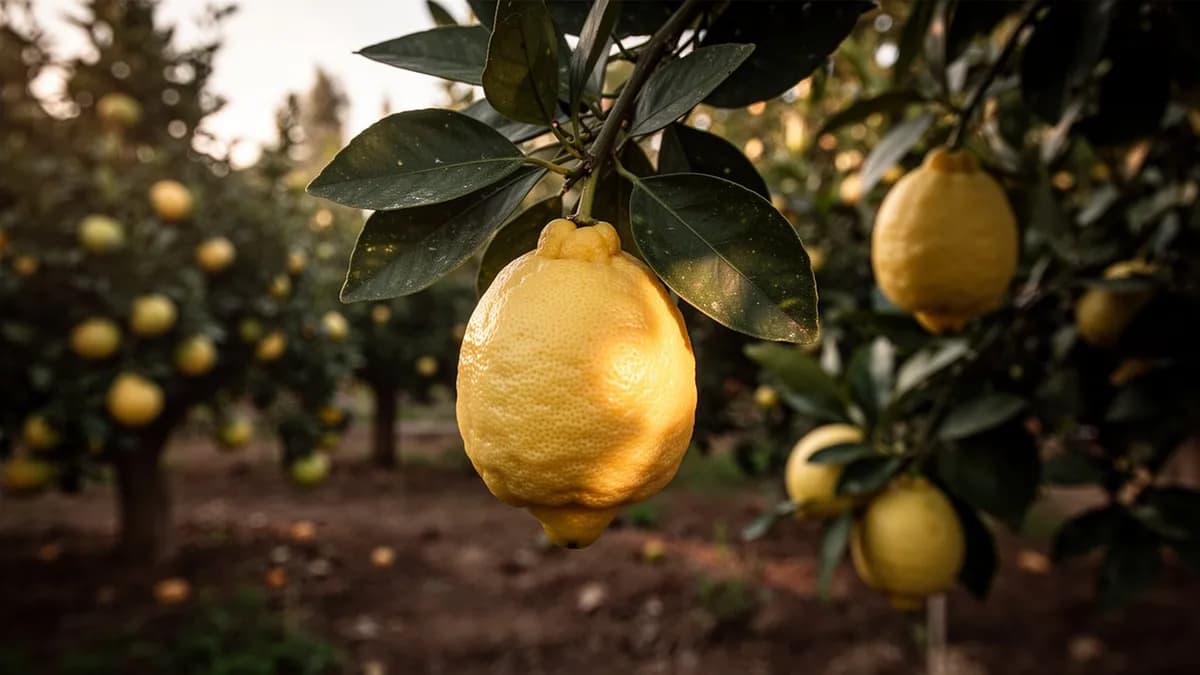
Lemon belongs beside it.
Old growers' knowledge, checked against Etrog's real companion table below — test any plant you're growing.
Try Etrog in a bed — right here
A real planner bed with Etrog already in it. Tap a companion to place it and watch the pairing checks answer — green for good neighbours, red for a clash.


Related growing guides
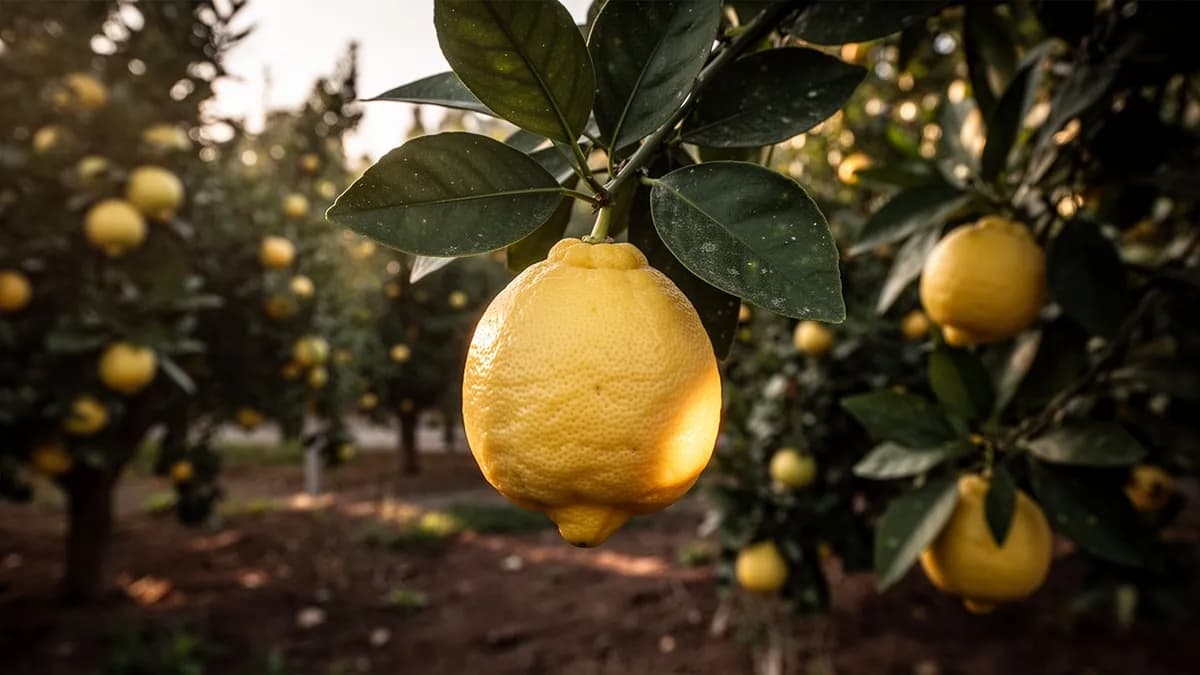
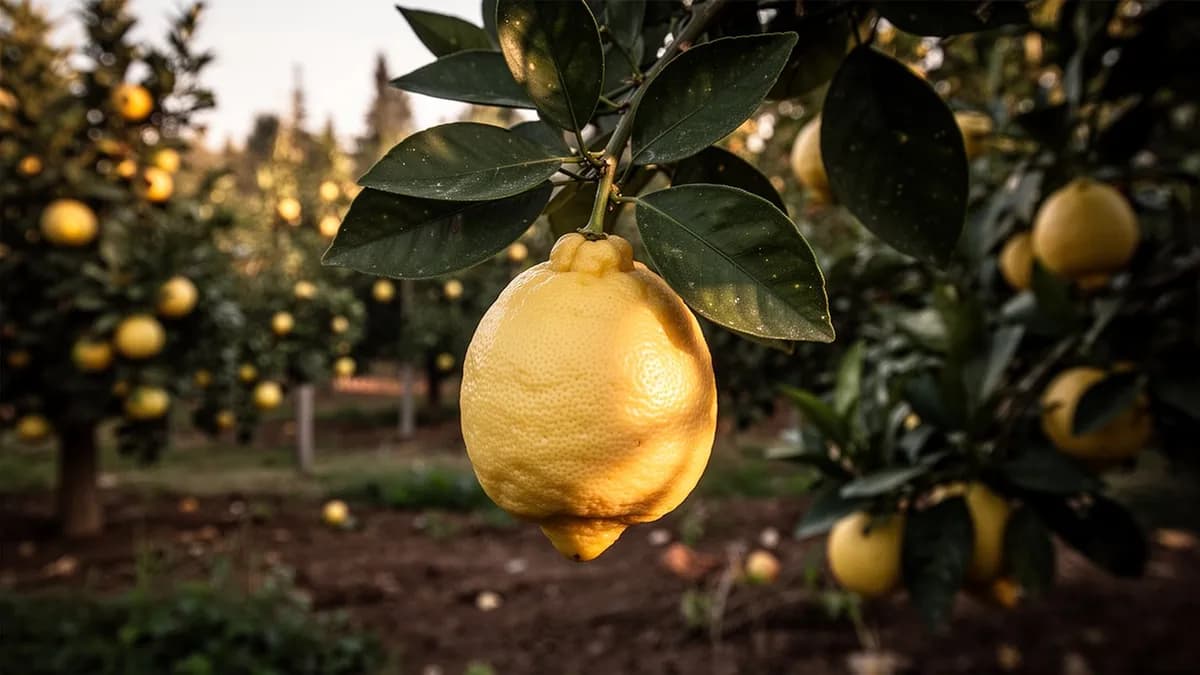
Feed it well
Etrog requires well-draining, slightly acidic soil with a pH of 6.0 to 7.0. It tolerates a wider pH range than many citrus but is sensitive to salt buildup. Use a high-quality citrus potting mix for containers, amended with extra perlite for drainage. Feed monthly during the growing season with a balanced citrus fertilizer. Avoid high-nitrogen formulations during fruit development, as they can promote excessive vegetative growth at the expense of fruit quality. Supplement with calcium to prevent fruit cracking and ensure thick, healthy rind development.
Ideal Temperature
Hardiness Zone Compatibility
From seed to harvest, stage by stage
Germination & Seedling
Seeds germinate in 2-4 weeks under warm conditions. Seedlings develop their first true leaves and begin building a root system. Growth is slow at this stage and seedlings are sensitive to cold and overwatering.
Vegetative Growth
The young tree puts its energy into producing a sturdy framework of branches and dense, glossy foliage. Thorny stems emerge and the characteristic citrus fragrance becomes noticeable when leaves are rubbed.
First Flowering
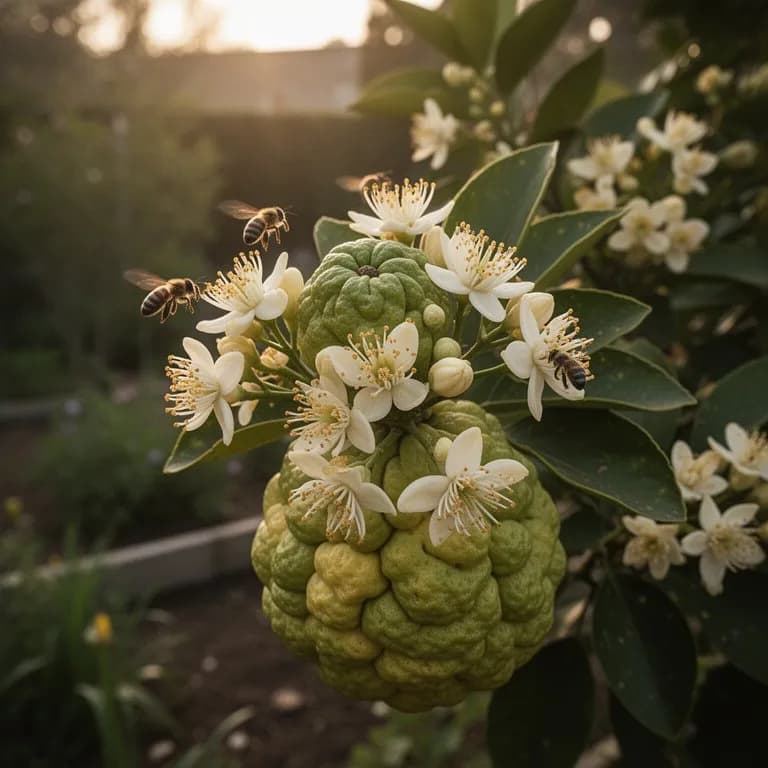
Grafted trees may flower in their second year; seed-grown trees typically take 5-7 years. Pure white, waxy blossoms with an extraordinary fragrance appear in spring. Some flowers may drop without setting fruit initially.
Fruit Set & Development
Pollinated flowers develop into small green fruitlets. Over several months the fruit elongates into its distinctive oblong shape, developing the signature bumpy surface texture. The rind thickens considerably during this phase.
Ripening
The fruit transitions from deep green to pale yellow and finally to a rich golden yellow over several weeks. Fragrance intensifies dramatically at full ripeness. The pitam (the small protrusion at the blossom end) must remain intact for ceremonial use.
Post-Harvest & Rest
After the main harvest, the tree benefits from a brief rest period with reduced watering. Mature etrog trees are long-lived and will produce annually for decades given proper care.
Keep soil consistently moist but never waterlogged. Maintain temperatures above 18°C and provide bright, indirect light to prevent leggy growth.
Caring for Etrog month by month
What to do each month for your Etrog
October
You are herePrime harvest month for ceremonial etrog fruits. Harvest carefully with scissors, preserving the pitam. Store harvested etrog in a cool, humid environment. Begin reducing fertilizer applications.
Know exactly what to do in your garden — every month
One email at the start of each month: what to sow, plant, and tackle right now — for your Etrog and everything growing around it. Plus a short starter course that helps you dodge the classic mistakes.
- What to do, right now
- Matched to your season
- Starter course included
Harvesting Etrog
Etrog fruits are typically harvested in early fall, around September to October, timing that coincides with the Sukkot holiday. For ceremonial use, fruits must be unblemished, symmetrical, and have the pitom (remnant of the style) intact. Handle with extreme care, wearing cotton gloves to avoid scratching the rind. For culinary use, harvest when the fruit is fully yellow and very fragrant. Cut from the tree with sharp secateurs to avoid tearing. The fruit should feel heavy and have a strong, perfumed aroma.
assuming you plant when the window opens — set your real date
Pick Etrog promptly and the plant keeps producing.
Storage & Preservation
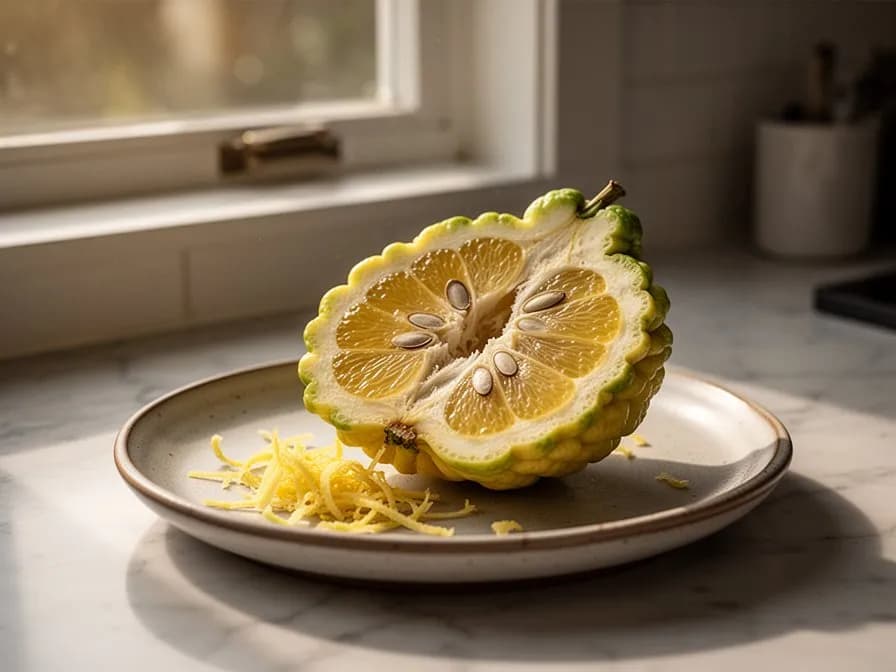
Fresh etrog keeps for several weeks at room temperature in a cool, dry place. For longer storage, wrap individually in tissue paper and refrigerate for up to two months. The thick pith is the primary culinary product and is traditionally candied into succade by slicing, soaking in brine to remove bitterness, then simmering in sugar syrup. Etrog marmalade is another classic preservation. The aromatic zest can be dried or frozen for use in baking. Etrog-infused vodka or liqueur captures the intense fragrance for year-round enjoyment.
What goes wrong — and the fix
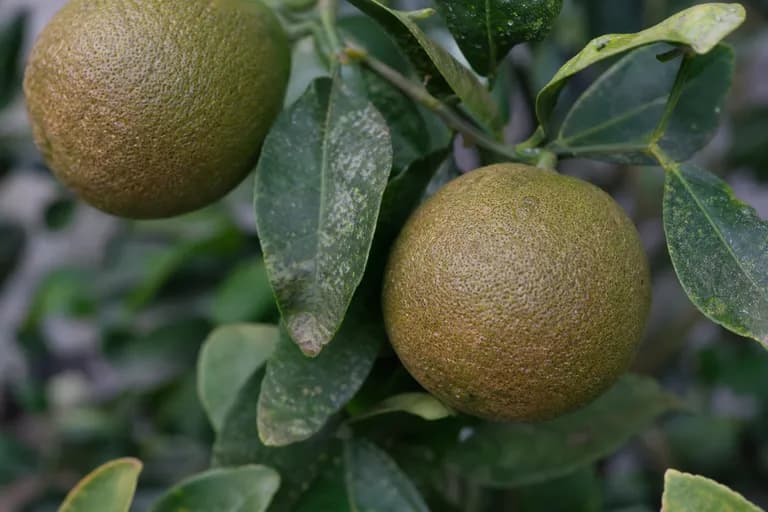
Citrus Rust Mite
PestSilvery or russeted patches on fruit rind; affected fruit becomes rough-textured and discolored, making it unsuitable for ceremonial use.
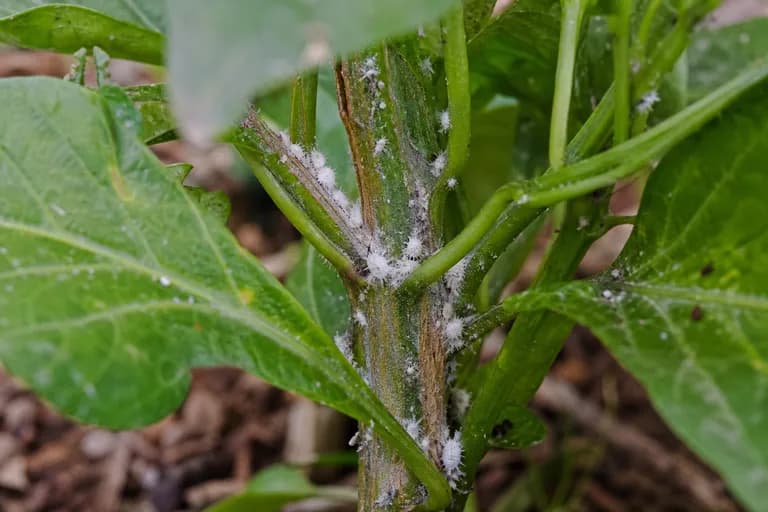
Mealybugs
PestWhite, cottony masses in leaf axils and on fruit stems; sticky honeydew and sooty mold; weakened growth.
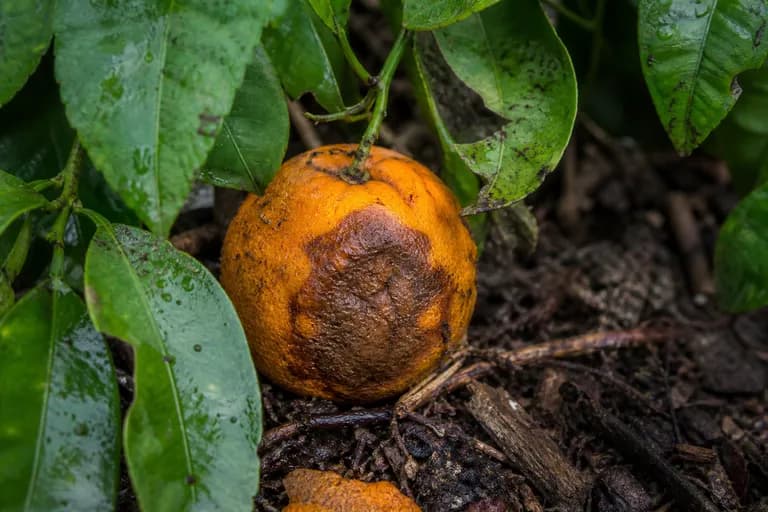
Citrus Brown Rot
DiseaseBrown, water-soaked lesions on fruit near the ground; affected fruit develops a pungent smell and quickly decays.
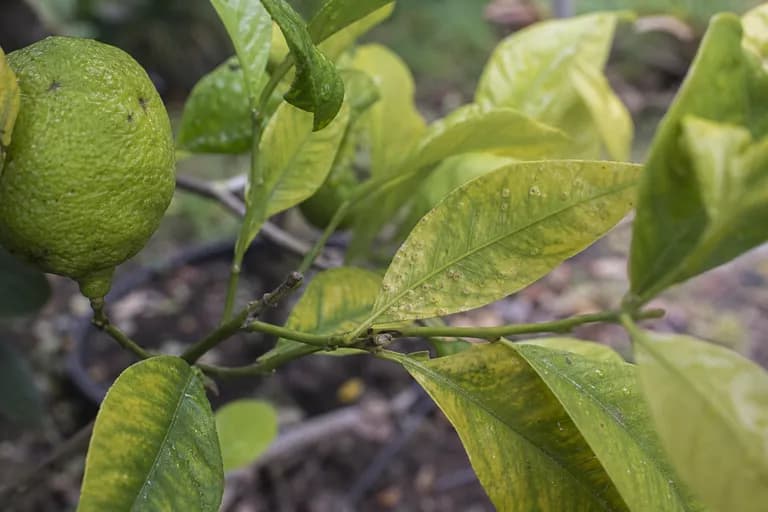
Citrus Variegated Chlorosis
DiseaseInterveinal chlorosis on older leaves, small hard fruit, stunted growth, and gummy lesions on the underside of leaves.
Troubleshooting Common Problems
Etrog is among the most cold-sensitive citrus and will suffer damage at temperatures below 5 degrees Celsius. The heavy thorns make the tree challenging to work around and can scratch developing fruit, which is particularly problematic for ceremonial-quality production. Fruit cracking is common when watering is irregular. The tree is a relatively weak grower compared to other citrus and can be outcompeted by more vigorous rootstock if not managed. Blemish-free fruit production requires constant vigilance against pests and environmental damage.
Growing Tips
- Etrog trees are uniquely intolerant of grafting onto trifoliate orange rootstock (Poncirus trifoliata) for ceremonial purposes — trees must be grown on their own roots or on citrus rootstocks to produce halachically acceptable fruit, so always confirm the rootstock if purchasing a grafted tree for ritual use.
- The pitam is genetically determined — some etrog varieties reliably retain it while others drop it naturally as the fruit develops. If pitam retention is important to you, select a named variety known for pitam stability, such as Yanover or Chazon Ish.
- Etrog trees are more sensitive to overwatering than most citrus; always allow the top 2-3 cm of container soil to dry slightly between waterings, and ensure pots have generous drainage holes to prevent root rot.
- Because the etrog is used primarily for its rind rather than its juice, prioritize soil conditions that promote thick, blemish-free rind development — slightly elevated potassium levels and consistent moisture are key factors.
- Hand-pollination with a small soft brush can significantly improve fruit set, particularly for container-grown trees kept indoors during bloom where natural pollinators are absent.
- Etrog trees are highly sensitive to cold drafts; even indoors, positioning near exterior doors or heating vents can cause leaf drop and bud abortion — place them in a stable, bright interior location during winter.
- The natural fragrance of etrog leaves and rind acts as a mild insect deterrent; planting companion herbs such as basil and lavender around outdoor trees can further reduce pest pressure without chemical intervention.
- For the most intensely fragrant rind, allow fruit to ripen fully on the tree until it reaches a deep golden yellow color before harvesting, as the aromatic oils continue to develop and concentrate during the final ripening phase.
- Etrog trees respond exceptionally well to light, frequent pruning — removing just the tips of new growth encourages a bushy, multi-branched habit that increases total flower and fruit production over time.
- If growing from seed, note that etrog is one of the citrus species that produces predominantly nucellar (true-to-type) seeds, meaning seed-grown plants will largely resemble the parent tree, though they will take considerably longer to fruit than grafted trees.
Grow your best Etrog yet — and everything around it.
Start a free plan today. Lay out your beds, drop in your Etrog, and let PlotMyGarden handle the timing, spacing, companions and reminders from seed to harvest basket.
Pick your Etrog
Yanover Etrog
The most widely grown variety for ceremonial use, producing large, well-shaped fruits with intact pitom and classic fragrance.
Moroccan Etrog
A thick-skinned variety with intense aroma, traditionally grown in the Mediterranean region for both ceremonial and culinary use.
Yemenite Etrog
A distinctive variety with a particularly bumpy rind and strong fragrance, highly valued for Sukkot observance in certain communities.
Diamante Citron
An Italian cultivar grown primarily for candied peel production, with extremely thick pith and mild flavor ideal for confectionery.
Certified Yanover etrogs from Calabria suitable for Sukkot observance routinely retail for $30 to $150 each, with exceptional specimens occasionally exceeding $500. Growing your own etrog tree — even if the fruit does not meet the strictest rabbinical certification standards — allows you to produce fruit for culinary use, candied peel, liqueur, and marmalade at a fraction of the cost. A mature container-grown etrog tree can produce 10-30 fruits per year, representing substantial savings for households that use etrog regularly in cooking or cosmetic applications.
Quick recipes
Candied Etrog Peel
90 minutesA traditional Mediterranean confection that transforms the etrog's intensely fragrant rind into sweet, chewy strips perfect for gifting, decorating desserts, or enjoying as a stand-alone treat. The triple-blanching process removes bitterness while preserving the extraordinary floral aroma.
5 ingredients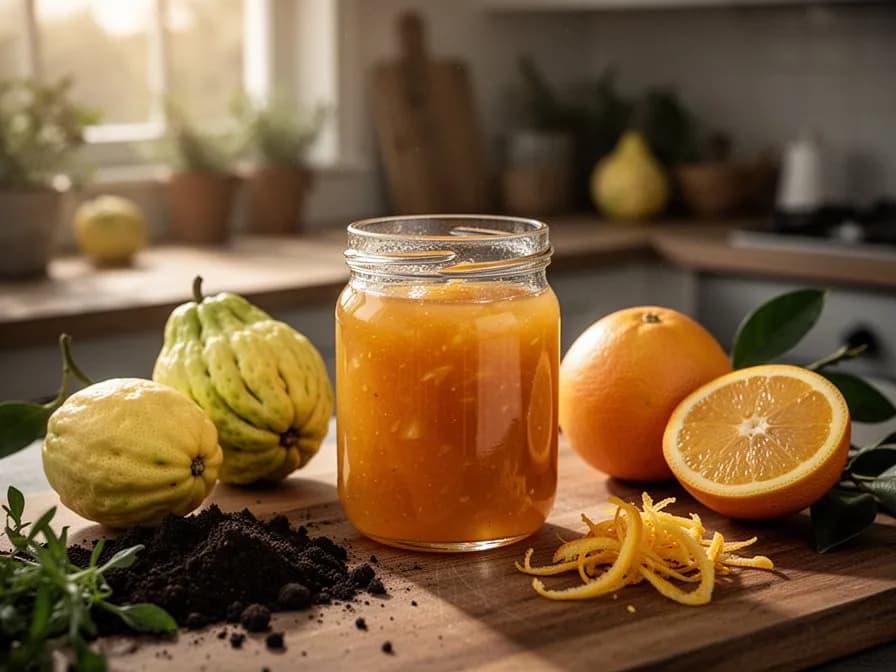
Etrog Liqueur (Limoncello-Style)
15 minutes active, 2 weeks infusingInspired by Italian limoncello but with the deeper, more complex floral notes unique to etrog, this golden liqueur is a prized homemade gift in many Sephardic Jewish households. The thick etrog rind yields an exceptionally fragrant infusion with very little bitterness.
5 ingredientsEtrog Marmalade
60 minutesThe etrog's extraordinarily high pectin content in its thick pith makes it a natural candidate for marmalade, requiring little or no added pectin. The resulting preserve has a jewel-like amber color, a bittersweet citrus flavor, and a floral perfume that distinguishes it completely from ordinary orange marmalade.
5 ingredientsCulinary Uses
The thick white pith of etrog is the primary edible portion, traditionally candied as succade for use in fruitcakes, panettone, and Mediterranean confections. The aromatic zest adds intense citrus fragrance to baked goods, risotto, and seafood dishes. Etrog marmalade is a prized delicacy with a uniquely floral character. The limited juice can be used in cocktails and dressings. In Middle Eastern cuisine, etrog jam flavored with rosewater is a traditional preserve.
What's inside
Health Benefits
- The etrog rind is exceptionally rich in limonoids and flavonoids that have shown promise in research for supporting immune function and reducing oxidative cellular stress.
- Traditional Ayurvedic and Unani medicine have used citron preparations for centuries to relieve nausea, motion sickness, and digestive discomfort, a use supported by modern understanding of its volatile oil compounds.
- High pectin fiber content in the white pith supports gut health by feeding beneficial bacteria, slowing sugar absorption, and contributing to a healthy feeling of fullness.
- The essential oil limonene, abundant in the etrog rind, has been studied for its potential to support the body's natural detoxification pathways and has demonstrated antimicrobial activity against common pathogens.
- Bioflavonoids concentrated in the etrog, particularly hesperidin and naringenin, are associated with maintaining healthy blood vessel integrity and supporting normal inflammatory responses.
- The intense aroma of the etrog rind, rich in linalool and citral, has documented anxiolytic (anxiety-reducing) effects in aromatherapy research, making it a natural candidate for stress-relief applications.
Where Etrog comes from
The etrog (Citrus medica var. ethrog) holds a singular place in botanical and cultural history as one of humanity's oldest cultivated citrus fruits. Its origins trace back to the eastern foothills of the Himalayas and the river valleys of northeastern India and Burma, where wild citron species still grow today. Unlike the lemon or the orange — which are ancient hybrids — the citron is considered one of the three original citrus progenitor species, alongside the mandarin and the pomelo, from which virtually all other cultivated citrus ultimately descend.
From its South Asian homeland, the citron was carried westward along ancient trade routes into Persia and the Fertile Crescent, almost certainly before 500 BCE. It was likely introduced to the ancient Israelites during or after the Babylonian exile, and by the time of the Second Temple period it had become firmly embedded in Jewish religious law and practice as the pri etz hadar — the fruit of the goodly tree — mentioned in the Book of Leviticus. From this point forward, the cultivation and careful selection of etrog trees became a uniquely Jewish horticultural tradition, with rabbinical authorities in each generation determining the standards of ritual perfection.
Alexander the Great's campaigns are credited with spreading citron cultivation throughout the Mediterranean basin by the fourth century BCE. The Romans prized citron for its fragrance and medicinal properties, and wealthy Roman households kept citron trees in pots as status symbols. However, it was Jewish communities in the Mediterranean diaspora who truly drove the cultivation of the specific etrog type, maintaining isolated orchards in Calabria (Italy), Corfu (Greece), Morocco, and Yemen that have been passed down for centuries.
The Calabrian etrog industry in the region around Diamante is particularly remarkable, with some family orchards tracing continuous cultivation back at least 500 years under strict rabbinical supervision to ensure varietal purity. Today, certified Yanover etrogs from this region command premium prices worldwide.
Beyond its ceremonial role, the etrog has contributed to the culinary traditions of every culture it has touched. Sicilian and Italian confectioners have produced candied citron peel — cedro candito — for centuries. In Moroccan Jewish cuisine, etrog jam and liqueur are festive staples. The fruit's DNA has also contributed to many of the world's great citrus varieties, cementing its place as a quiet cornerstone of global food culture.
Etrog: did you know?
Fascinating facts about Etrog
The etrog is one of the Four Species (Arba Minim) commanded in the Torah for use during the Jewish festival of Sukkot, a role it has held for over 2,500 years.
Etrog questions, answered
When should I plant Etrog?
What are good companion plants for Etrog?
What hardiness zones can Etrog grow in?
How much sun does Etrog need?
How far apart should I space Etrog?
What pests and diseases affect Etrog?
How do I store Etrog after harvest?
What are the best Etrog varieties to grow?
What soil does Etrog need?
Can I grow an etrog tree from the fruit purchased for Sukkot?
What makes an etrog halachically (ritually) acceptable for Sukkot?
How do I store an etrog after Sukkot?
Will an etrog tree survive winter outdoors in a temperate climate?
Is etrog the same as a regular citron or Buddha's hand?
What pests and diseases are most common on etrog trees?
You just read the theory. Now grow it on autopilot.
Everything that makes Etrog fiddly — the timing, the spacing, the companions, the harvest window — is exactly what PlotMyGarden handles for you, for every plant in your garden.
A plan that knows your weather
Set your location once. Get sow, feed and harvest dates built around your real last-frost date and live forecast — no more guessing from a generic seed packet.
From the “When to plant” sectionDrag-and-drop bed planner
Design beds on a grid. Every plant snaps to its proper spacing, and you can see your whole season laid out before you spend a cent on seed.
From the “Growing guide” sectionCompanion conflicts, caught early
200+ good-and-bad pairings checked live as you plant — so a season-wrecking mistake never makes it into the ground.
From the “Companions” sectionReminders you'll actually act on
“Water the beans.” “Pick today before it turns.” Timely, specific, and tied to the plants you're really growing.
From the “Harvest” sectionSuccession, scheduled
Want a harvest for six weeks, not six days? It spaces your sowings automatically and reminds you when each new block is due.
From the “When to plant” sectionA record that gets smarter
Every harvest you log teaches it your garden. Next year's plan starts from what actually worked in your soil, not a textbook's.
From the “Overview” sectionPlant these alongside Etrog
More Citrus
Grow your best Etrog yet — and everything around it.
Start a free plan today. Lay out your beds, drop in your Etrog, and let PlotMyGarden handle the timing, spacing, companions and reminders from seed to harvest basket.